Last updated: August 30, 2026
You do not need a lab coat or a chemistry set to get kids excited about science. These science experiments for kids use everyday ingredients you likely already have in your kitchen, and they turn an ordinary afternoon into a hands-on lesson your child will actually remember.
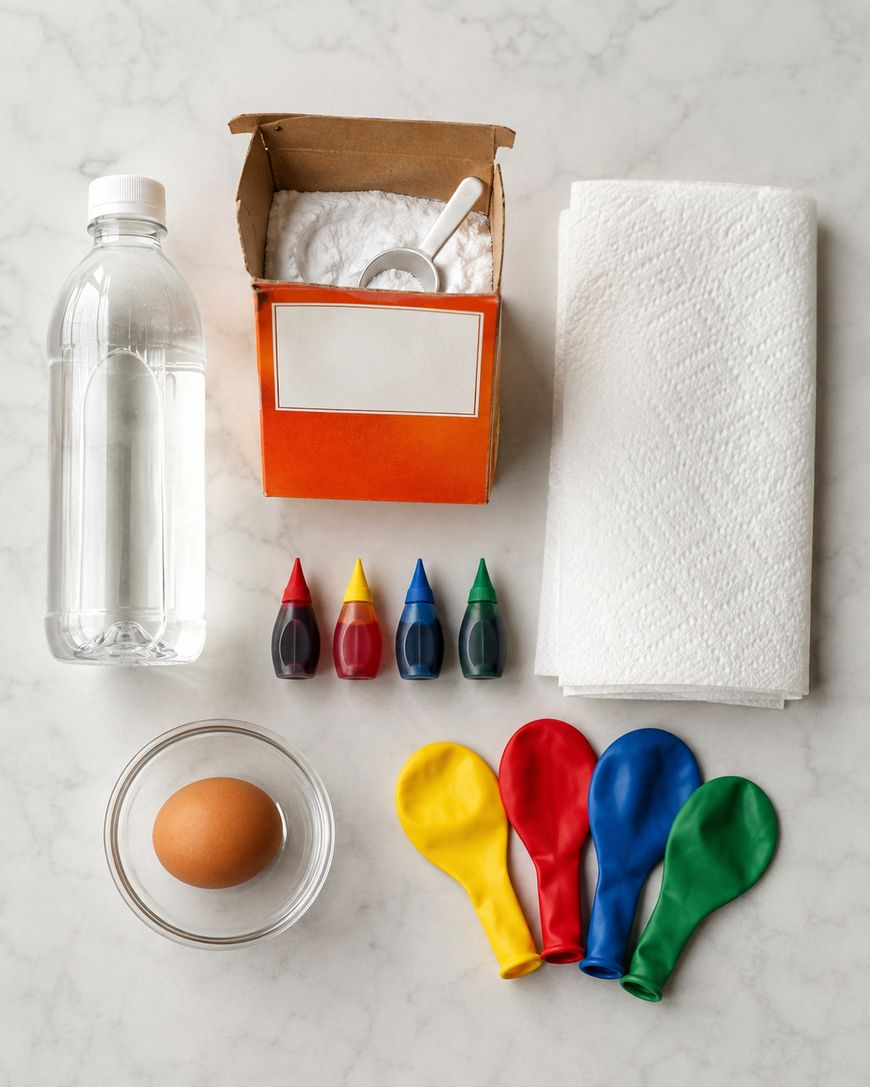
Each one below is simple enough for a weekday after school, but impressive enough to spark real curiosity about how the world works.
Baking Soda and Vinegar Volcano
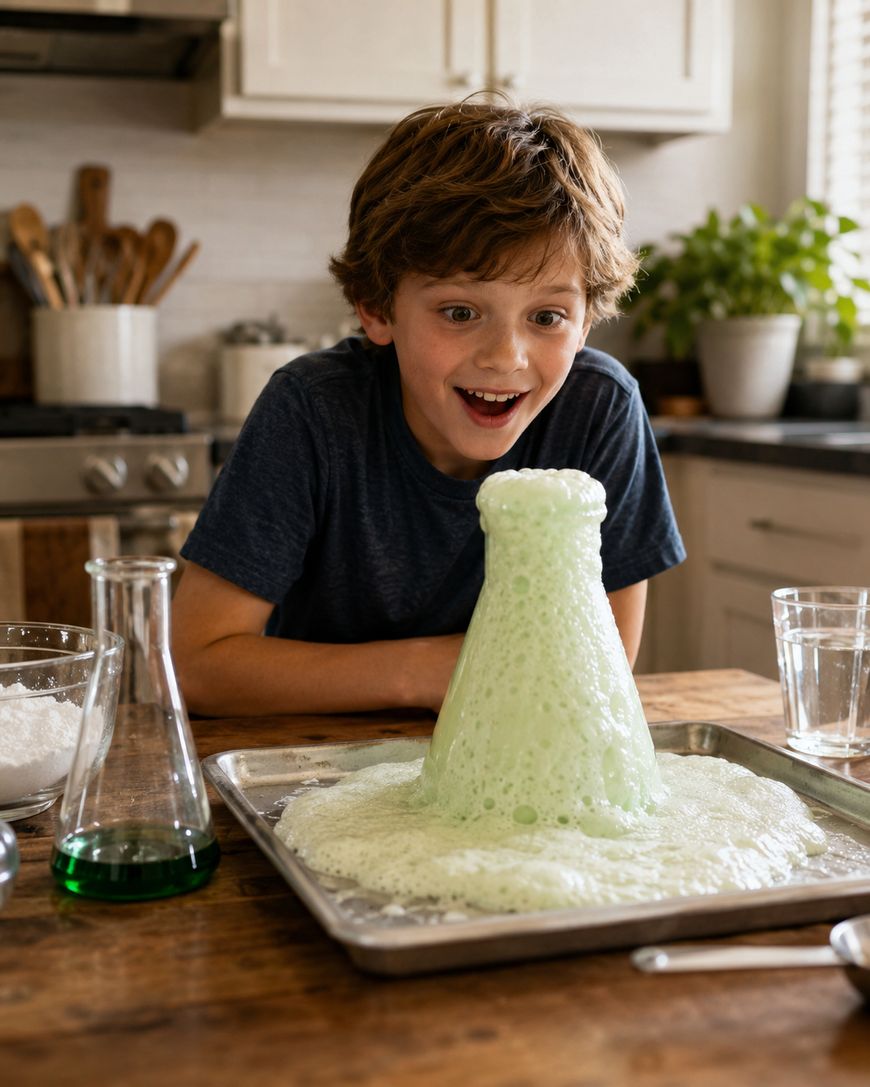
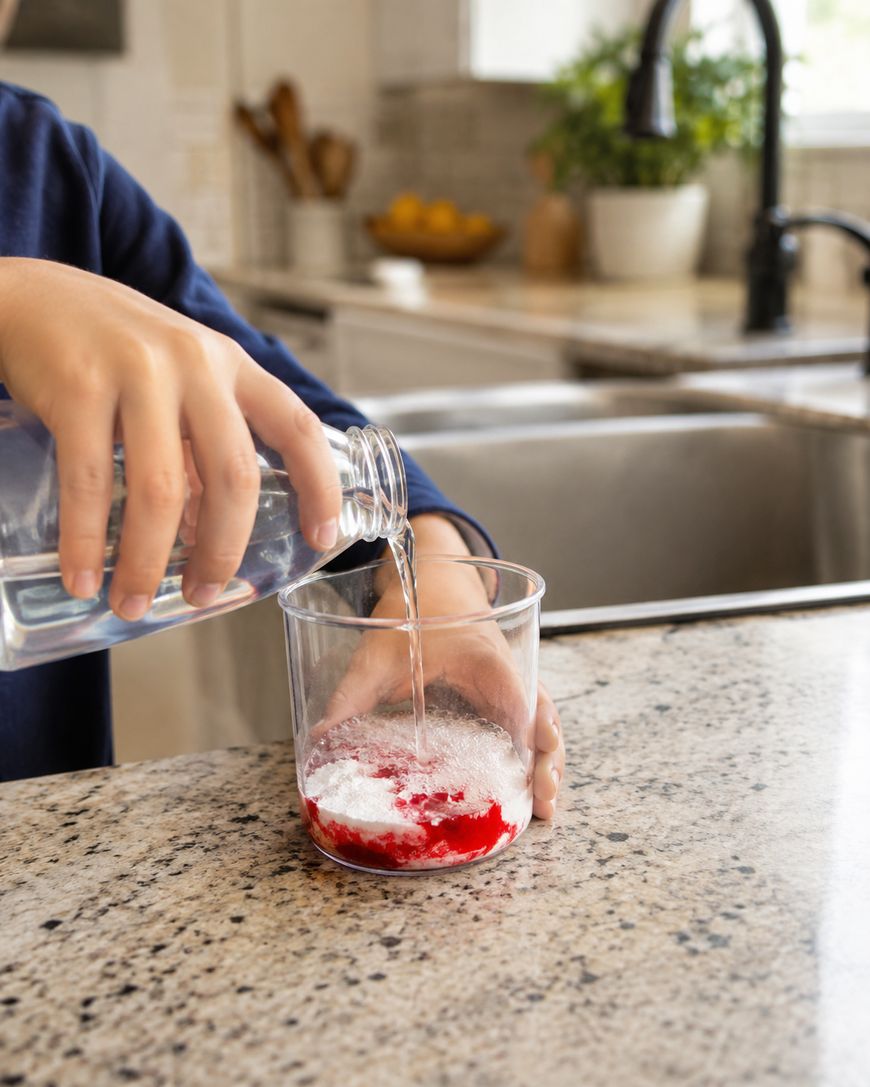
This is the classic for a reason. Mix baking soda and dish soap in a small container, then add a few drops of red food coloring for effect.
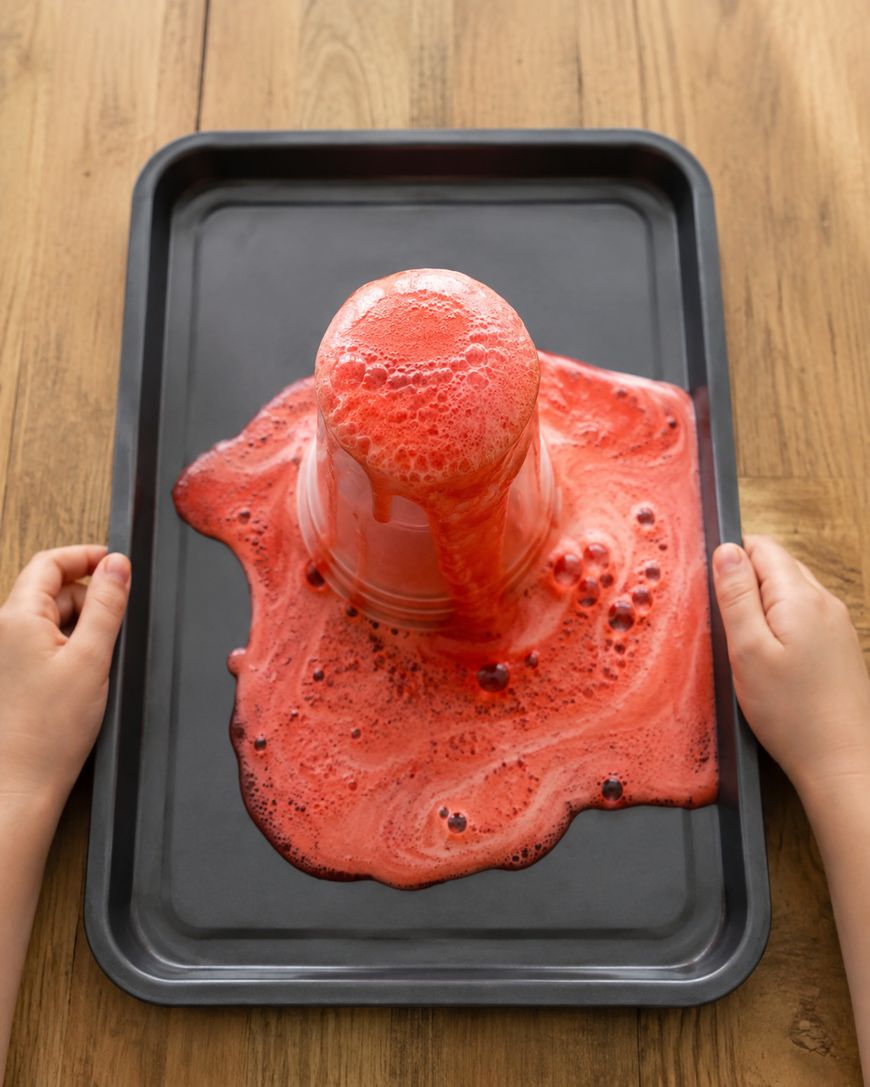
When you pour in vinegar, the fizzing reaction sends foamy “lava” spilling over the sides. Set the container on a tray first so cleanup stays quick and the mess doesn’t spread to your countertop.
Kids learn that mixing an acid (vinegar) with a base (baking soda) creates carbon dioxide gas, which is what causes all that bubbling. You can repeat the experiment several times before the reaction fizzles out for good.
Walking Water Rainbow
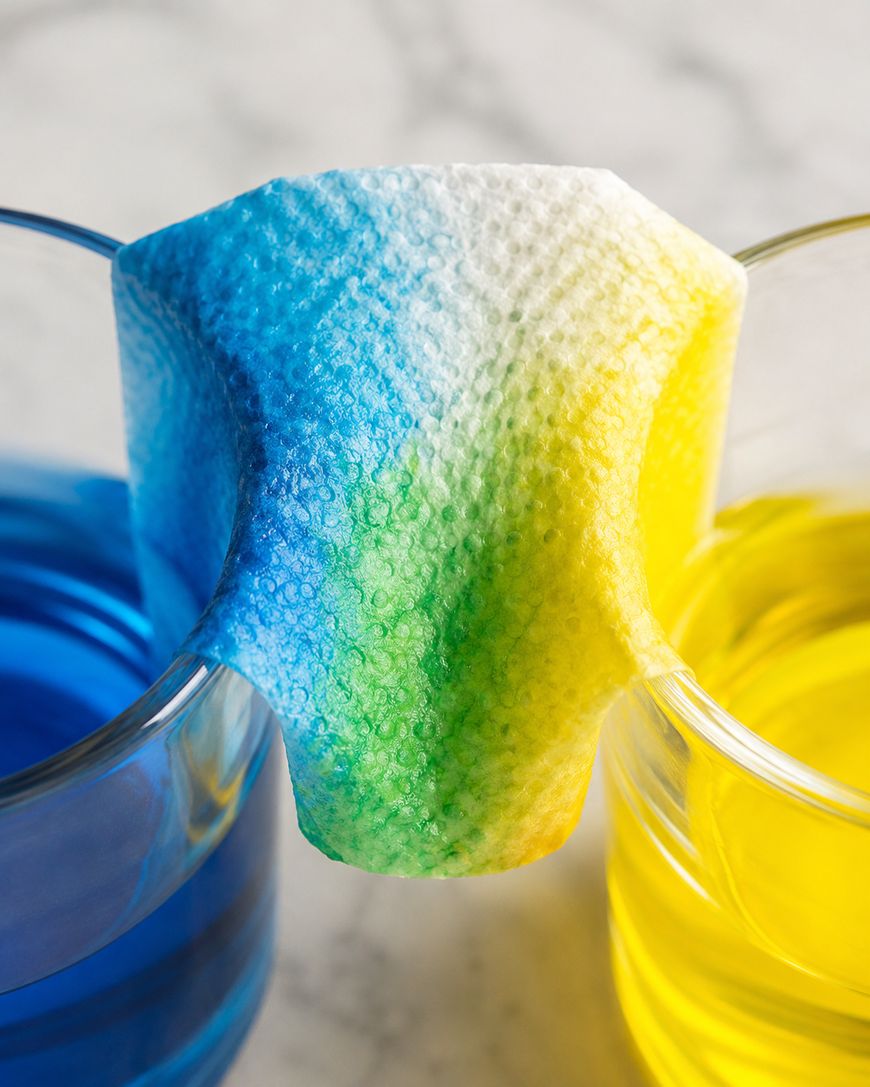
Line up several clear cups and fill every other one with water tinted in different colors. Fold paper towels into strips and place one end in a colored cup and the other end in an empty cup.
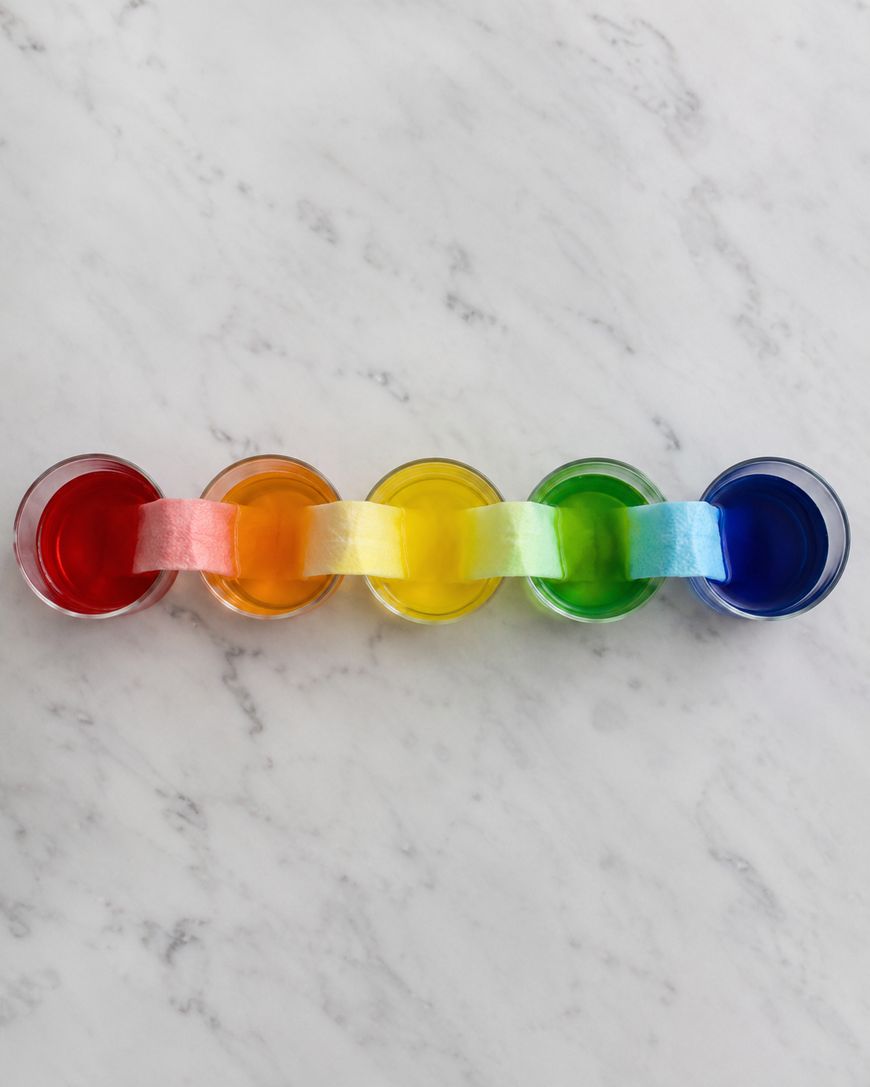
Within a few hours, the water travels up the paper towel and drips into the empty cups, blending colors along the way and creating a rainbow effect across the row. Check back every 30 minutes so kids can watch the color creep up in real time instead of only seeing the finished result.
This experiment demonstrates capillary action, the same process plants use to pull water up from their roots to their leaves.
Homemade Lava Lamp
Fill a clear plastic bottle about a quarter full with water, then top it off with vegetable oil. Add a few drops of food coloring and watch it sink through the oil into the water below.
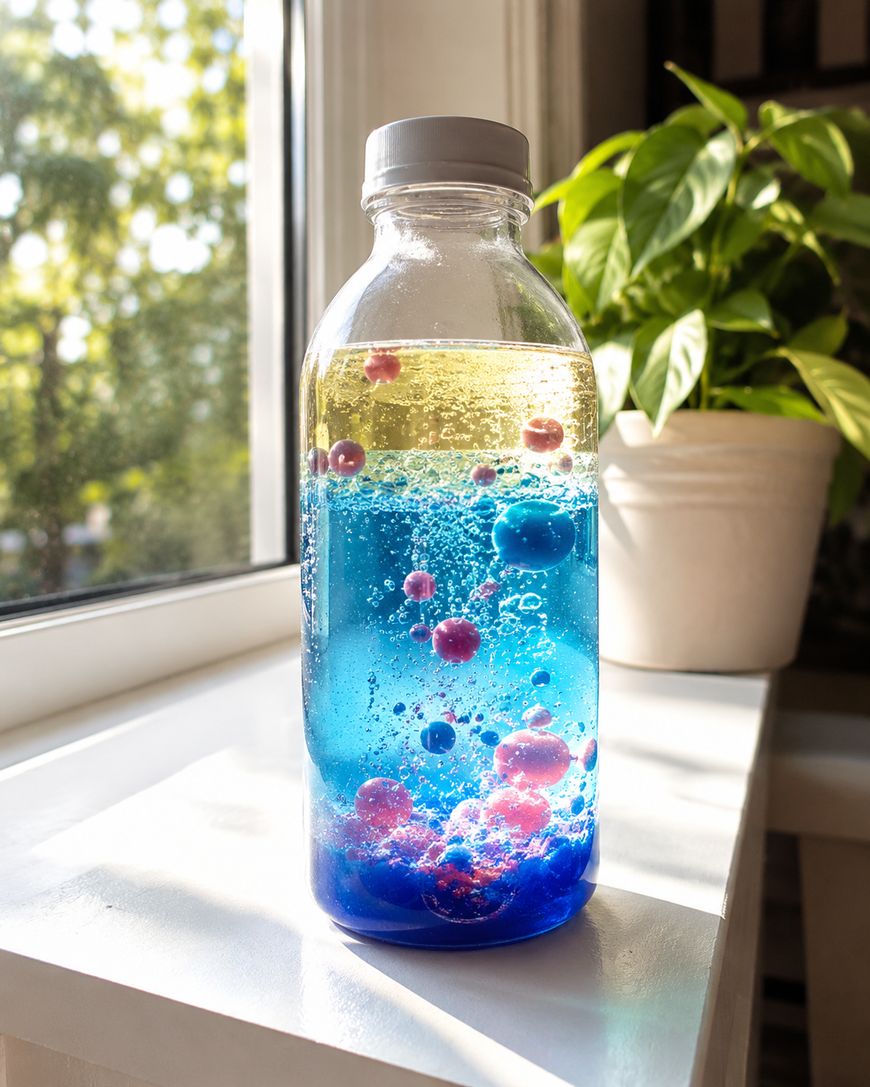
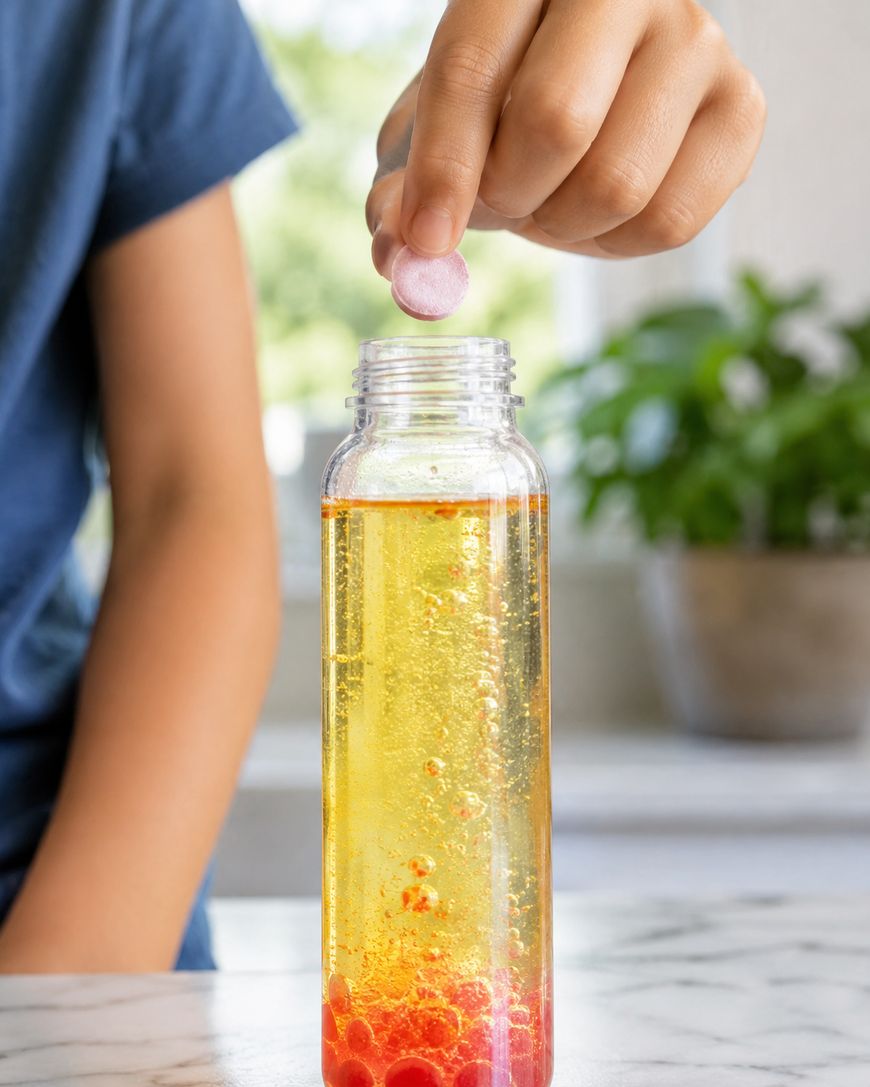
Drop in a fizzing antacid tablet piece by piece, and the mixture bubbles up in colorful blobs that rise and fall like a real lava lamp. Screw the cap on tight once you are done adding pieces so kids can shake it and watch the display start over again.
The oil and water separate because they have different densities, and the antacid reaction creates the gas bubbles that carry the colored water up through the oil.
Egg in Vinegar (Naked Egg Experiment)
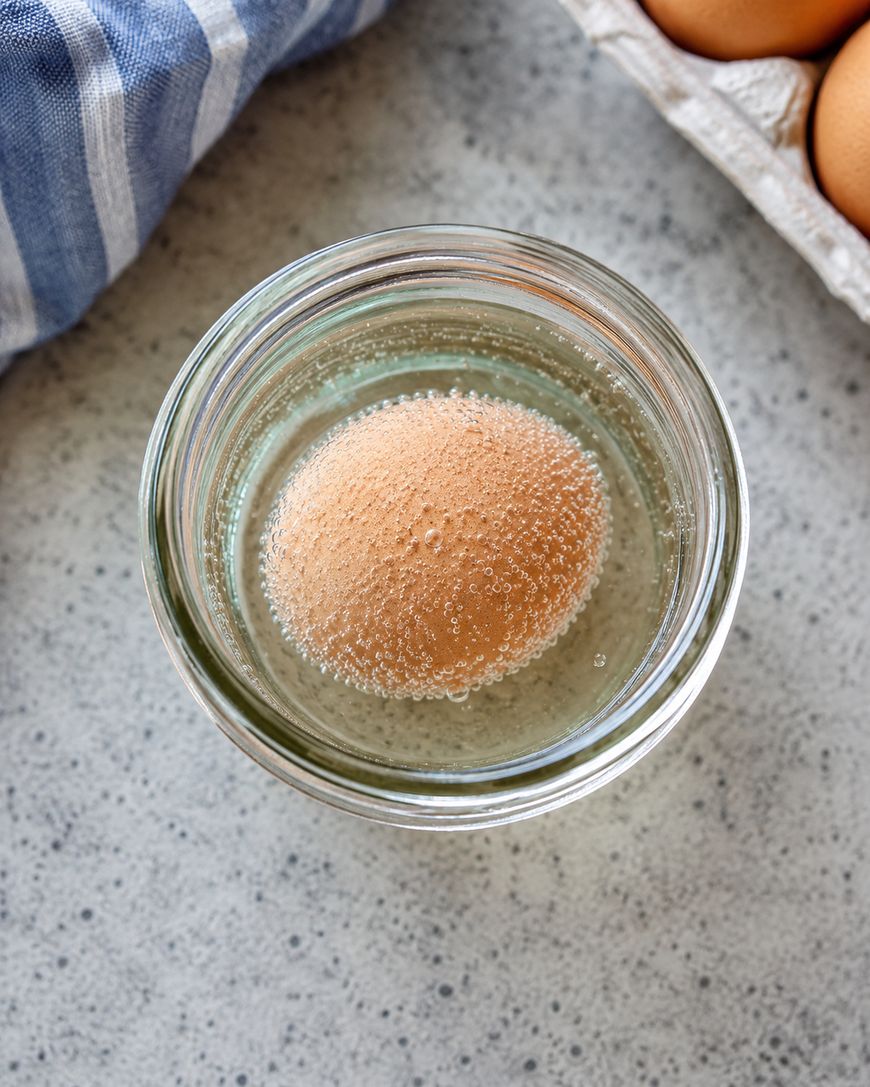
Place a raw egg in a jar and cover it completely with vinegar. Over the next 24 to 48 hours, the shell slowly dissolves, leaving behind a rubbery, translucent egg you can gently bounce or squeeze.
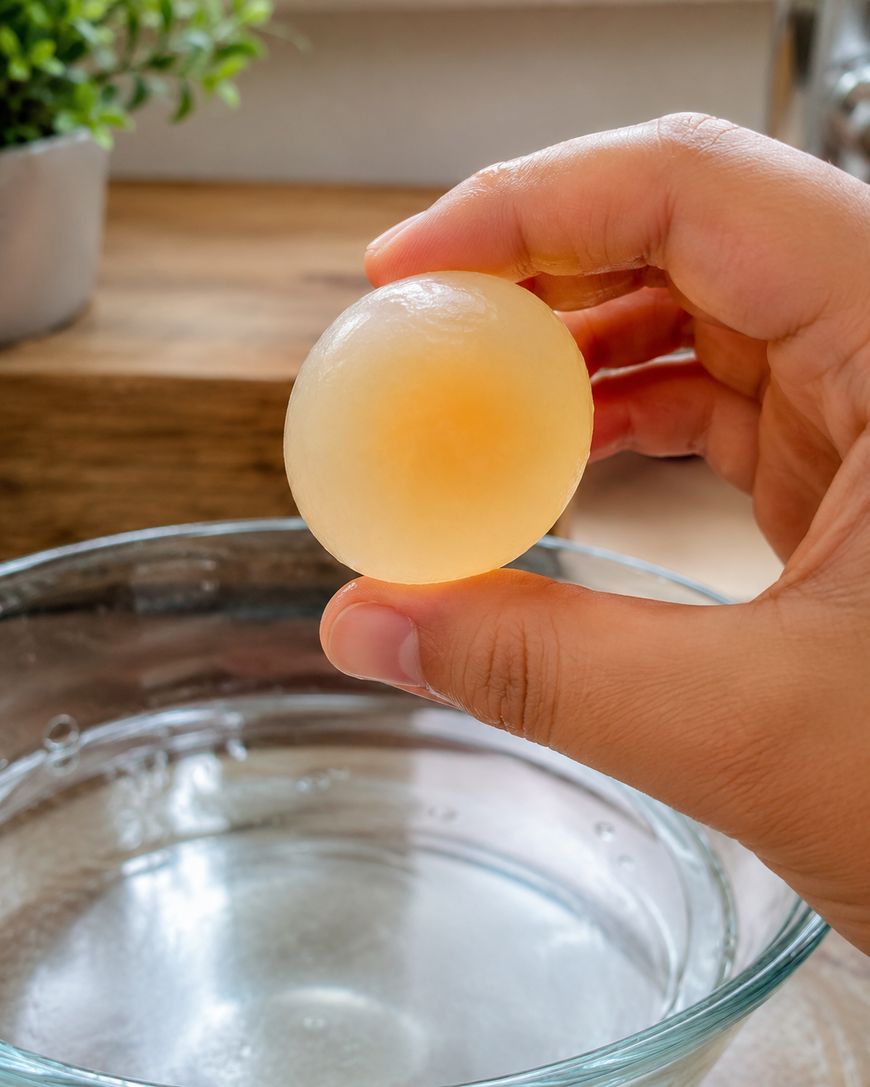
Change the vinegar once halfway through if the shell is dissolving slowly, since fresh vinegar speeds up the reaction. Kids can see the eggshell’s calcium carbonate reacting with the acid, releasing tiny bubbles of gas the whole time.
Once the shell is gone, the egg is a great way to talk about osmosis too, since it will shrink or swell depending on what liquid it sits in next.
Static Electricity Butterfly
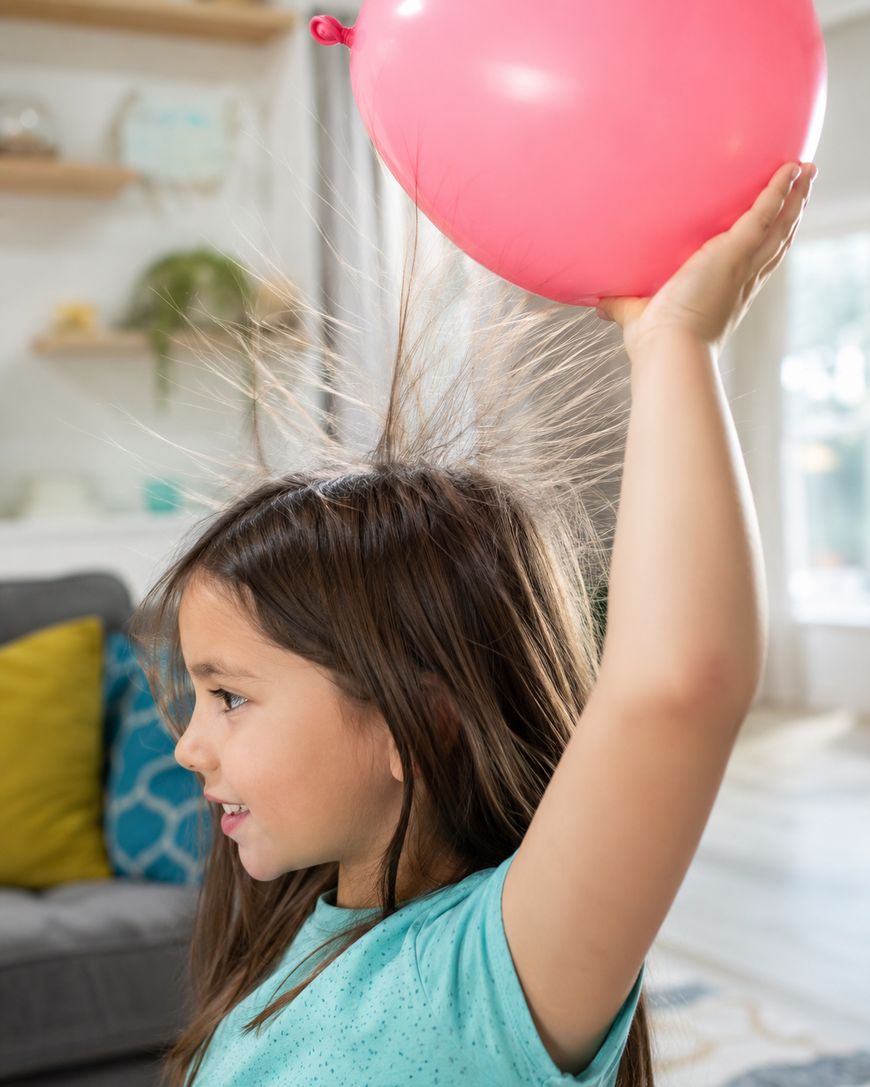
Cut a simple butterfly or bird shape out of tissue paper and set it on a table. Blow up a balloon, rub it against your hair or a wool sweater for about 20 seconds, then hold it a few inches above the paper shape.
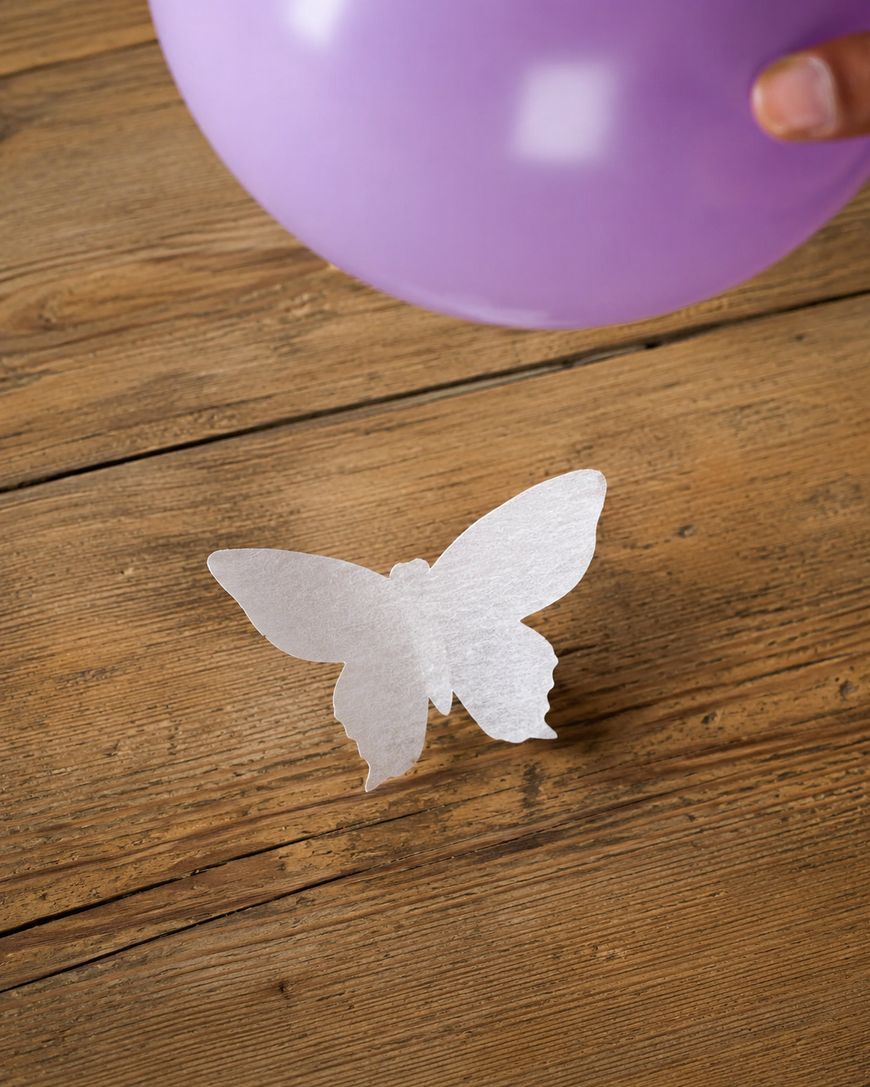
The paper lifts and dances toward the balloon without ever touching it, which never fails to get a reaction from younger kids. This happens because rubbing the balloon builds up a static electric charge that attracts the lightweight paper fibers.
Try the same trick with tiny pieces of confetti or puffed rice cereal for an easy variation.
Why Hands-On Science Experiments Matter for Kids
Reading about science in a book is one thing, but watching a reaction happen in front of you sticks in a completely different way. Hands-on science experiments for kids build real understanding of concepts like chemical reactions, density, and static electricity long before those words ever show up in a classroom.
These activities also build confidence. When a child predicts what will happen and then gets to test that prediction, they are practicing the exact same process real scientists use every day, just on a kitchen-table scale.
Frequently Asked Questions
What age group are these science experiments for kids best suited for?
Most of these work well for ages 4 and up with adult supervision, though younger kids may need more hands-on help with pouring and measuring. Older kids can handle the setup and observations mostly on their own.
Do I need any special equipment to do these experiments at home?
No special equipment is required. Everything here uses items already common in most kitchens, like vinegar, baking soda, food coloring, and clear containers.
How messy are these experiments going to be?
The volcano and lava lamp are the messiest of the group, so working on a tray or over a sink is smart. The walking water and static electricity experiments are essentially mess-free.
Can these experiments be reused or repeated?
Yes, the volcano reaction and static electricity trick can both be repeated multiple times in one sitting, which is great for keeping younger kids engaged a little longer.
How long does each experiment take from start to finish?
Most take 10 to 15 minutes of active time. The walking water rainbow and the naked egg experiment need extra waiting time in the background, so plan those for a day you are not in a rush.
What is the most important safety tip for these experiments?
Always supervise young kids around vinegar, food coloring, and small parts like balloon pieces, and keep any leftover materials out of reach when you are finished.
Bring Science Experiments for Kids Into Your Next Rainy Day
The next time you need an activity that keeps kids engaged and teaches something real, pull out one of these science experiments for kids and let curiosity take over. A little vinegar, some food coloring, and a spare afternoon are really all it takes.




Leave a Reply