Last updated: August 22, 2026
You want toddler art projects that don’t require a trip to the craft store or an entire afternoon of prep.
Good news: the best art activities for toddlers use things you already have at home.
Below you’ll find simple, sensory-rich projects that keep little hands busy and build real skills along the way.
Edible Paint for Little Ones Who Still Taste-Test Everything
Toddlers explore with their mouths, so edible paint is one of the safest starting points for art with a two or three year old.
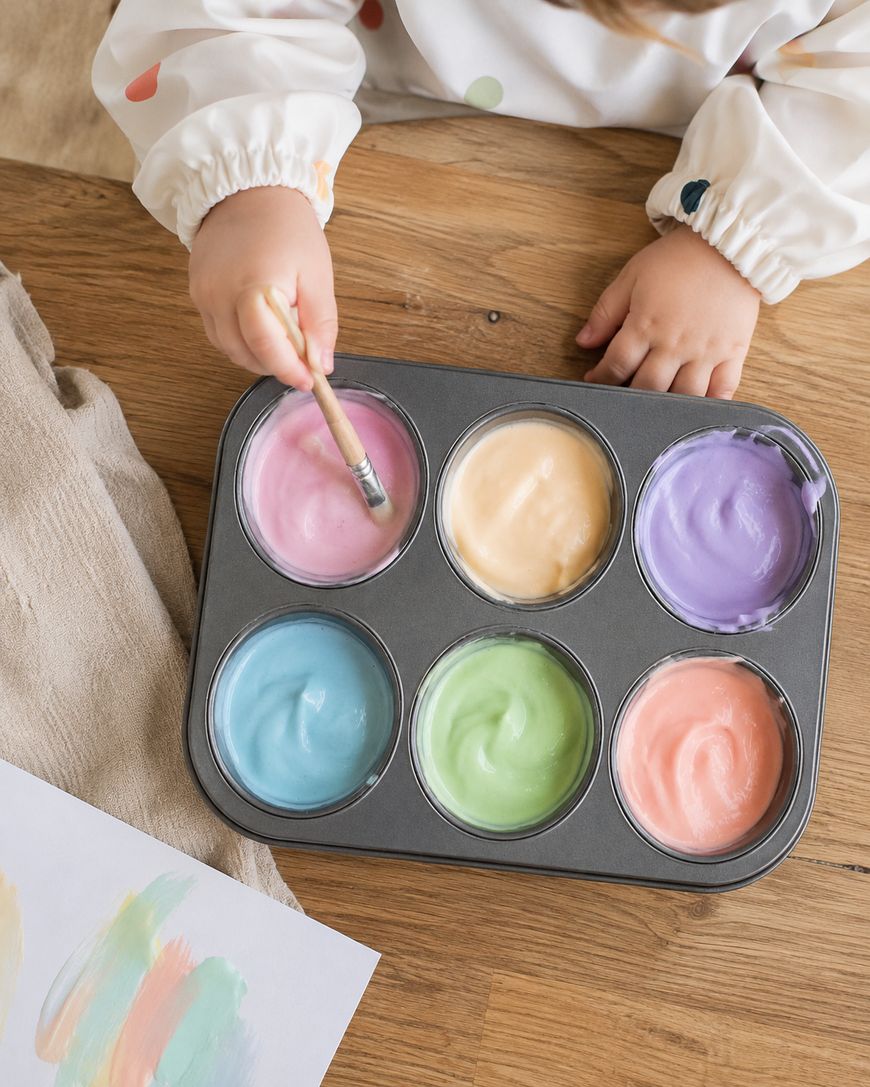
You can make a batch in minutes using plain yogurt tinted with a few drops of food coloring, or you can whisk together flour, water, and food coloring for a thicker, more paint-like texture.
Spoon small amounts of each color into a muffin tin so your toddler can dip a brush or their fingers without a huge mess spreading across the table.
Tip: lay a plastic tablecloth or shower curtain underneath before you start, since even edible paint ends up on the floor more often than the paper.
Let your toddler paint directly onto a large sheet of butcher paper or an old white t-shirt for a keepsake that holds up better than most toddler crafts.
This activity works especially well outside, where spills and drips wash away with the hose in seconds.
Bubble Wrap Stamping for Instant Texture
Bubble wrap turns ordinary paint into a project with texture and pattern, and toddlers love the popping sound as they press down.
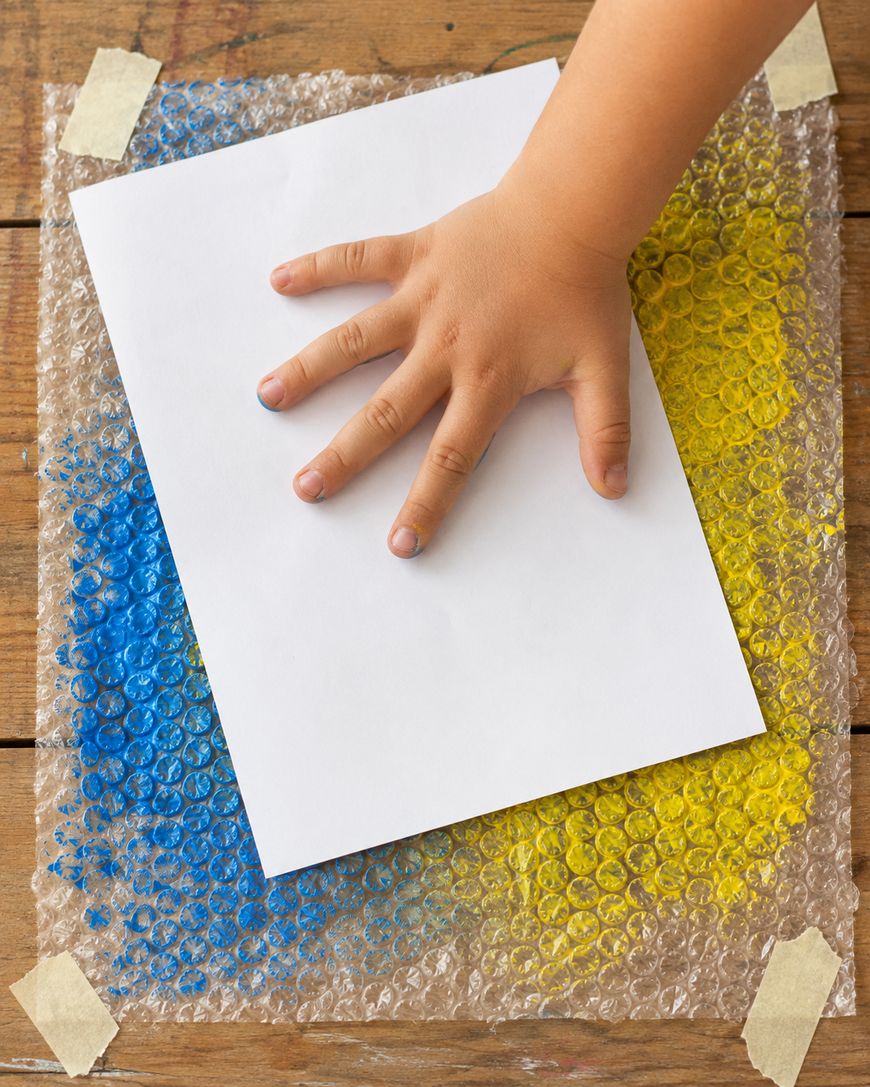
Cut a piece of bubble wrap to fit a paper plate or cardboard scrap, tape it down so it doesn’t slide, and brush on a layer of washable paint.
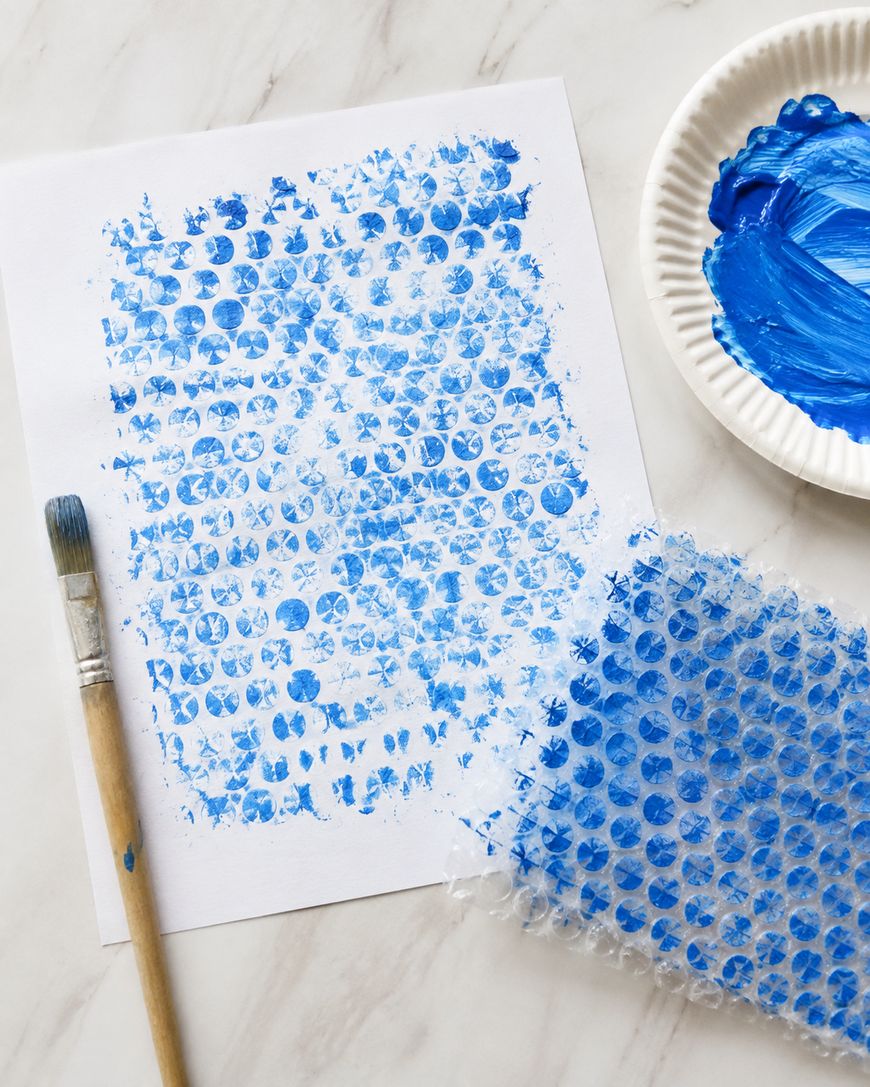
Your toddler presses paper directly onto the painted bubble wrap, then peels it back to reveal a textured print.
You can repeat the stamping with fresh paint colors on the same sheet to build up layers, which keeps the activity going longer than a single pass.
This is also a great option for toddlers who get frustrated holding a paintbrush, since pressing and peeling uses bigger, easier motor movements.
Painting With Everyday Tools Instead of Brushes
Handing a toddler something other than a paintbrush changes the whole activity, because unusual tools produce unusual marks.
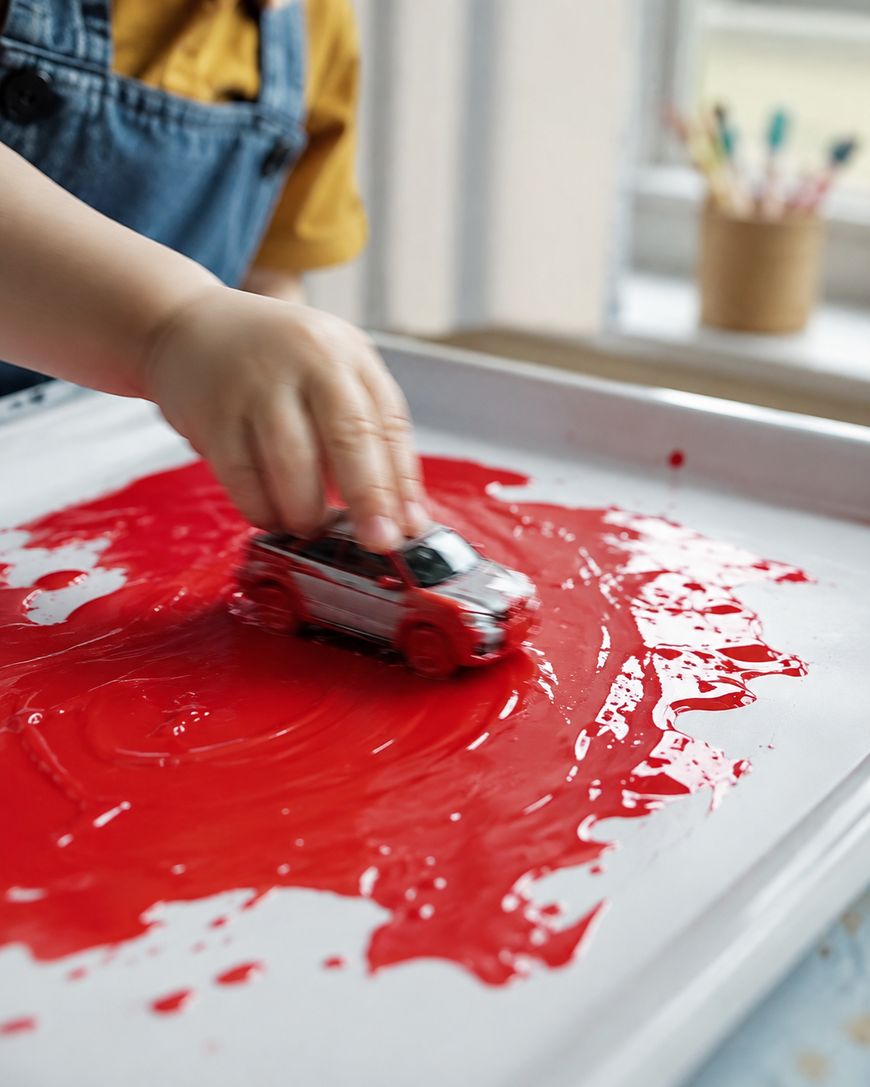
Try cotton balls clipped to clothespins, forks, sponges cut into shapes, toy cars rolled through paint, or even a potato cut in half.
Rolling a small car through a puddle of paint and then across paper is one of the easiest wins for toddlers who aren’t interested in traditional painting.
Each tool creates a different mark, so rotating through two or three options keeps a short attention span engaged without needing a new project every ten minutes.

Set out a shallow tray with a few tools already dipped in paint so your toddler can grab and go without waiting on you to prep each one.
Sensory Art With Sand, Salt, or Rice
Not every toddler art project needs paint, and dry sensory materials give you a calmer, lower-mess option for indoor days.

Glue simple shapes onto paper, then let your toddler sprinkle colored sand, salt, or rice over the glue before shaking off the excess.
You can dye rice or salt ahead of time by shaking it in a bag with a few drops of food coloring and a splash of vinegar, then letting it dry completely.

This project doubles as a sensory bin activity if your toddler would rather scoop and pour the rice than glue it down, so there’s no wrong way to play.
Store leftover dyed rice or sand in a sealed container, since it stays usable for weeks and makes future projects even faster to set up.
Nature Collage Using Things From the Backyard
A quick walk around the yard or a nearby park can supply everything you need for a nature collage.

Collect leaves, small twigs, flower petals, and pebbles in a small bucket or bag as you go.
Back inside, spread a layer of glue on a paper plate or piece of cardstock and let your toddler press their finds into place however they like.
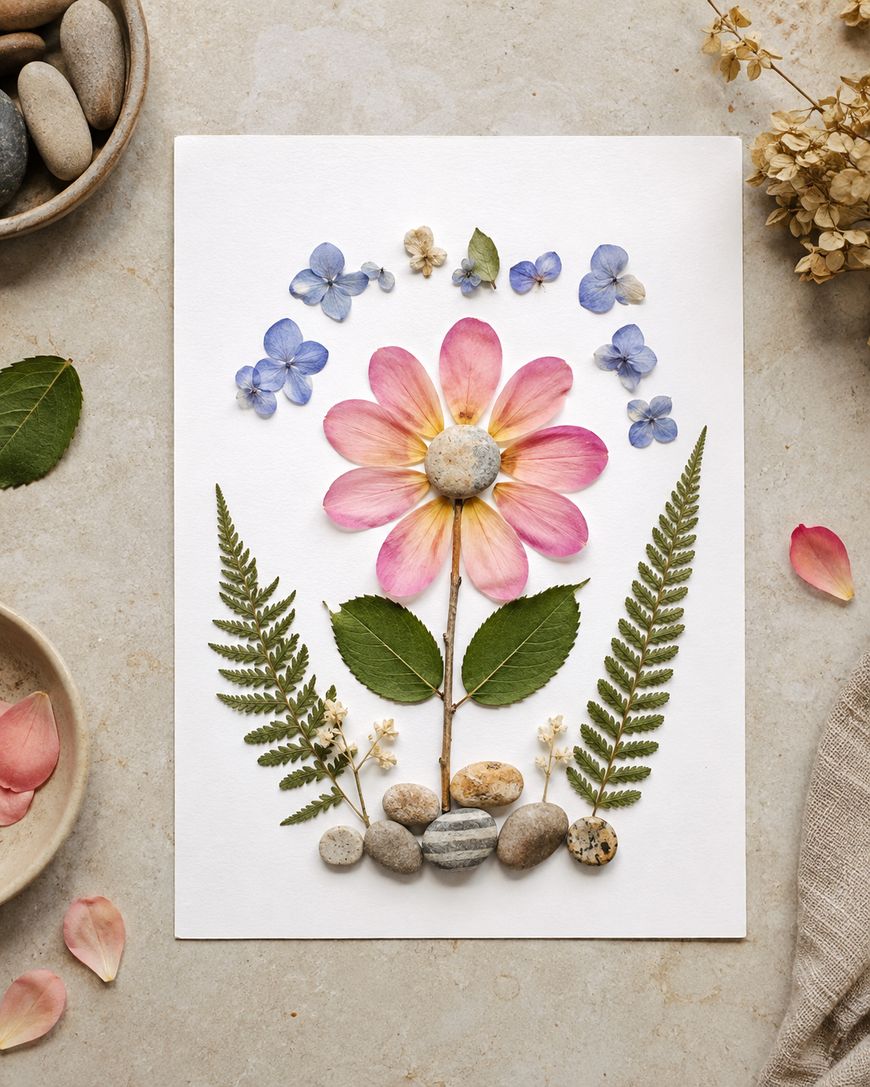
Bringing a small basket on every outdoor walk means you’ll always have fresh material on hand for the next collage, so this project never feels like it needs special planning.
Nature collages also give you a natural way to talk about colors, shapes, and textures while your toddler works, turning the craft into a quiet learning moment too.
Handprint and Footprint Keepsakes
Handprint and footprint art turns a simple painting session into something worth framing.

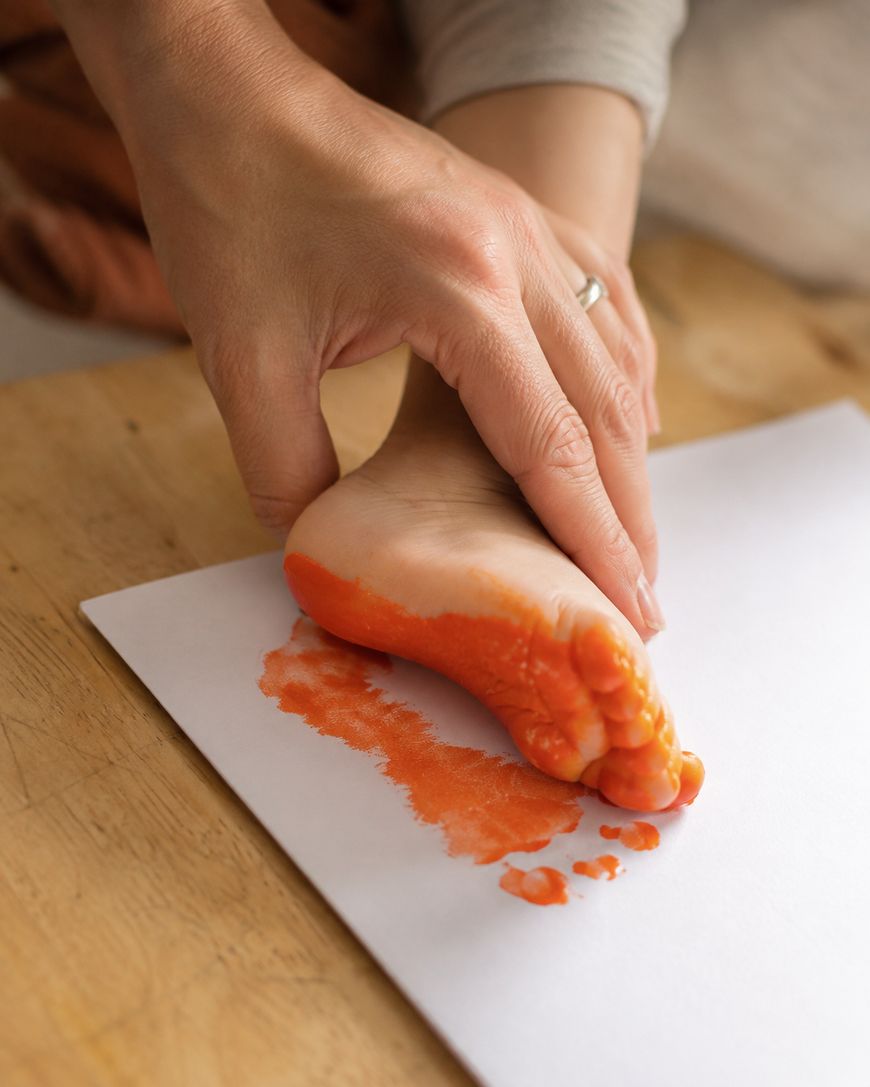
Brush washable paint directly onto your toddler’s palm or the sole of their foot, then press firmly onto paper before it dries.
Turning a handprint into a butterfly, a footprint into a turkey, or a simple palm print into a flower with a few added lines gives the project a bit of extra polish.

Keep baby wipes and a warm washcloth within reach before you start, since paint dries faster on skin than most parents expect.
These keepsakes make especially meaningful gifts for grandparents around holidays, and they’re an easy way to track how quickly little hands grow.
Why Art Matters So Much for Toddlers
Toddler art projects aren’t just about keeping little hands busy for twenty minutes, even though that’s a welcome bonus on a long afternoon.
Squeezing a paintbrush, pressing a stamp, or pinching small pieces of paper all strengthen the fine motor skills your toddler will later use for holding a pencil and using scissors.
Open-ended art also gives toddlers a safe way to make choices, since there’s no wrong color to pick or wrong way to press a stamp.
You’ll likely notice your toddler talking more during art time too, since naming colors and describing what they’re making builds vocabulary naturally.
Even a short, simple project supports these skills, so you don’t need elaborate setups to see the benefits.
Toddler Art Projects: Your Questions Answered
What age can toddlers start doing art projects?
Most toddlers can start simple art activities like edible paint or sensory bins around 18 months, once they’re past the stage of eating everything in sight.
You’ll want to stay close by and choose non-toxic, washable materials for any toddler under three.
How do I keep toddler art projects from becoming a huge mess?
Working outside or on a washable surface with a plastic tablecloth underneath handles most of the mess before it starts.
Keeping the paint or materials in small amounts on a tray also limits how much your toddler can spread around at once.
What if my toddler doesn’t want to touch paint or glue?
Some toddlers are sensitive to messy textures, and that’s completely normal.
Offer tools like stampers, rollers, or cotton swabs so they can create without direct hand contact, and let them warm up to messier materials on their own timeline.
How long should a toddler art activity last?
Most toddlers stay engaged with a single art project for ten to twenty minutes, so it helps to have the next activity ready to go.
Rotating through two or three shorter projects in one sitting usually works better than expecting a toddler to focus on one thing for an hour.
Can I reuse toddler art projects for different themes or seasons?
Many of these projects adapt easily to a season or holiday by swapping the paint colors or the shapes you cut out ahead of time.
Handprint art in particular works well as a year-round keepsake project since you can change the design each time.
What supplies should I always keep on hand for toddler art?
Washable paint, construction paper, glue sticks, and a stack of paper plates cover most of the projects above.
Keeping a small bin of these basics stocked means you can pull together a toddler art project with only a few minutes of notice.
Ready to Get Creative?
You don’t need a Pinterest-perfect craft room to give your toddler a great art experience.
Pick one of these toddler art projects, set out a few supplies on a tray or table, and let your little one lead the way.
The mess washes off, but the fine motor practice, the vocabulary, and the memories made together are worth every bit of it.


Leave a Reply