Last updated: August 27, 2026
The majority of people have a 9-hour workday, give or take. Especially for those working in an office environment. The 9-5 can result in spending much of the day sitting at a desk, and thanks to studies exposing the dangers of a sedentary lifestyle, the reality is this isn’t beneficial for anyone.
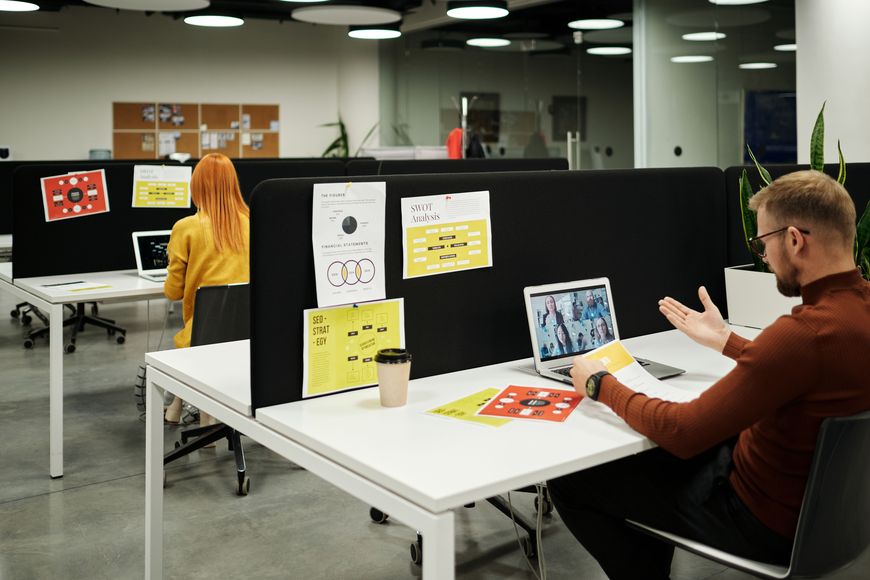
But the good news is, for employers who don’t want this environment for their employees, you don’t need to make big, expensive changes to help improve the health of your workplace.
Here are a few areas to focus on.
Improve Air Quality and Ventilation
Offices with poor ventilation build up carbon dioxide levels throughout the day, especially in meeting rooms or open places packed with people and screens. This is directly linked to fatigue and trouble concentrating, even if you feel there is nothing wrong with the air quality.
The remedy here is to open the window where you can and to get any air conditioning units serviced regularly. Adding plants can also help filter indoor air too for a cheaper aesthetic way to brighten up the office and improve air quality. If this isn’t enough, then investing in an air purifier can help your office feel noticeably better every single day.
Make Hydration Easier
Dehydration can sneak up on people when they’re busy and haven’t had a chance to leave their desk to grab anything to drink, and the side effects of dehydration can include headaches, tiredness, poor focus, and they might not initially be linked to dehydration, especially at moderate levels.
Making water easy to access can be the best way to remedy the effects of dehydration in the workplace and improves the worry for those who forgot to bring drinks in with them or don’t have time to pop out to buy one.
Putting water dispensers in shared spaces takes away one of the small barriers that stop people topping up throughout the day. Have a few dotted around large offices in places that people naturally pass through or gather in to make it easier to grab a drink when they need to.
Encourage Regular Movement Breaks
Long uninterrupted stretches of sitting are linked to poor posture, worse circulation and lower energy as the day goes on. Encouraging short breaks away from the desk, even just a five-minute walk around the office or outside, helps counter some of this.
You can also build this in with standing desks or walking meetings if you prefer, or you can just encourage staff to step away during natural pauses in the day. The trick, however, is to not treat it like a distraction but an essential part of the working day.
Bring in More Natural Light
Artificial lighting on its own, especially the harsh overhead strip lighting common in older offices, can add to eye strain and make it harder to concentrate over a full working day.
Natural light, on the other hand, does more than just make a space look nicer; it plays a role in mood and energy levels.
Positioning desks near windows when you can, keeping blinds open during the day, and swapping out harsh overhead lighting for softer light that mimics natural daylight also helps here too.




Leave a Reply