Last updated: August 21, 2026
You want your toddler learning through play, not screens, and you want ideas that actually work today.
Below you will find simple learning activities for toddlers that build language, motor skills, and focus using things you already have at home.
We will also answer the questions you are probably asking right now about screen time, attention span, and how much structure a toddler really needs.
Start With Sensory Bins
Sensory bins are one of the easiest learning activities for toddlers because they require almost no setup.
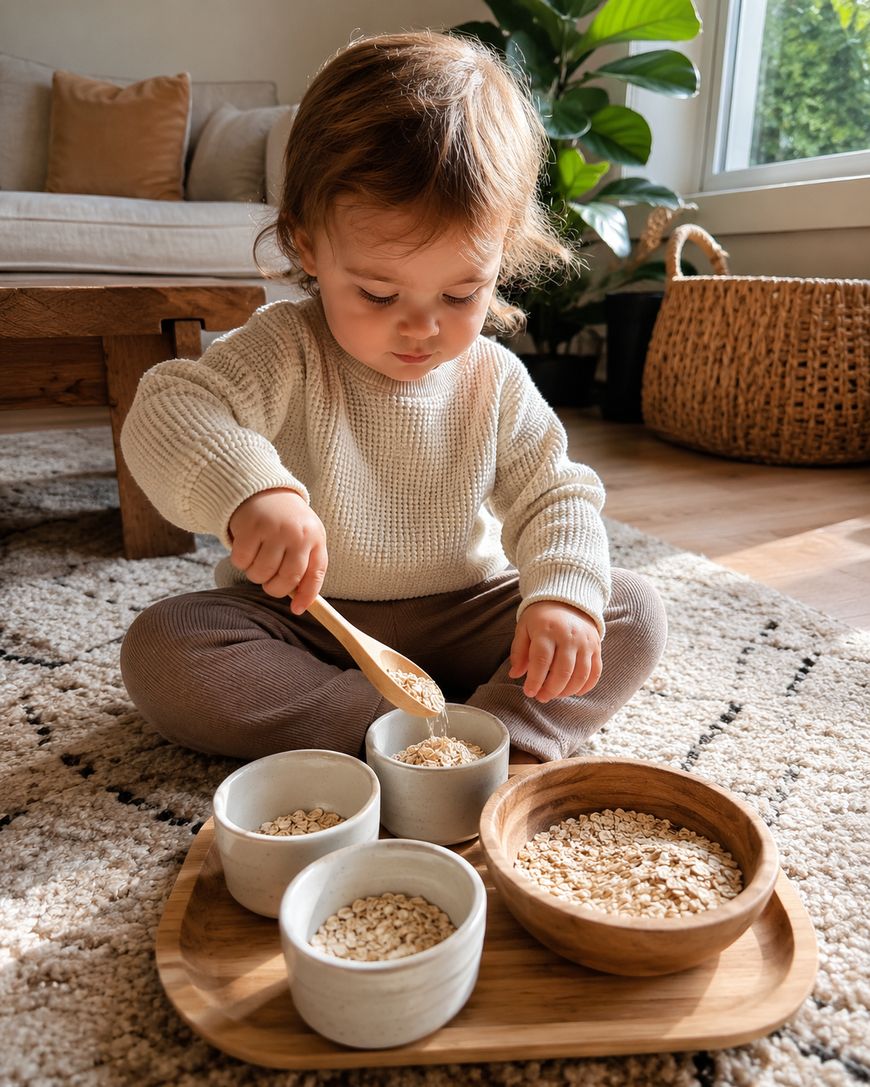
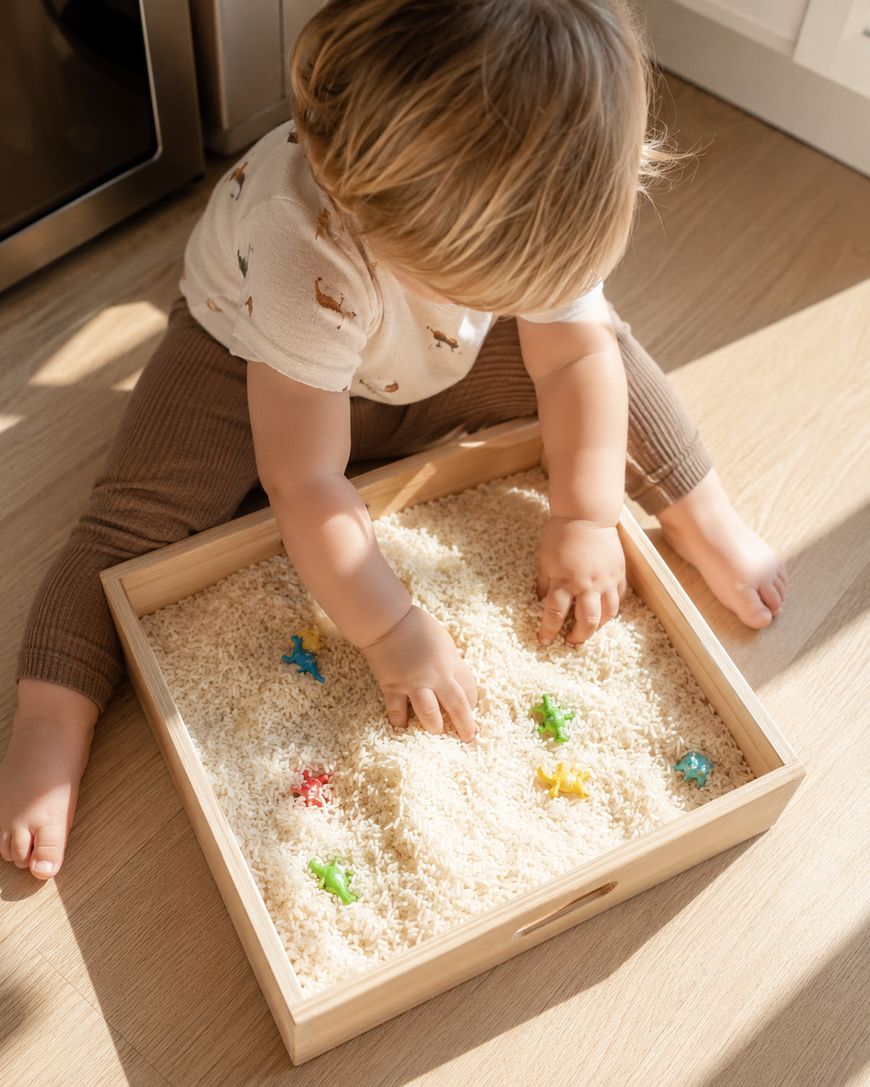
Fill a shallow bin with dry rice, dried beans, or oats, then hide small toys, spoons, or measuring cups inside for your toddler to discover.
This activity builds fine motor skills as your toddler scoops, pours, and grips small objects.
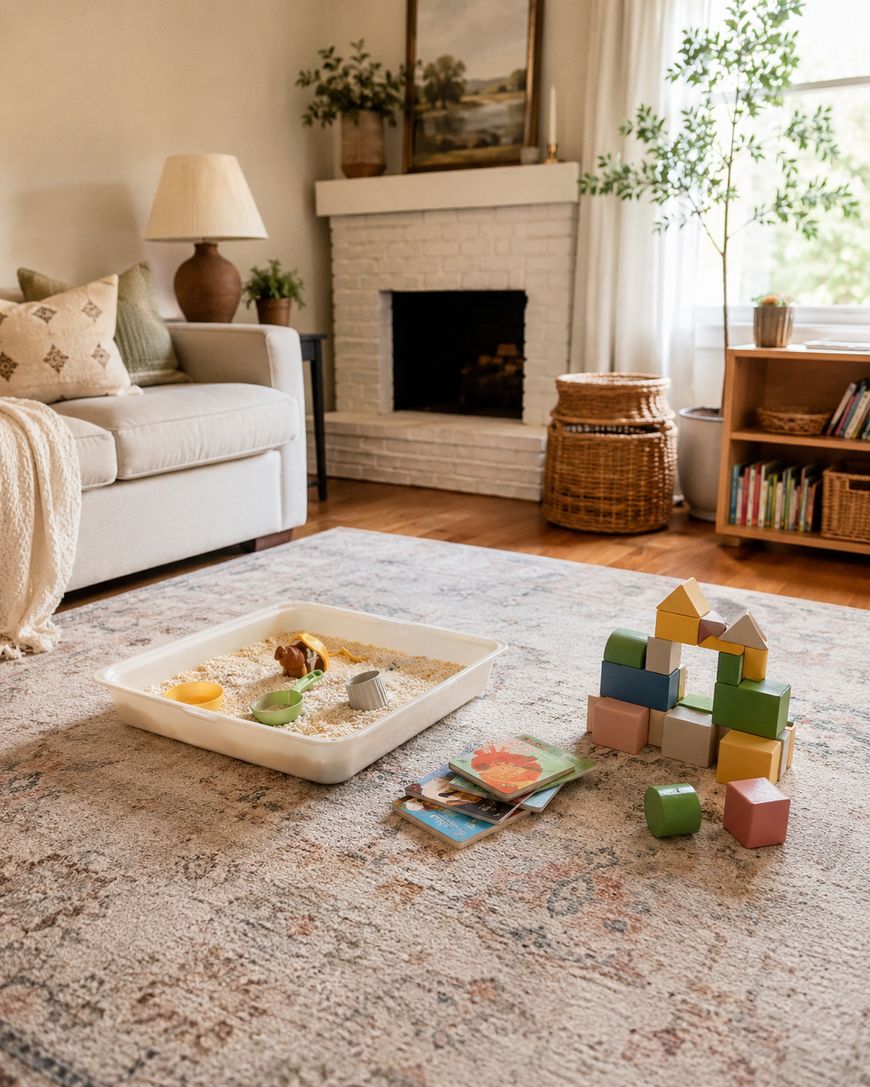
It also introduces early vocabulary since you can narrate what they find, naming colors, textures, and shapes as they explore.
Toddlers are drawn to repetitive motion, so do not be surprised if your child dumps and refills the bin a dozen times.
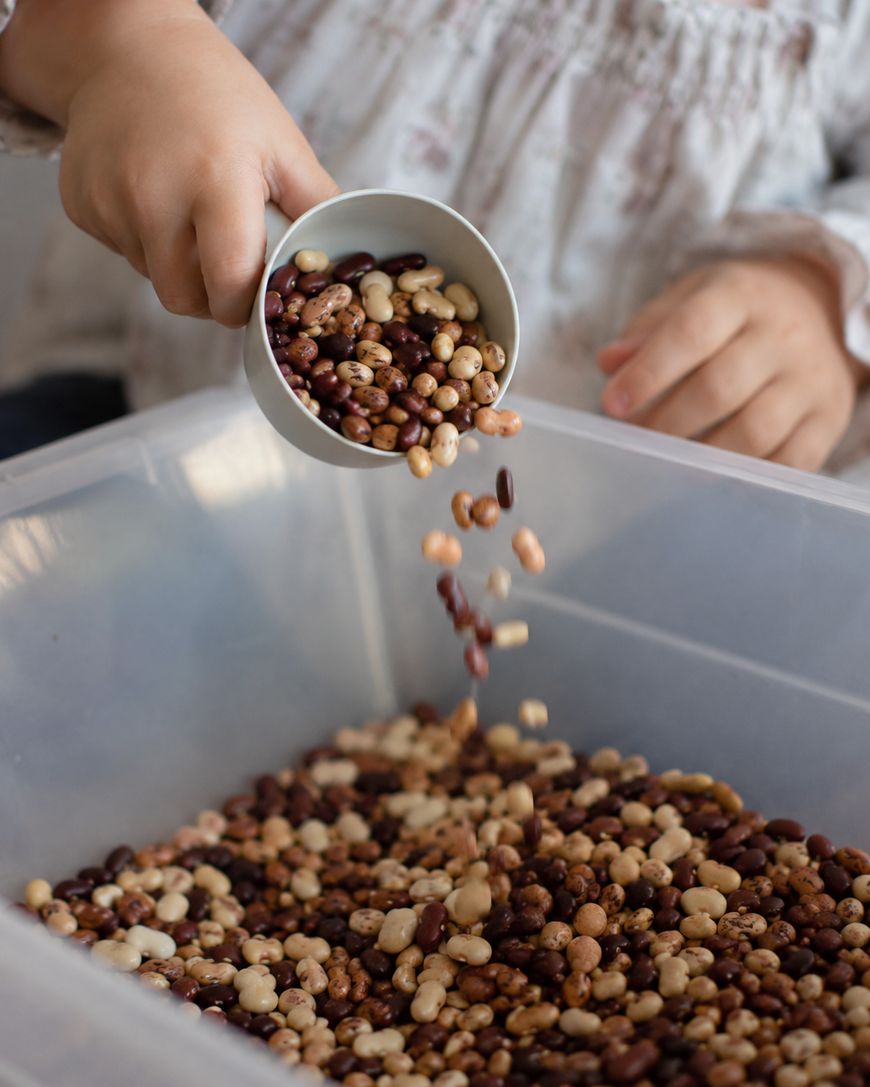
That repetition is not aimless. It is how toddlers practice cause and effect and build the hand strength they will need for writing later on.
Keep the bin somewhere easy to clean, like a kitchen floor or an outdoor table, since spills are part of the process.
Build Language Through Everyday Narration
You do not need flashcards to teach language. You already have the best tool, which is your own voice.

Narrate your day out loud as you cook, fold laundry, or walk to the car, describing what you are doing in simple, complete sentences.
Toddlers absorb sentence structure and vocabulary from hearing language modeled around them, even before they can respond in full sentences themselves.
Ask open ended questions throughout the day, even if your toddler cannot fully answer yet.
Questions like what color is this or where did the ball go invite participation and show your toddler that conversation is a two way exchange.

Reading together for ten minutes a day reinforces this same skill in a focused setting.
Choose board books with repetitive phrases and let your toddler turn the pages, point at pictures, and fill in words they already know.
Use Movement to Support Focus
Toddlers learn through their whole bodies, not just their eyes and ears, so movement based activities matter as much as quiet ones.
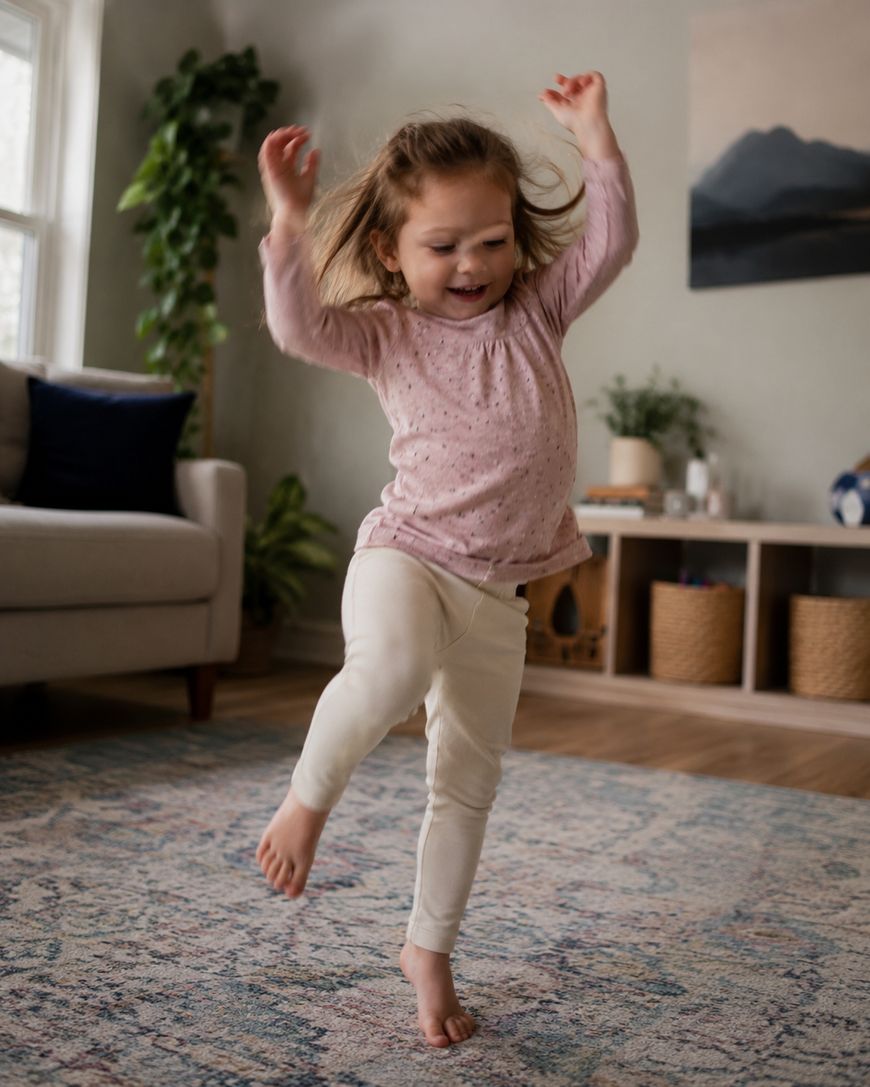
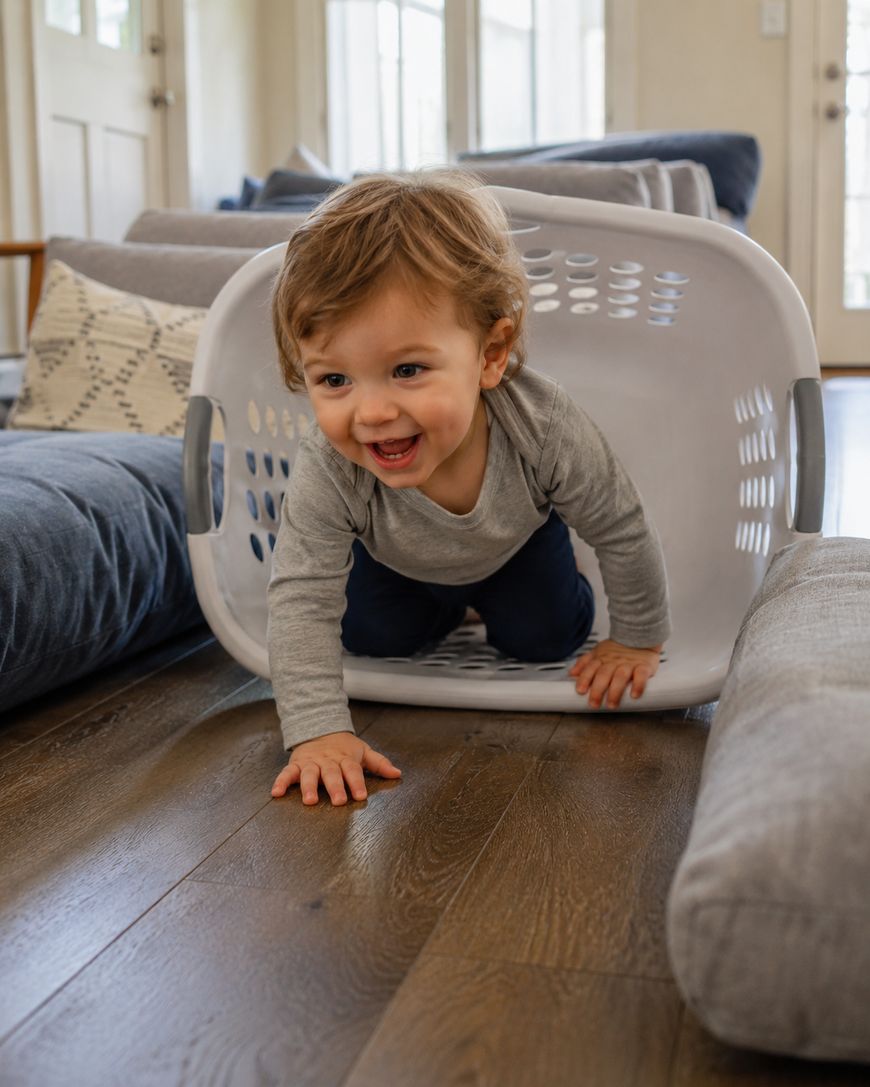
Set up a simple obstacle course using couch cushions, a laundry basket to crawl through, and a taped line on the floor to walk along.
This kind of gross motor play builds balance and coordination while also teaching your toddler to follow multi step directions.
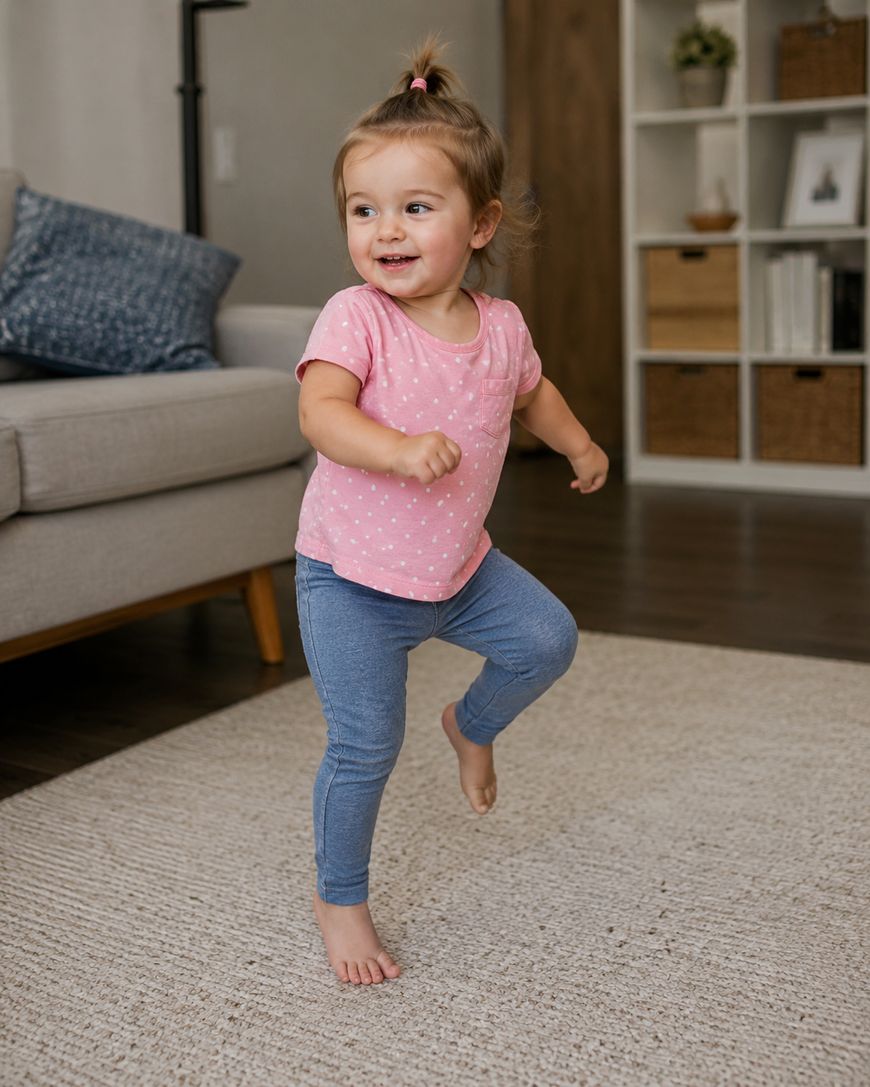
Dancing to music is another strong option, since it combines rhythm, listening, and movement in a way toddlers find naturally engaging.
Freeze dance, where you pause the music and your toddler holds still, adds a layer of self control practice that supports focus in other settings too.
You can rotate these activities throughout the week so your toddler experiences variety without needing new toys or equipment.
Sorting and Matching Games
Sorting activities teach early math concepts long before your toddler is ready for numbers on a page.
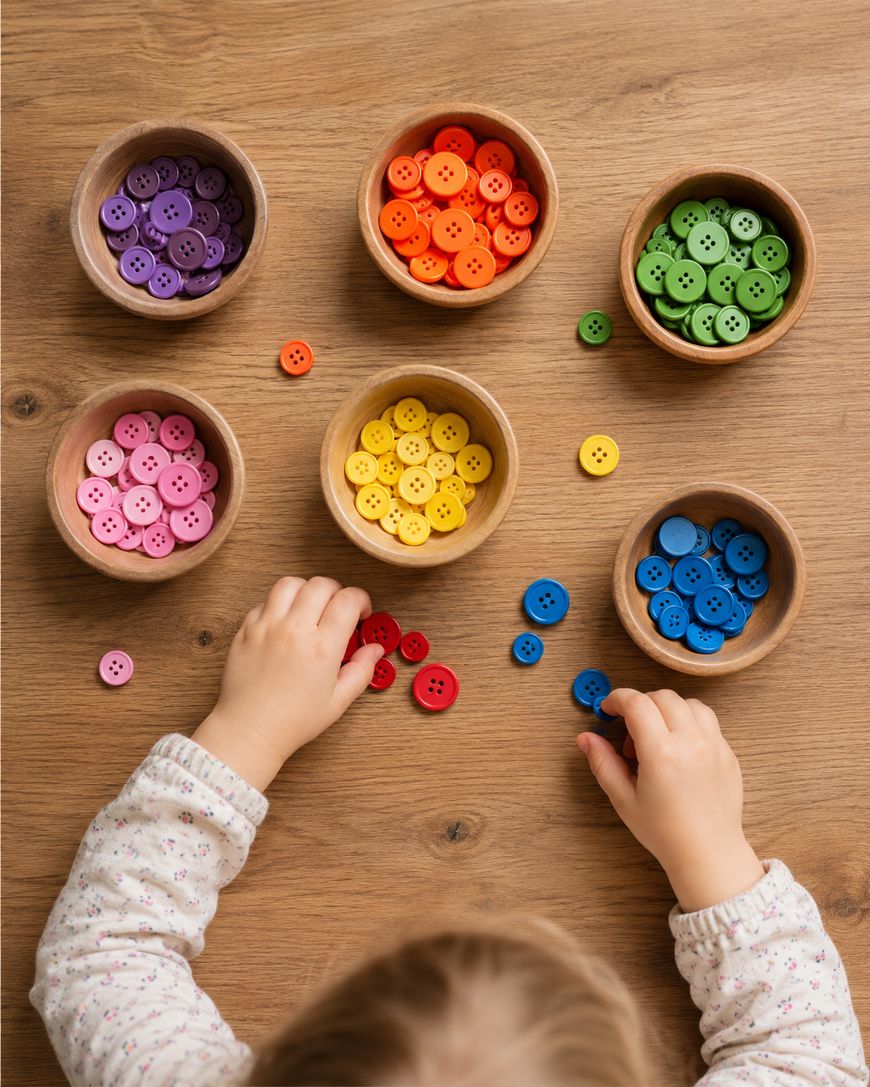
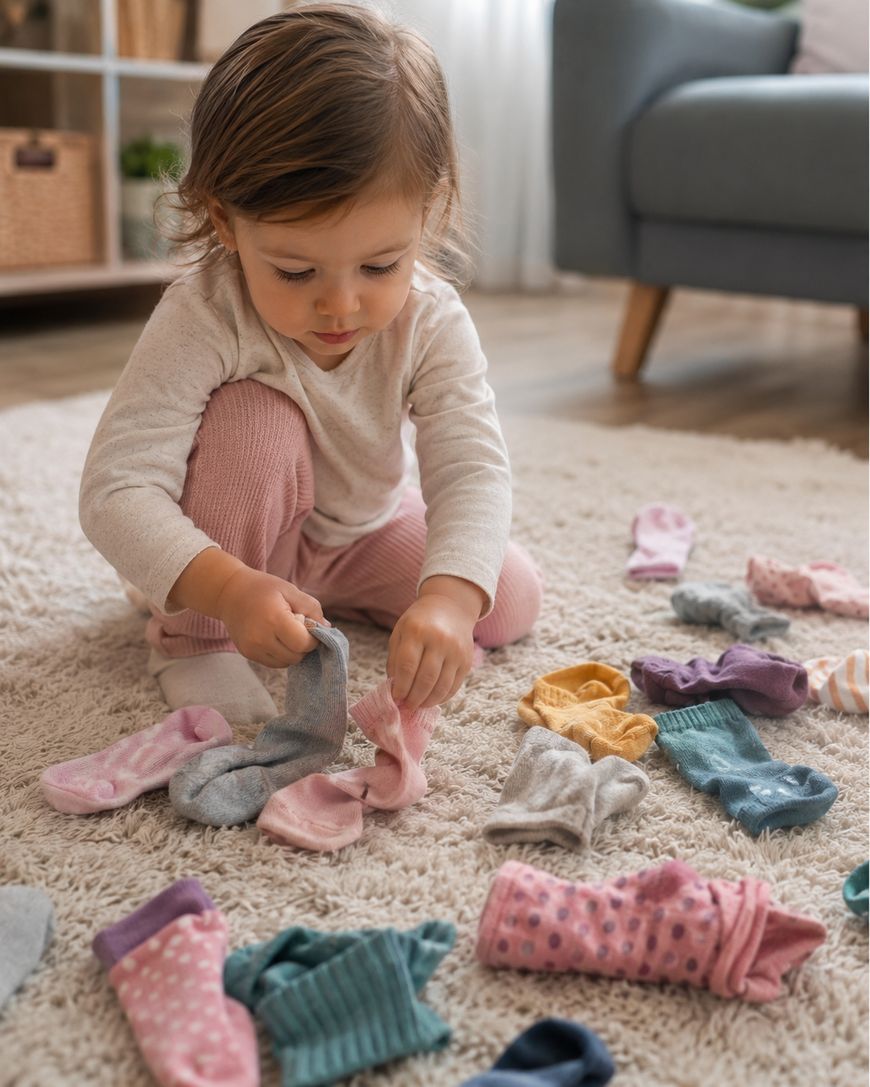
Gather household objects like socks, buttons, or plastic cups and ask your toddler to group them by color, size, or shape.
This builds classification skills, which are a foundation for later math reasoning around patterns and categories.
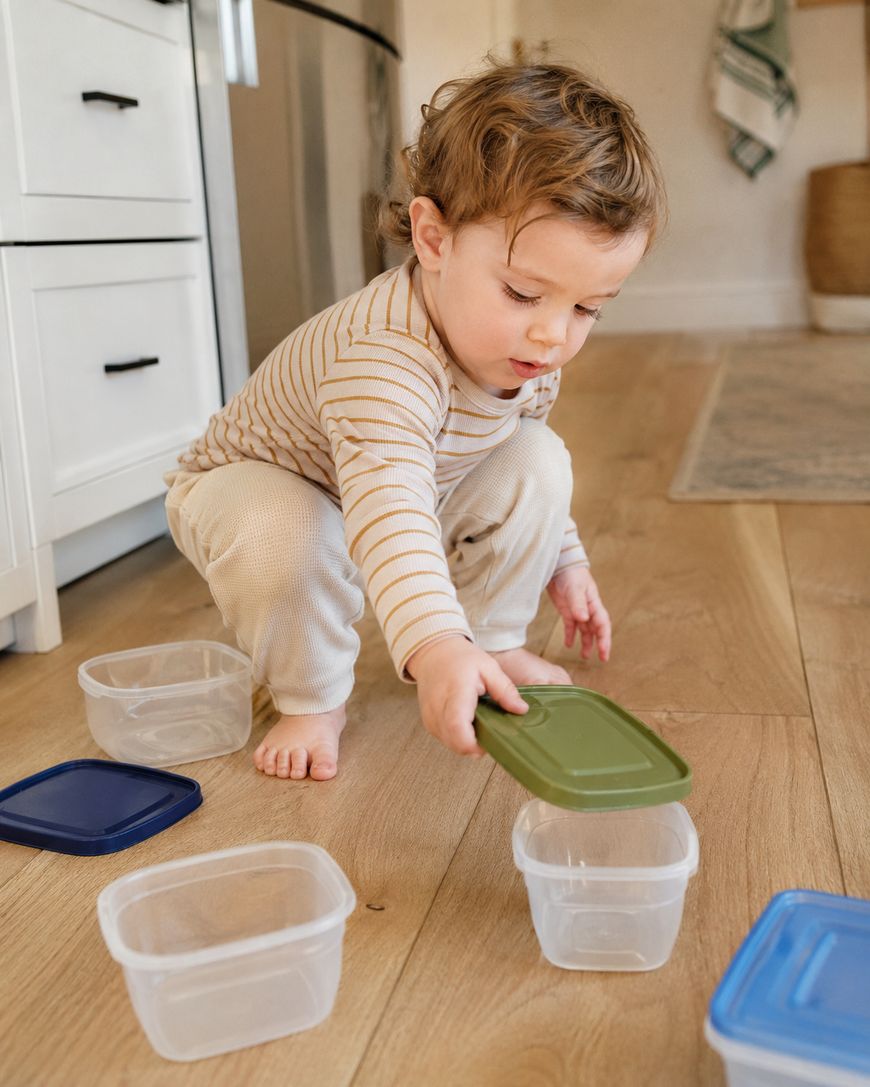
Matching games work the same way. Pair up socks from a laundry basket or match lids to containers of the right size.
These activities feel like games to your toddler, but they are quietly building visual discrimination and problem solving skills.
Keep sessions short, around five to ten minutes, since toddlers lose interest quickly once a task feels repetitive or too easy.
Common Questions About Toddler Learning
How much screen time is okay if we are doing these activities?
Most guidance suggests limiting screen time for toddlers to about one hour a day of high quality content. The activities above give you natural ways to fill more of the day with hands on learning instead.
How long should a learning activity last for a toddler?
Ten to fifteen minutes is realistic for most toddlers before attention naturally shifts elsewhere. Let your toddler lead and end the activity when they lose interest rather than pushing for a set time.
Do I need to buy special toys for these activities?
No. Household items like rice, socks, and cardboard boxes work just as well as store bought toys and often hold your toddler’s attention longer. Save your money and use what you already have around the house.
What if my toddler refuses to sit still for any activity?
Movement based activities like obstacle courses or dancing work better than seated tasks for toddlers who resist sitting down. You can also try shorter bursts of two to three minutes and build up gradually from there.
Is it normal for my toddler to want the same activity every day?
Yes, and repetition actually supports learning rather than working against it. Toddlers build mastery and confidence through repeated practice, so let them repeat a favorite activity as often as they want.
How do I know if an activity is actually helping development?
Look for small signs of progress like longer focus, new words, or steadier hand movements over a few weeks. You do not need formal testing. Consistent, varied play is doing its job even when progress feels gradual.
Bring These Activities Into Your Week
You do not need a curriculum or a shopping list to support your toddler’s learning right now.
Sensory bins, narration, movement, and sorting games all use items you already own, and each one builds a different skill your toddler needs.
Pick one learning activity for toddlers from this list and try it today, then rotate in another tomorrow so your toddler experiences variety without you needing to plan far ahead.
Small, consistent moments of play add up to real developmental progress over time.
Outdoor activities for toddlers



Leave a Reply