Last updated: October 13, 2026
The kids baking soda and vinegar experiment proves that some of the best science lessons come from things you already own.
It is quick, affordable, and endlessly repeatable, which makes it a reliable go-to on rainy afternoons or slow weekend mornings.
Grab your baking soda and vinegar today, pick a variation from this list, and let the kids discover the magic of chemistry for themselves.
How to Set Up the Experiment
Start by covering your workspace with a towel or tray.
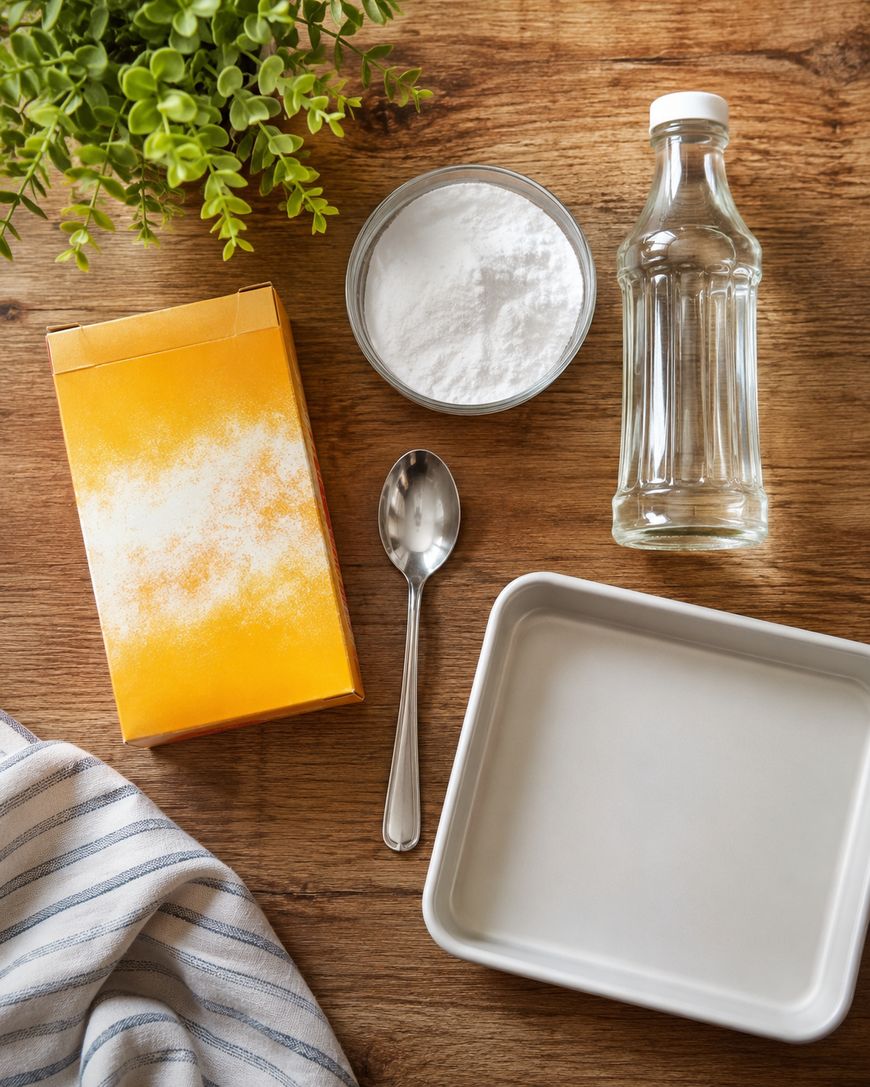
This experiment gets bubbly and a little messy, so a contained surface saves you cleanup time later.
Pour about a half cup of baking soda into a shallow bowl, cup, or tray.
Set out a small container of white vinegar next to it, along with a spoon or a dropper for little hands to control the pour.
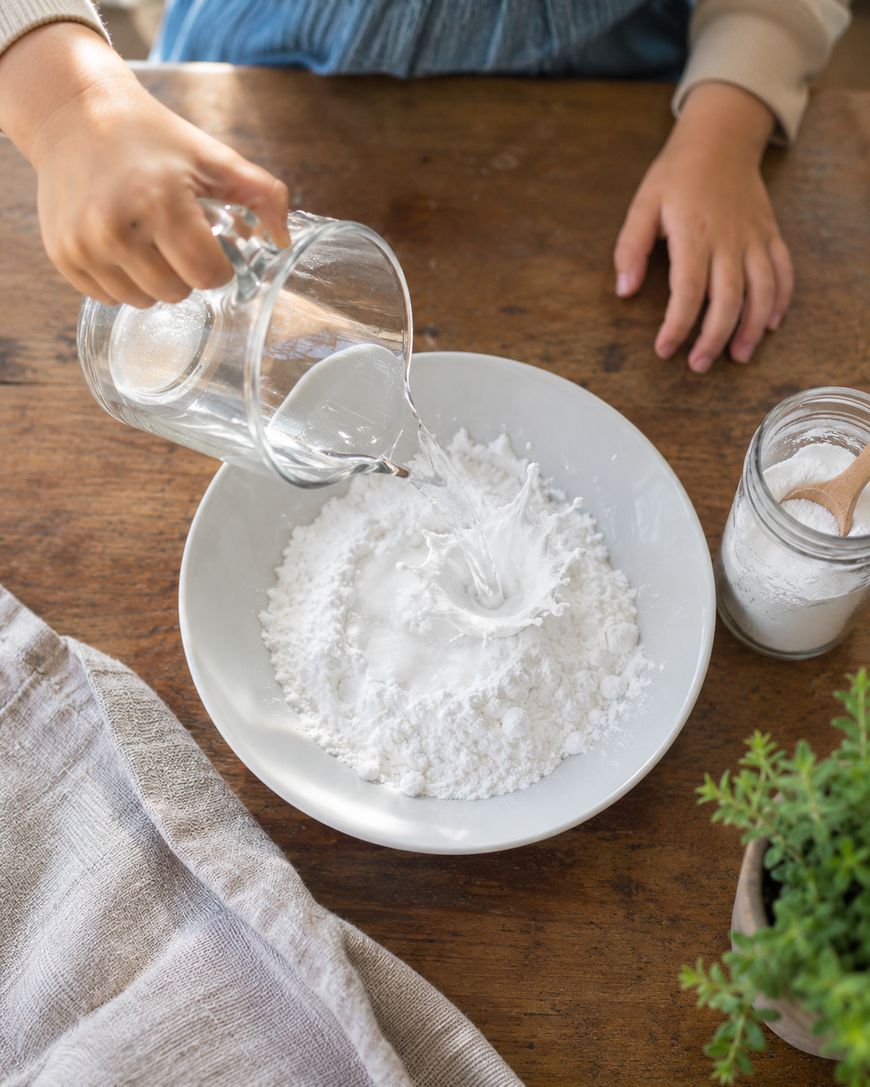
If you want a splash of color, add a few drops of food coloring directly into the vinegar before your child pours it.
Once everything is arranged, let your child pour the vinegar over the baking soda a little at a time.
The reaction happens instantly, with foam bubbling up and spilling over the edges of the container.
Encourage your child to pour slowly the first time so they can watch the fizz build, then let them dump the rest in for the big finale.
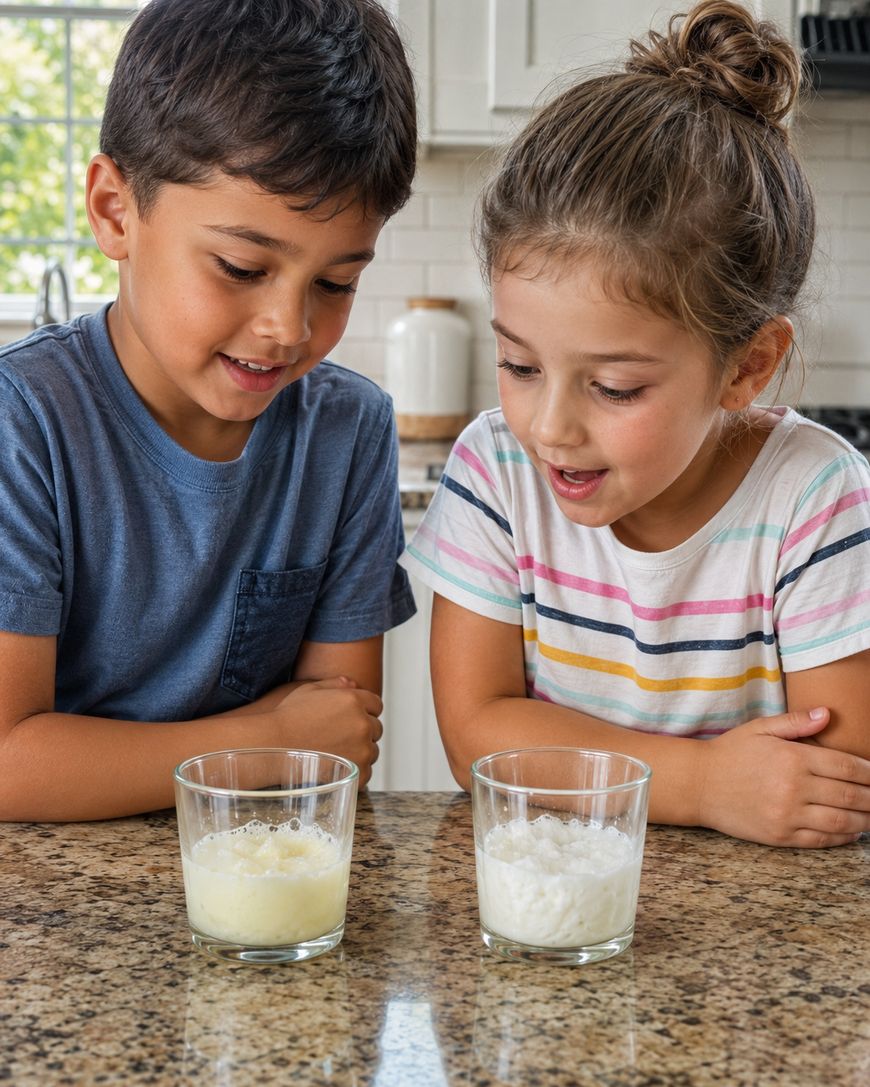
You can repeat the whole process as many times as you like since baking soda and vinegar are both cheap and easy to restock.
Many parents keep a box of baking soda and a bottle of vinegar dedicated just to this activity so it is always ready to go.
Why This Reaction Happens
Baking soda is a base and vinegar is a mild acid, and when they meet, they react to form carbon dioxide gas.
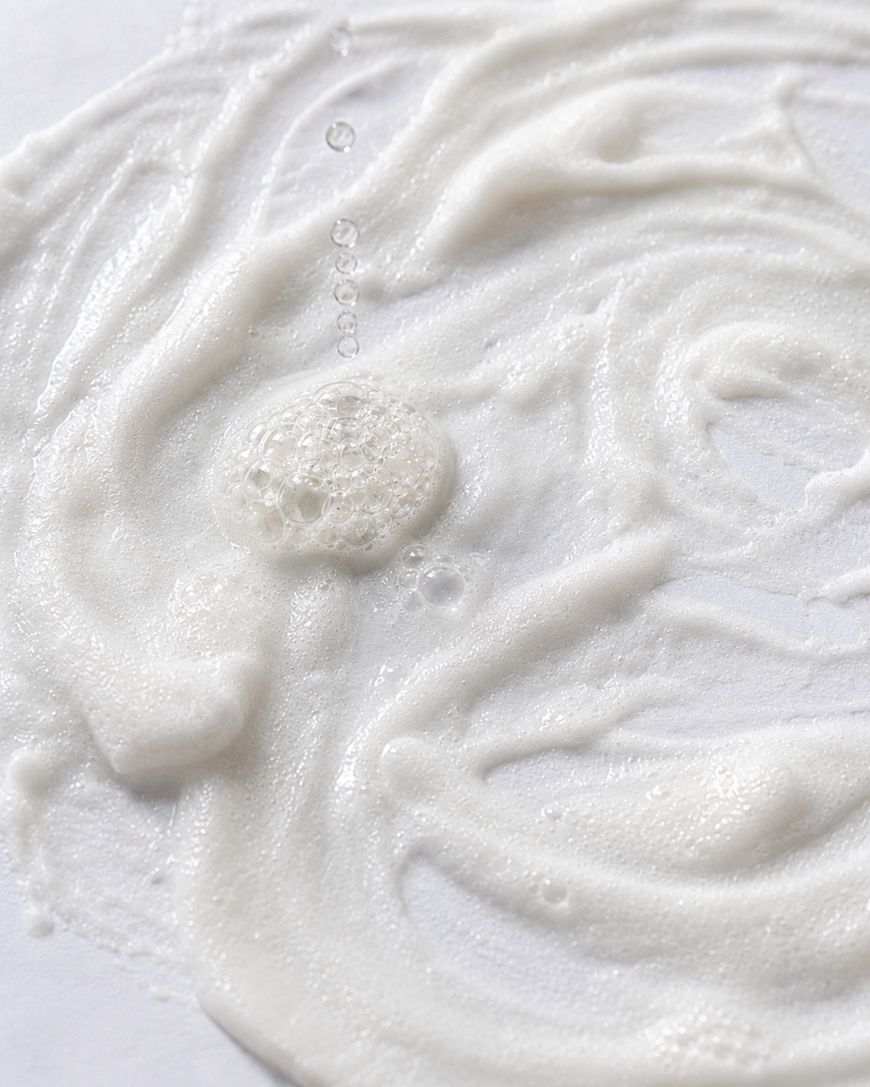
That gas is what creates all the bubbling and foaming you see happening in the container.
The reaction also produces water and a sodium acetate solution, though neither of those is nearly as exciting to watch as the fizz itself.
This is a genuine chemical reaction, not just a physical mixing of two liquids.
That distinction makes it a wonderful entry point for talking with kids about how substances can transform into something new.
You do not need to use scientific vocabulary if your child is very young.
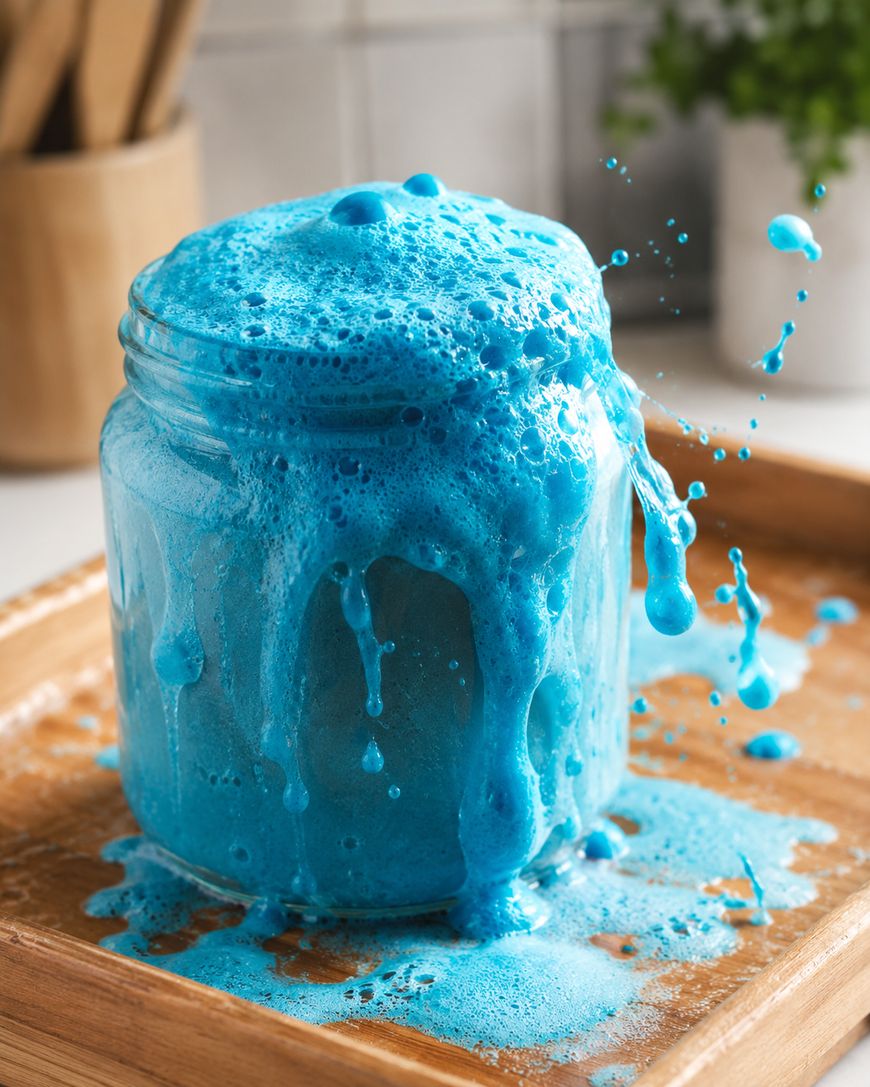
Simply describing it as “the bubbles are a gas escaping” is enough to plant the seed of curiosity.
Older kids can handle more detail, including the idea that acids and bases neutralize each other during a reaction like this one.
Talking through the why behind the fizz turns a fun moment into a memorable science lesson that sticks with kids far longer than a worksheet ever could.
Fun Variations to Try
Once your kids have mastered the basic version, there are plenty of ways to build on it.
Volcano Model
Shape modeling clay or a paper cone around a small cup to create a mini volcano.
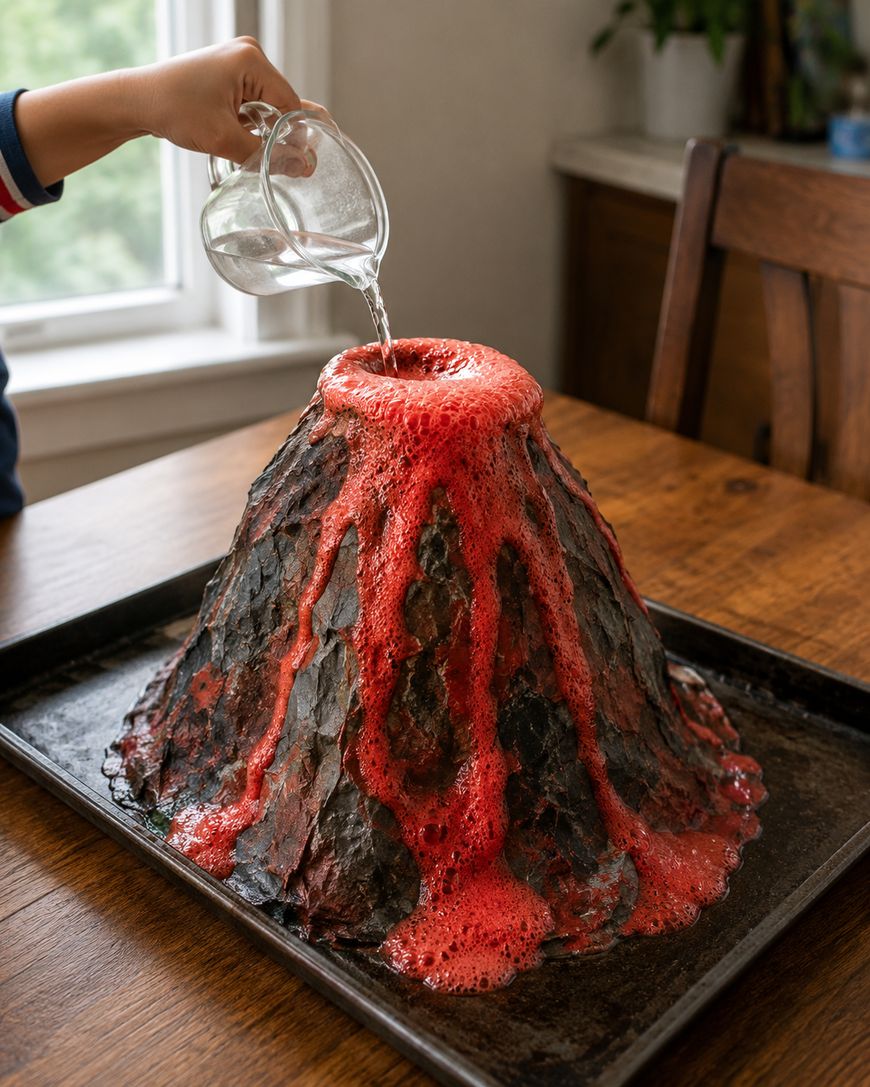
Place baking soda inside the cup, then pour in vinegar mixed with red food coloring to create a lava effect.
Fizzing Paint
Mix baking soda with a bit of water and food coloring to create a paint-like paste.
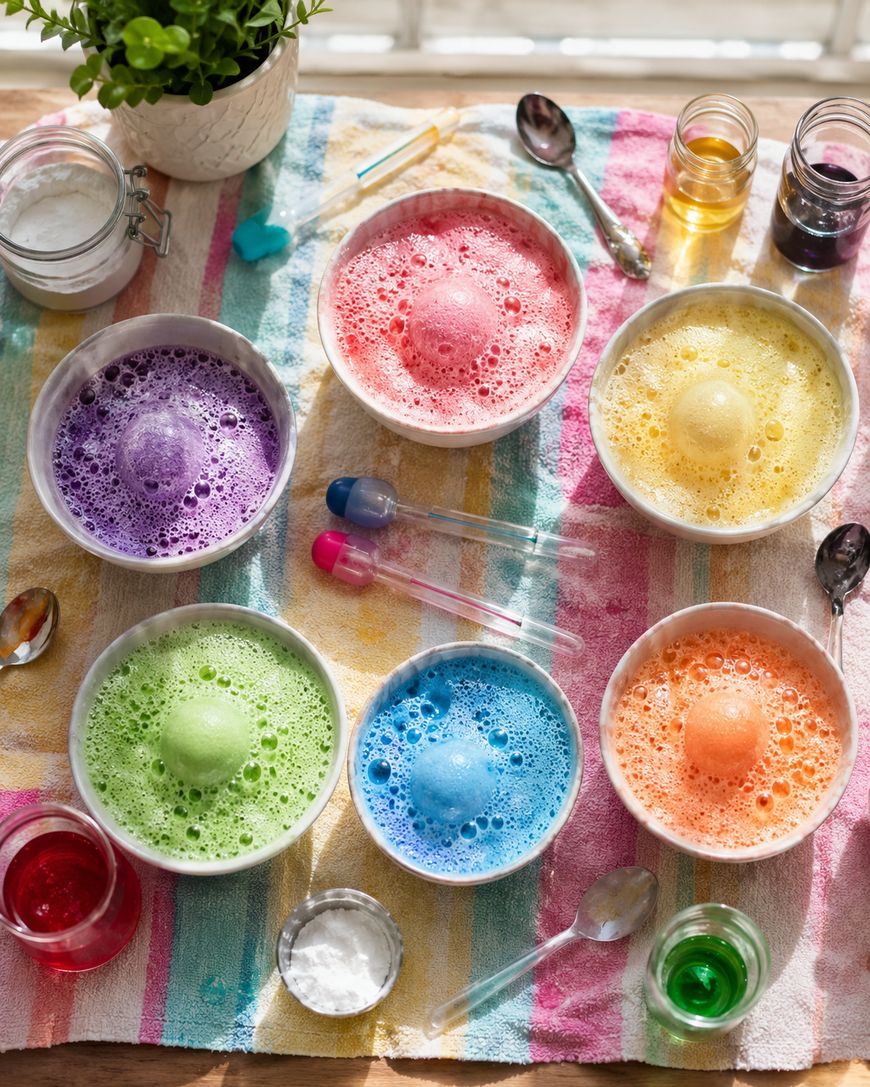
Let kids paint the mixture onto paper, then spray or drop vinegar on top to watch it bubble and spread.
Balloon Inflation
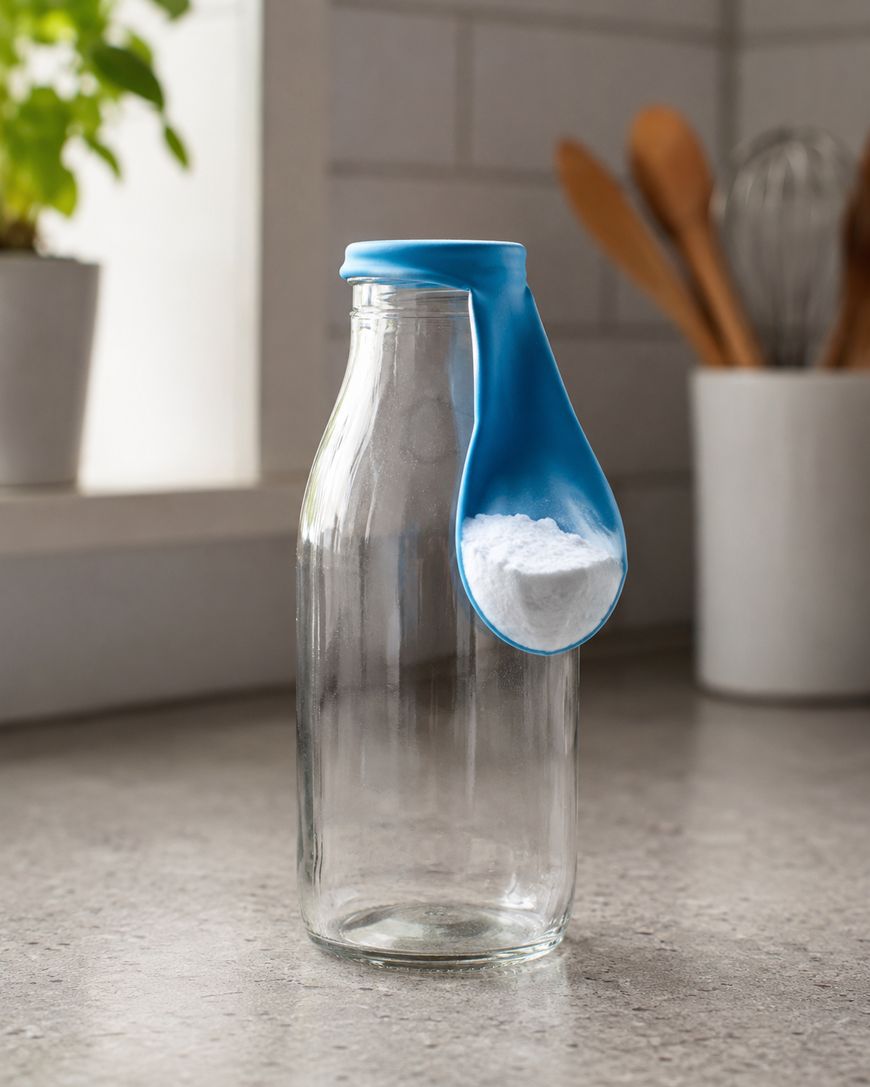
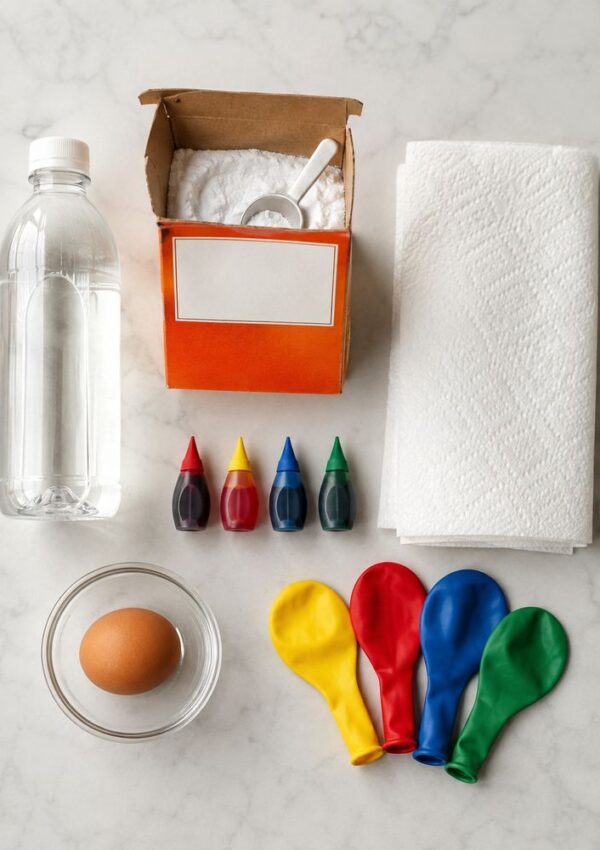
Stretch a balloon over the top of a bottle containing vinegar.
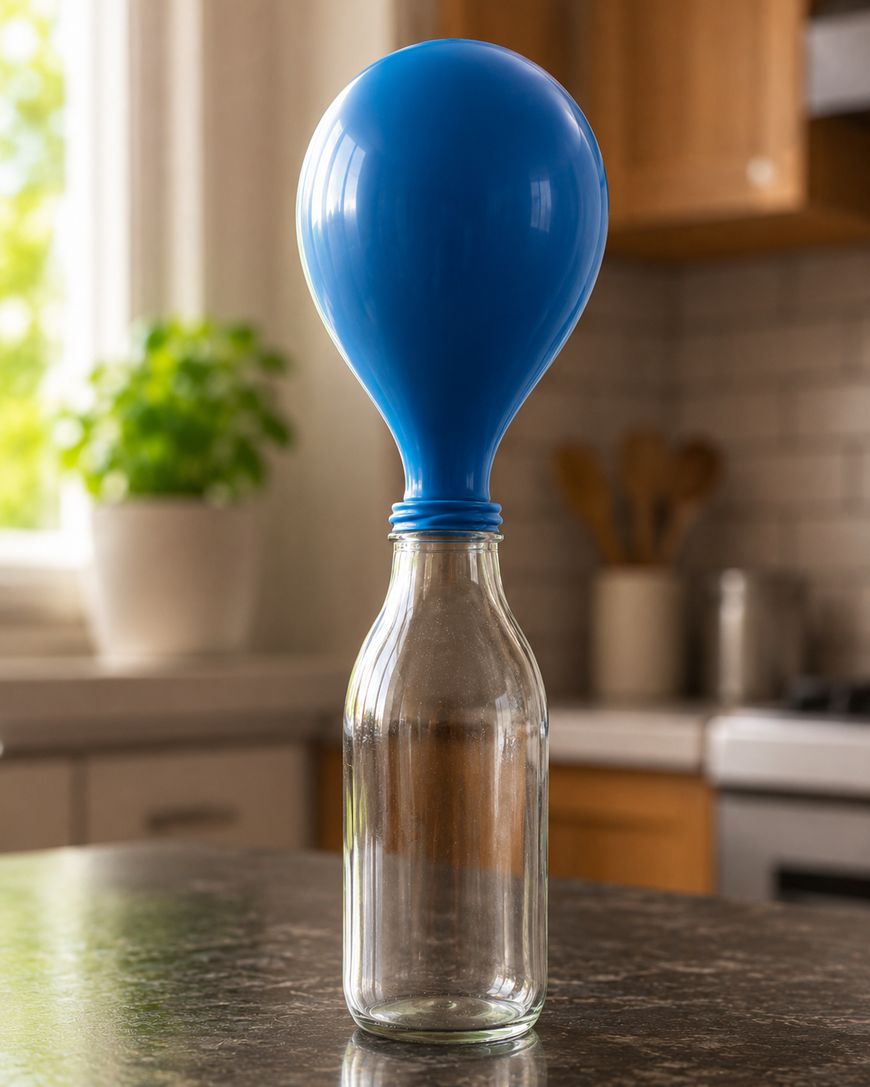
Fill the balloon with baking soda first, then flip it upright so the powder drops in and the gas produced inflates the balloon.
Frozen Reaction
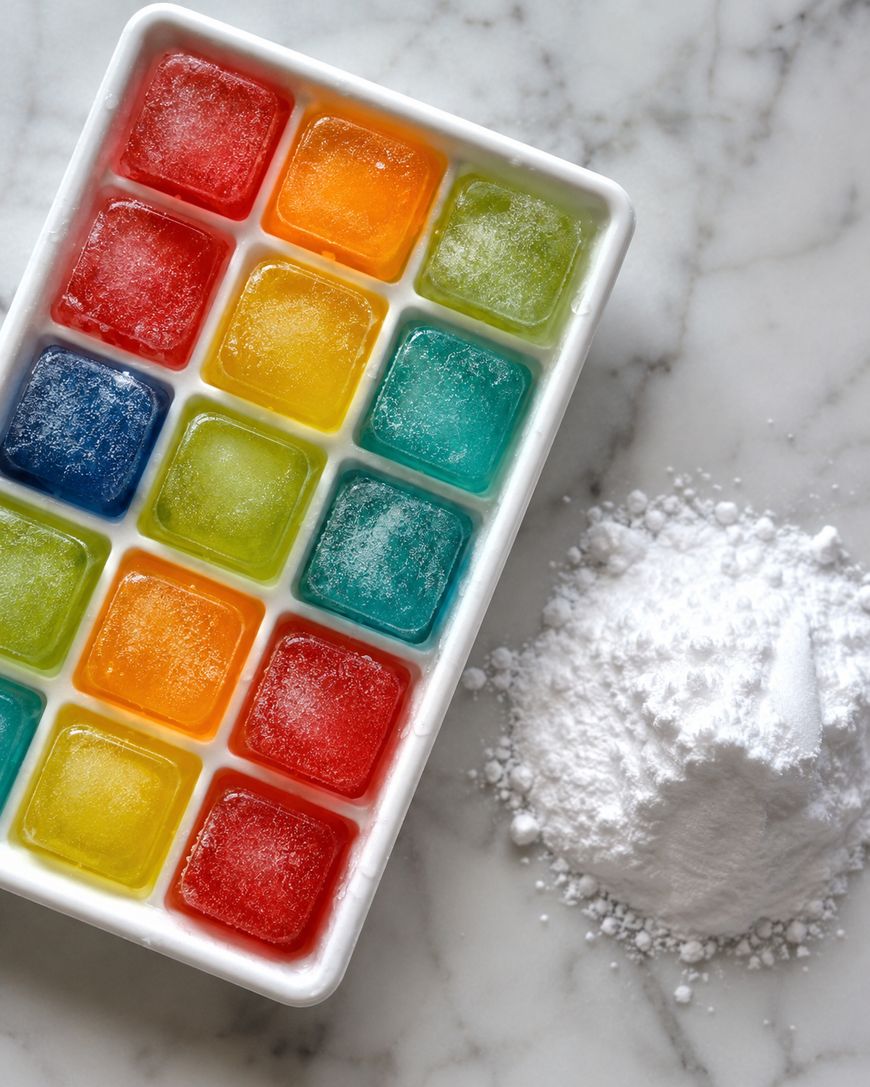
Freeze small containers of colored vinegar into ice cubes ahead of time.
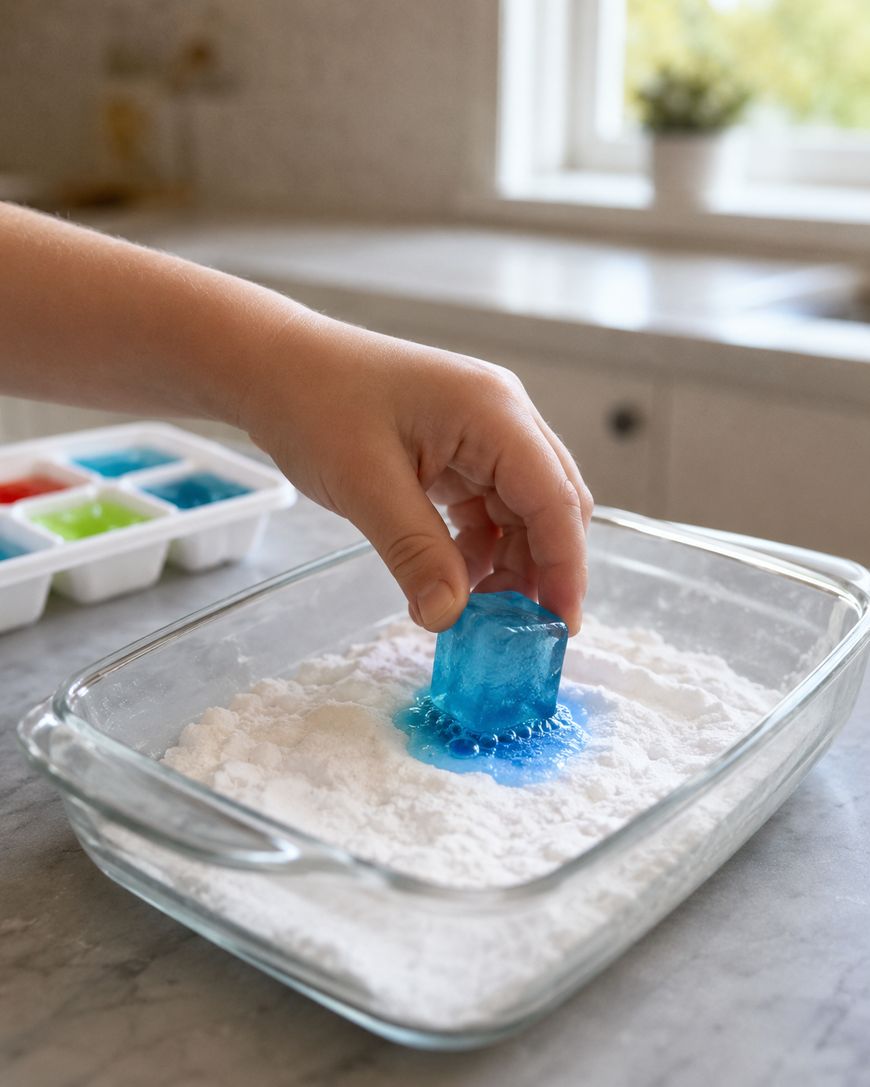
Let kids drop the frozen cubes onto a tray of baking soda and watch the reaction unfold slowly as the ice melts.
Each variation reinforces the same basic chemistry while keeping things fresh for kids who want to repeat the experiment again and again.
Tips for a Smoother Experience
Working outside or over a washable surface cuts down significantly on cleanup time.
Old baking sheets or plastic bins work well as containment trays for younger kids who tend to pour with enthusiasm rather than precision.
Warm vinegar reacts a bit more vigorously than cold vinegar, so experiment with temperature if you want a bigger fizz.
Keep in mind that vinegar has a strong smell, and some sensitive kids may need a little warning before they dive in.
Consider laying out safety goggles, even though this experiment is not dangerous.
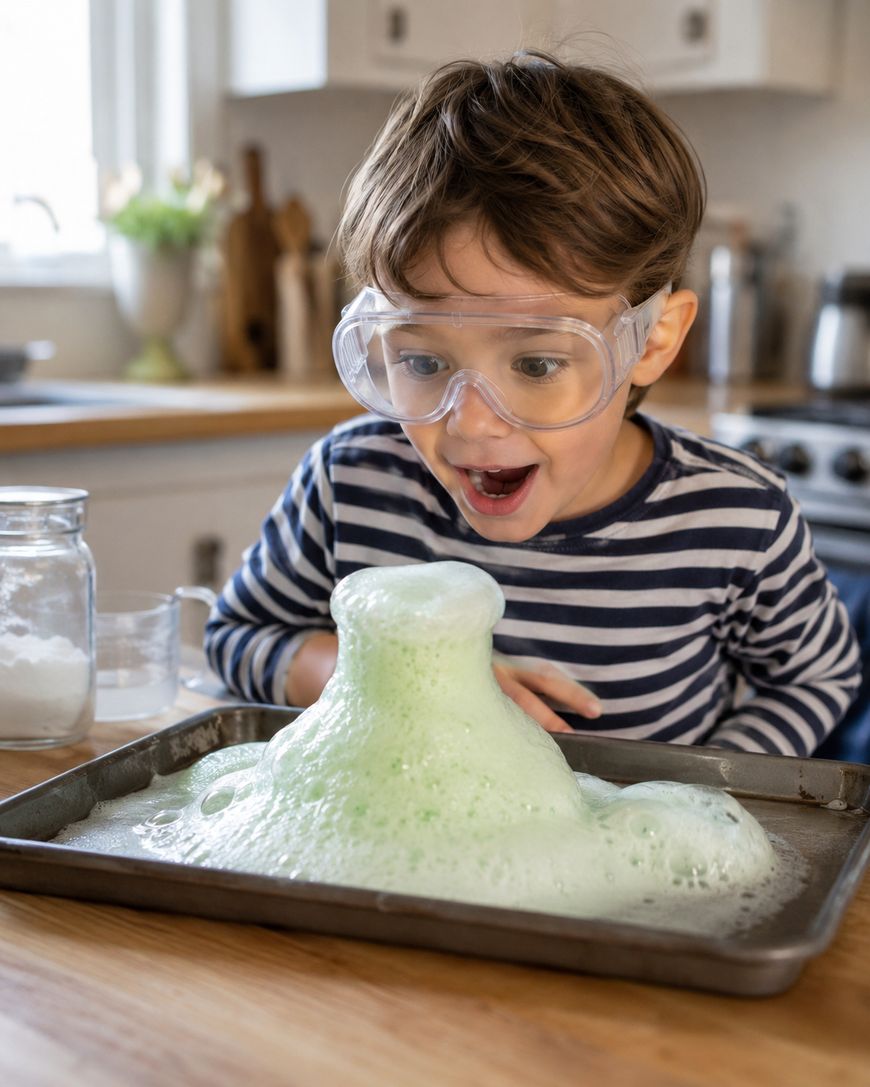
Kids love pretending to be real scientists, and goggles add to the fun while reinforcing good lab habits early on.
If you plan to do this activity indoors, keep a roll of paper towels within reach since the fizzing can travel further than expected.
Frequently Asked Questions
Is the baking soda and vinegar experiment safe for toddlers?
Yes, this experiment is safe for toddlers as long as an adult supervises the pouring and mixing.
Vinegar can sting if it gets in eyes, so keep a damp cloth nearby just in case.
Toddlers may need help controlling the pour, but they can absolutely take part in the fun.
How long does the reaction last?
The most active fizzing typically lasts between fifteen and thirty seconds depending on how much vinegar and baking soda you use.
Smaller amounts fizz out quickly, while larger batches keep bubbling for a bit longer.
You can always add more vinegar to restart the reaction if kids want to keep the fizz going.
Can we reuse the same baking soda for multiple rounds?
Once baking soda has fully reacted with vinegar, it loses its fizzing power and cannot be reused effectively.
For repeat rounds, simply add a fresh scoop of baking soda to the container.
This keeps costs low since baking soda is inexpensive and easy to buy in bulk.
Does the color of the food coloring affect the reaction?
Food coloring is purely for visual effect and does not change the chemistry of the reaction in any way.
Feel free to experiment with different colors or even mix a few together for a rainbow effect.
Kids often enjoy predicting what color the foam will turn out to be before pouring.
What is the best container to use for this experiment?
Clear plastic cups or glass jars work best because kids can watch the reaction happen from the side as well as from above.
Wide, shallow containers tend to contain the mess better than tall, narrow ones.
Avoid anything with a small opening unless you are specifically doing the balloon variation.
Can this experiment teach kids about acids and bases beyond just vinegar and baking soda?
Absolutely, this experiment is a great launching point for exploring other common acids and bases found around the house.
Try testing lemon juice, water and baking soda paste side by side to compare fizzing strength.
Kids start to notice patterns in what reacts strongly and what does not react at all.


Leave a Reply