Last updated: October 13, 2026
Looking for educational activities for kids that actually hold their attention? Below you will find eight easy, hands-on ideas that use things you already have at home, plus answers to the questions parents ask most.
Each idea works for a quiet afternoon, a rainy weekend, or a few spare minutes before dinner.
Hands-On Science Educational Activities for Kids
Science is one of the easiest subjects to bring into your kitchen because so many everyday items can become part of an experiment. These two activities need almost no setup and give your child plenty to see, touch, and talk about.
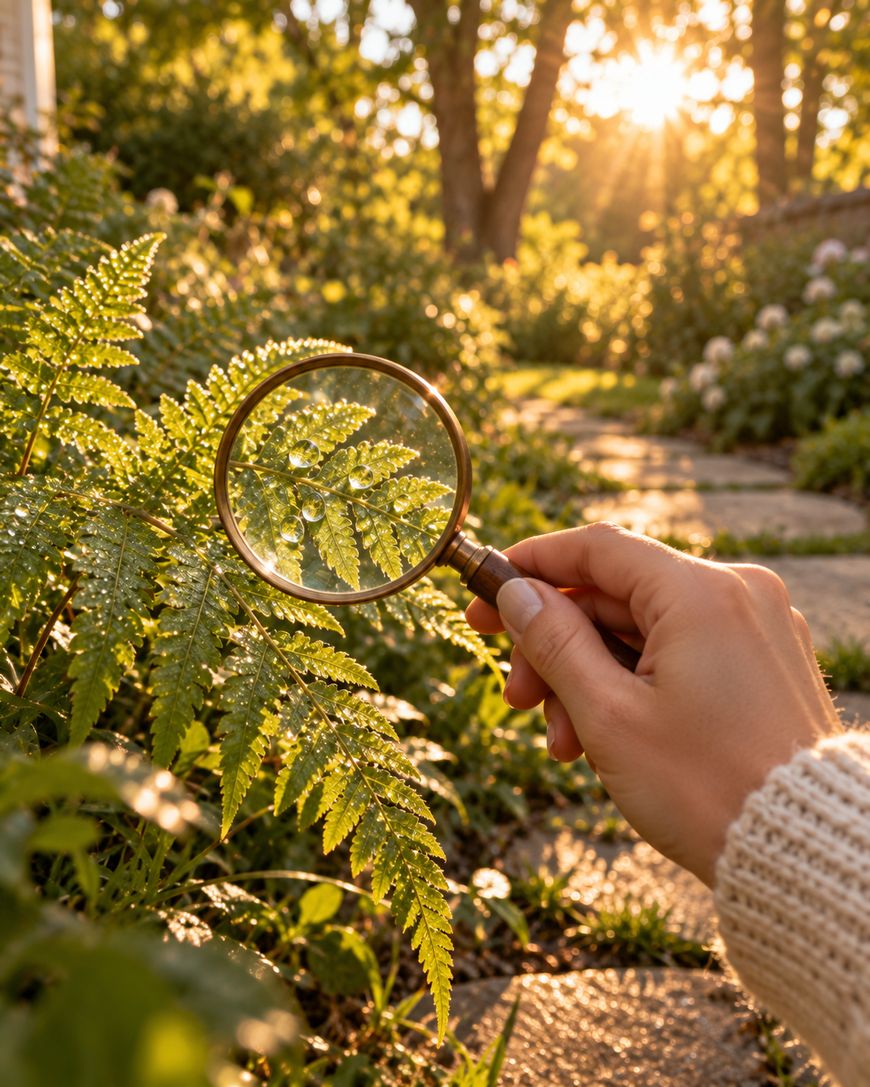
Sink or Float Experiment
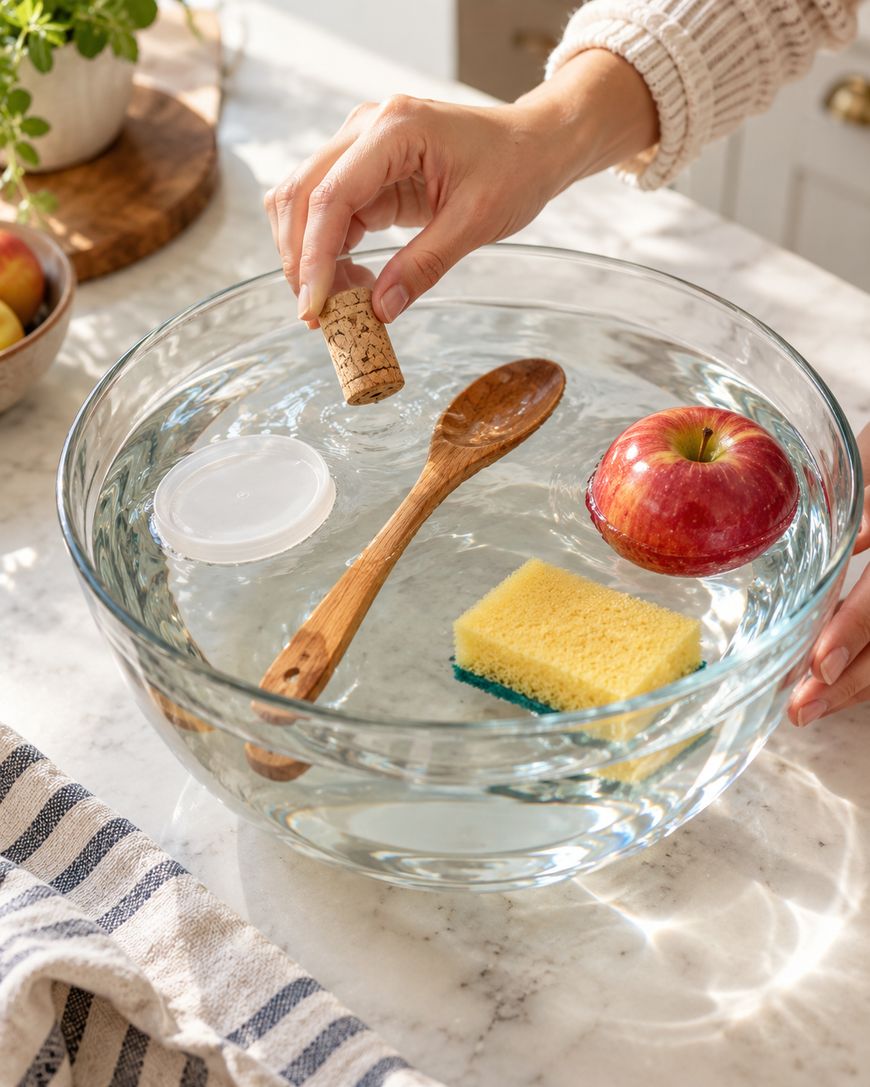
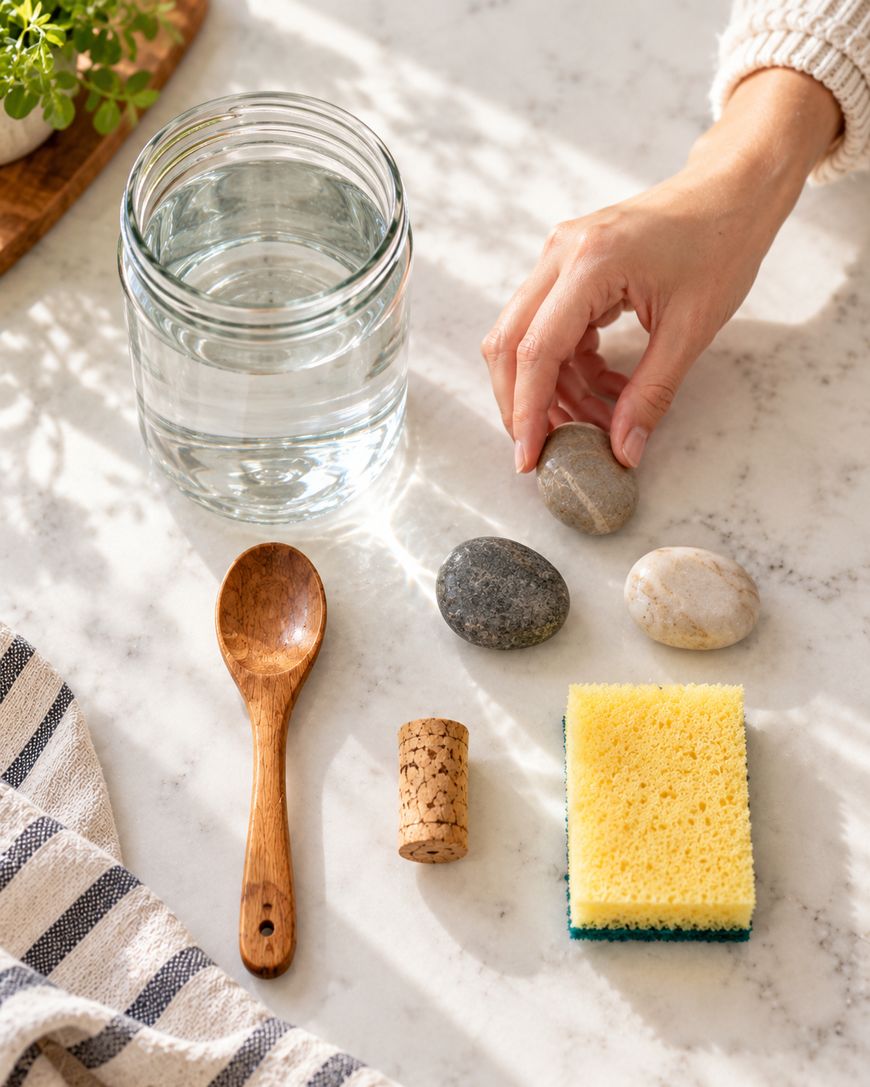
Fill a large bowl or the kitchen sink with water. Then gather a few household items such as a spoon, a cork, a plastic lid, a sponge, and an apple.
Before anything goes into the water, ask your child to guess whether each item will sink or float. Write the guesses on a sheet of paper so you can compare them afterward.
Drop the items in one at a time and talk about what you see. Sort the results into two piles so your child can spot the pattern.
Choose items that are large enough that they are not a choking risk, and stay close while your child plays with water. The real goal is practicing how to guess, test, and explain, so you do not need a perfect scientific answer.
Baking Soda and Vinegar Volcano
Set a small cup inside a baking pan or on the grass outside, then add a few spoonfuls of baking soda. Pour in some vinegar and watch the fizzy eruption spill over the sides.
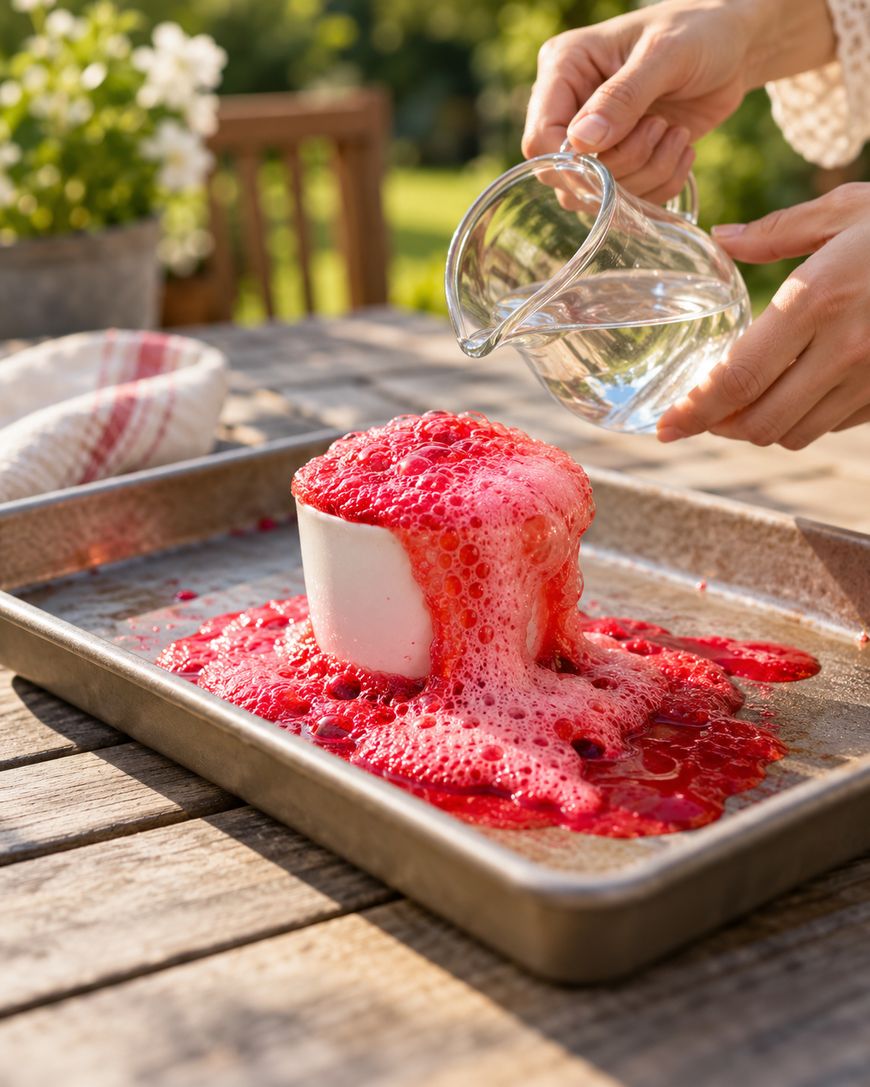
This is a classic because the reaction happens quickly and the result is easy to see. Keep it outdoors or in the sink, keep faces back from the cup, and stay with your child the whole time.
Once the first eruption is over, let your child decide what to try next. Change only one thing at a time, such as adding more baking soda or a few drops of food coloring, so your child learns what caused each result.
Math and Reading Educational Activities for Kids at Home
You do not need worksheets to build early math and reading skills. A little pretend play and a pile of homemade cards can do just as much.
Pretend Grocery Store Math
Turn a shelf or tabletop into a tiny shop using empty boxes and pantry items. Add sticky notes with simple prices and give your child some play money to spend.
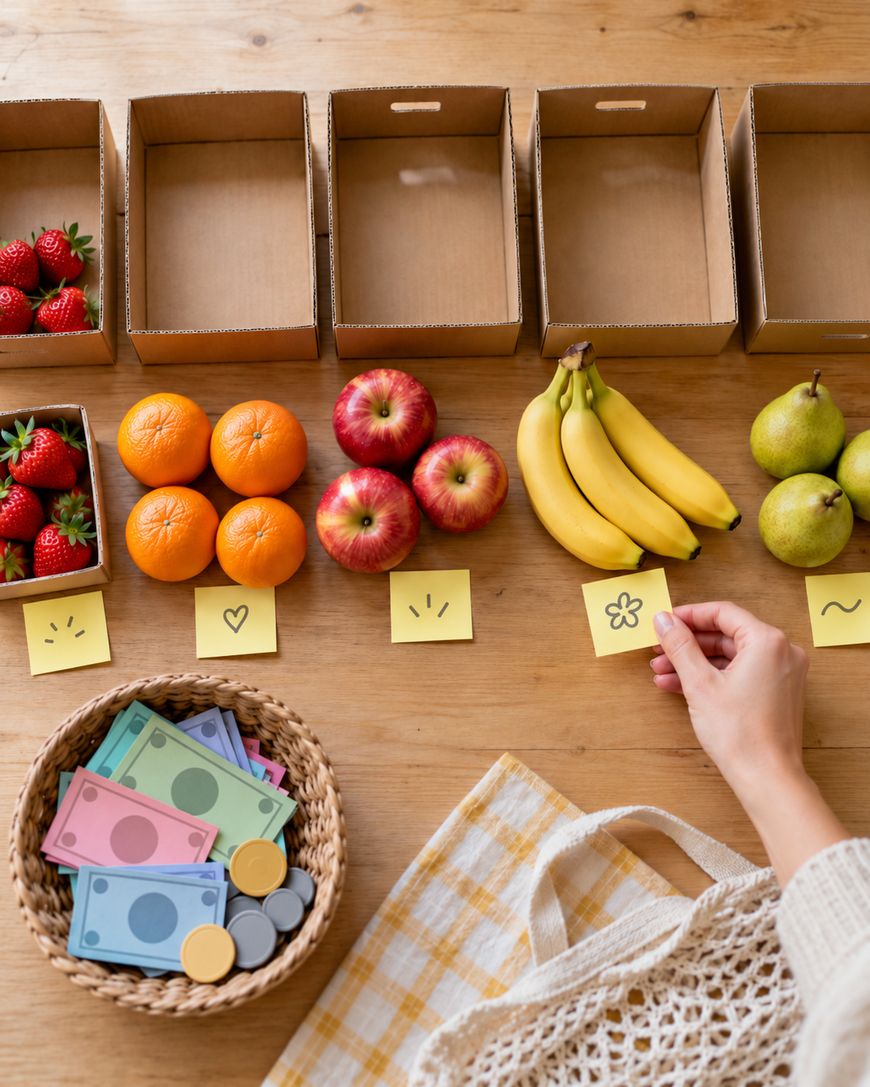
Let your child take turns as the shopper and the cashier. The cashier has to add up the total and count out change, which is real practice with addition and subtraction.
Ask questions as you play, such as which item costs the most or how much you would need to buy two of something. Swap roles halfway through so your child gets to practice both sides of the counter.
Story Stones
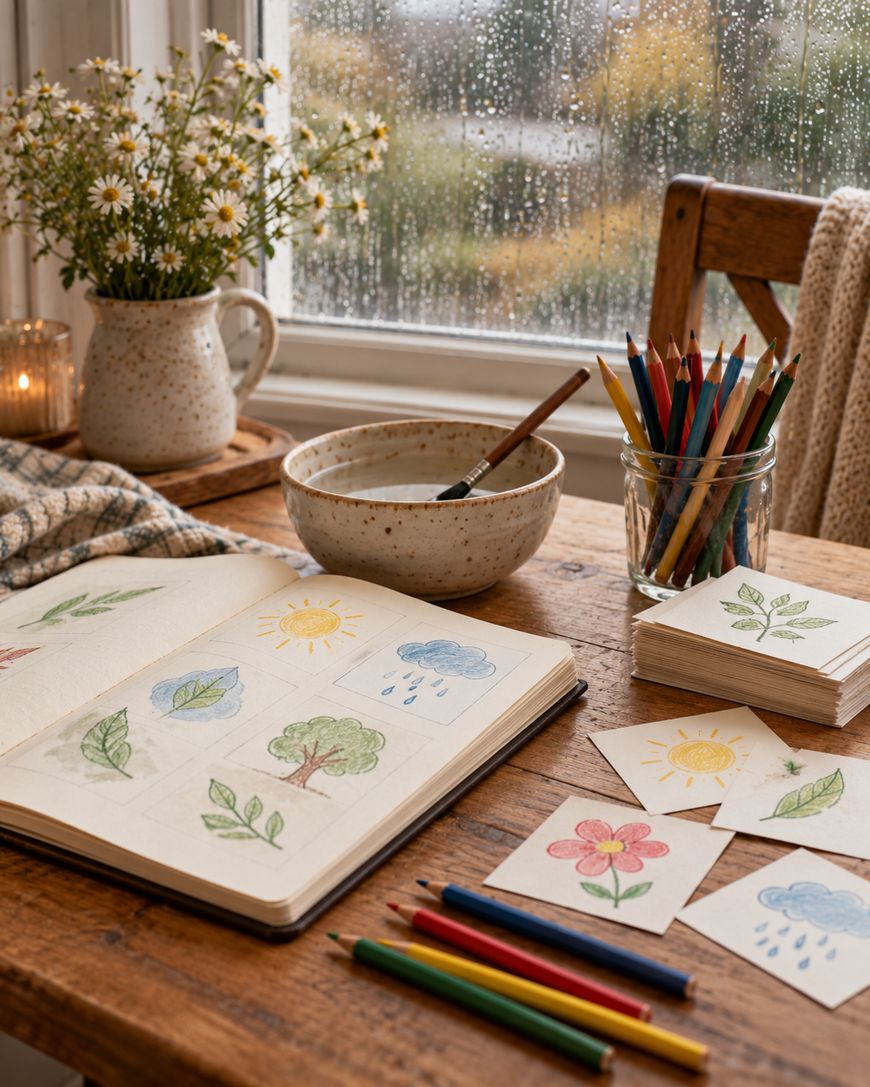
Cut a stack of paper cards or cardboard circles and have your child draw a simple picture on each one. Good choices include a house, a dog, a moon, a key, and a boat.
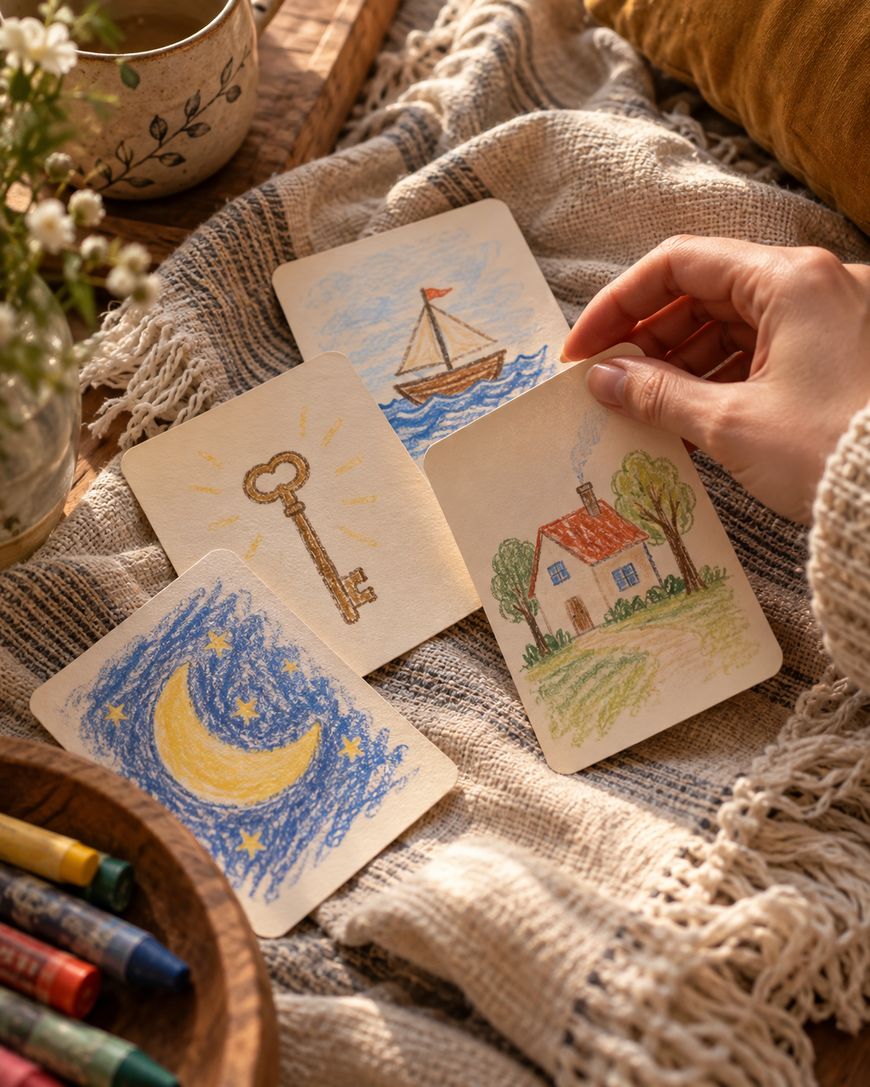
Place the cards face down, then take turns flipping one over and adding a sentence to a shared story. The story can get silly very quickly, and that is exactly what makes it fun.
Younger children practice vocabulary and listening, while older children can write the story down afterward. Keep the cards in an envelope so you can reshuffle them for a brand new tale next time.
Outdoor Educational Activities for Kids
Fresh air makes almost any lesson feel more exciting. These two outdoor ideas turn a backyard, a park, or even a walk around the block into a learning space.
Nature Scavenger Hunt
Before you head outside, draw or write a handful of things for your child to find. Ideas include a smooth leaf, something yellow, a feather, a bumpy rock, and an insect on a plant.
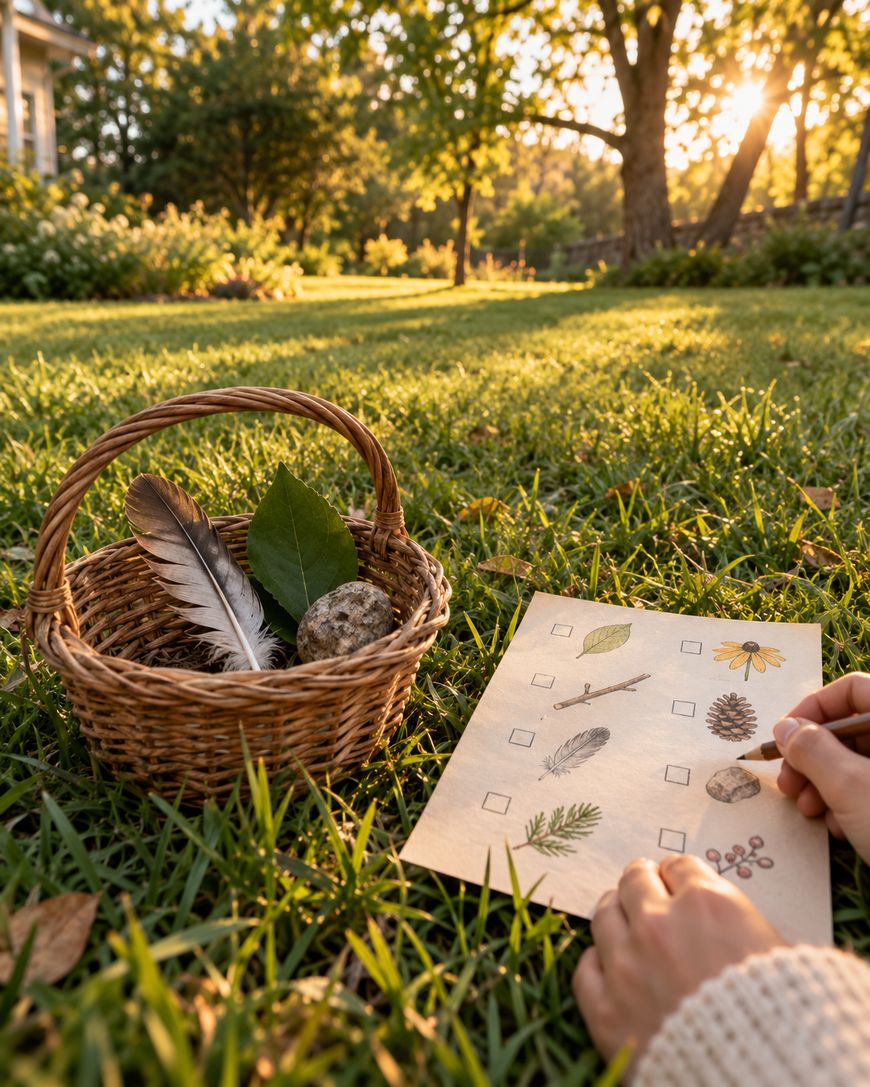
Give your child a small bag or basket to carry any finds, and let them lead the way. Younger children can match pictures, while older children can sort their finds into groups and describe how they are alike and different.
Remind your child to look without tasting, and only pick things up that a grown-up says are safe. Take a photo instead of picking anything that is alive, so the plants and insects stay where they belong.
Shadow Tracing
On a sunny day, set a large sheet of paper on the ground or use sidewalk chalk. Place a toy or a stuffed animal in the light and have your child trace the outline of its shadow.
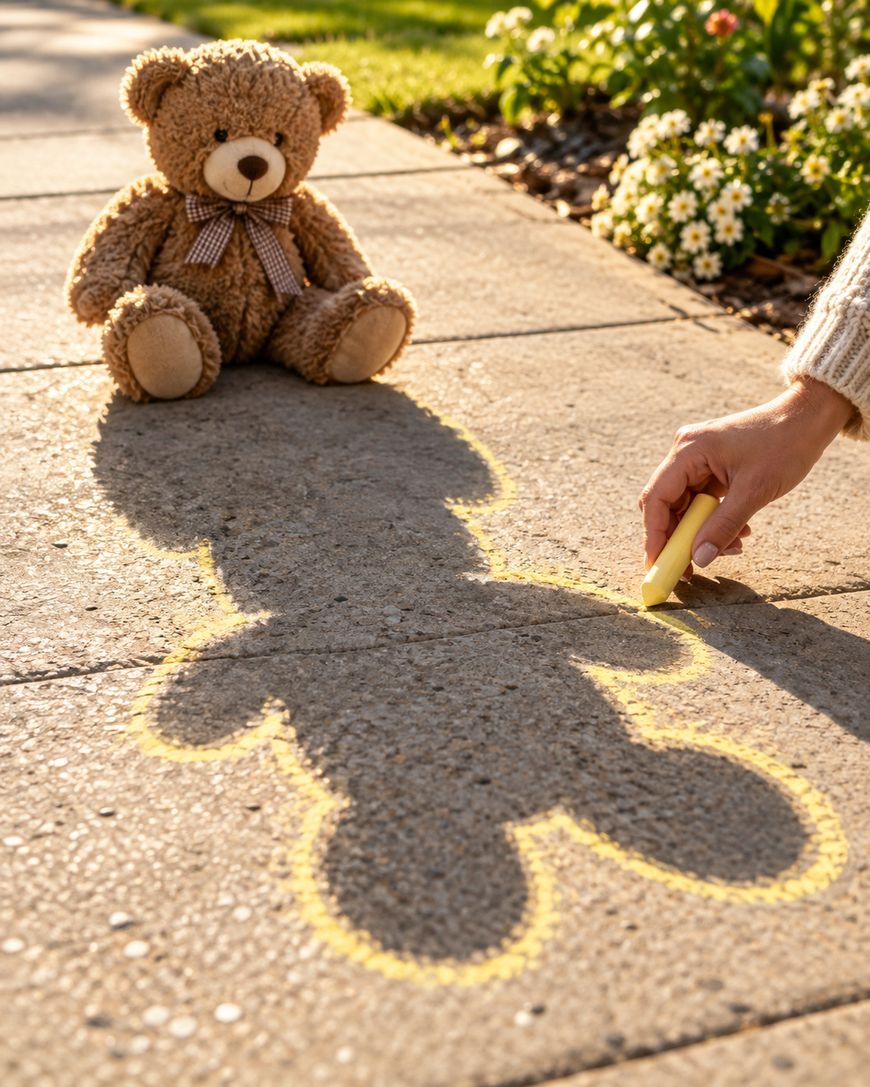
Come back a few hours later and trace the shadow again. Your child will see that it has moved and changed shape, which opens up a great conversation about how the sun travels across the sky.
Never look straight at the sun while you do this, and keep the focus on the shadows on the ground. Let your child try with their own body, too, which usually leads to a lot of giggles.
Quiet Indoor Educational Activities for Kids on Rainy Days
When the weather keeps you inside, calm projects can fill the hours without any screens. These two ideas build observation skills and teach children to notice the world around them.
Draw a Map of Your Home
Give your child a big sheet of paper and a pencil, then ask them to draw a map of a room or even the whole house. Encourage them to include the doors, windows, and large furniture from above, as if they were a bird looking down.
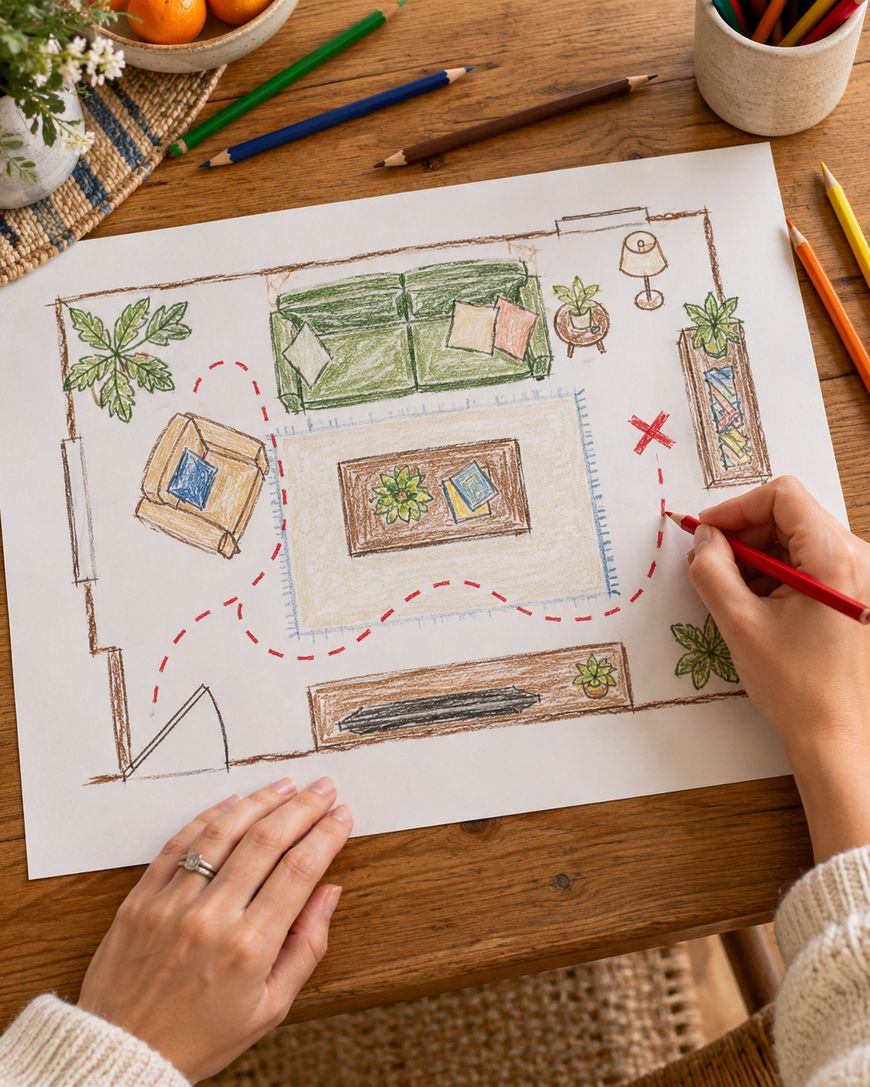
Talk about how a map shows where things are in relation to one another. Add a treasure marker somewhere on the map, hide a small prize in that spot, and let a sibling or parent follow the map to find it.
This simple project builds spatial thinking, drawing, and early reading skills all at once. Older children can add a key that explains the symbols they chose.
Weather Journal
Keep a small notebook by the window and ask your child to record the weather each day. They can draw a sun, a cloud, or raindrops, and add a short sentence about how the day felt.
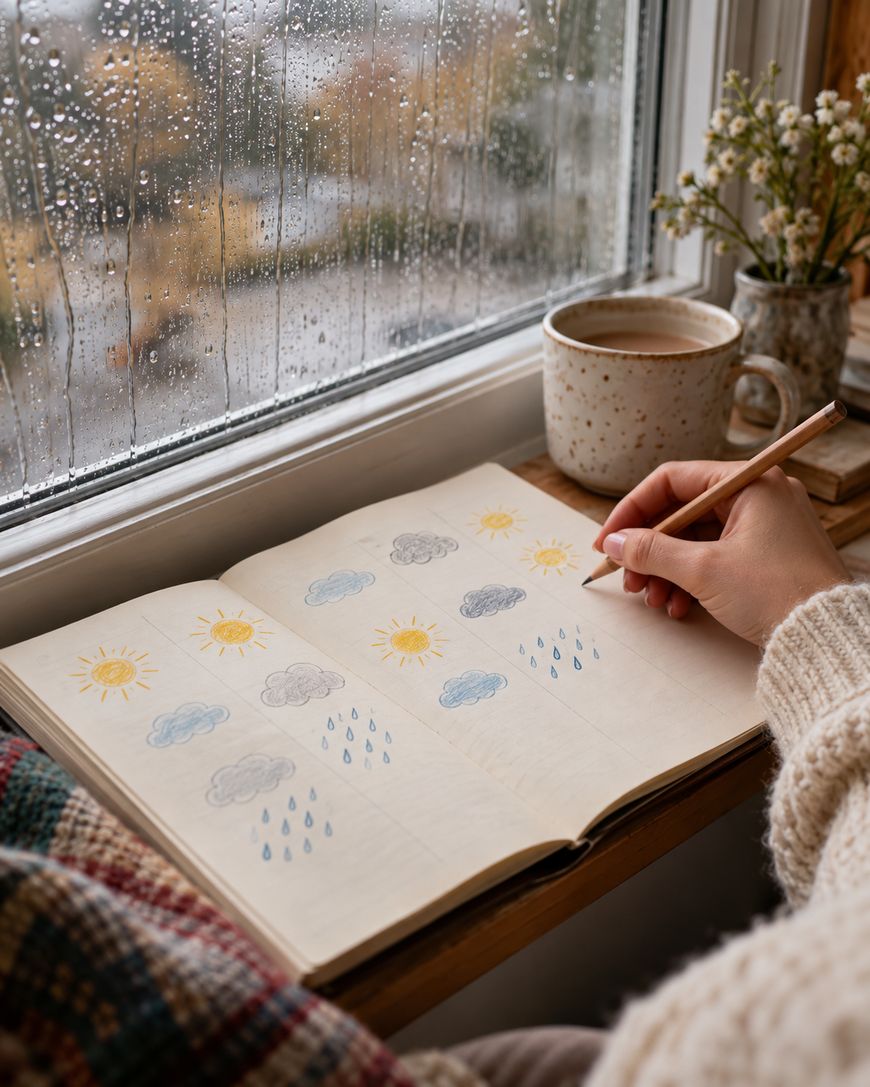
After a couple of weeks, flip back through the pages together. Ask what patterns your child notices and whether they can guess what tomorrow might bring.
A weather journal builds writing habits in a low-pressure way because the entries stay short. It also gives your child a small daily routine that they can own.
Why Educational Activities for Kids Are Worth the Effort
Children tend to remember what they have touched, tried, and talked about. Hands-on play lets them practice asking questions, making guesses, and noticing what happens next.
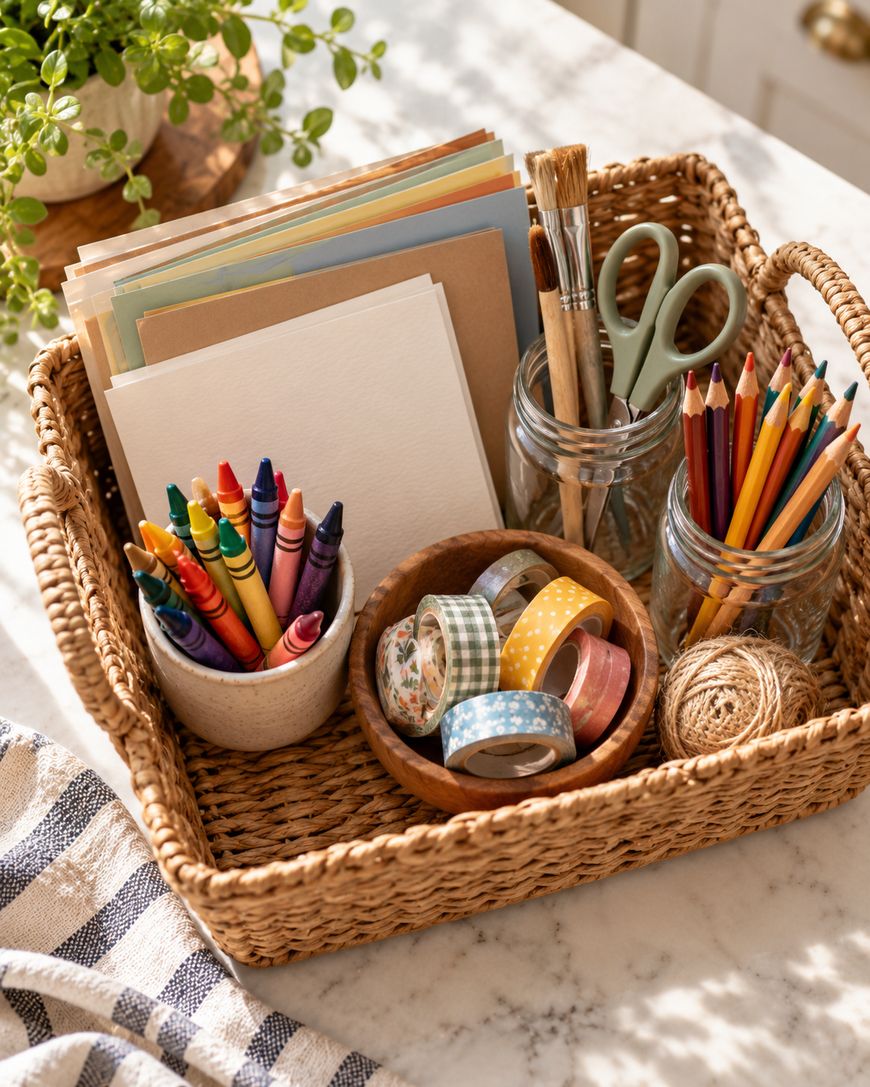
We also like these ideas because they do not require special training or expensive supplies. Keep a basket of basic supplies ready, with paper, crayons, tape, scissors, and a few recycled containers, so you can start an activity the moment inspiration strikes.
Shared activities also give you a chance to sit beside your child and see how they think. Those small moments of attention often matter just as much as the lesson itself.
Common Questions About Educational Activities for Kids
How long should an activity last?
Let your child’s interest set the pace instead of a clock. Some activities wrap up in a few minutes, while others stretch into a whole afternoon.
Do I need to buy special supplies?
Almost every idea in this post uses items from your kitchen, recycling bin, or yard. Paper, pencils, and a few containers will take you a long way.
How do I adjust activities for different ages?
Younger children need closer supervision, larger items, and simpler goals. Older children can take on more of the planning, writing, and measuring themselves.
What if my child loses interest halfway through?
That is completely normal, so you can pause and come back later or move on to something else. Try asking your child what they would like to change, since a little ownership often brings the excitement back.
How often should we do these activities?
There is no magic number, so choose a rhythm that fits your family. Even one or two relaxed sessions a week can add up over time.
Start Your Favorite Educational Activities for Kids Today
You now have eight simple ways to turn ordinary moments into learning time, and none of them need a trip to the store. Pick the one that matches your child’s current interests and give it a try this week.
If you are not sure where to begin, start with the sink or float experiment or the nature scavenger hunt, since both need almost no setup. Notice what your child enjoys most, and then build more educational activities for kids around those favorites.
Cozy afternoons at home can become the moments your child remembers best. Grab a sheet of paper and a pencil today, and let the curiosity lead the way.
Science Experiments for Kids That Turn Curiosity Into Learning



Leave a Reply