Last updated: August 4, 2026
You want baby sensory activities that are easy to set up and actually keep your little one engaged for more than thirty seconds.
Below you will find simple ideas using items you likely already own, plus tips for timing and safety.
We will also answer the questions parents ask most about sensory play.
Easy Baby Sensory Activities to Try Today
The fastest way to start is with a texture basket.
Fill a shallow bin with a few safe household items like a wooden spoon, a soft washcloth, a crinkly piece of fabric, and a silicone spatula.
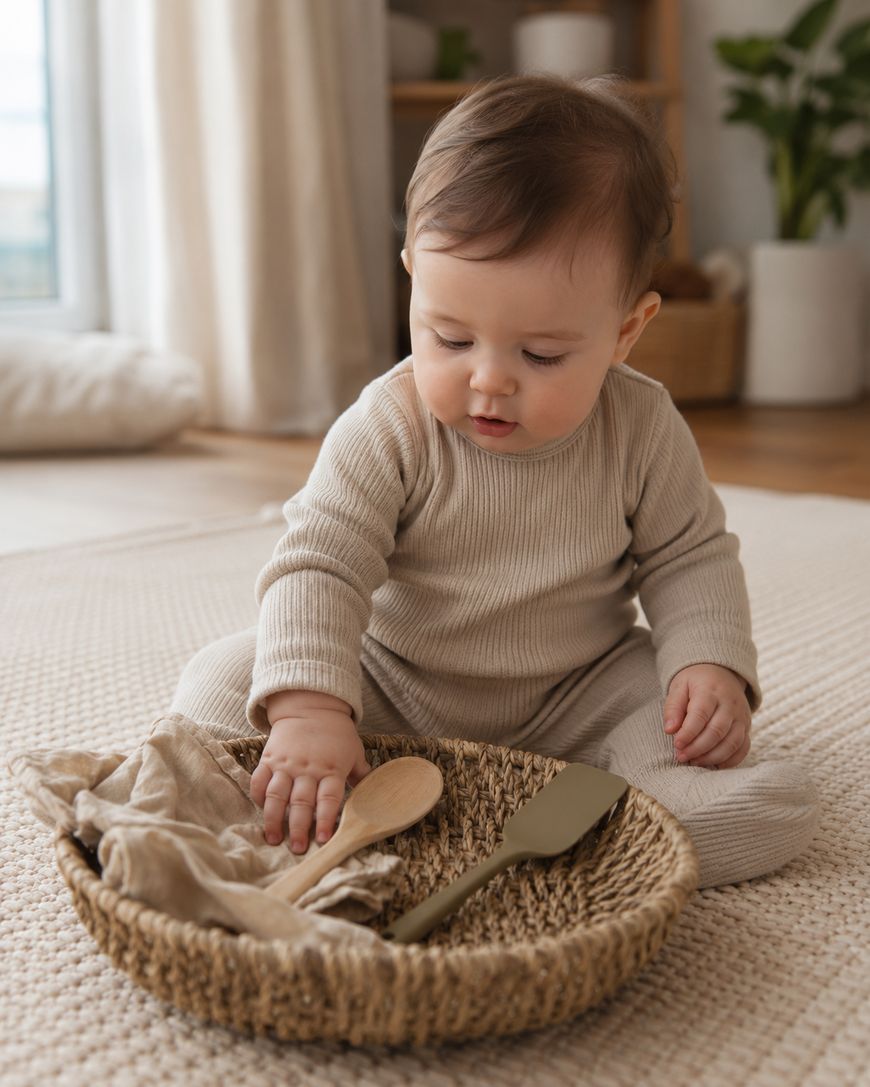
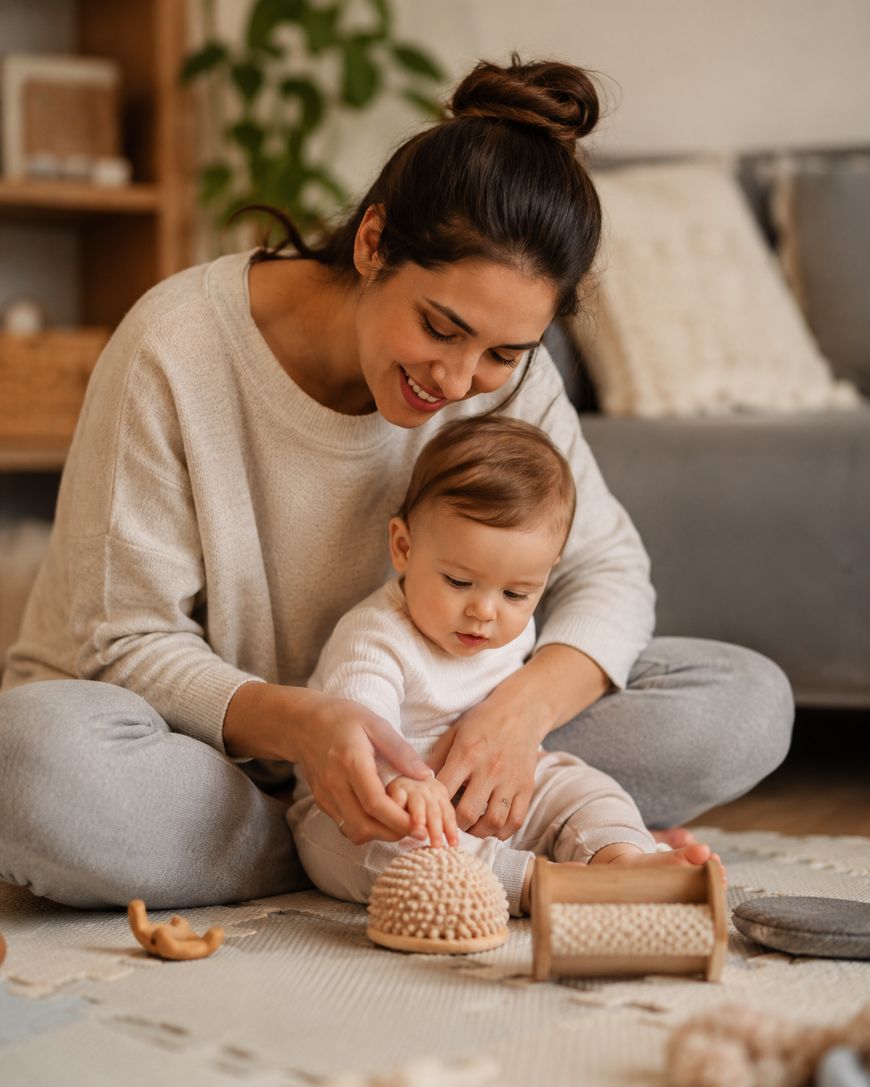
Sit your baby on your lap or prop them with support and let them reach for each item one at a time.
Narrate what they are touching in a calm, warm voice, since your voice is part of the sensory experience too.
Another simple option is a “sensory bag.”
Fill a quart-size freezer bag with hair gel or water beads, seal it tightly with tape, and let your baby press and squish it flat on the floor.
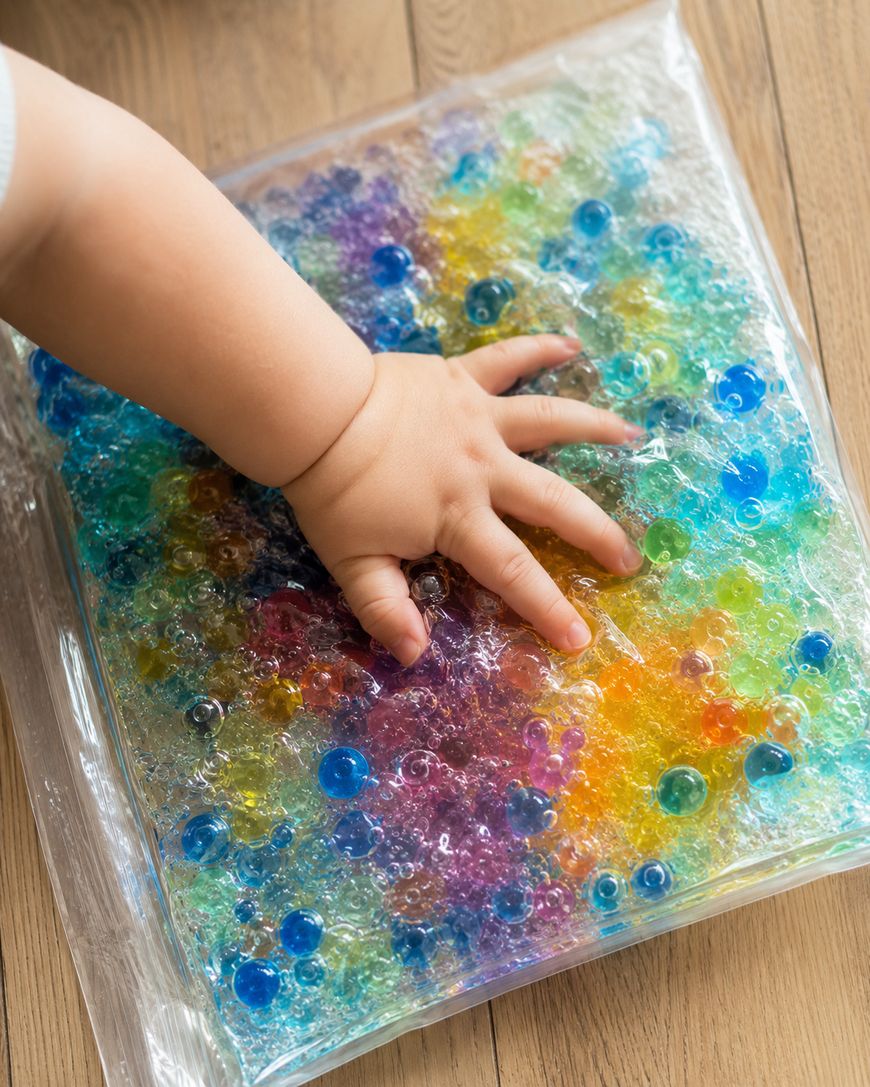
This keeps mess contained while still giving your baby a rich tactile experience.
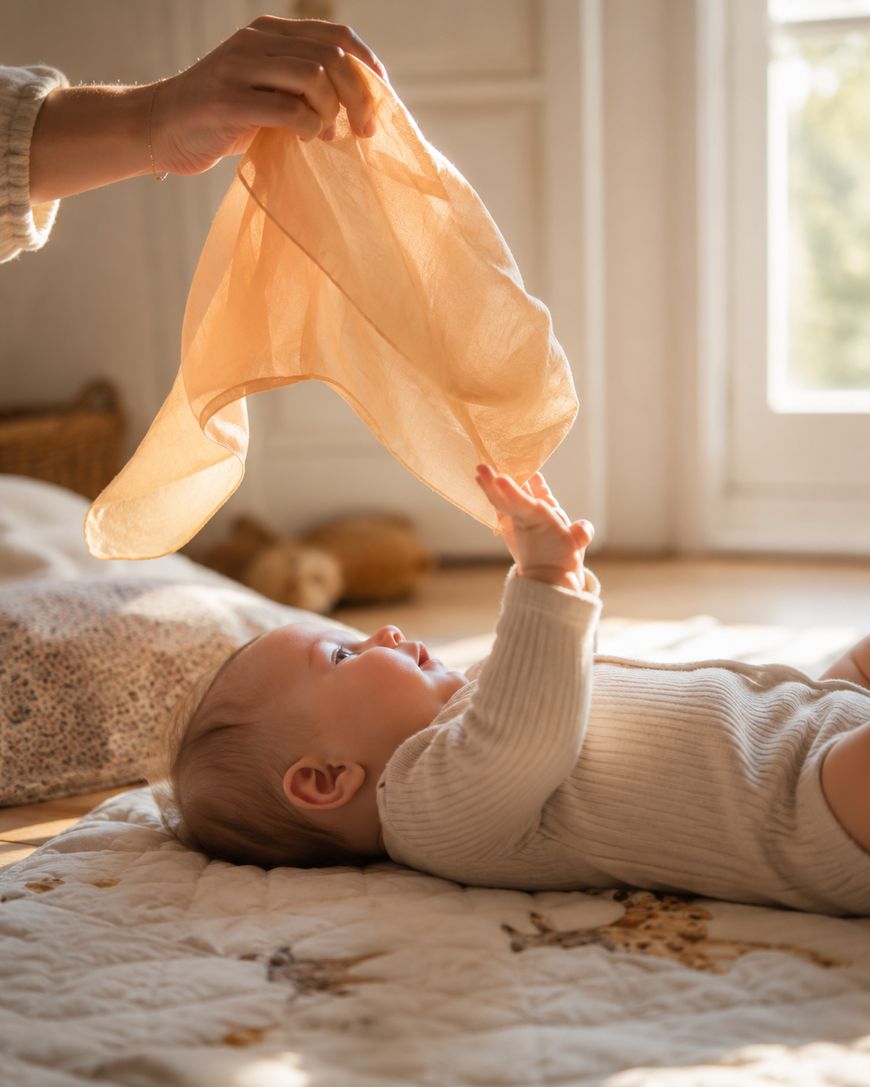
For younger babies who cannot yet sit up, try a scarf drop.
Hold a lightweight silk scarf above your baby’s face and let it float down slowly.
The movement, color, and gentle brush against their skin engages sight and touch at once.
Rotate between two or three activities per session rather than introducing everything at once.
Babies build focus through repetition, so seeing the same texture basket a few days in a row often holds attention longer than a brand new toy every time.
Setting Up a Sensory Station at Home
You do not need a dedicated playroom to make sensory play part of your routine.
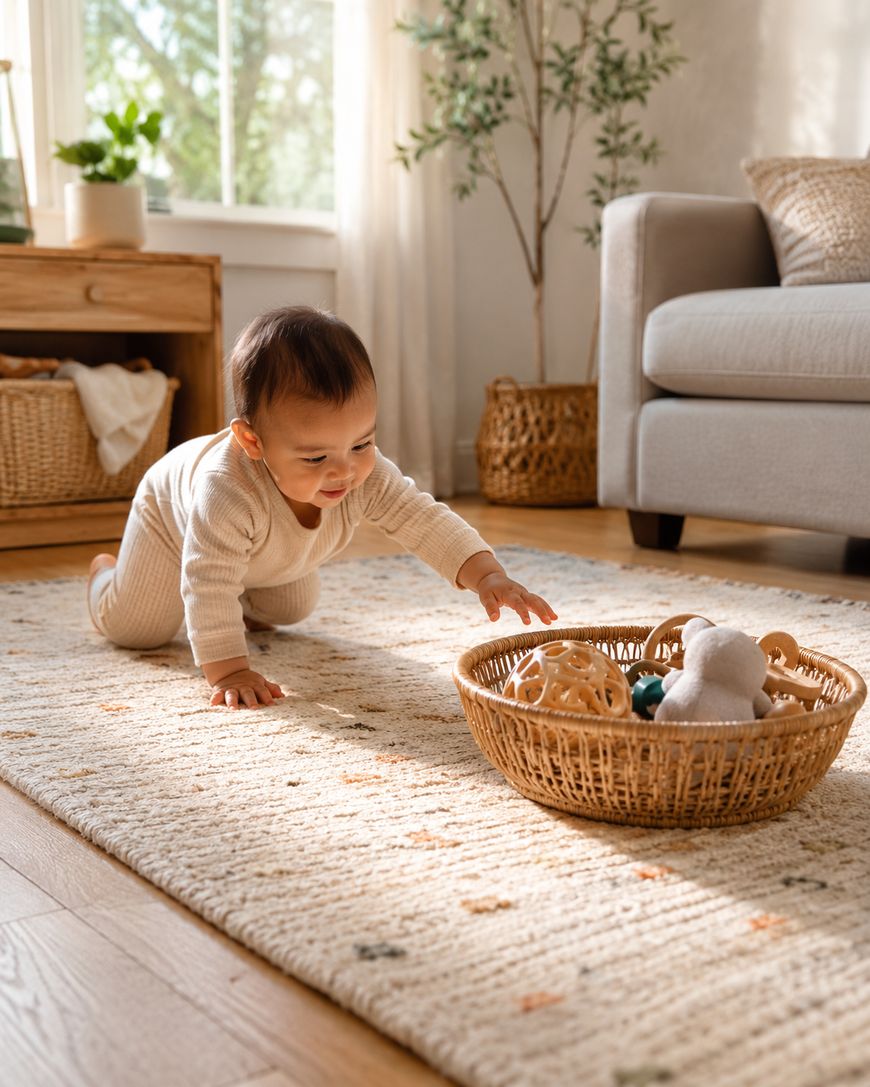
A corner of the living room with a soft mat and a small basket of rotating materials works just as well.
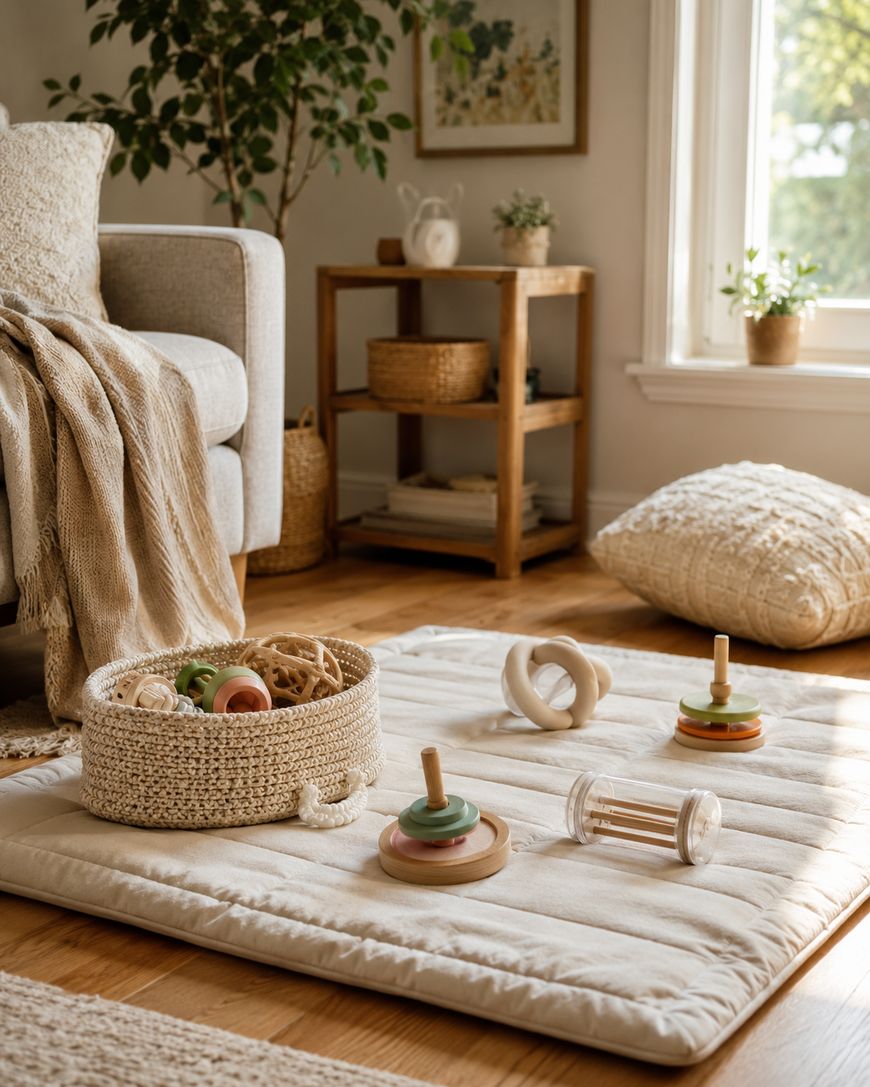
Keep the station low to the ground so your baby can move freely between crawling, sitting, and reaching.
Choose a consistent time of day, such as right after a diaper change or before nap time, so your baby starts to associate the space with focused, calm play.
Lighting matters more than people expect.
Natural light near a window makes textures and colors easier for babies to track, especially in the first six months when their vision is still developing.
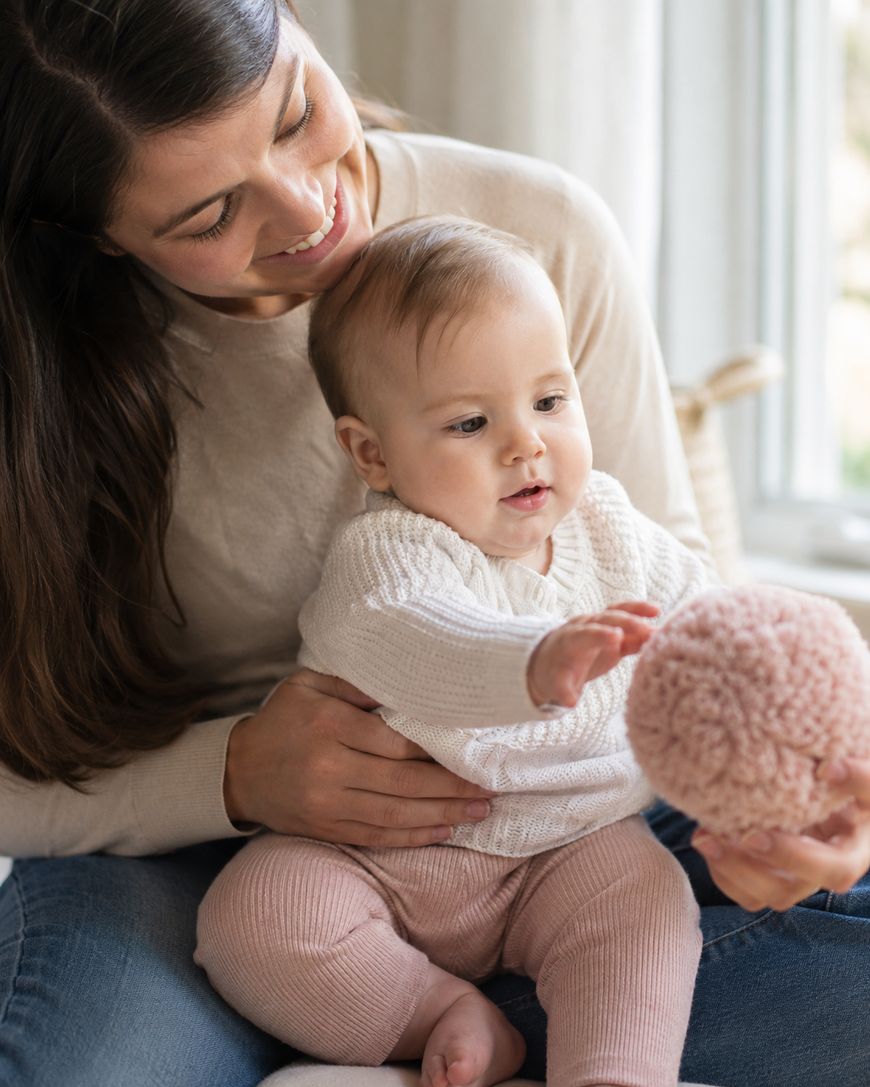
If natural light is not available, a warm lamp works better than harsh overhead lighting.
Keep sessions short at first, around five to ten minutes, and extend them as your baby’s attention span grows.
Watch for cues like rubbing eyes or turning away, which signal it is time to wrap up rather than push through.
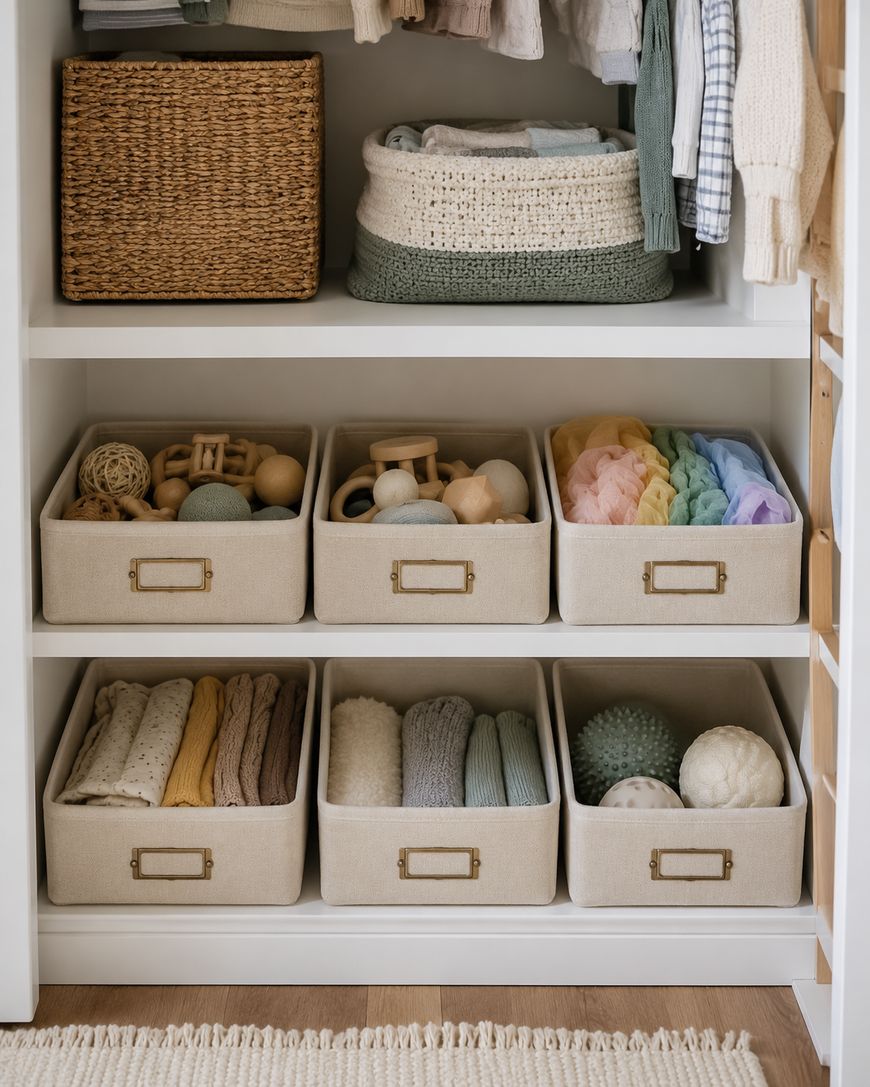
Rotating your materials every few days keeps things fresh without requiring you to buy anything new.
A simple system, like keeping half your sensory items in a closet and swapping them weekly, keeps the activities feeling novel to your baby.
Safety Tips for Sensory Play
Always stay within arm’s reach during sensory play, especially with items smaller than a golf ball.
Anything that fits inside a toilet paper tube is considered a choking hazard for babies under three.
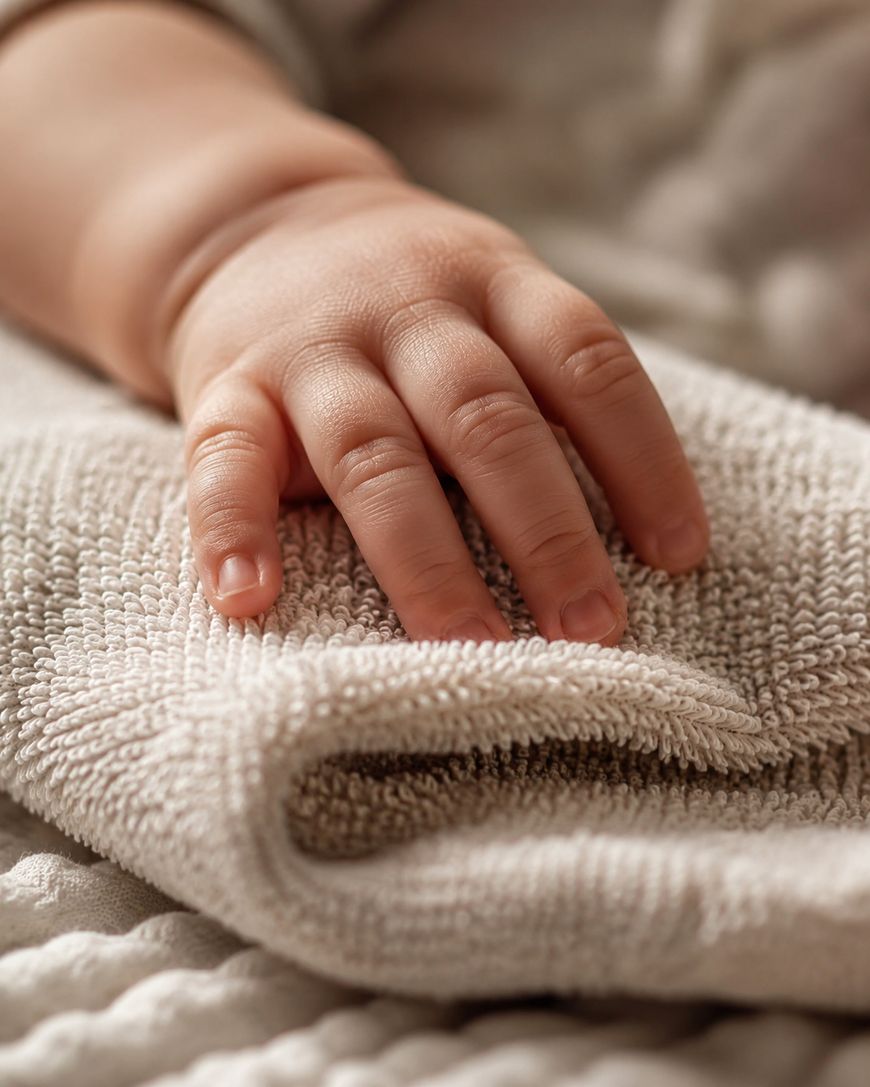
Check fabric and textured items for loose threads or small attachments that could come off during handling.
Homemade sensory bags should always be taped shut on all sides and supervised closely, since a torn bag can create a spill or choking risk.
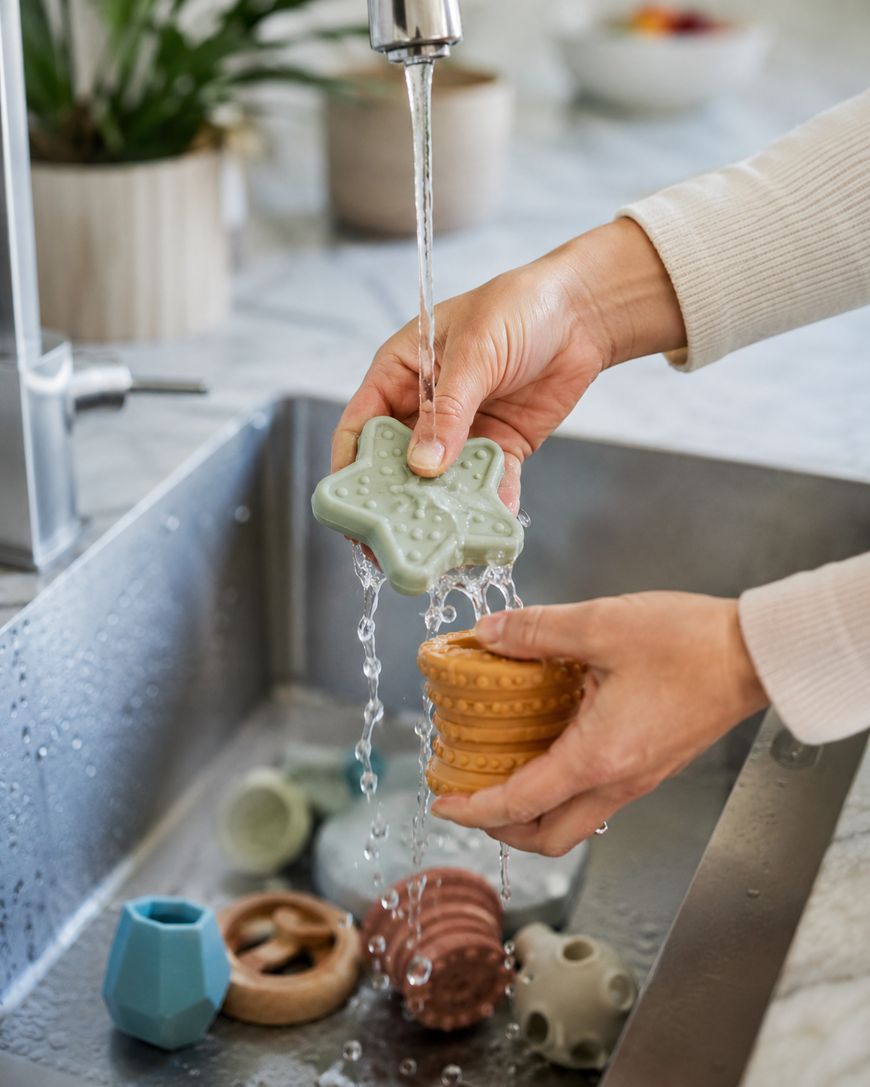
Wash reusable items regularly, particularly anything that goes near your baby’s mouth, since exploring with the mouth is a normal part of sensory development.
Avoid scented products near your baby’s play area, as strong fragrances can be overwhelming for a developing sense of smell.
If your baby seems overstimulated, such as crying, arching their back, or turning away repeatedly, end the activity and move to a quiet, dim space to help them reset.
Frequently Asked Questions
At what age can babies start sensory activities?
You can start gentle sensory play from birth using touch, sound, and simple visual tracking with high-contrast cards.
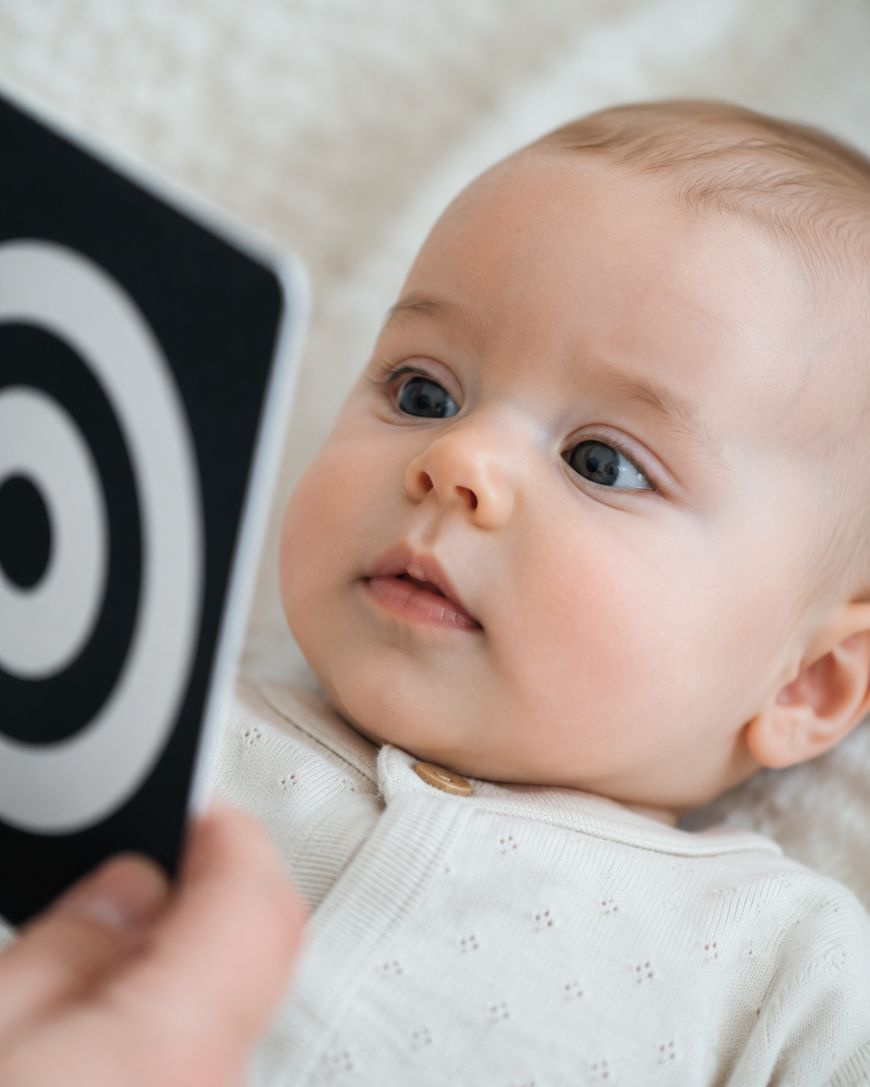
More hands-on activities like texture baskets work well once your baby can sit with support, typically around four to six months.
How long should a sensory play session last?
Aim for five to ten minutes for younger babies and up to twenty minutes for babies over nine months.
Follow your baby’s cues rather than a strict timer, since attention spans vary day to day.
What household items are safe for sensory bins?
Wooden spoons, silicone kitchen tools, soft fabric scraps, and large pom-poms are generally safe choices.
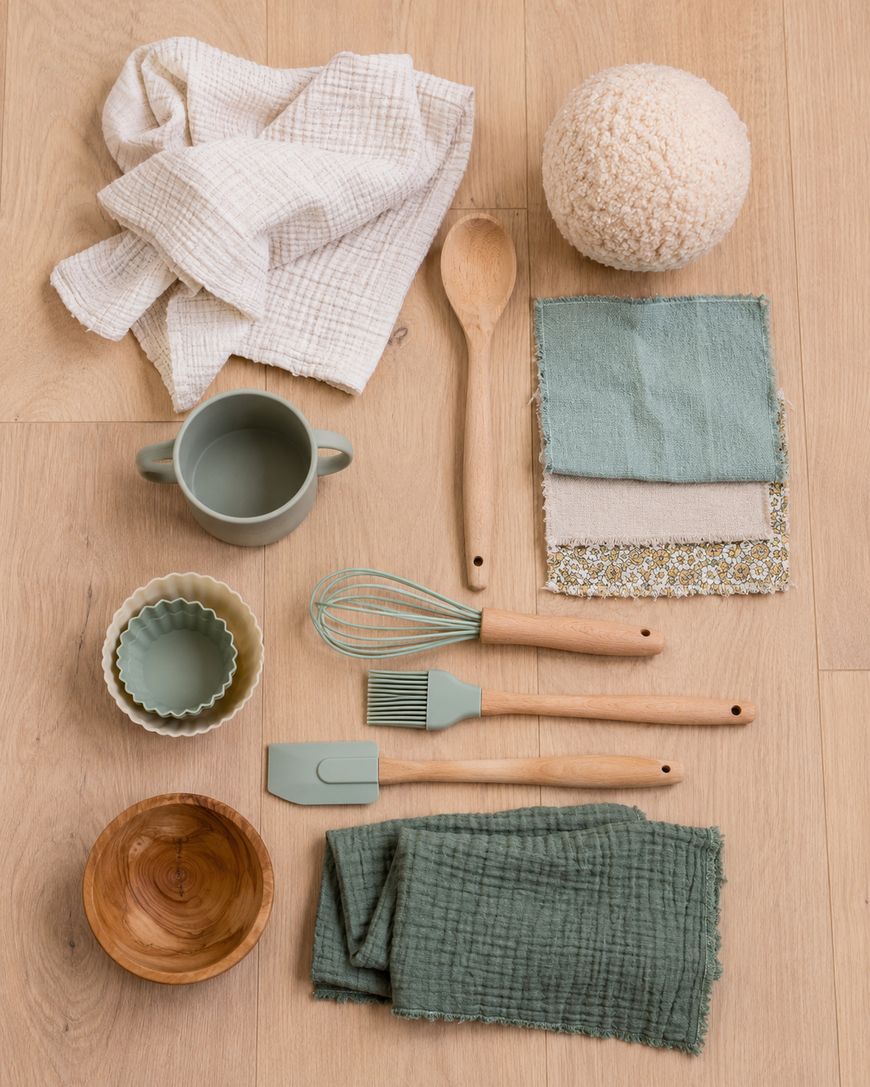
Always supervise closely and remove anything small enough to pose a choking risk.
Can sensory activities help with fussiness?
Many parents find that calm, repetitive sensory play helps soothe a fussy baby by giving them something predictable to focus on.
It is not a guaranteed fix, but the combination of your voice, touch, and gentle texture often has a calming effect.
Do I need to buy special sensory toys?
You do not need to buy anything special to get started, since household items like spoons, fabric, and bags work well.
Specialty toys can add variety later, but they are not necessary for meaningful sensory development.
How often should we do sensory activities?
A short session once or twice a day works well for most babies, especially woven into existing routines like after a diaper change.
Consistency matters more than frequency, so even a daily five minute session builds valuable habits over time.
Give It a Try Today
You do not need a special budget or a pile of new toys to start baby sensory activities that hold your little one’s attention.
Grab a few safe items from around your home, set a timer for five minutes, and watch how your baby responds.
Try one new texture this week and see which one becomes your baby’s favorite.



Leave a Reply