Last updated: July 20, 2026
You want fall Montessori activities that feel purposeful, not just crafty for the sake of it. This list gives you hands-on, sensory-rich ideas that fit right into your child’s natural love of order and independence. Every activity below uses real materials and real seasonal moments, so your child stays engaged from setup to cleanup.
Set Up a Fall Nature Sensory Bin
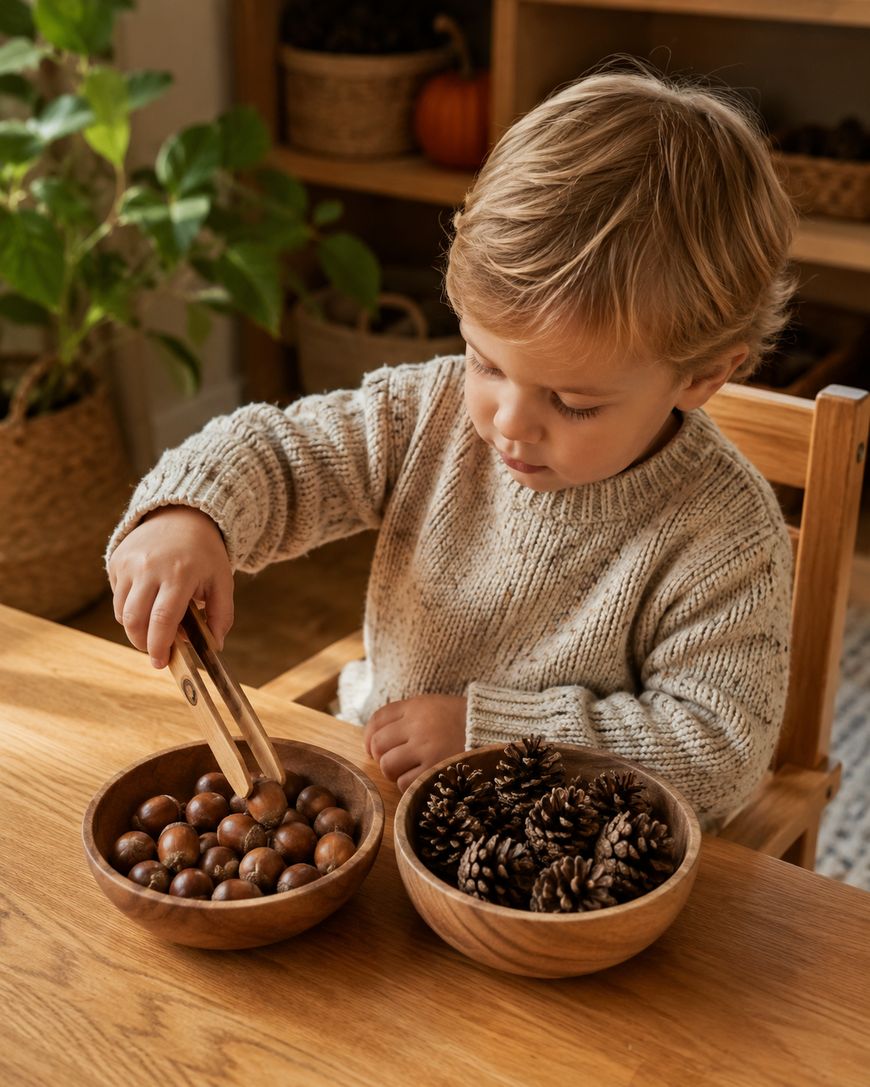
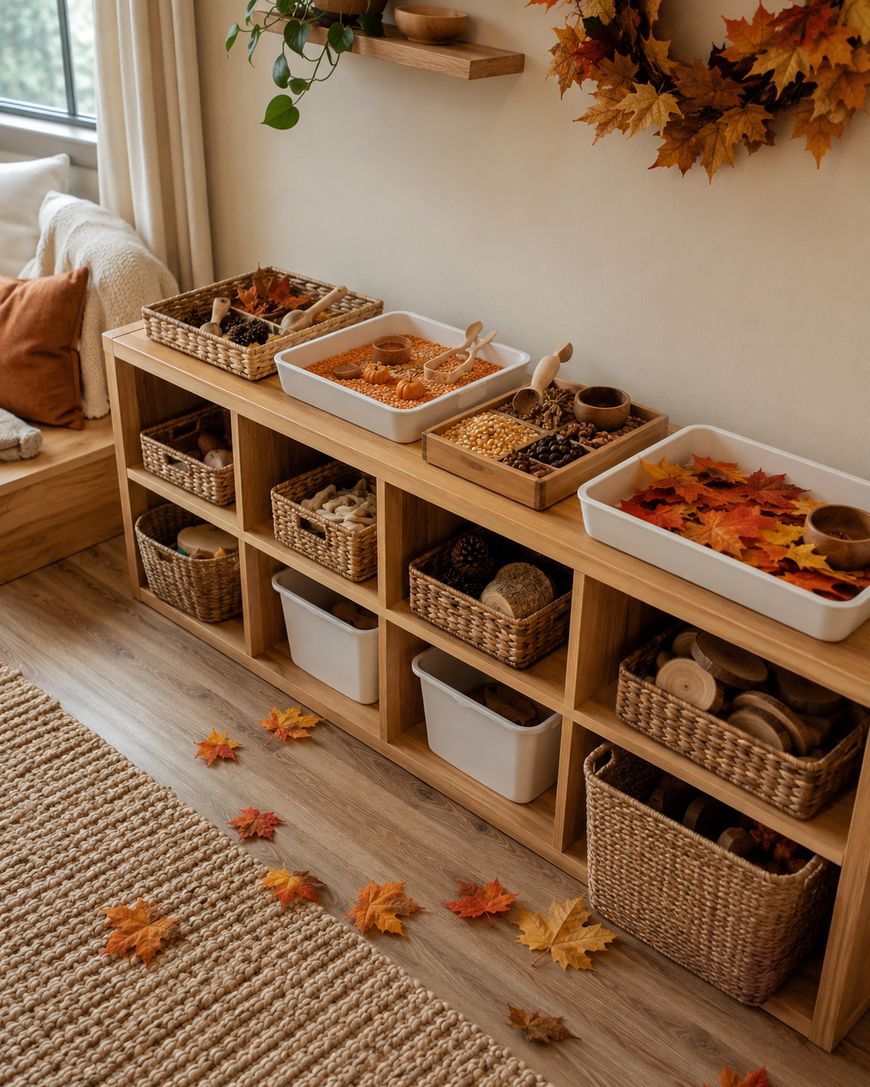
Fill a shallow bin with dried leaves, acorns, small pinecones, and a few wooden scoops. Let your child explore the textures with their hands before introducing any tools.
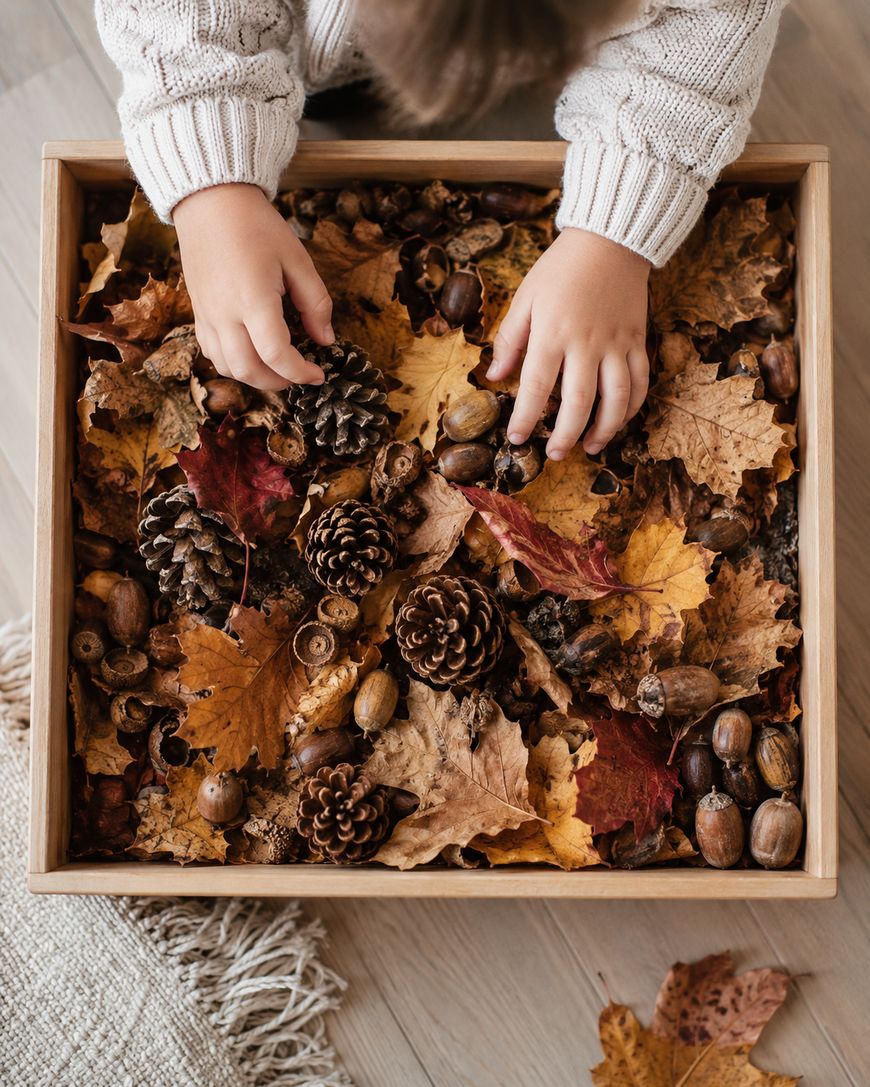
Add a set of tongs or a small scoop to build fine motor skills while your child sorts items by size or texture. This kind of open-ended sensory play is a cornerstone of fall Montessori activities because it invites focus without any right or wrong outcome.
Rotate the bin’s contents weekly as the season shifts, swapping in new textures like dried corn kernels or cinnamon sticks. Keep the bin on a low shelf so your child can access it independently, which reinforces the Montessori value of self-directed choice.
Practice Practical Life Skills with Pumpkin Prep
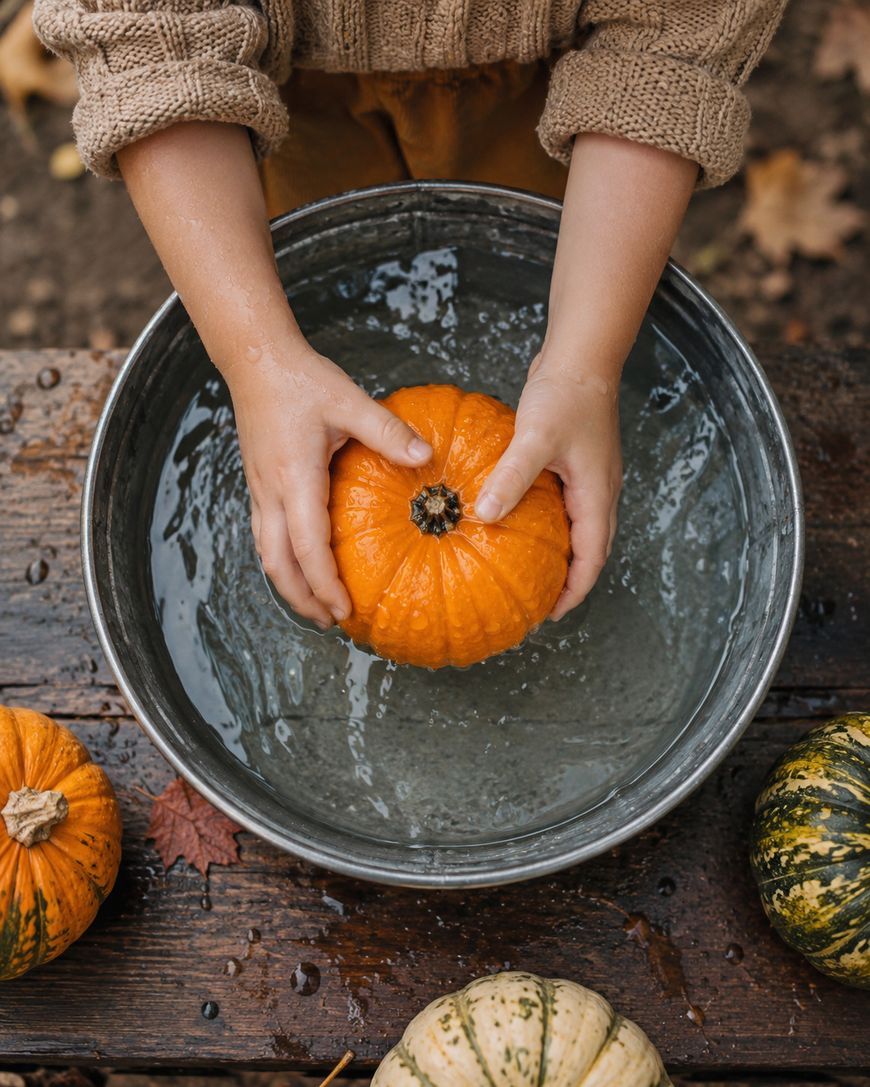
Washing, scrubbing, and cutting a small pumpkin gives your child a real job with a clear beginning and end. Set out a child-safe knife, a cutting board, and a bowl for seeds.
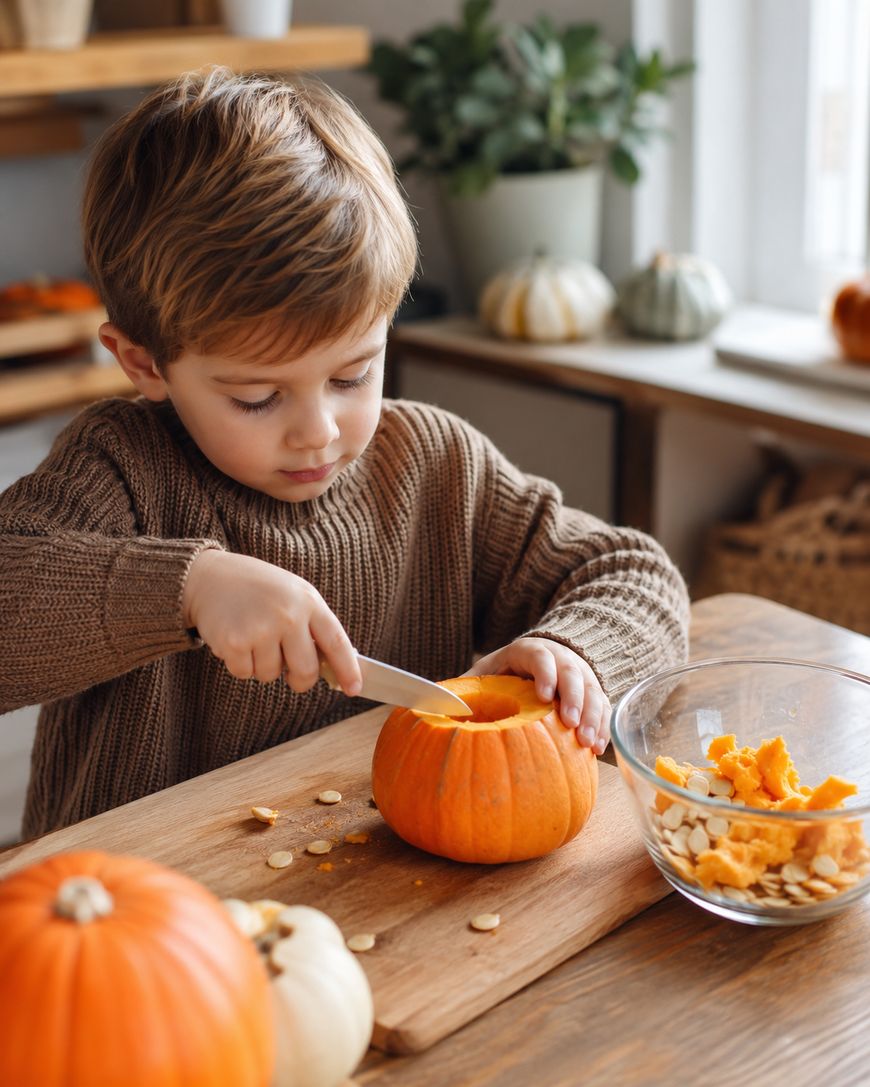
Guide your child through scooping seeds and separating them from the pulp, narrating each step slowly. Break the task into small, sequential steps so your child can follow along and eventually do it solo.
This kind of practical life work builds concentration and coordination while connecting your child to the season in a tangible way. Save the seeds afterward for roasting together, which extends the lesson into the kitchen.
Create a Leaf Sorting and Classifying Station
Collect leaves of different shapes, sizes, and colors on a walk, then bring them home for a sorting activity. Lay out small trays or bowls labeled by color or leaf type.
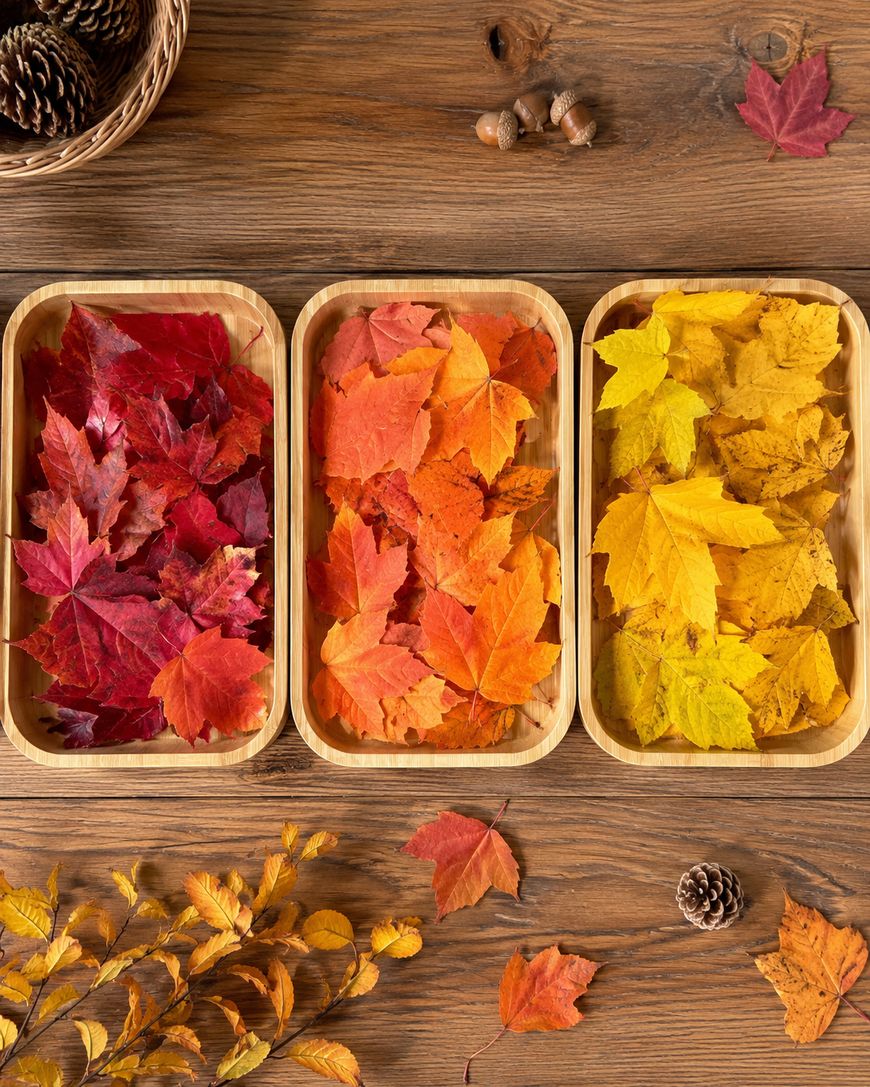
Encourage your child to sort the leaves independently before checking their work together. Use a magnifying glass to look closely at leaf veins and edges, which adds a layer of scientific observation to the activity.
This exercise strengthens categorization skills and vocabulary as your child names colors, shapes, and textures. It also gives you a natural opening to talk about why leaves change color in the fall.
Build a Cinnamon and Spice Smelling Activity
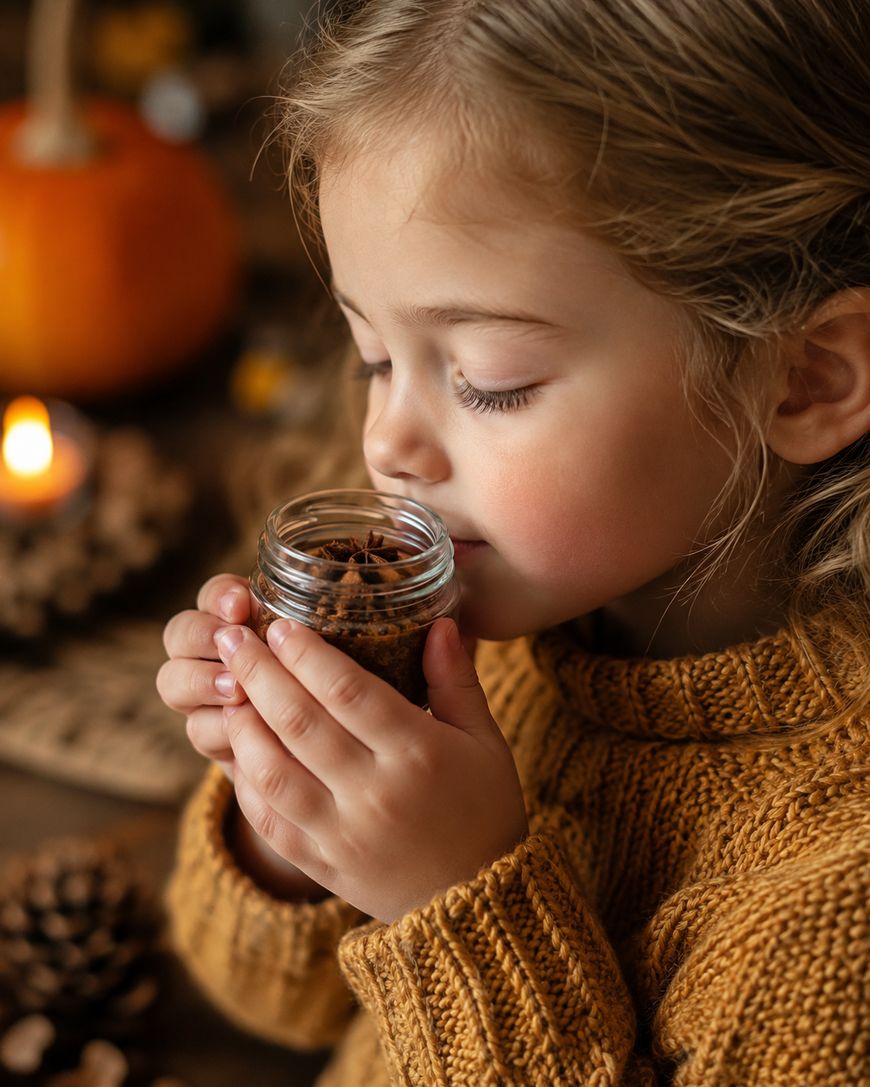
Fill small glass jars with whole spices like cinnamon sticks, cloves, and dried orange peel. Poke small holes in the lids so your child can smell each jar without spilling the contents.
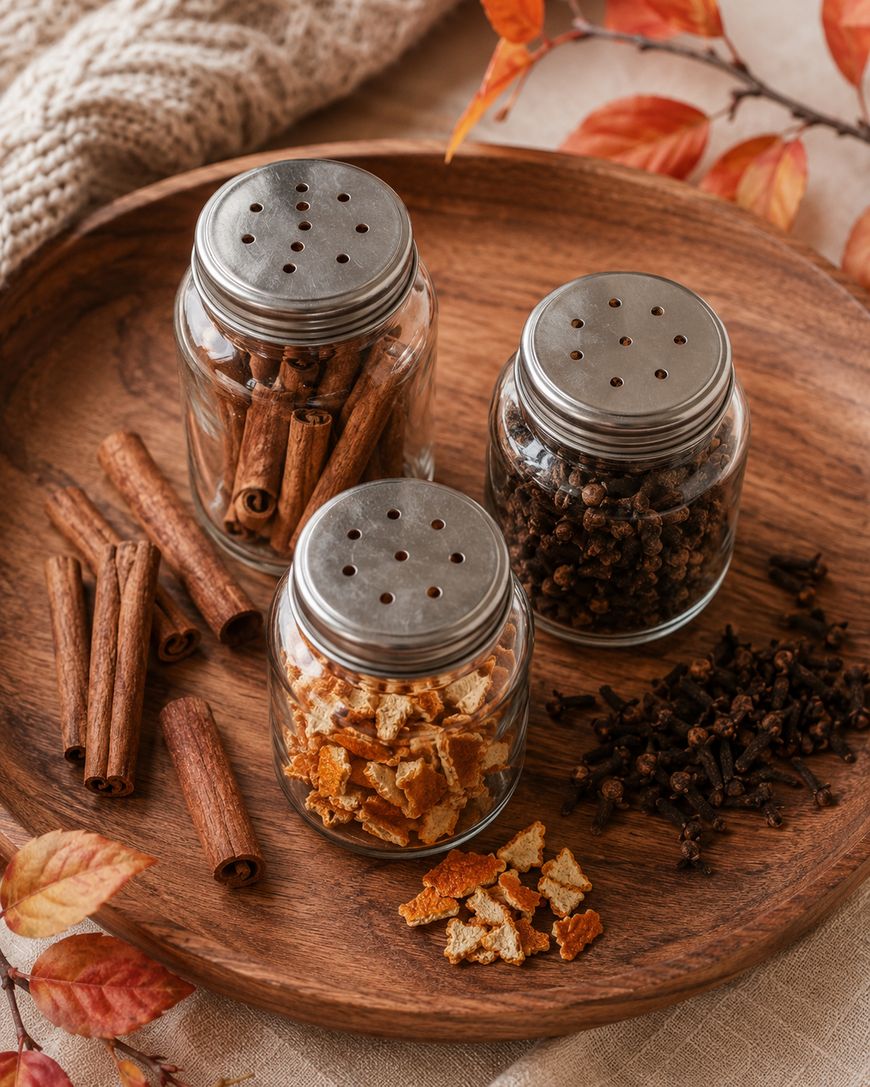
Ask your child to match jars with similar scents or describe what each one reminds them of. This sensory work sharpens focus and introduces new vocabulary tied to smell and memory.
Keep the jars on a tray with a small notecard for each scent so your child can practice matching labels to jars as their reading skills grow. Refresh the spices every few weeks to keep the activity interesting.
Try a Fall-Themed Pouring and Transferring Exercise
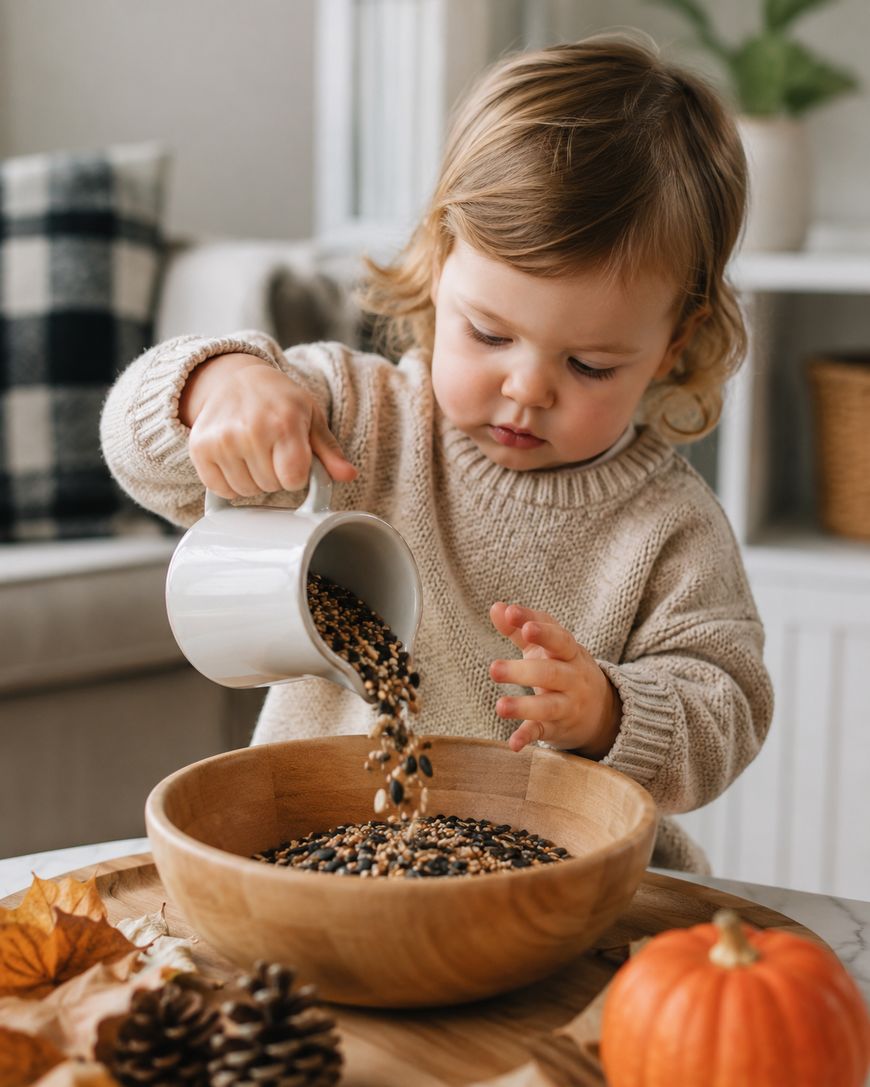
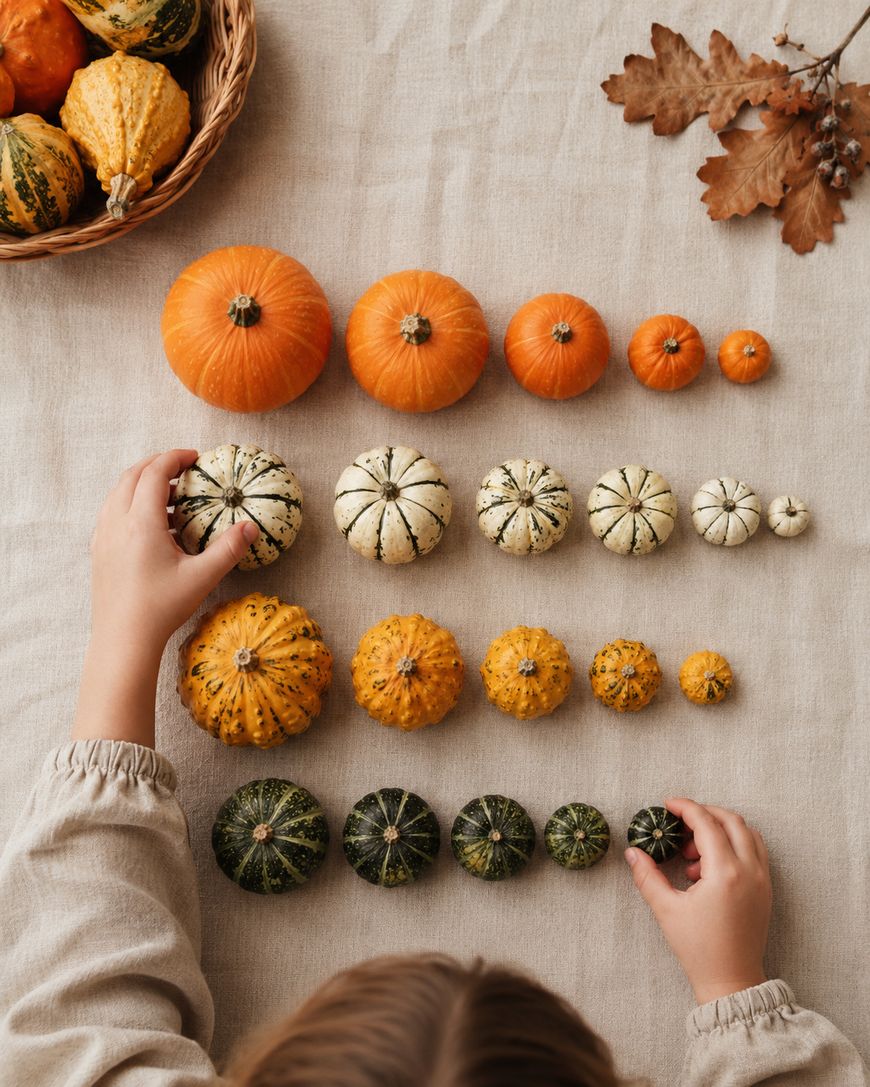
Set out two small pitchers along with dried corn, birdseed, or small gourds for pouring practice. Show your child how to pour slowly and steadily from one container to another.
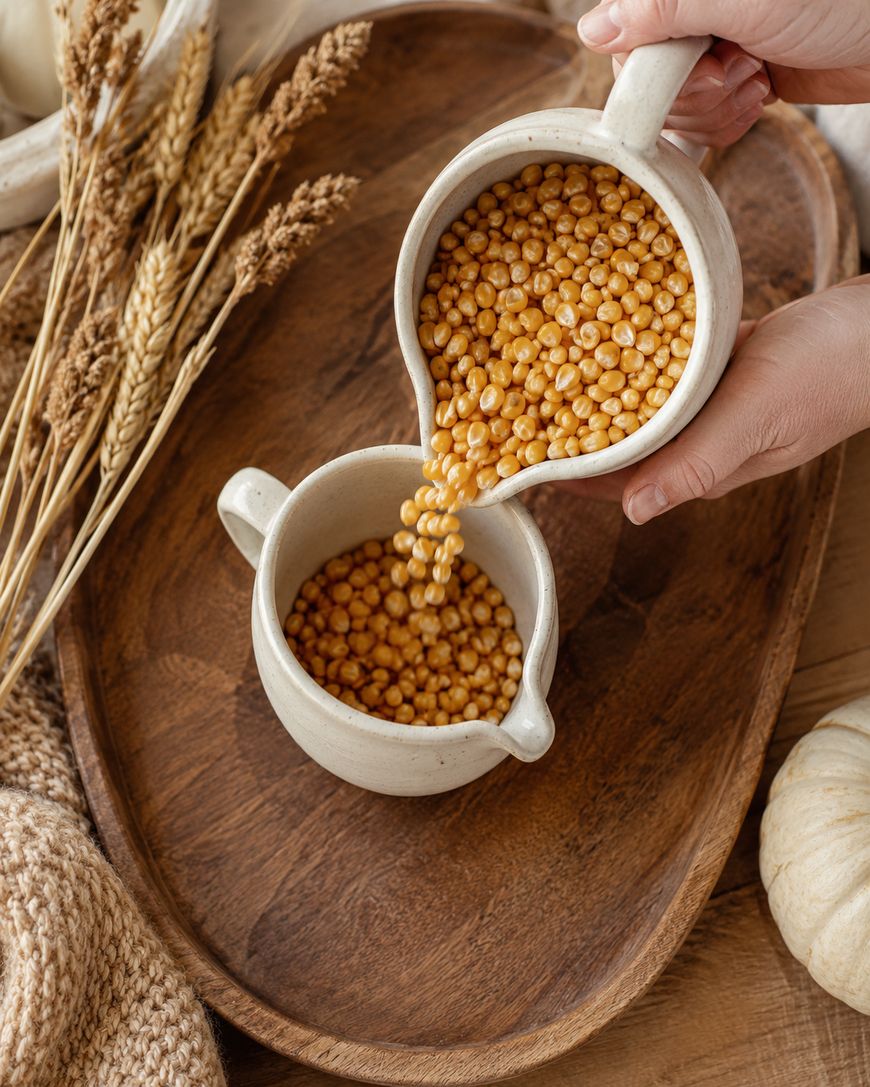
Start with larger materials before moving to smaller ones like rice or lentils, since bigger objects are easier to control. This progression builds hand-eye coordination gradually rather than all at once.
Pouring work is a classic Montessori exercise because it combines concentration, care, and a satisfying, repeatable motion. Let your child repeat the activity as many times as they want, since repetition is how the skill becomes second nature.
Why Fall Is a Natural Fit for Montessori Learning
Fall brings a shift in light, temperature, and texture that naturally draws children’s attention outward. The season offers an abundance of real, tactile materials like leaves, gourds, and spices that align perfectly with Montessori’s hands-on philosophy.
Children also tend to notice change more acutely in the fall, which makes it an ideal time to introduce lessons on seasons, harvest, and preparation. These fall Montessori activities take advantage of that natural curiosity instead of working against it.
Frequently Asked Questions
What age group are these fall Montessori activities best suited for?
Most of these activities work well for children between two and six years old. You can adjust the complexity of each task depending on your child’s fine motor skills and attention span.
Do you need special Montessori materials to do these activities at home?
No special materials are required since most of these activities use household items and things you can gather outdoors. Small bowls, trays, and simple kitchen tools are usually enough to get started.
How long should each activity last?
Let your child’s interest guide the length of each session rather than setting a strict timer. Some children will engage for five minutes while others will return to the same activity multiple times in a day.
What if your child loses interest quickly?
Try rotating materials more frequently or simplifying the task into smaller steps. Sometimes a quick demonstration is all it takes to re-spark interest, especially with practical life tasks like pumpkin prep.
Can you combine several of these activities into one afternoon?
Yes, but it works best to offer one activity at a time on a shelf or tray rather than presenting everything at once. This keeps your child’s focus intact and mirrors how Montessori classrooms typically rotate materials.
How do these activities support skills beyond the fall season?
The fine motor, sorting, and concentration skills built through these activities carry over into everyday tasks all year long. Practical life work in particular builds independence that shows up well beyond autumn.

Bring Fall Montessori Activities Into Your Home This Week
You do not need a full classroom setup to bring these fall Montessori activities to life at home. Start with just one or two ideas, keep the materials accessible, and let your child’s natural curiosity do the rest this season.


Leave a Reply