Last updated: August 22, 2026
You want fine motor activities for kids that actually work, not just busy work that keeps little hands occupied for five minutes. These simple setups use things you likely already have around the house, and they build the hand strength and coordination kids need for writing, buttoning, and everyday independence.
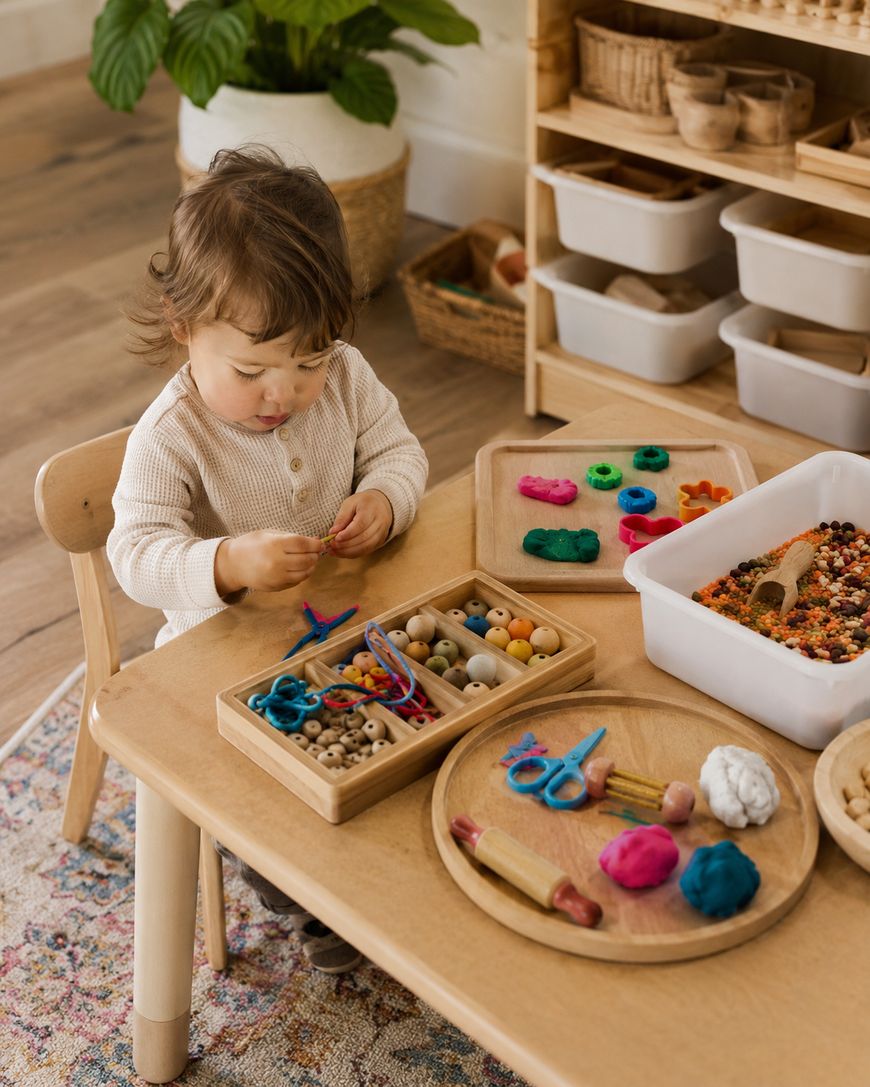
Playdough Pinch and Roll Stations
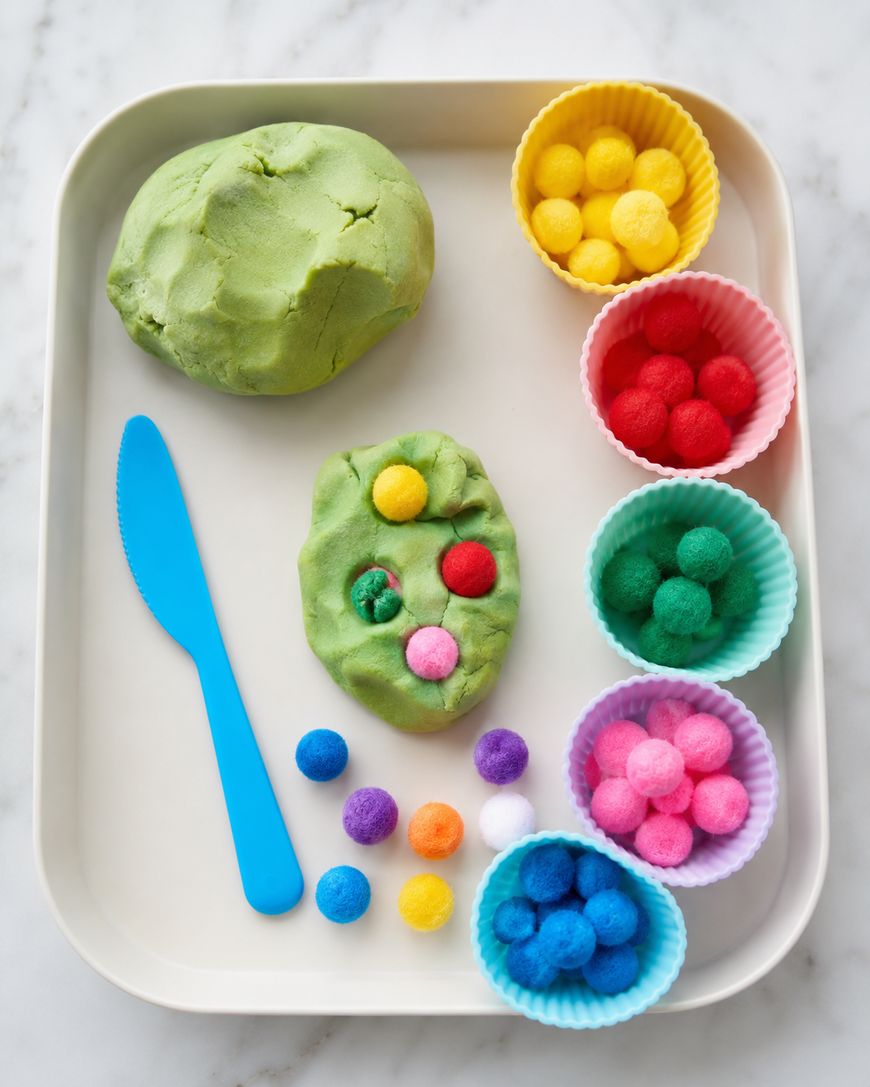
Playdough is one of the most effective tools for building hand strength because it resists little fingers as they squeeze, pinch, and roll it. Set out a tray with playdough, a few plastic knives, and small cups for “cutting” and sorting.
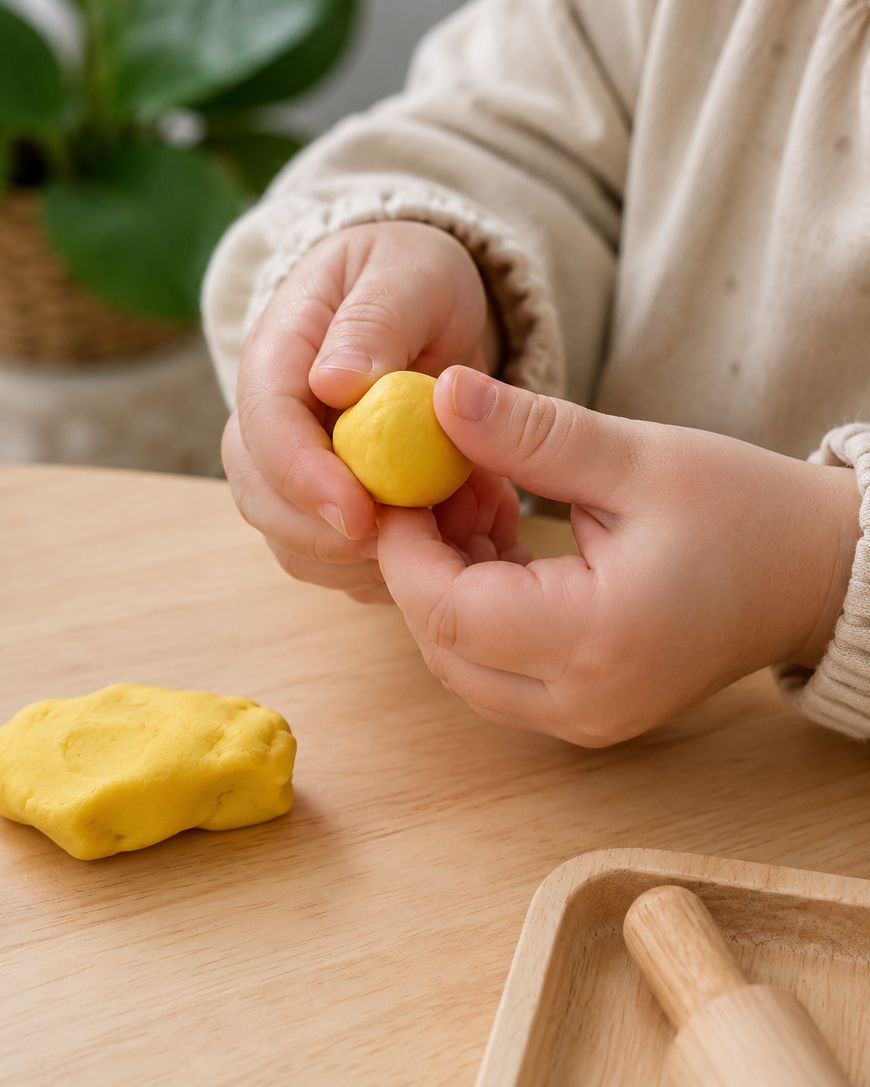
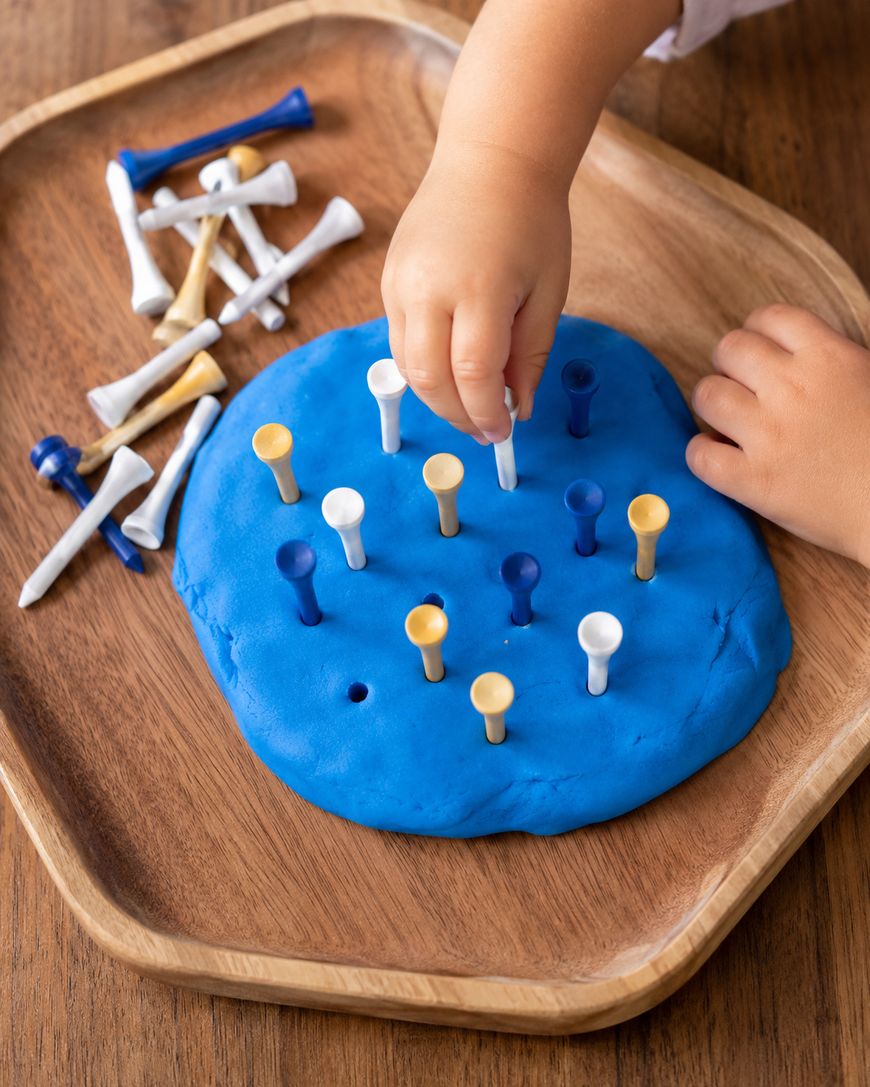
Try adding golf tees or toothpicks for kids to poke into the dough. This pincer grip movement is the exact motion children use later to hold a pencil correctly. Rolling small balls between the thumb and fingers also strengthens the same muscles used for buttoning shirts and zipping jackets.
Rotate the tools every few days so the activity stays fresh. A garlic press, a rolling pin, or cookie cutters all give kids a new way to interact with the same material without needing to buy anything new.
Threading and Lacing Practice
Stringing beads, pasta, or cereal onto yarn or shoelaces is a classic fine motor activity for kids because it combines hand-eye coordination with a satisfying visual result. Start with larger beads and thicker string for younger children, then move to smaller beads as their control improves.
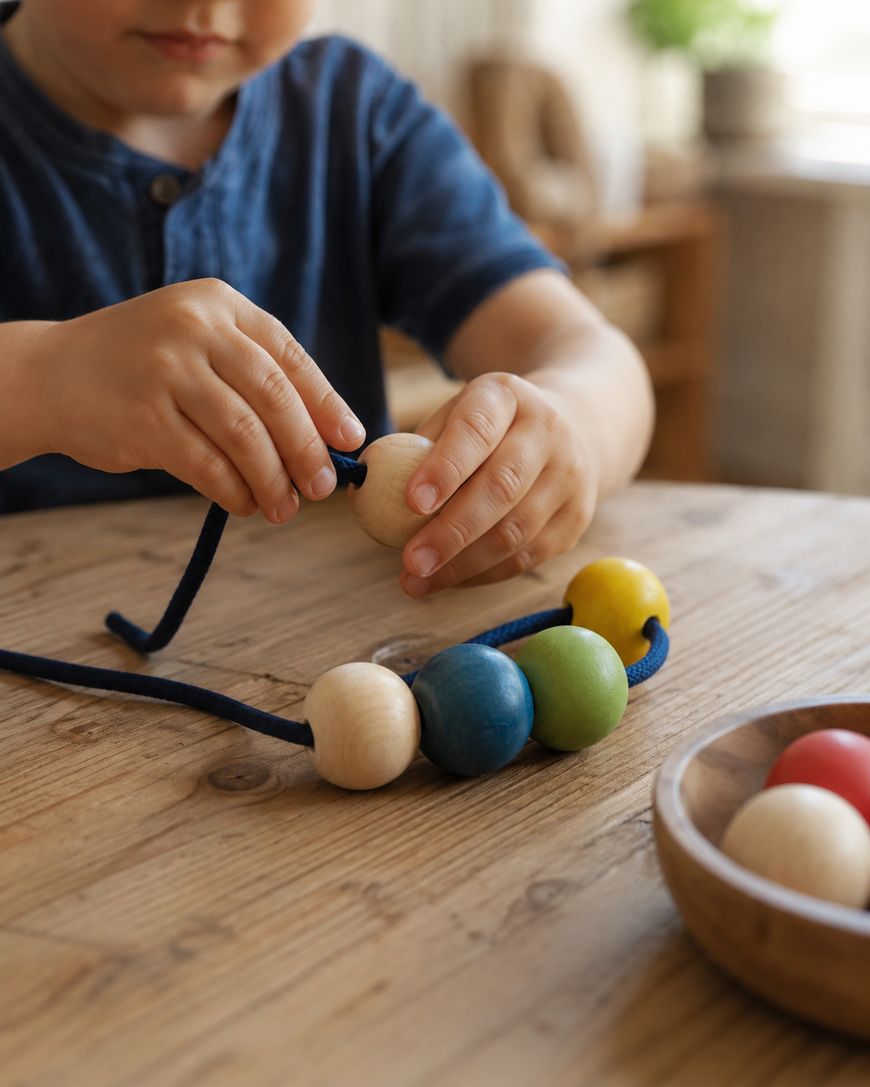
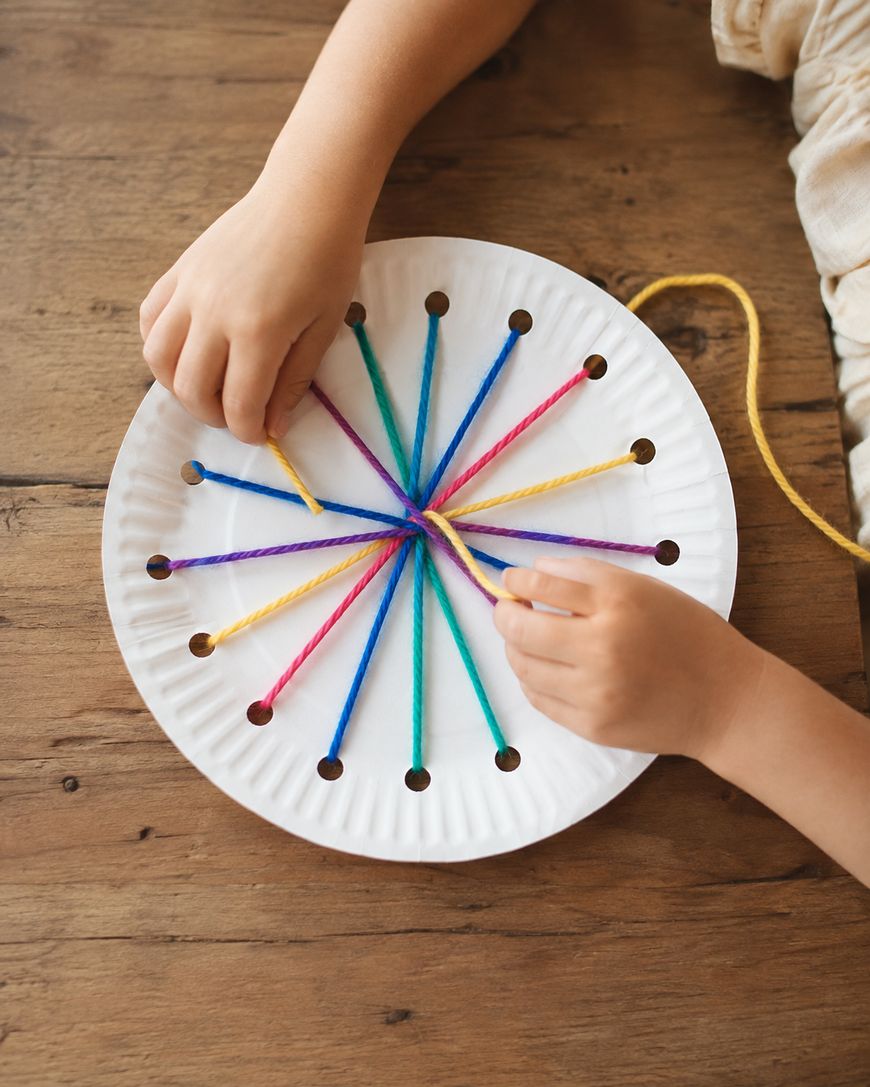
Lacing cards are worth keeping in a craft drawer for slow afternoons. You can make your own by punching holes around the edge of a paper plate or cardboard shape, then letting kids weave yarn in and out of the holes.
This activity also introduces early patterning skills if you ask kids to alternate colors or shapes as they thread. It’s a quiet, focused task that many children find calming after a busy day.
Tweezer and Tong Transfer Games
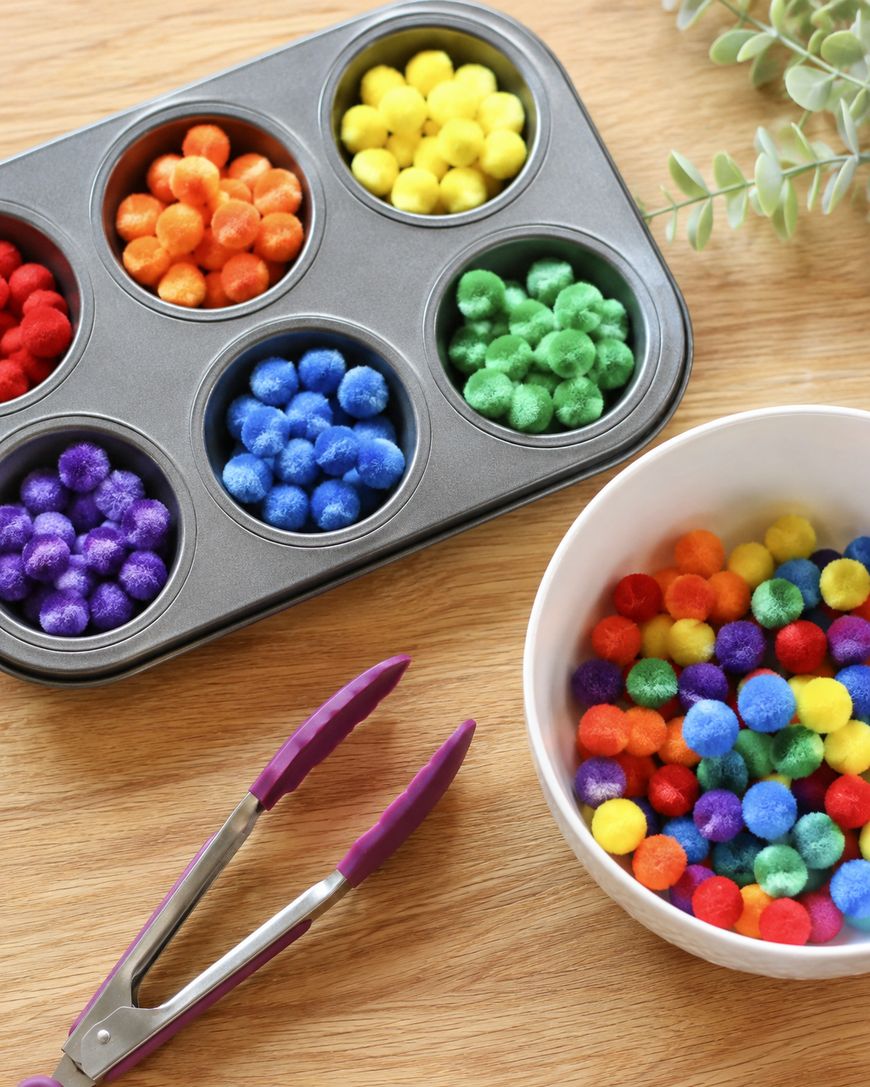
Handing a child a pair of kid-sized tweezers or kitchen tongs and asking them to move small objects from one bowl to another builds the same muscles used in a mature pencil grip. Try transferring pom-poms, dried beans, mini erasers, or ice cubes for a sensory twist.
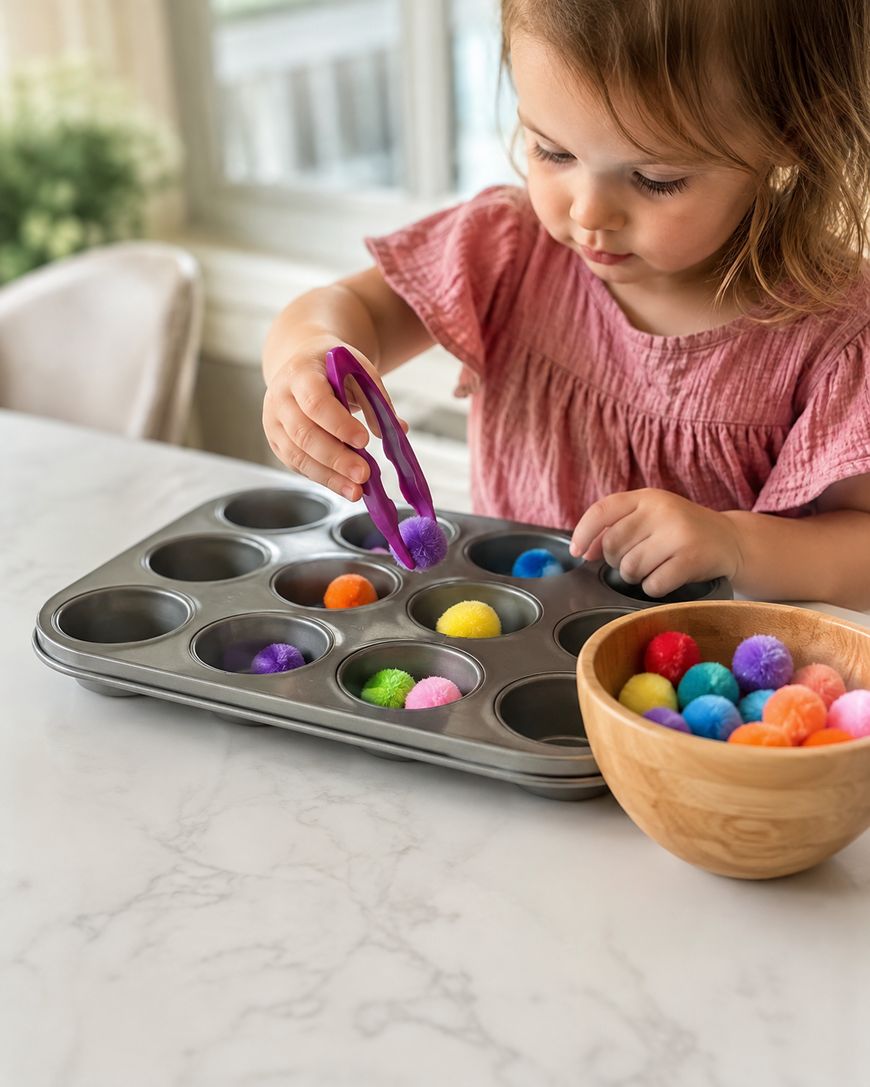
Sorting by color while transferring adds a second skill into the same activity. This keeps the game challenging as kids get older, since you can increase the number of colors or shrink the size of the objects being moved.
Muffin tins work well for this activity because each cup gives kids a clear target, which cuts down on spills and keeps the game organized. It’s an easy setup you can leave on the table for a few minutes of independent play while you finish dinner.
Cutting Practice with Safety Scissors
Learning to cut with scissors is a major fine motor milestone, and it takes repeated practice to master. Give your child child-safe scissors and start with thick paper strips before moving on to more detailed shapes.
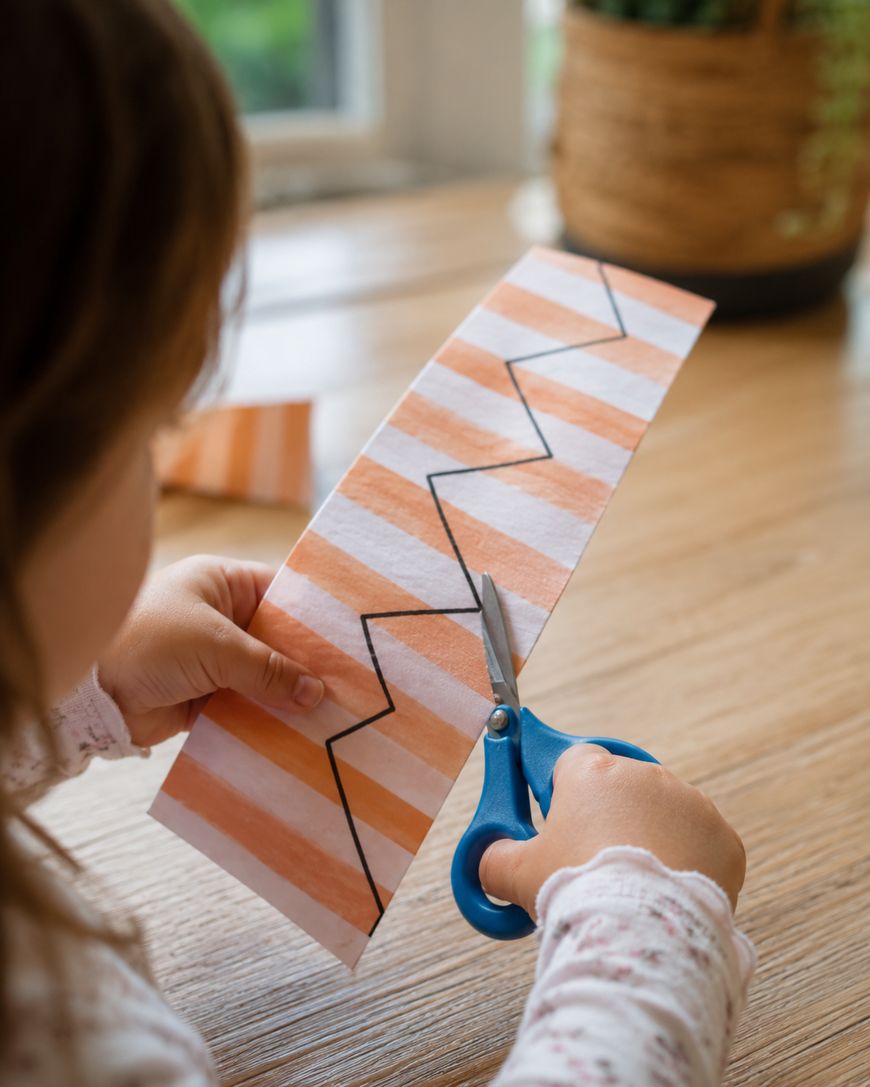
Draw simple straight lines, zigzags, or curves for kids to cut along. Cutting playdough or straws also works well for children who aren’t ready for paper yet, since it requires less precision but still strengthens the same hand muscles.
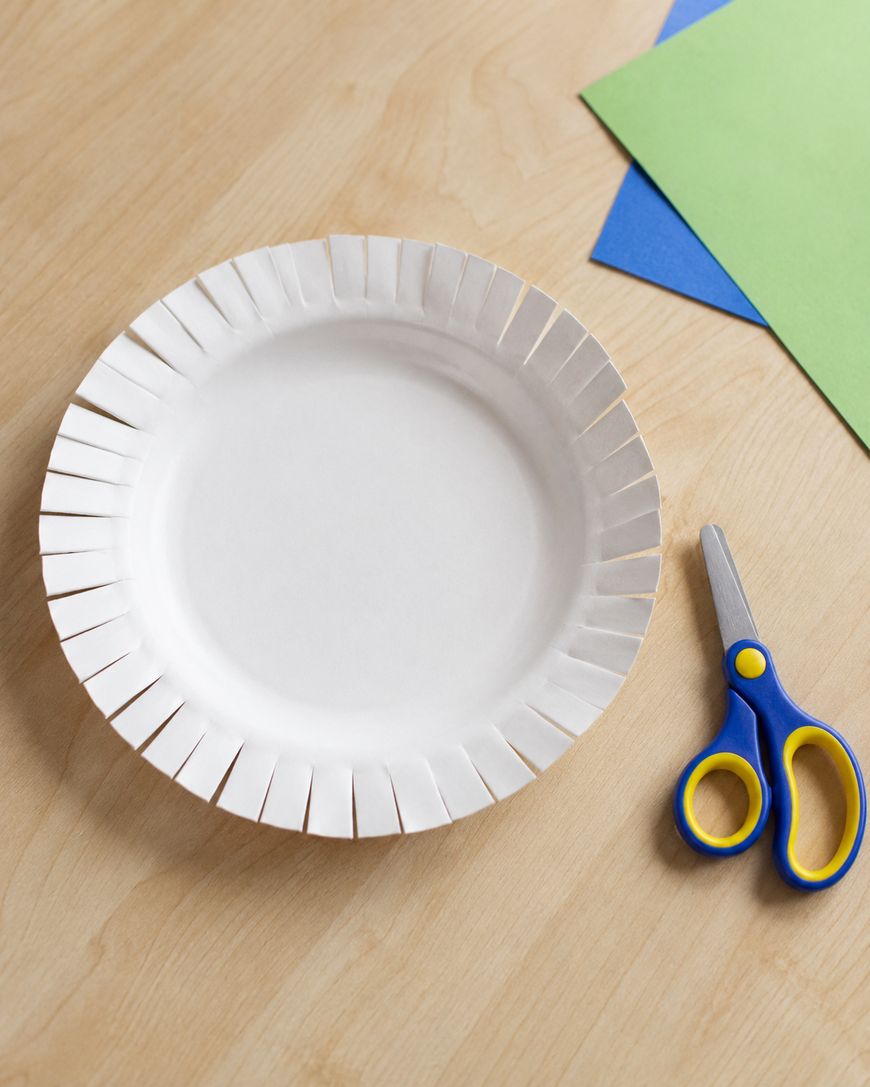
Celebrate progress rather than perfection here. Even snipping fringe along the edge of a paper plate is valuable practice, and it doesn’t need to result in a perfectly cut shape to count as meaningful skill-building.
Clothespin and Sensory Bin Combos
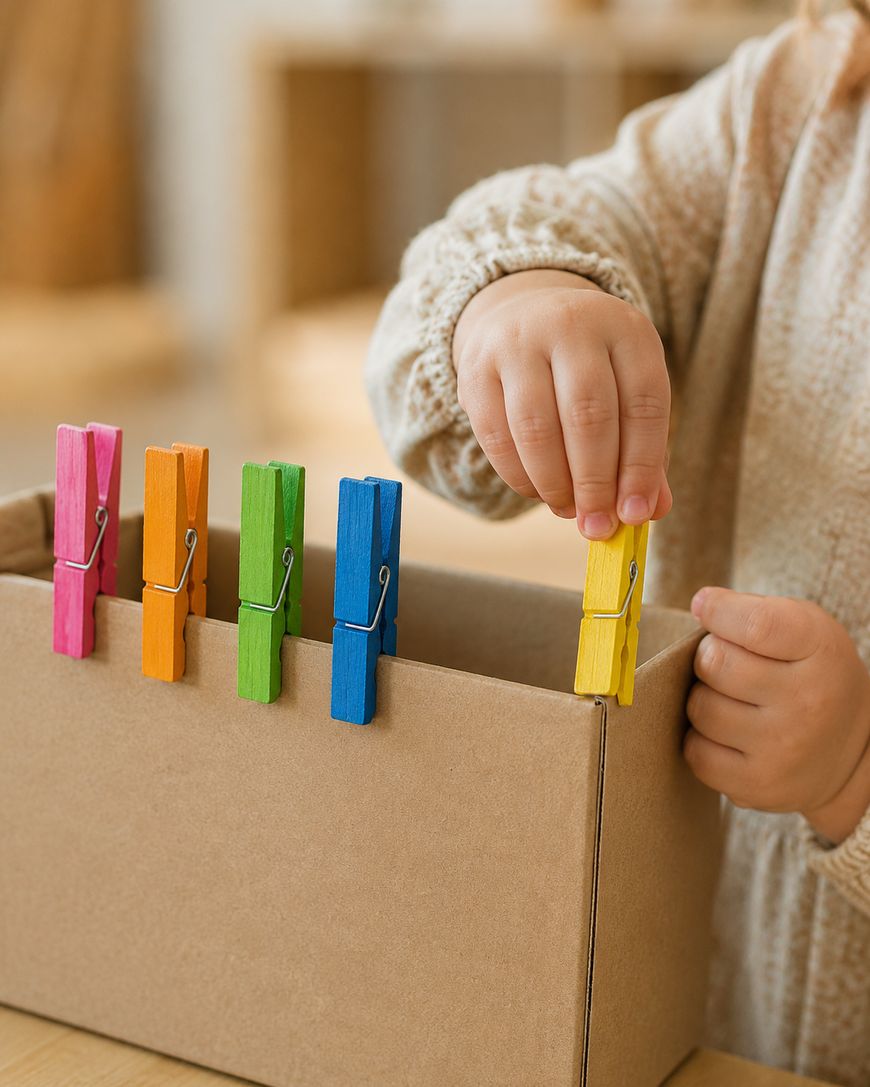
Clipping clothespins onto the edge of a box, basket, or even a paper plate is a simple activity that builds the same pincer strength kids need for writing. Add a matching element, like clipping colored clothespins next to matching colored dots, to sneak in some early academic skills.
Sensory bins filled with rice, beans, or dried pasta give kids a place to practice scooping, pouring, and picking up small items with tools like spoons or tweezers. Hide small toys or letters in the bin for a search-and-find twist that keeps kids engaged longer.
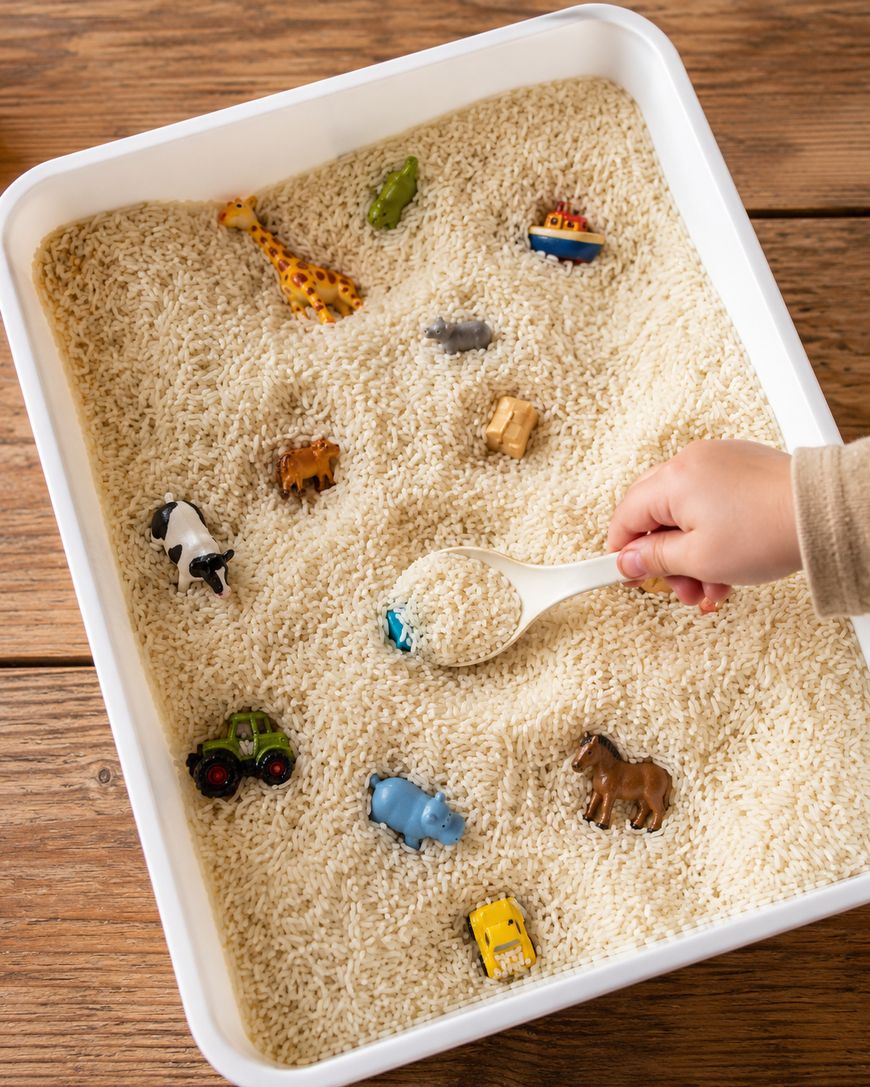
Rotating the sensory bin filler every week or two prevents kids from losing interest. You don’t need anything fancy here; a plastic bin from the dollar store and a bag of dried rice will keep most kids busy for a solid stretch of time.
Why Fine Motor Skills Matter So Much Early On
Fine motor skills are the foundation for so many everyday tasks, from holding a spoon to tying shoes to writing their name. Kids who get regular practice with these small muscle movements tend to feel more confident and capable as they head into activities like handwriting and self-care tasks.
These skills also connect closely to focus and patience, since most fine motor activities require kids to slow down and concentrate on a task. That combination of physical practice and mental focus is part of what makes these simple activities so valuable, even though they often look like nothing more than play.
You don’t need a curriculum or a big budget to support this kind of development. A tray, a few household objects, and a little bit of your attention go a long way toward helping kids build skills they’ll use for the rest of their lives.
Frequently Asked Questions
What age should kids start fine motor activities?
Kids can start simple fine motor play as early as one or two years old with activities like stacking blocks or picking up puffs. You can introduce more structured activities, like lacing or scissors, around age three as their coordination improves.
How often should we practice fine motor skills?
A few short sessions a week, even just ten to fifteen minutes at a time, make a real difference. Consistency matters more than duration, so weaving these activities into everyday routines works better than occasional long sessions.
What household items work best for fine motor play?
Clothespins, dried beans, pasta, cotton balls, and old muffin tins are some of the most versatile options you likely already own. Rotating between a few simple tools keeps activities fresh without requiring new purchases.
My child gets frustrated easily. What should I do?
Start with an easier version of the activity and build up gradually as their confidence grows. Sitting nearby and offering encouragement, rather than taking over the task, helps kids push through frustration on their own.
Are fine motor activities helpful for kids who struggle with handwriting?
Yes, strengthening the small hand muscles through play often makes handwriting practice feel less exhausting for kids. Activities like playdough and tweezer transfers build the same muscles used to hold and control a pencil.
Can fine motor activities be done on the go?
Absolutely, a small bag with pipe cleaners and beads or a mini coloring set travels well for waiting rooms and car rides. These portable options keep kids’ hands busy without needing a full activity setup.
Bring These Activities Into Your Week
These fine motor activities for kids don’t require special equipment or a lot of planning, just a little intention with the toys and household items you already have. Pick one or two to try this week and watch how quickly your child’s coordination and confidence start to grow.



Leave a Reply