Last updated: August 21, 2026
If you have been searching for sensory bins for preschool that actually hold your child’s attention, you are in the right place. These setups are simple to put together, use items you likely already have at home, and give preschoolers a hands on way to explore textures, colors, and early learning concepts. Below you will find ready to use bin ideas along with tips for keeping them mess friendly.
Rice and Bean Excavation Bin
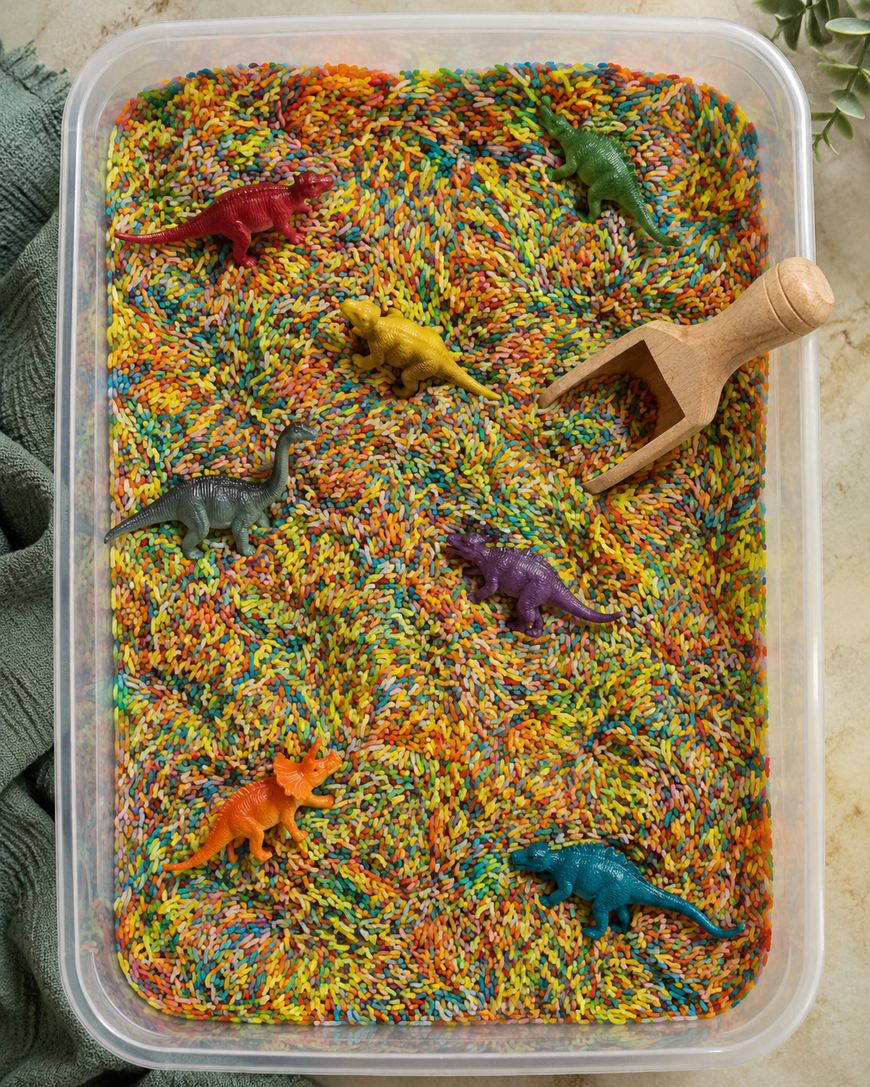
A rice and bean bin is one of the easiest sensory bins for preschool because the base material is cheap and easy to source. Dye a bag of rice with a little food coloring and rubbing alcohol, let it dry overnight, and pour it into a shallow plastic tub.
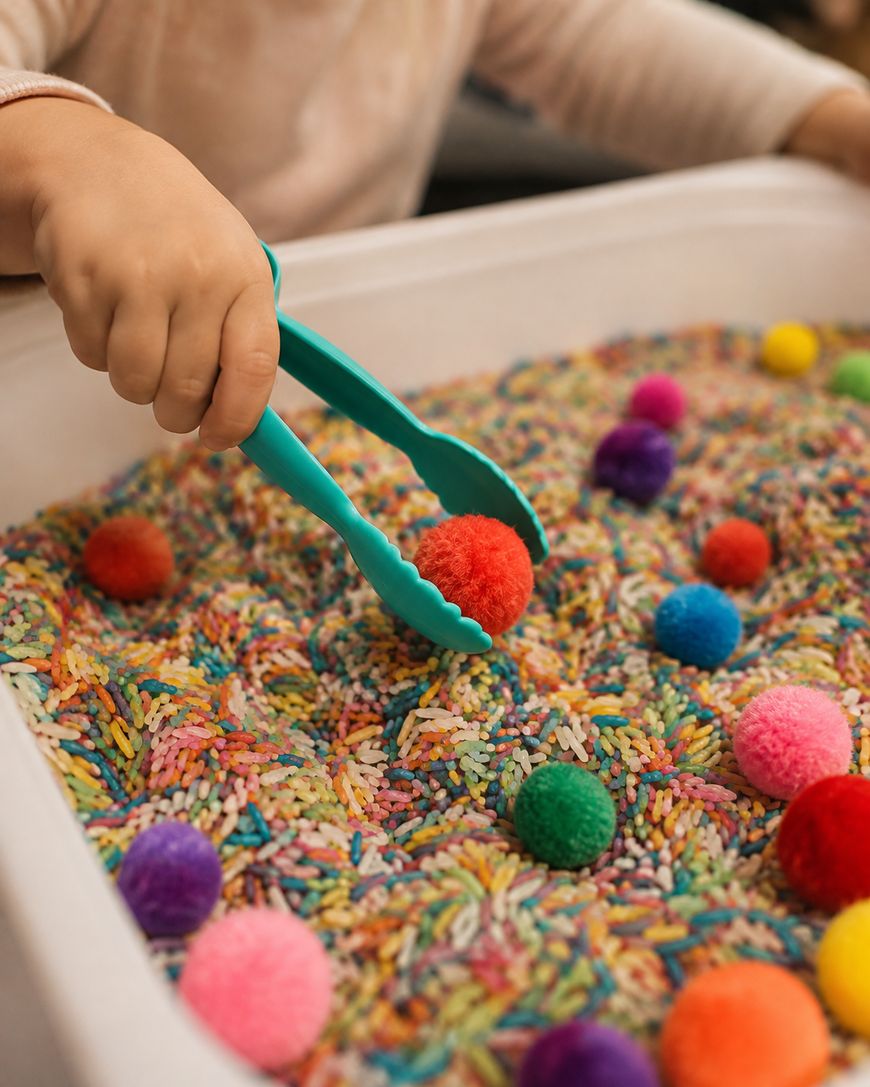
Hide small toys, plastic letters, or dinosaur figures inside the rice for your child to dig out with a spoon or small scoop. Add a pair of kid sized tongs to the bin so your preschooler practices pincer grip while they search.
This bin works well for open ended play, but you can also turn it into a matching game. Hide pairs of objects and have your child find both halves before moving on to the next pair.
Water Bead Sensory Tub
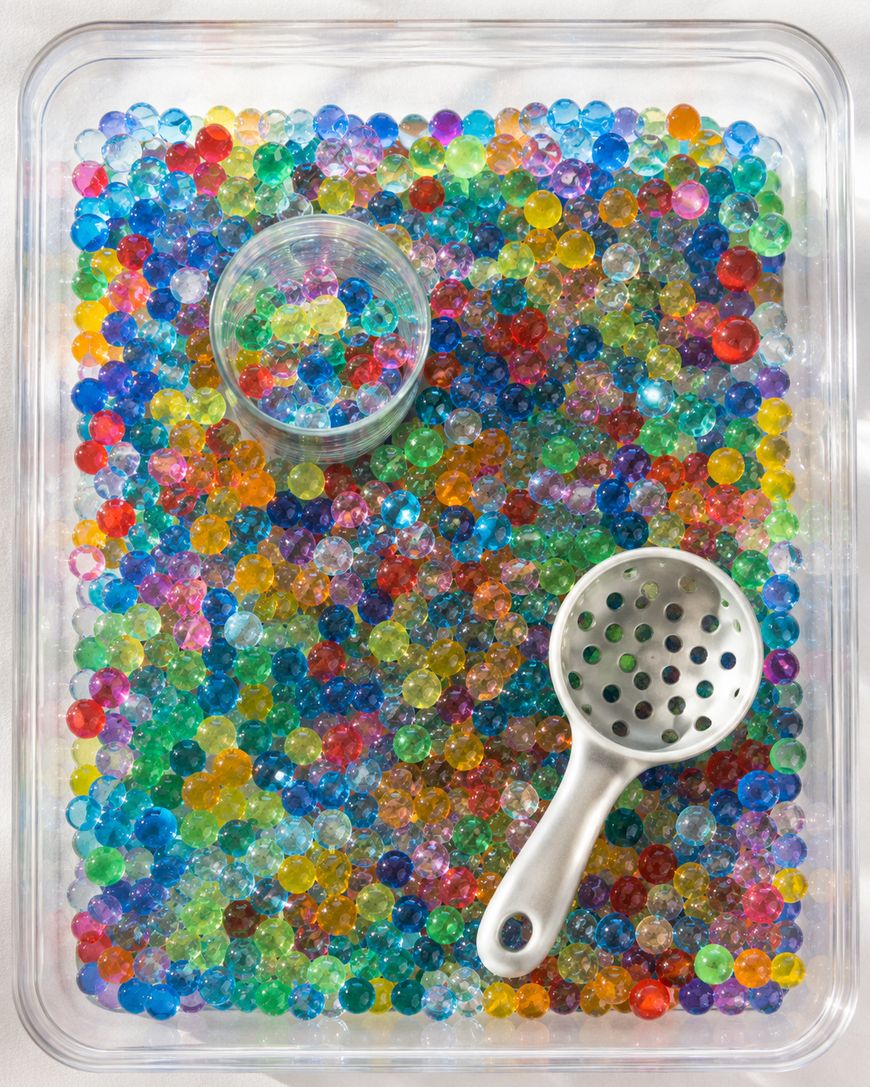
Water beads start as tiny hard pellets and grow into squishy, colorful orbs once soaked, which makes them endlessly fascinating for preschoolers. Soak a packet according to the instructions, usually a few hours, and then transfer them into a large bin with raised edges to catch stray beads.
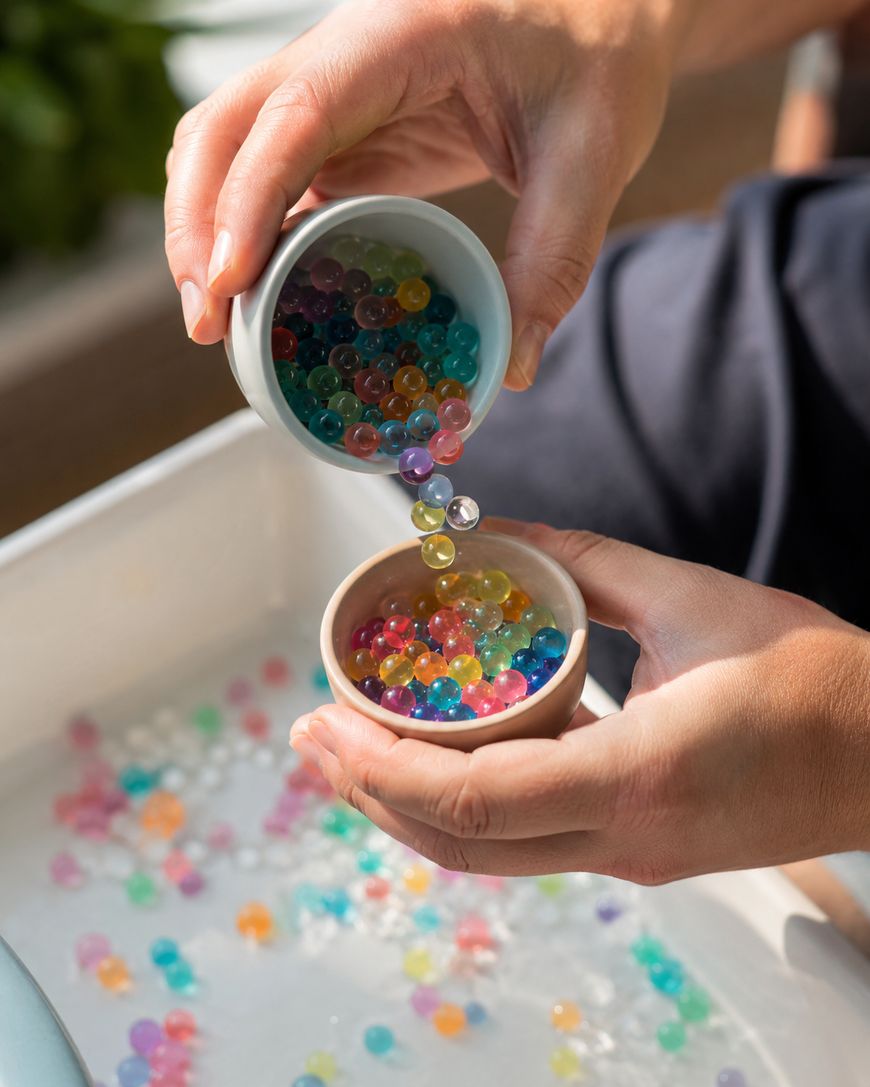
Add small cups, spoons, and a slotted scoop so your child can transfer beads from one container to another. This kind of pouring and scooping work strengthens hand muscles that your preschooler will later use for writing.
Supervise this bin closely since the beads are a choking hazard for younger siblings. Once playtime ends, beads can be scooped into a sealed container and kept in the fridge for a few days of reuse.
Kinetic Sand Construction Zone
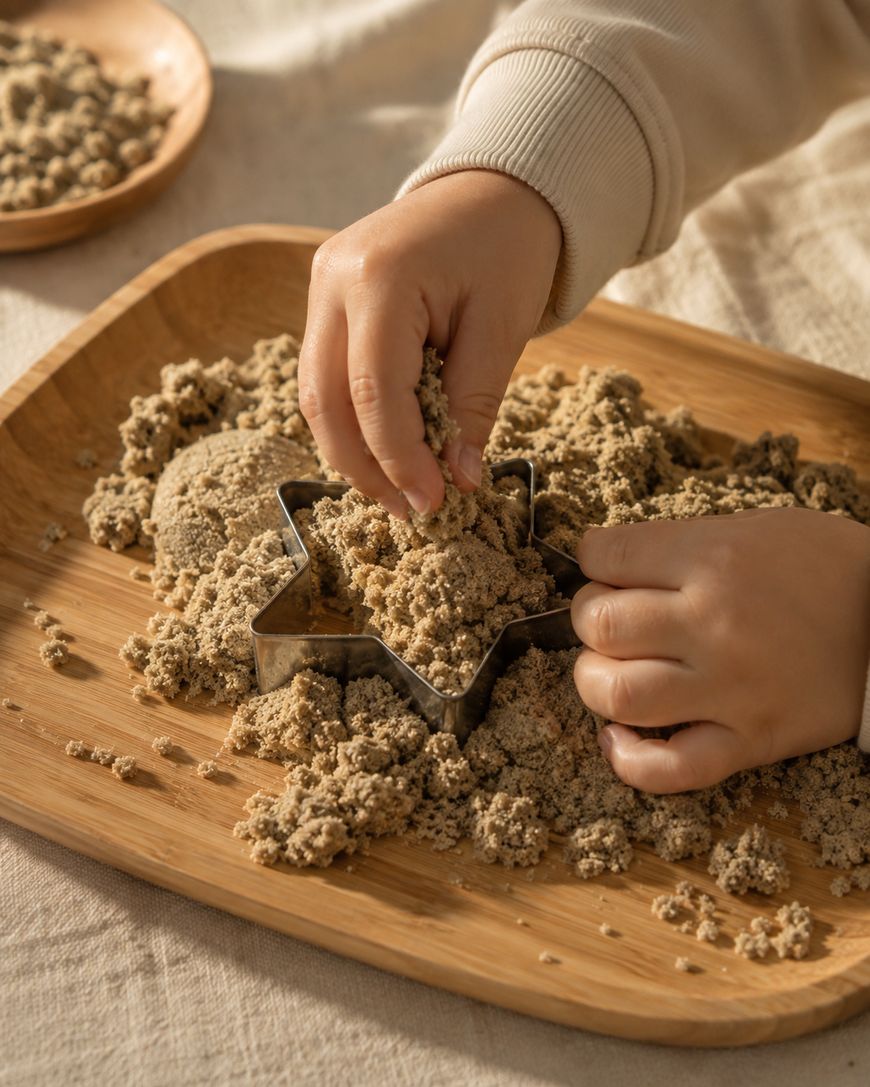
Kinetic sand holds its shape better than regular sand, which makes it ideal for building without the frustration of constant collapsing. Pour a few pounds into a bin and add small construction vehicles, cookie cutters, or wooden blocks.
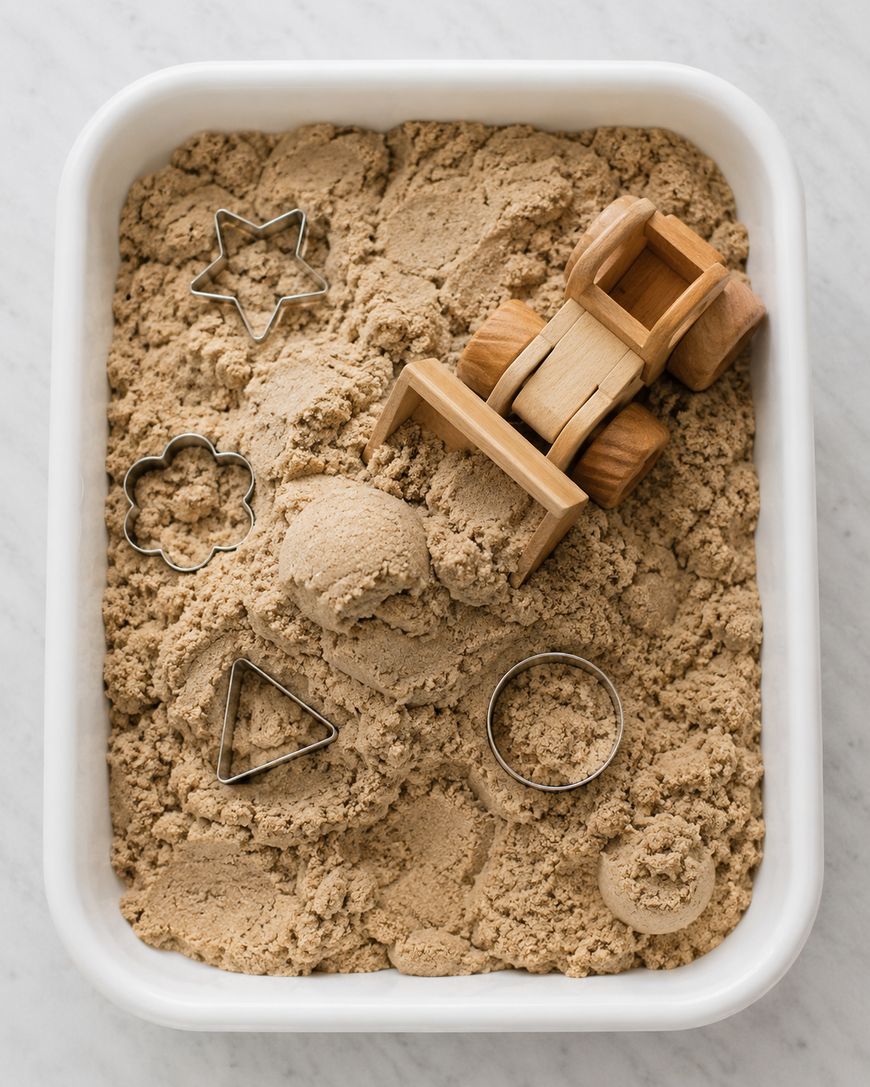
Toss in a few toy animals or figures so the bin doubles as imaginative play alongside the sensory exploration.
Kinetic sand tends to stay contained better than dry sand, but a tray or large tub underneath still helps with cleanup. Store it in an airtight container between uses so it stays soft and pliable.
Nature Walk Sensory Bin
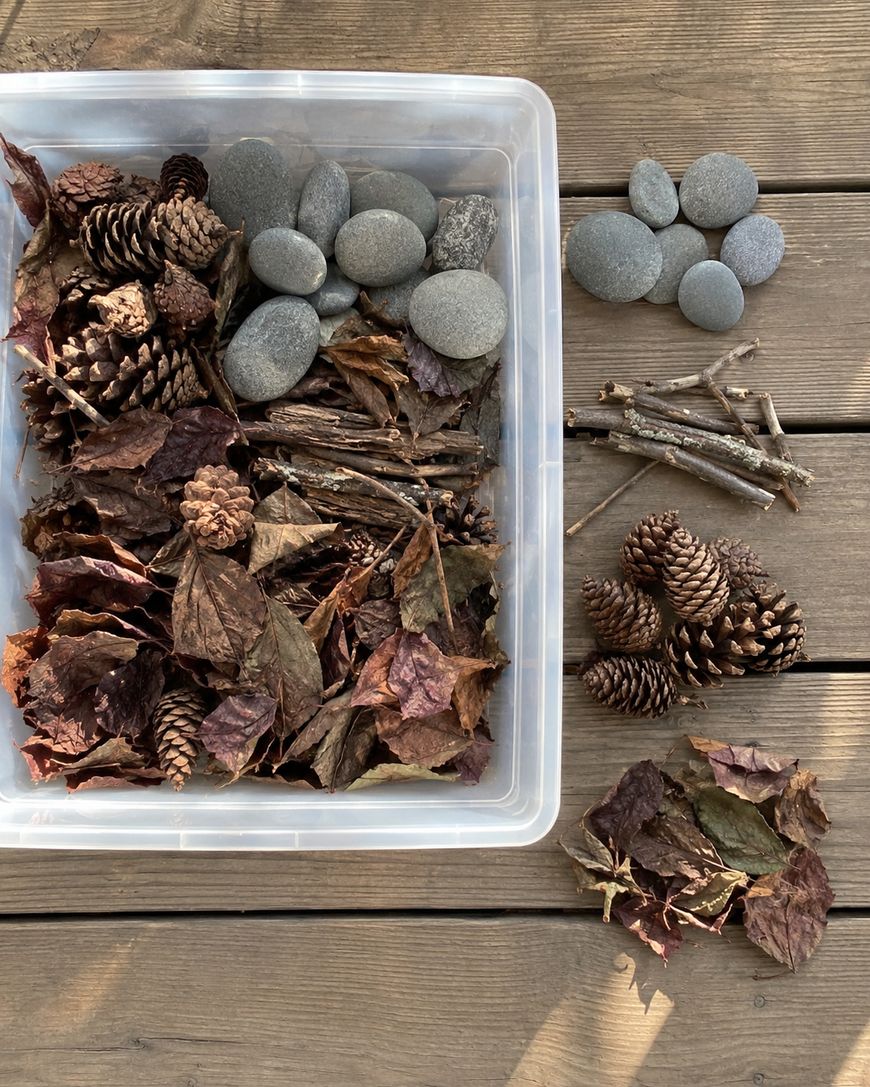
Bring the outdoors in by filling a bin with pinecones, smooth stones, leaves, and twigs collected on a walk with your child. This bin costs nothing beyond a container and gives preschoolers a chance to sort and classify natural materials by size, texture, and color.
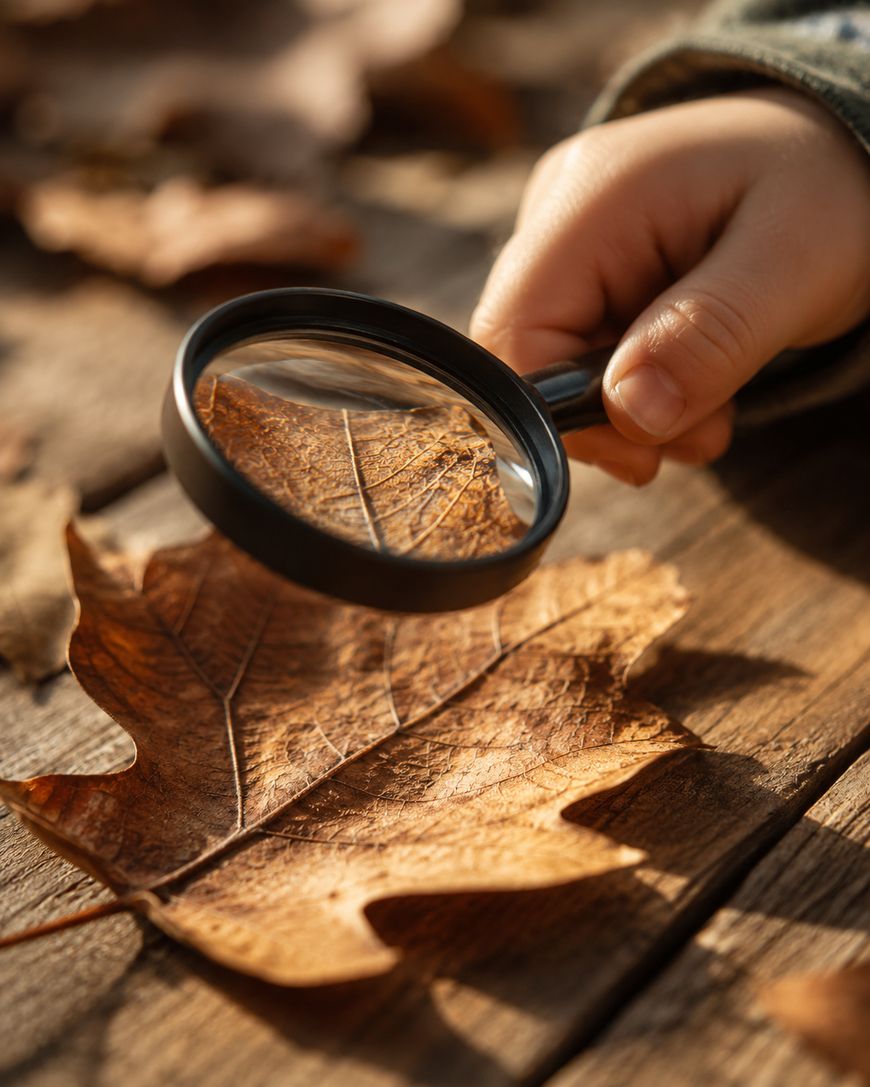
Add a magnifying glass so your child can examine bark patterns or the veins on a leaf up close. Sorting trays work well here too, letting your preschooler group items into categories as they explore.
This bin pairs naturally with simple counting or color matching activities. You can ask your child to find five smooth stones or three brown leaves to add a light academic layer to the play.
Foam Soap Cloud Bin
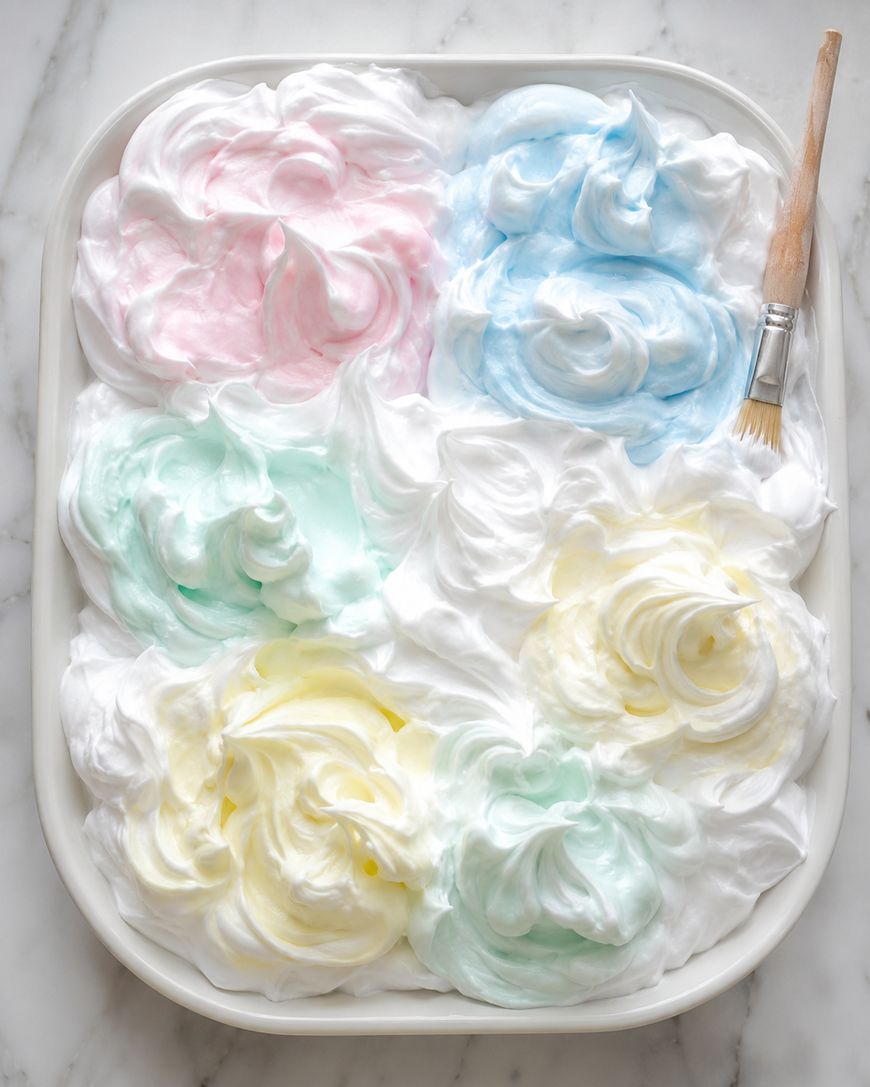
Whip dish soap with a hand mixer until it forms stiff, cloud like peaks, then spoon it into a shallow tray for a bin that feels completely different from grainy or beaded fillers. Preschoolers love squishing the foam between their fingers and watching it hold shapes.
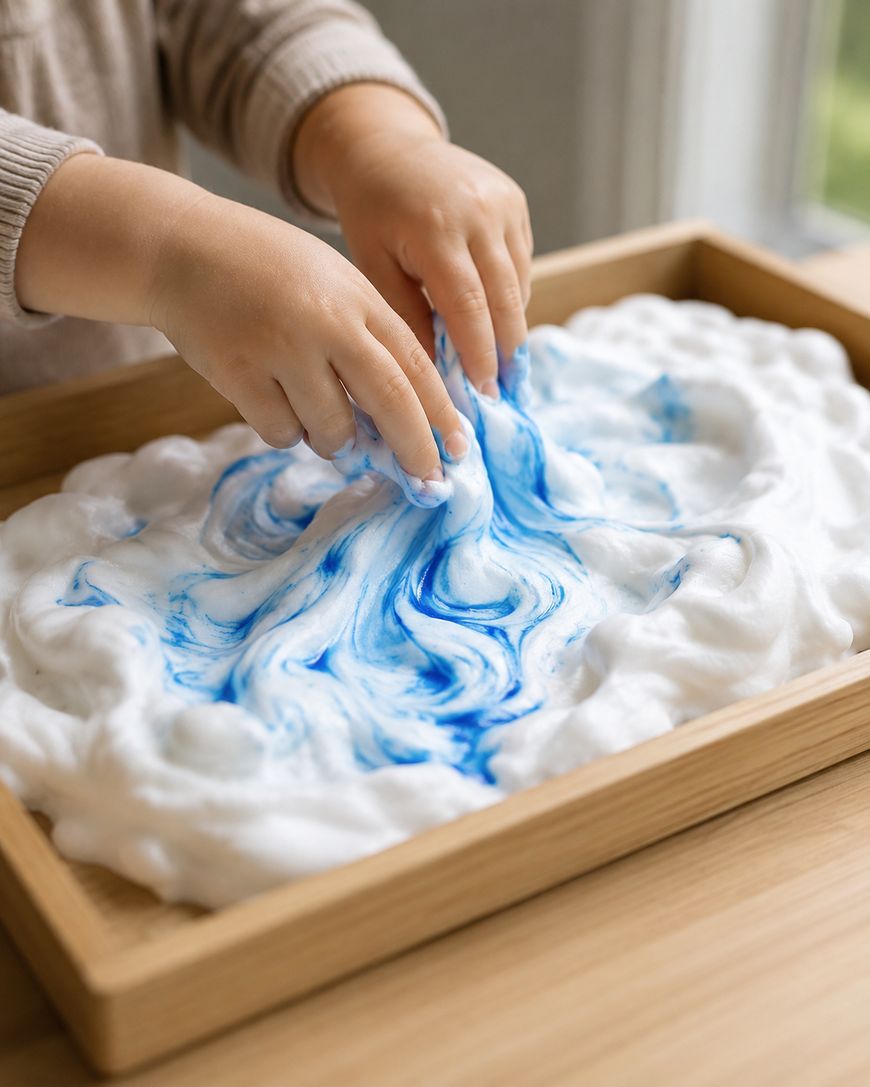
Add a few drops of food coloring to sections of the foam so your child can mix colors as they play. Give them a paintbrush or spatula to spread the foam across a tray for an activity that blends sensory play with early art skills.
This bin is naturally washable since it is just soap, which makes it a good option for a bathtub or outdoor table setup. Rinse hands and tools with warm water when playtime wraps up.
Dried Pasta and Scoop Bin
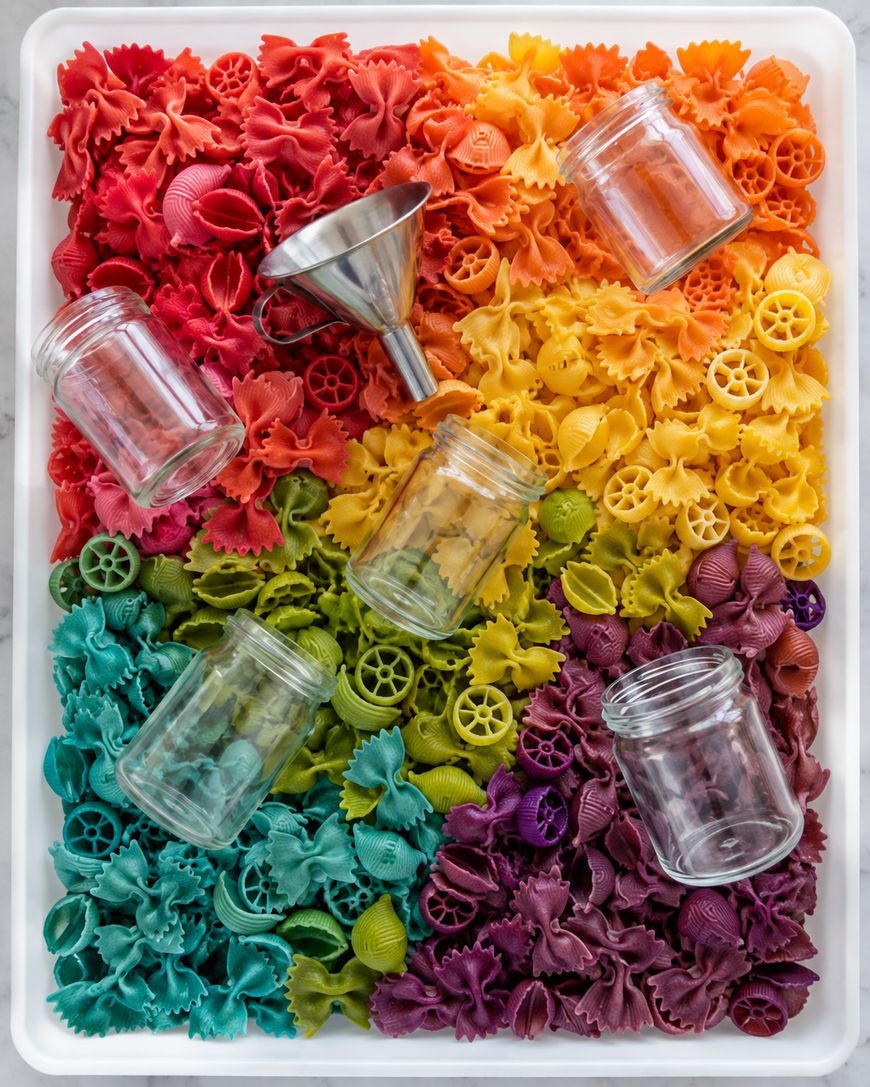
Dyed pasta shapes create a colorful, low mess alternative to rice for families who want an easier cleanup. Boil pasta briefly, toss it in a bag with food coloring and a splash of vinegar, then spread it out to dry on a baking sheet.
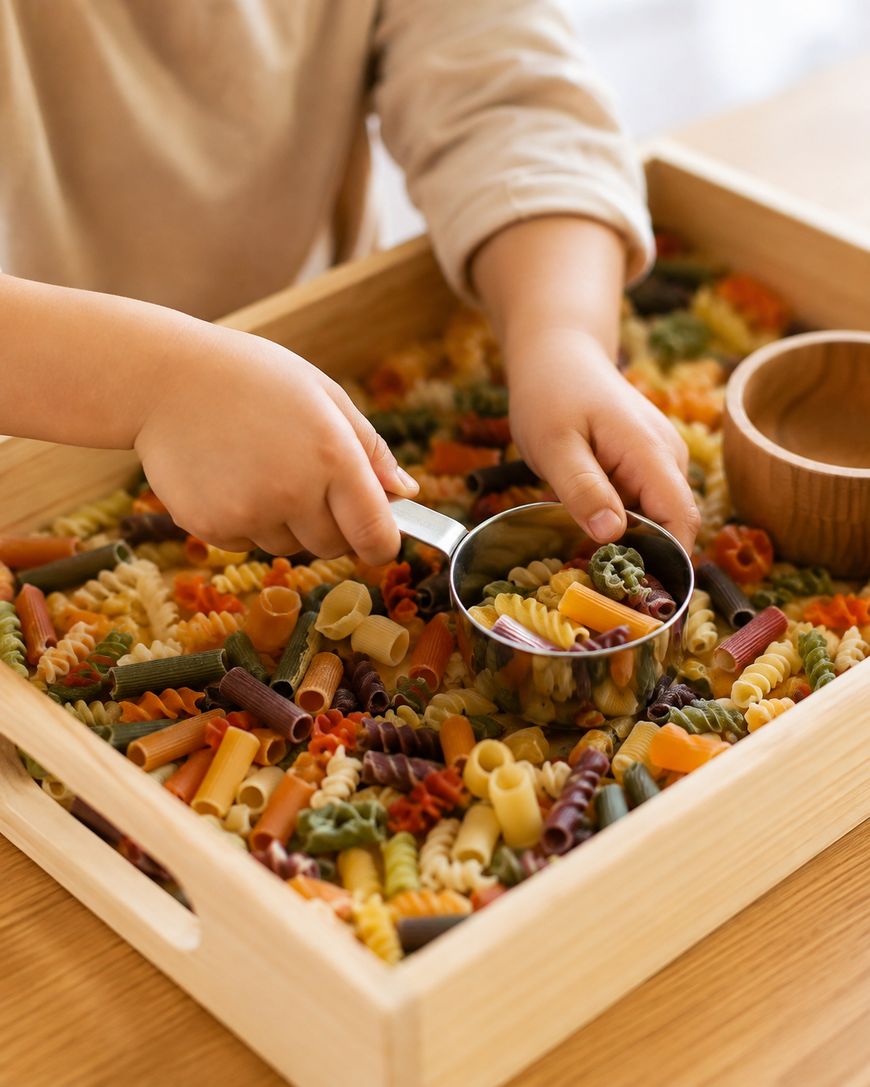
Once dry, pour the pasta into a bin with measuring cups, funnels, and small jars for pouring practice. Different pasta shapes, like bowties, shells, and wheels, also give your preschooler a natural sorting activity built right in.
This bin holds up well over several play sessions since dried pasta does not spoil quickly. Store it in a sealed container between uses to keep it fresh and ready to go.
Why Sensory Bins Matter for Preschoolers
Sensory bins give preschoolers a low pressure way to build skills that carry over into the classroom. Scooping, pouring, and pinching small objects strengthens the same hand muscles your child will use for holding a pencil and using scissors.
These bins also support language development, since naming textures, colors, and objects gives your preschooler new vocabulary in a natural setting. Calm, repetitive sensory play can additionally help regulate emotions, which is part of why so many preschool classrooms keep a bin on hand for transition times.
Beyond the developmental benefits, sensory bins buy you a stretch of focused, independent play. That makes them a practical tool on busy afternoons when you need fifteen or twenty minutes to get something else done.
Frequently Asked Questions
How often should you rotate sensory bins?
Most preschoolers stay interested in a bin for one to two weeks before losing interest. Swapping the filler material or the hidden objects inside the same bin is often enough to renew their curiosity without buying anything new.
What age is appropriate for sensory bins?
Sensory bins work well for children from about eighteen months through early elementary age, with the filler material adjusted for safety. Toddlers under three should stick to larger, non choking hazard fillers like water beads under supervision or soft dyed pasta.
How do you contain the mess from sensory bins?
Placing the bin on a large towel, shower curtain, or plastic tablecloth catches most spills before they reach the floor. Some families set the bin inside a kiddie pool for an extra layer of containment during active play.
Can sensory bins help with a specific skill like counting?
Yes, sensory bins are a flexible tool for reinforcing counting, sorting, and color recognition alongside the tactile play. Adding simple prompts, like finding a certain number of objects, turns free play into a light learning moment without feeling like a worksheet.
What household items work as sensory bin filler?
Dried beans, rice, pasta, shredded paper, and even cotton balls all work well as filler and are likely already in your pantry or craft supplies. Choosing a filler based on what you have on hand is an easy way to try sensory bins for preschool without a special shopping trip.
How long does a typical sensory bin session last?
A well stocked bin with tools and hidden objects can hold a preschooler’s attention for twenty to forty minutes. Session length usually depends on how many activities, like scooping, sorting, and hiding objects, are built into the setup.
Bring Sensory Play Into Your Week
Sensory bins for preschool do not need to be complicated or expensive to be effective. Pick one of the setups above, gather a few supplies you likely already have, and give your preschooler a fresh bin to explore this week.


Leave a Reply