Last updated: August 30, 2026
Newborn must haves are the essential items you need to safely feed, diaper, dress, and soothe your baby during the first 8–12 weeks without overbuying. The simplest default approach is to start with a safe sleep setup, a basic feeding plan, and a tight diaper-and-clothing rotation you can wash every 2–3 days.
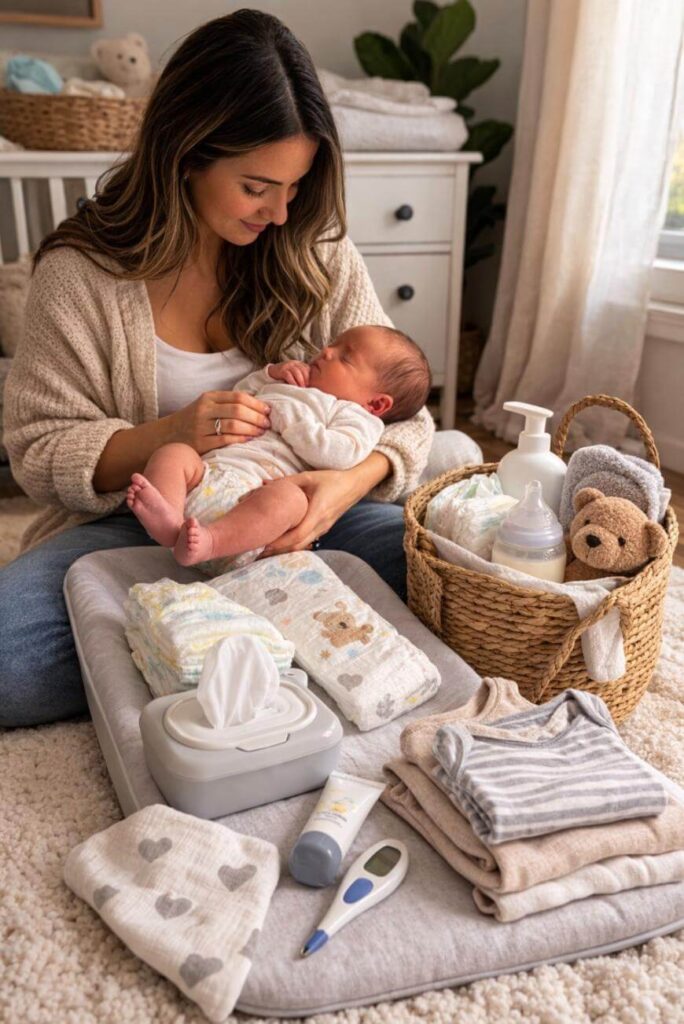
Newborn Must Haves Checklist
1. Safe Sleep Space
You need a firm, flat sleep surface that meets current safety standards, like a crib, bassinet, or pack-and-play.
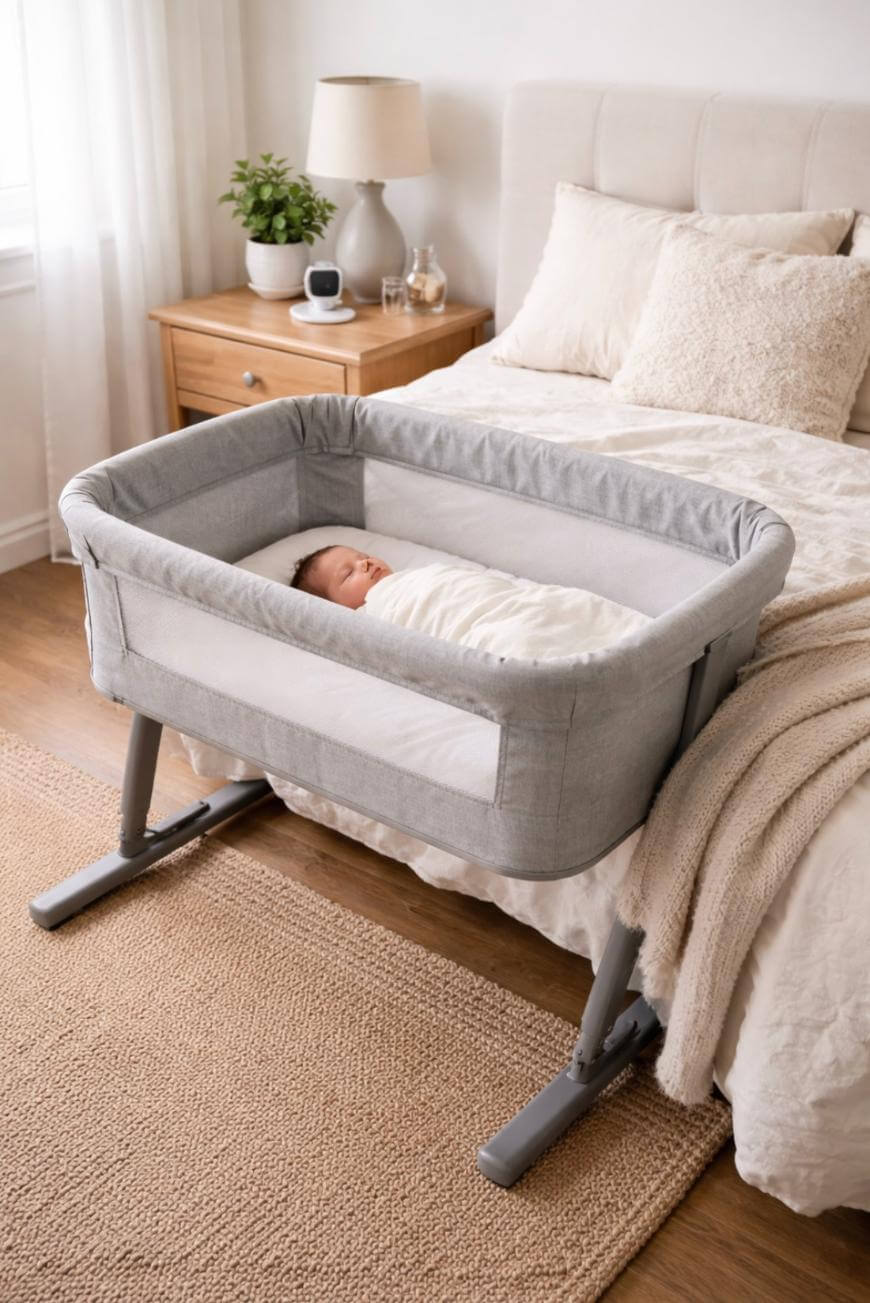
Most families do best with a bedside bassinet for the first 2–4 months, then transition to a crib when baby starts rolling or outgrows it.
2. Crib Mattress And Waterproof Protector
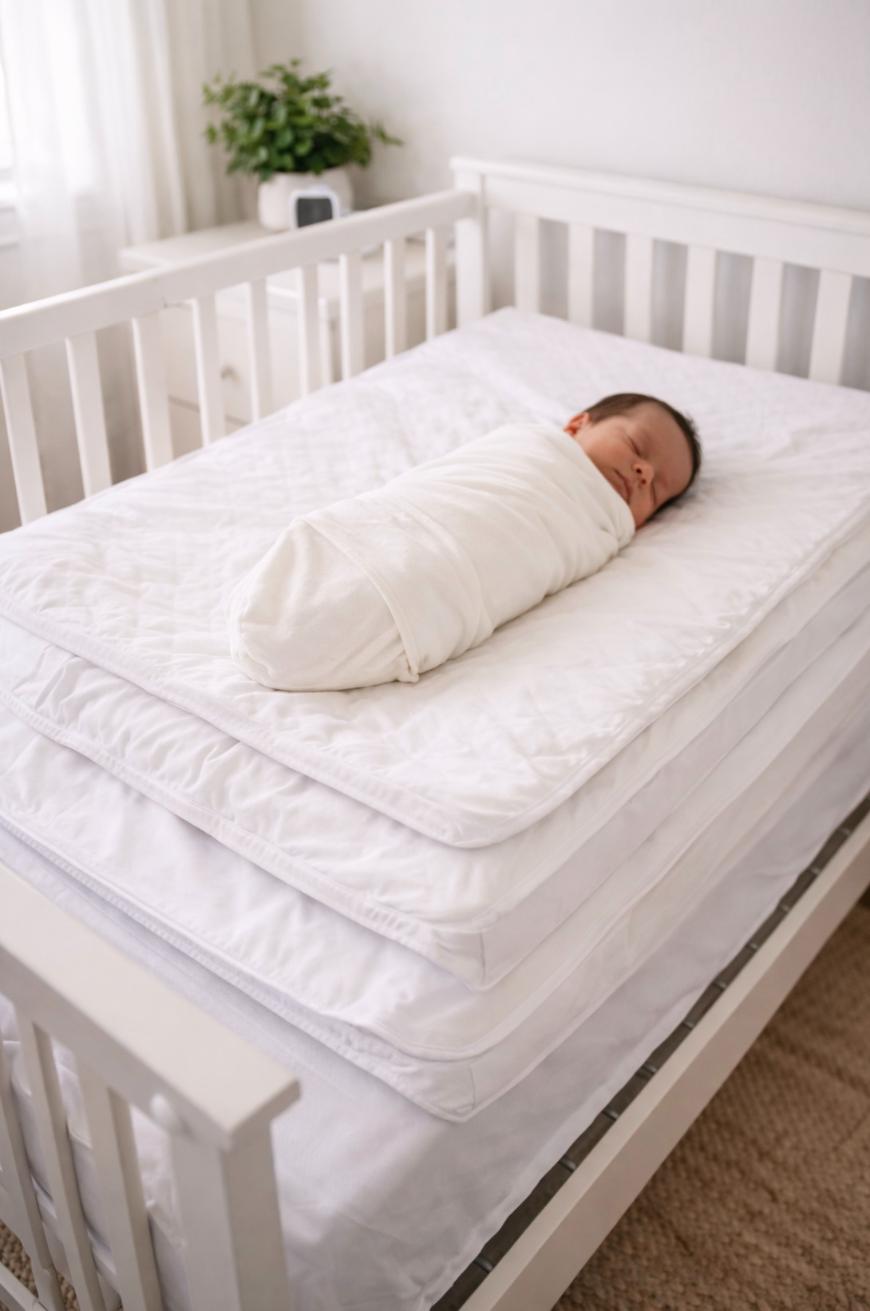
A firm mattress is non-negotiable for safe sleep, and a waterproof protector saves you from middle-of-the-night sheet changes.
Buy 2 protectors if you can so you can layer: protector, sheet, protector, sheet for fast swaps.
3. Fitted Sheets
You’ll want 2–4 fitted sheets so you’re not doing laundry at 3 a.m.
Stick to tight-fitting sheets designed for your exact mattress size.
4. Swaddles Or Sleep Sacks
Swaddling can help calm the startle reflex, and sleep sacks are a great next step once baby shows signs of rolling.
A practical starter set is 2–3 swaddles plus 2 sleep sacks in newborn/0–3 sizing.
5. Car Seat (Infant Or Convertible)
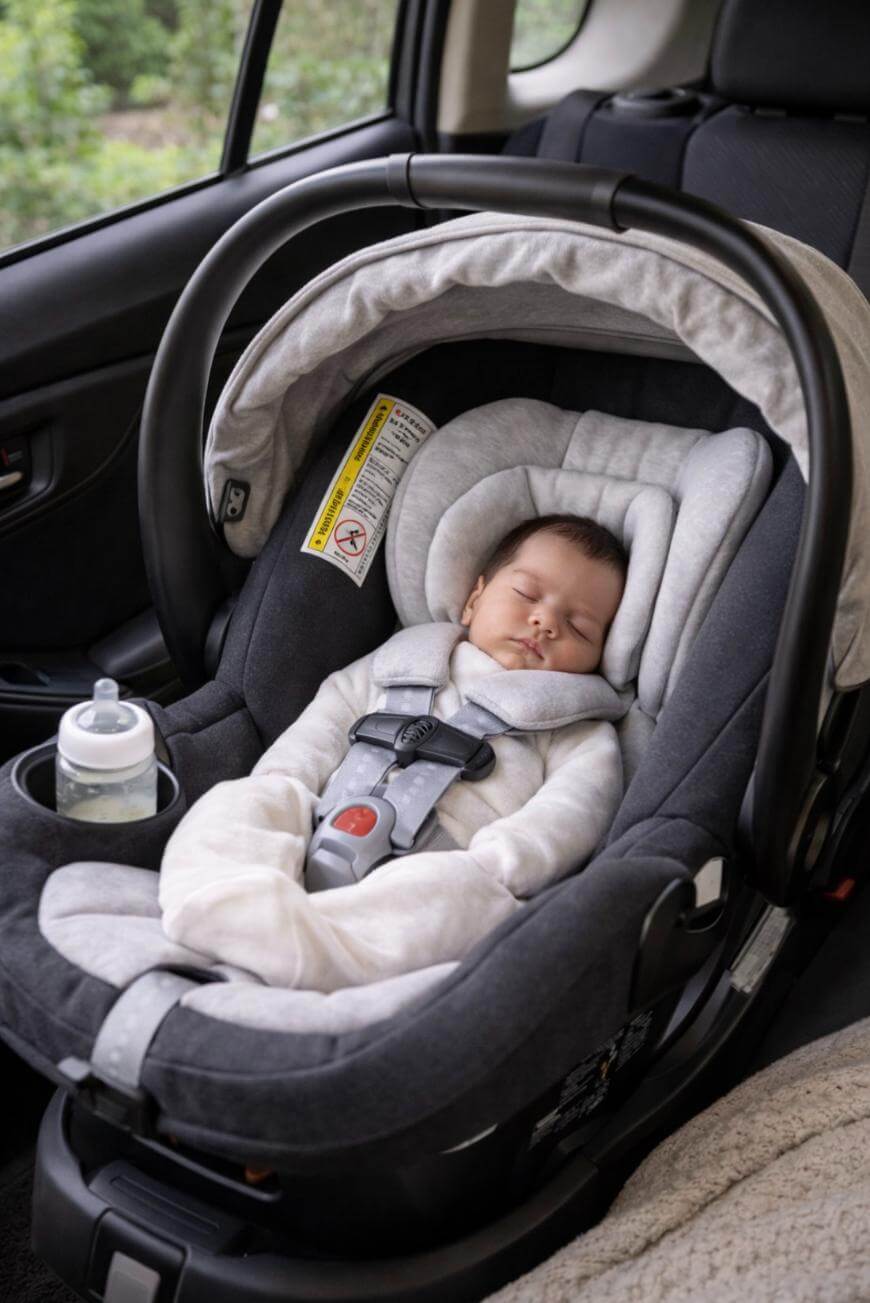
You need a properly installed car seat before baby arrives; the hospital usually won’t discharge without one.
If you want maximum convenience for errands, an infant “bucket” seat is easiest, but a convertible seat works from day one if you prefer fewer purchases.
6. Stroller Or Baby Carrier
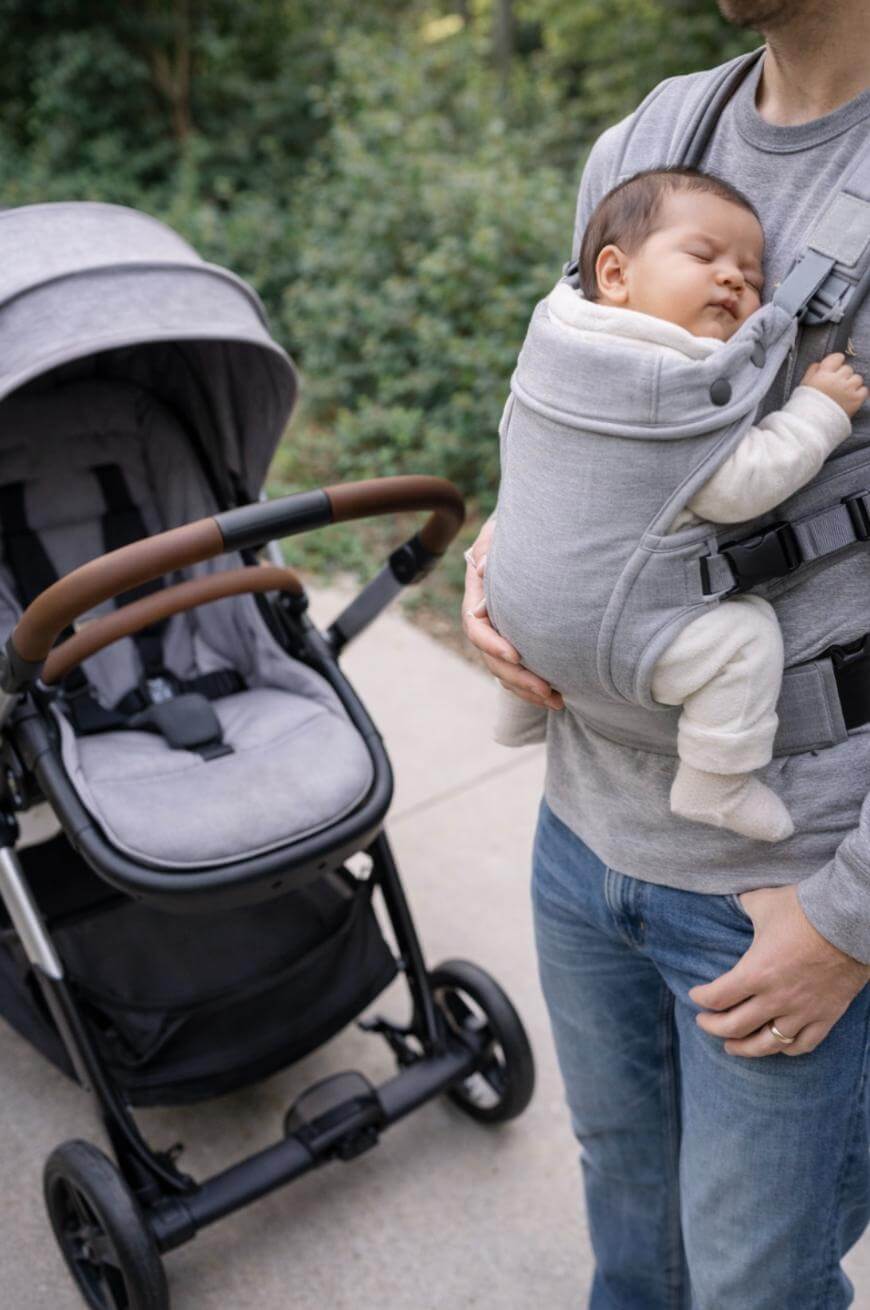
A stroller makes longer outings easier, while a soft structured carrier or wrap is perfect for quick trips and contact naps.
If you can only pick one at first, most parents get more daily use from a comfortable carrier during the newborn phase.
7. Diapers (Newborn And Size 1)
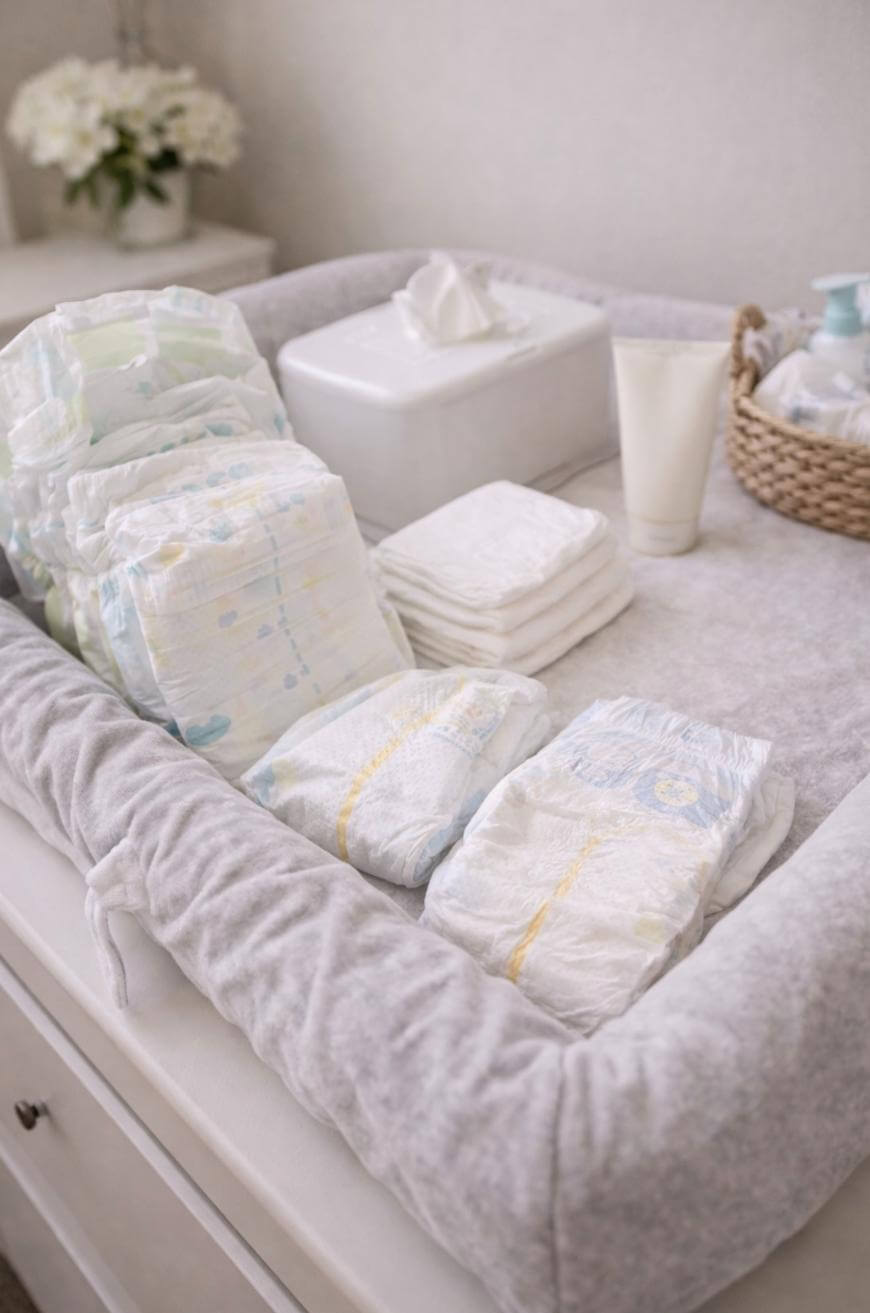
Some babies outgrow newborn sizes quickly, so have a small stash of each.
A realistic starting amount is 1–2 small packs of newborn and 1 pack of size 1, then adjust once you see what fits.
8. Wipes
You’ll go through wipes fast, and having them everywhere saves time.
Put a pack at each changing spot plus one in the diaper bag.
9. Diaper Cream Or Barrier Ointment
A simple barrier product helps prevent irritation before it turns into a full rash.
Use a thin layer at bedtime or anytime you notice redness starting.
10. Changing Pad Or Changing Station
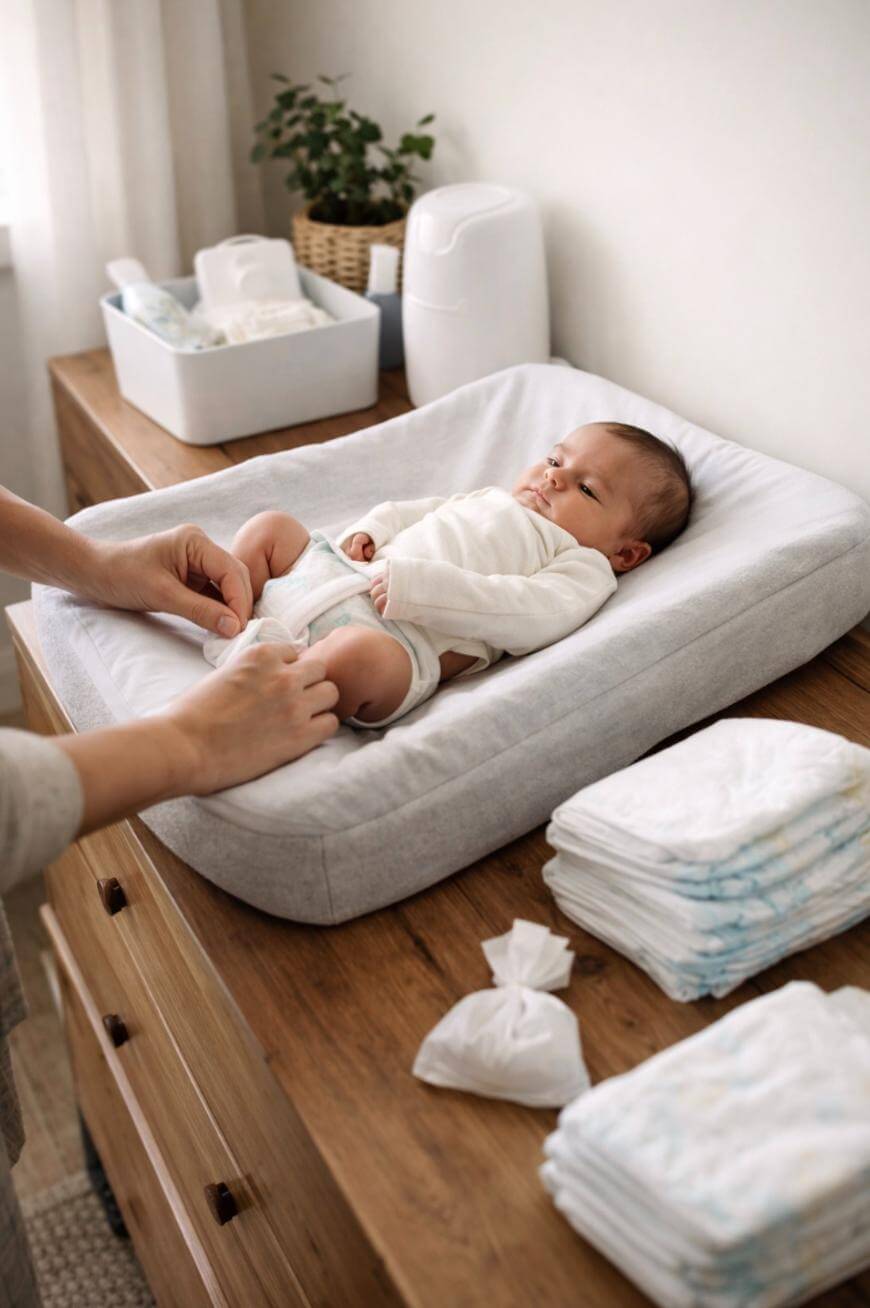
You don’t need a full changing table, but you do need a safe, wipeable place to change baby.
A contoured pad with a washable cover or a wipe-clean mat works well on a dresser or counter.
11. Diaper Pail Or Odor Control Plan
A diaper pail is convenient, but not mandatory if you’re consistent about taking trash out.
If you skip the pail, keep small trash bags at your changing area so you can tie off messy diapers immediately.
12. Burp Cloths
Spit-up happens constantly in the early weeks, and paper towels won’t cut it.
A helpful baseline is 8–12 burp cloths so you’re not running laundry daily.

13. Baby Washcloths And Hooded Towel
Newborn baths are quick, but soft washcloths make them easier.
One hooded towel is fine; two is a nice upgrade if you do baths more often.
14. Baby Bath Or Sink Insert
A small baby tub supports baby safely and makes bath time less stressful.
If space is tight, a compact sink insert is the easiest option to store.
15. Gentle Baby Soap And Lotion
Keep it simple: fragrance-free or lightly scented products tend to be easiest on newborn skin.
You don’t need a full skincare lineup—one gentle wash and one basic lotion are enough.
16. Nail Clippers Or Electric Nail File
Newborn nails are sharp, and scratching is common.
Many parents find an electric nail file less intimidating than clippers in the first month.
17. Thermometer
A reliable digital thermometer is a true must-have.
Keep it where you can find it fast, not buried in a drawer.
18. Feeding Supplies (Your Path)
You only need what matches how you plan to feed: breast, formula, or combo.
For breastfeeding, start with nursing bras, nipple cream, and a few breast pads; for formula, start with bottles, a drying rack, and enough formula for at least several days.
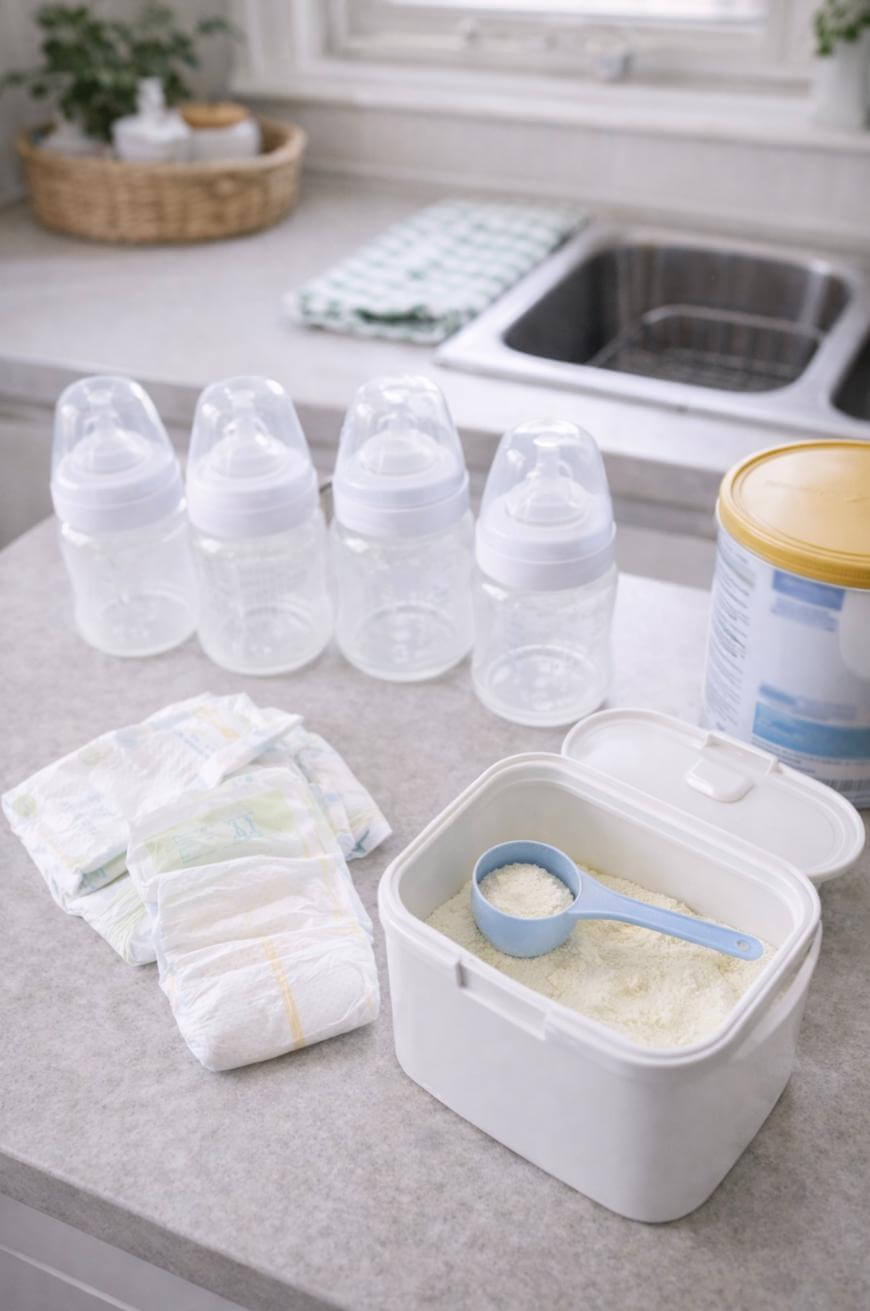
19. Bottles And Slow-Flow Nipples
Even if you plan to breastfeed, a few bottles can be helpful for pumped milk or occasional feeds.
Start with 4–6 bottles and newborn/slow-flow nipples to reduce gulping and spit-up.
20. Pacifiers (Optional But Useful)
Some babies love pacifiers for soothing, and some refuse them completely.
Get 2–3 styles so you can test without overspending.
21. Basic Clothing In Easy Sizes
The newborn stage is all about quick changes, not cute outfits.
A simple rotation is 6–10 bodysuits, 6–8 sleepers, and 2–3 hats, with most items in 0–3 months because babies grow fast.

22. A Few Weather Layers
You’ll want one warm layer (like a soft bunting or cardigan) depending on season, plus socks if your baby actually keeps them on.
Skip complicated pieces that require lots of adjusting during diaper changes.
23. Baby Laundry Detergent Or Sensitive Detergent
You don’t need a special baby detergent, but you do want something gentle and consistent.
If you’re troubleshooting skin irritation, fragrance-free is the easiest starting point.
24. Diaper Bag With Simple Organization
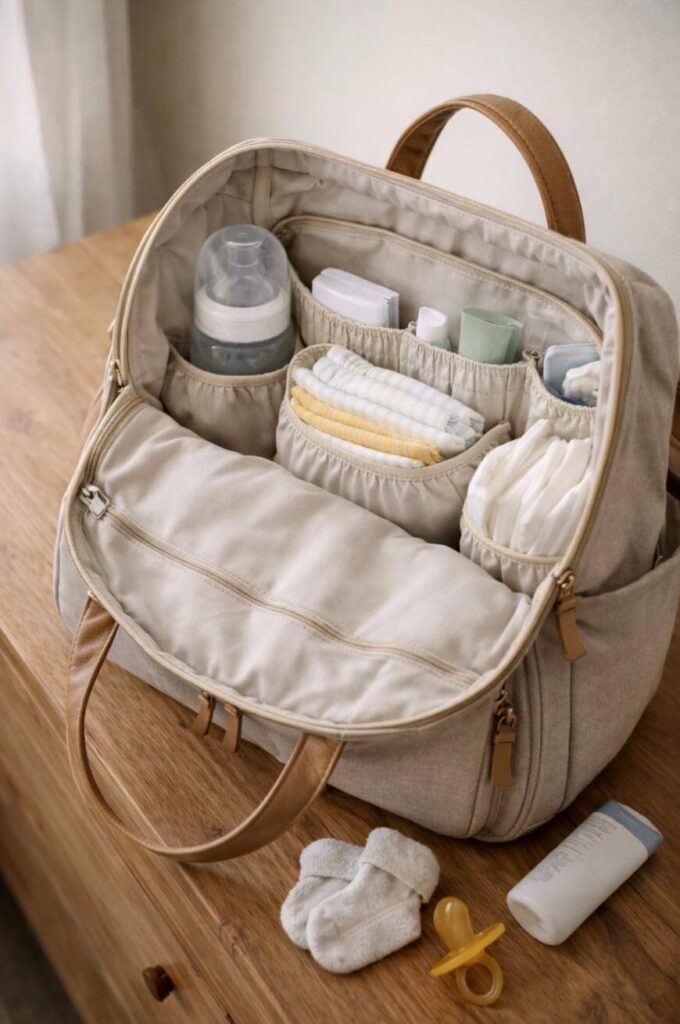
The best diaper bag is the one that’s easy to restock.
Aim for one main compartment, a wipe pocket, and space for 2–3 diapers, a change of clothes, and a small wet bag.
25. A Small First Aid Basics Kit
You’ll feel calmer having basics on hand.
Think: saline drops, a nasal aspirator, and baby-safe nail care (plus your thermometer from earlier).
What You Can Skip At First (And Buy Later If Needed)
Wipe Warmers And Bottle Warmers
They can be nice, but they’re not essential and can add clutter fast.
Most babies adjust fine to room-temp wipes and bottles once you’re consistent.
Too Many Newborn Clothes
Newborn sizes can last two weeks or two months, so stocking up is risky.
If you want something cute, buy 1–2 special outfits and keep the rest practical.
Fancy Swings And Gadgets
Some babies love swings, some hate them, and they take up space.
If you’re tempted, try borrowing one first or buying secondhand after you know what calms your baby.
Practical Budget Guidance For Newborn Must Haves
A Realistic Starter Budget Range
You can cover true essentials for around $250–$600 if you focus on safety items and basics, and you already have a safe sleep option.
Big-ticket items like a stroller travel system can push that higher, so prioritize car seat + sleep first, then add convenience items as you learn your baby.
Key Takeaways
Safe sleep, a car seat, and a feeding plan come first.
Start with a small diaper stash in newborn and size 1.
Simple clothing wins: sleepers and bodysuits beat outfits.
Buy 2–4 sheets and 2 protectors for fast middle-of-night swaps.
A thermometer and basic care items reduce stress fast.
Skip gadgets until you know what your baby actually likes.
FAQ
Do You Need A Bassinet If You Have A Crib?
No, you don’t need a bassinet if you have a safe crib setup. Many parents still prefer a bassinet early on for convenience and nighttime access.
How Many Diapers Does A Newborn Use Per Day?
Most newborns use about 8–12 diapers per day. Start with small packs, then scale up once you know what fits and what brand you like.
Do You Need A Breast Pump Right Away?
No, you don’t always need a breast pump immediately. If you plan to pump early or build a freezer stash, it can help to have one ready in week one.
What’s The One Item People Forget Most Often?
A thermometer is one of the most commonly forgotten essentials. Having it on hand is especially helpful during the first cold or fever scare.
Must haves for first time moms
Breastfeeding tips for new moms
This post contains affiliate links. A full disclosure is available from the main menu.

Leave a Reply