Last updated: August 18, 2026
First time mom must haves are the essentials you’ll actually use in the first 0–12 weeks: a safe sleep setup, a way to feed, a way to move baby, a way to keep them clean, and a few “save your sanity” extras. The simplest default approach is to buy the basics first, then add convenience items after you’ve had a week at home and know what your baby (and your routine) really need.
First Time Mom Must Haves: 25 Essentials You’ll Use Constantly
1. A Safe Sleep Space
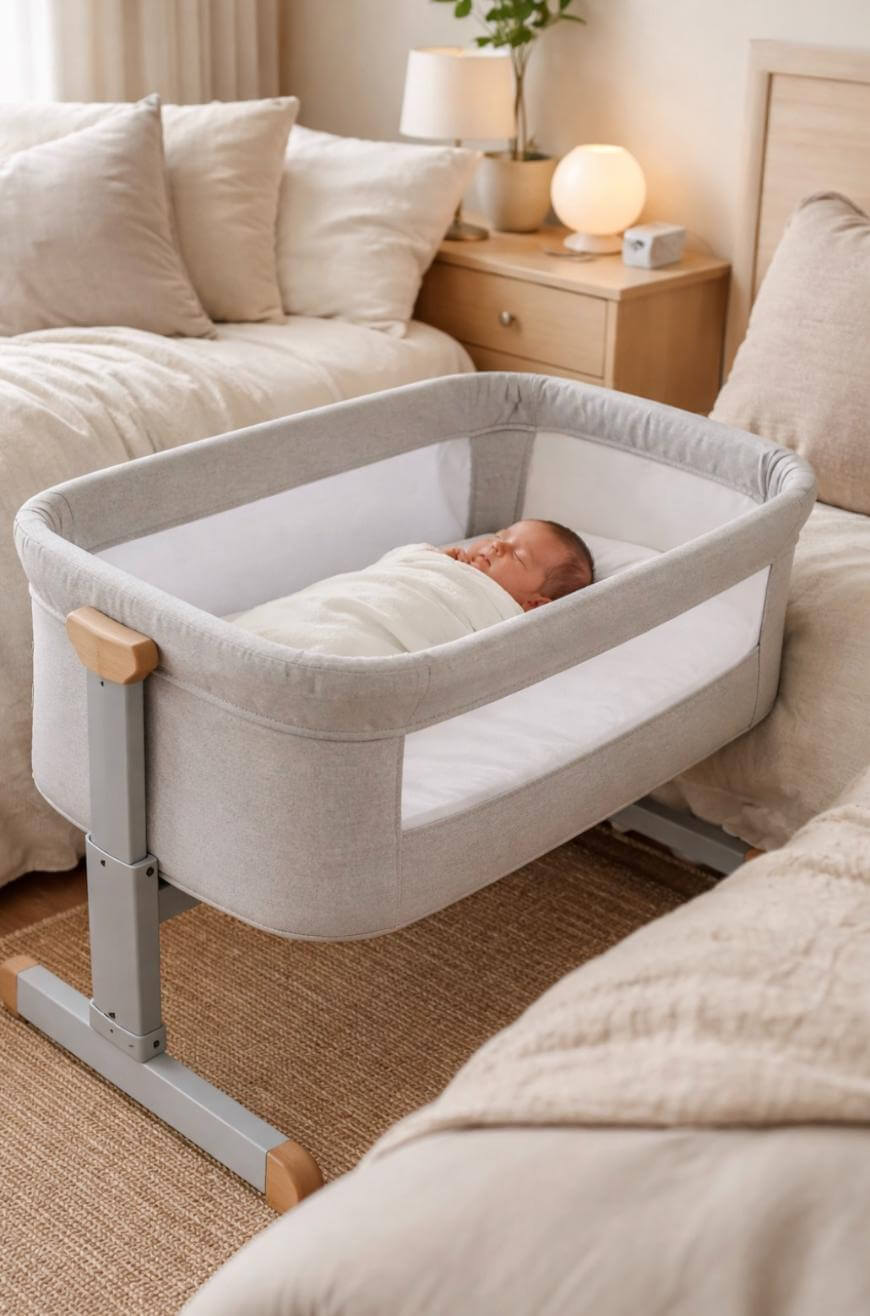
You need one approved sleep spot: a crib, bassinet, or pack-and-play with a firm, flat mattress.
If you’re keeping baby in your room at first (common), a bassinet can make nights easier without taking up much space.
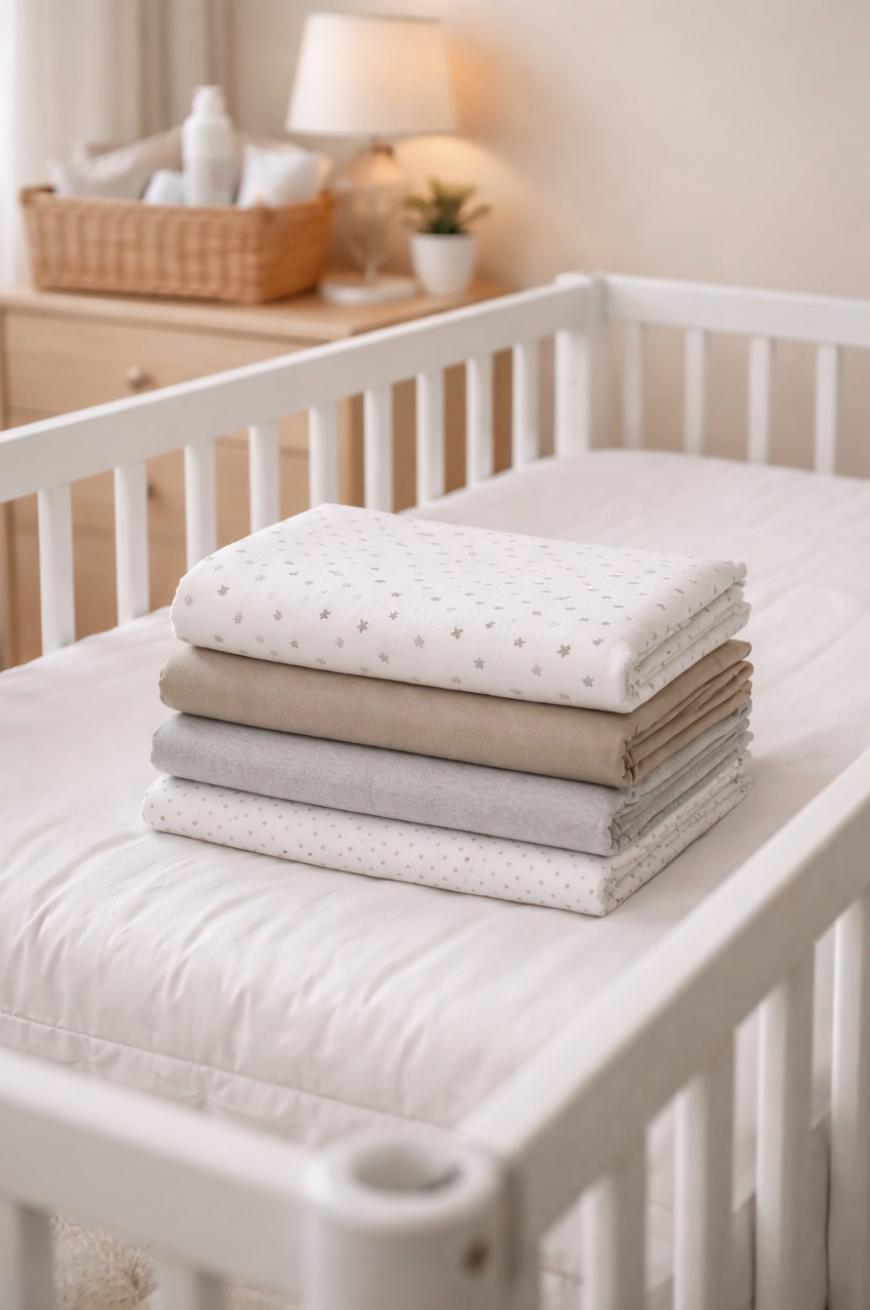
2. Fitted Sheets For That Sleep Space
Plan for at least 2–3 fitted sheets so you’re not doing laundry at 2 a.m.
If you can swing it, 4 sheets is the sweet spot for blowouts, spit-up, and surprise diaper leaks.
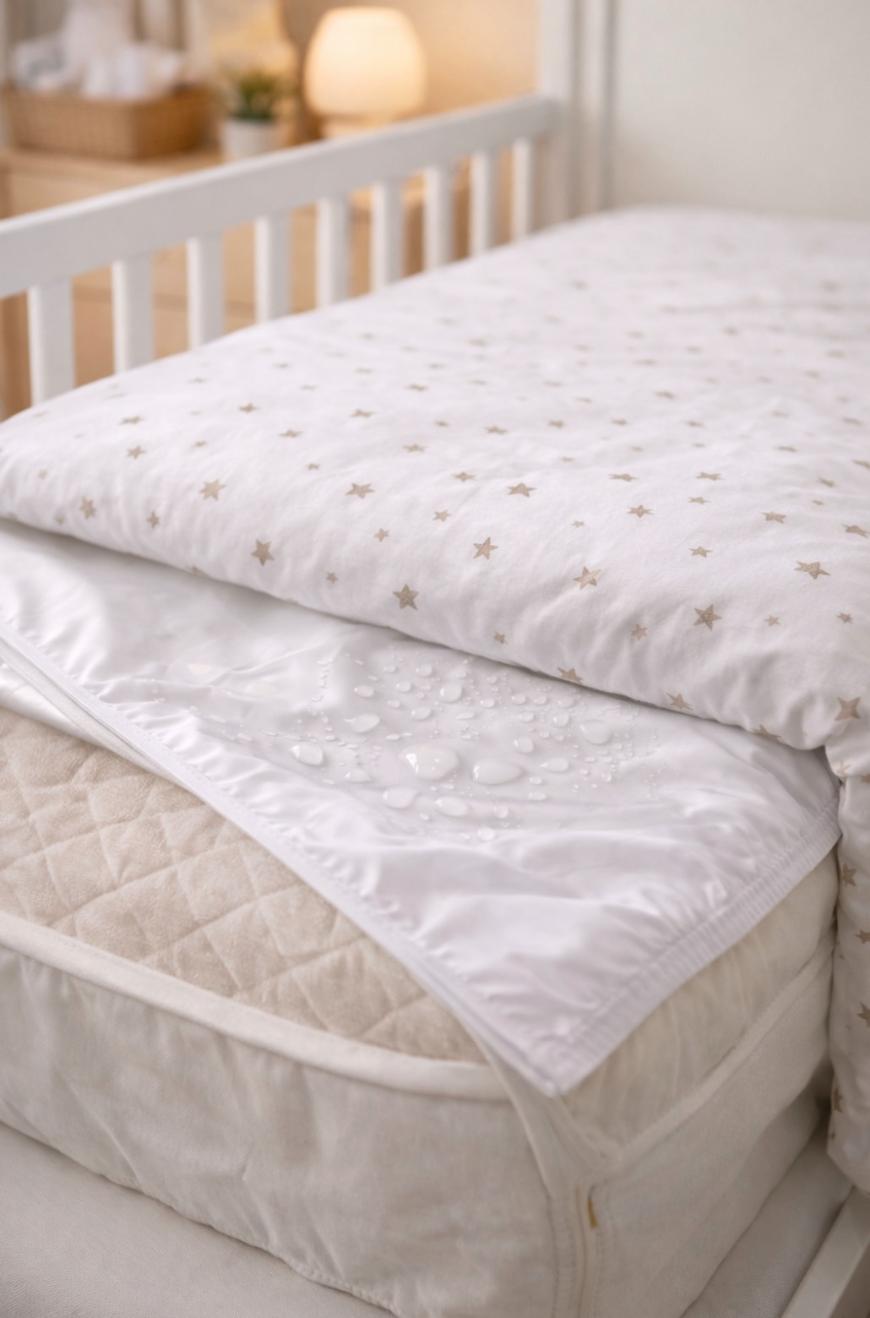
3. A Waterproof Mattress Protector
A protector saves the mattress from diaper leaks and spit-up, and it’s one of those “thank goodness I bought this” items.
If you can, get 2 so you can layer: protector + sheet + protector + sheet for quick middle-of-the-night swaps.
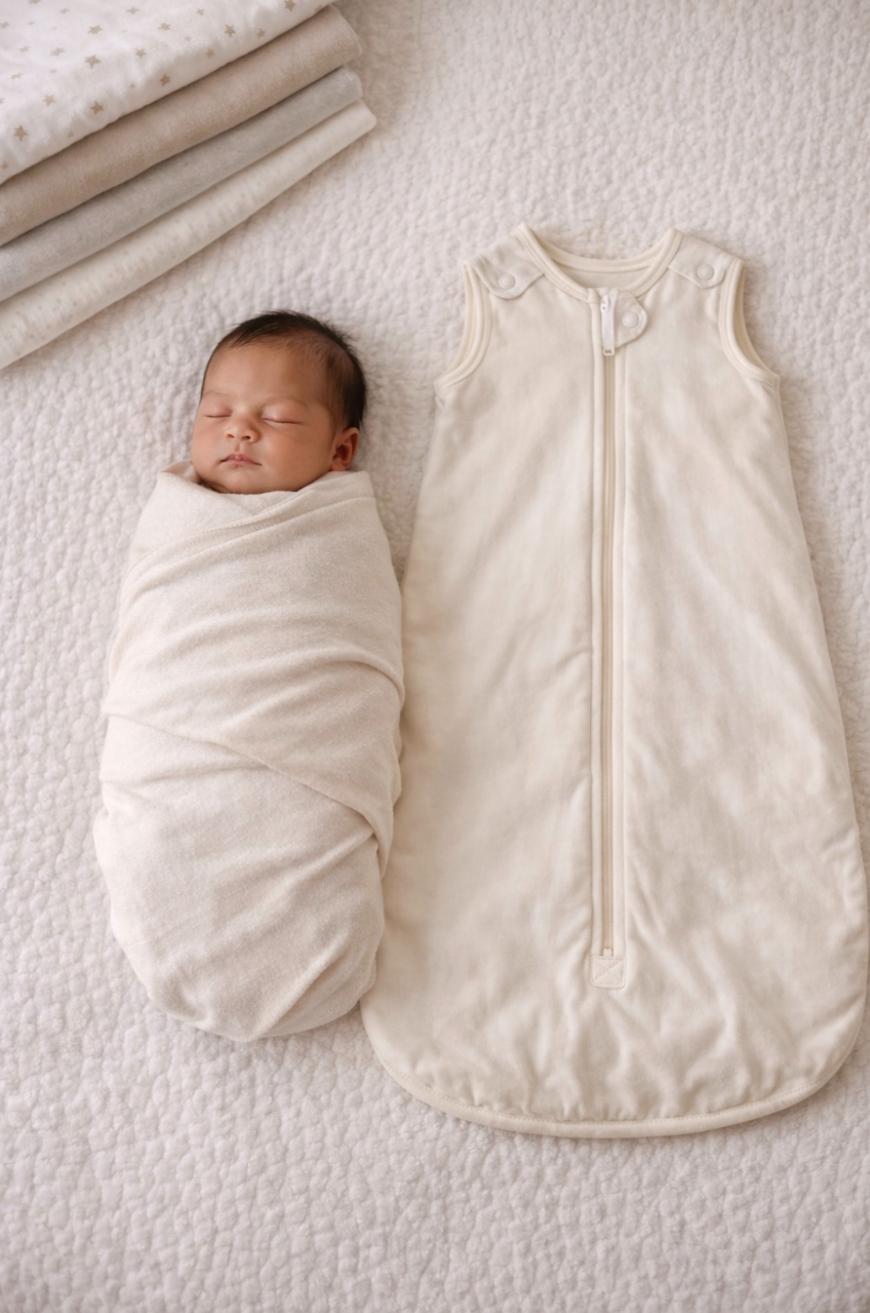
4. A Swaddle Or Sleep Sack
Swaddles help newborns feel secure, and sleep sacks become a longer-term staple once baby starts rolling.
A practical starting point is 2–3 swaddles and 2 sleep sacks so you always have a clean one ready.
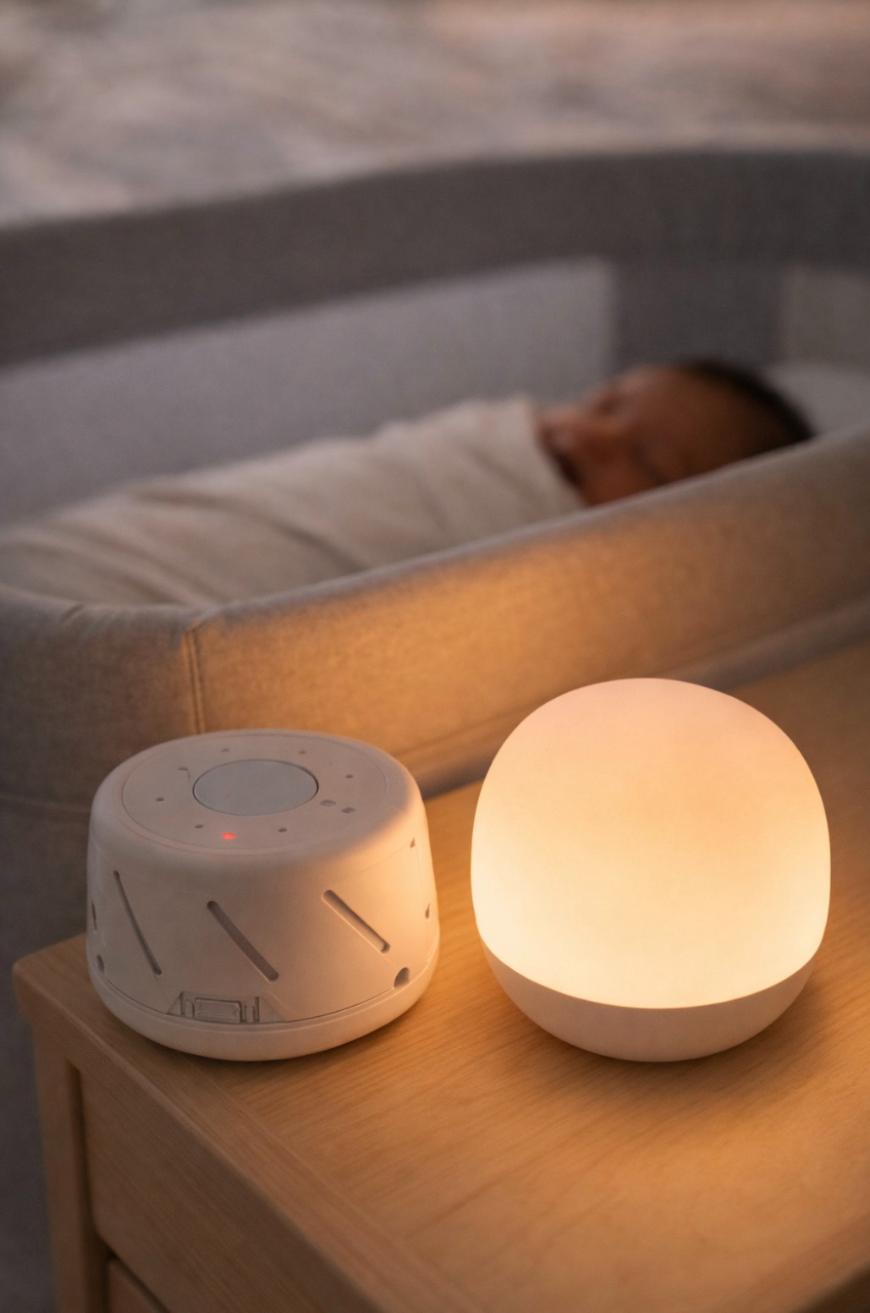
5. White Noise Machine
A steady sound can help baby sleep longer by masking household noise and sudden sounds.
Keep volume moderate and place it across the room, not right beside baby’s head.
6. A Dim Night Light
A soft night light makes night feeds and diaper changes easier without fully waking you (or baby) up.
Pick one that’s warm-toned, not bright blue-white, so it feels calmer at 3 a.m.
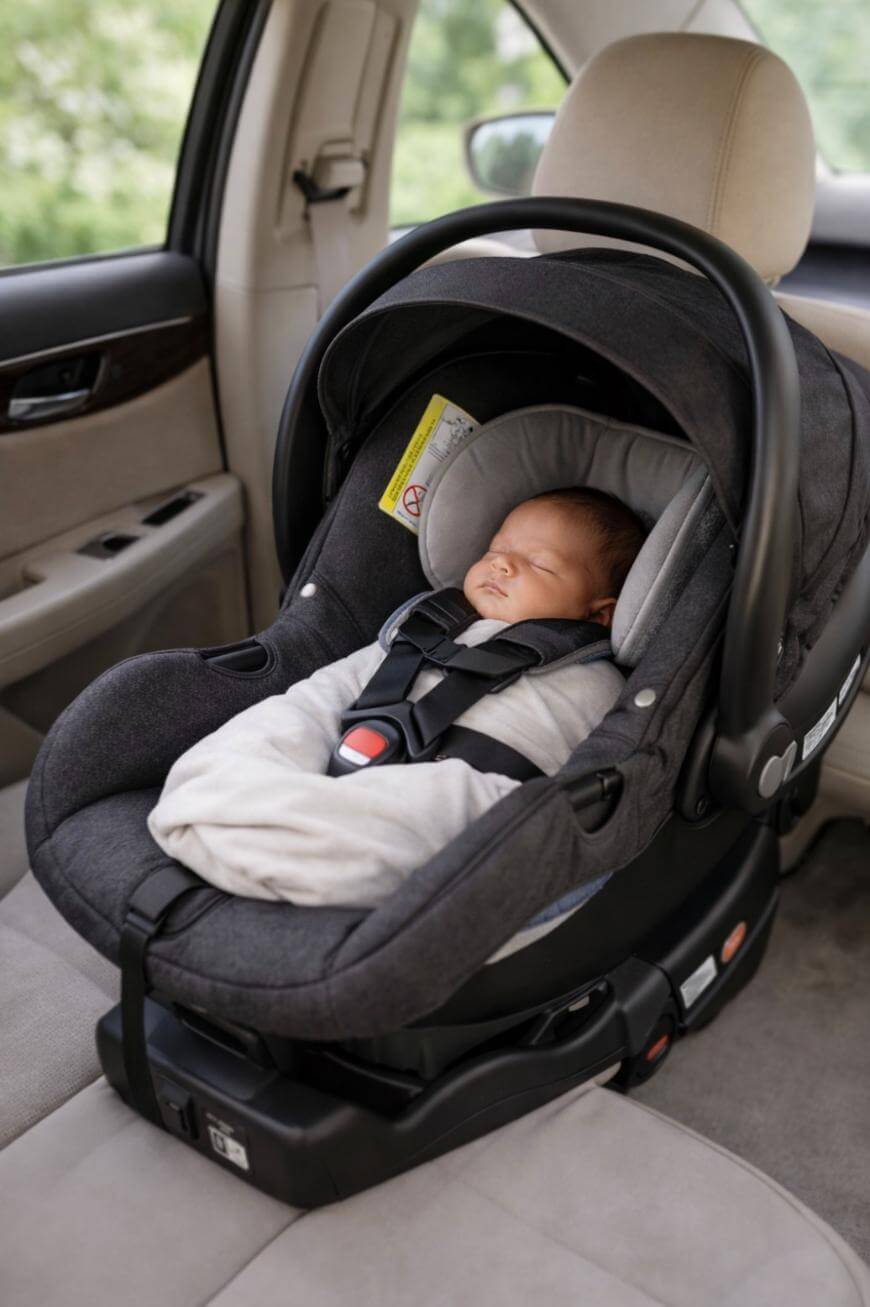
7. Car Seat (Infant Or Convertible)
If you’re driving home from the hospital or birth center, you need a properly installed car seat.
Infant seats are convenient for carrying, while convertibles last longer; either works as long as it fits your car and installs securely.
8. Stroller Or Baby Carrier
A stroller helps for longer walks, errands, and appointments, but a carrier is often faster for quick trips.
If you’re choosing only one at first, many first-time moms love starting with a carrier because it keeps baby close and frees your hands.
9. A Baby Wrap Or Soft Structured Carrier
Babywearing can be a lifesaver when baby wants contact naps and you need to eat, wash bottles, or just feel human.
Look for something easy to put on alone, because the “I can’t tie this while baby screams” moment is real.
10. Diapers In Two Sizes
Newborns can outgrow NB diapers fast, so having both NB and size 1 prevents last-minute store runs.
A realistic starting stash is 1–2 small packs of NB and 1 larger pack of size 1.
11. Unscented Wipes
Unscented wipes are a safe default for sensitive newborn skin and work for everything from diaper changes to sticky hands.
If wipes bother baby’s skin, switch to water wipes or use soft cloths with warm water.
12. Diaper Cream Or Barrier Ointment
A simple barrier cream helps prevent rashes, especially during frequent newborn poops.
Use a thin layer as prevention if baby’s skin looks even slightly irritated rather than waiting for a full-blown rash.
13. A Diaper Pail Or Odor-Control System
This is a convenience item, but it’s a big one if you’re changing a dozen diapers a day.
If you skip a special pail, at least plan a dedicated covered trash can and take it out often.
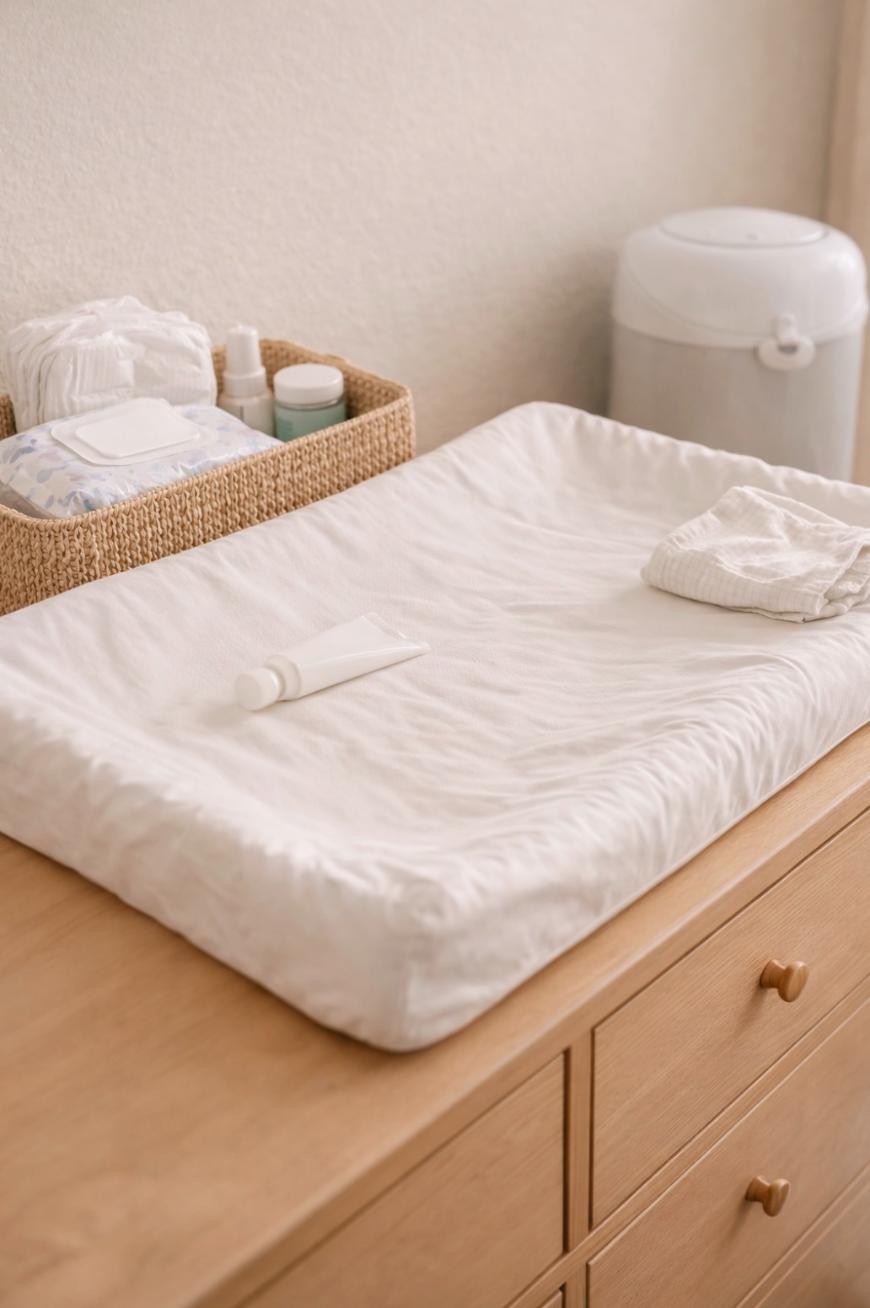
14. Changing Pad Or Changing Station Setup
You don’t need a fancy changing table, but you do want a consistent, safe surface.
A wipeable changing pad on a dresser plus a small basket of supplies is an easy, space-saving setup.
15. Burp Cloths (More Than You Think)
Spit-up is constant in those early weeks, and burp cloths reduce laundry stress.
A practical number is 10–20 because you’ll go through them fast on feeding-heavy days.
16. Baby Wash And A Soft Towel
You only need a gentle baby wash and a towel, not a full spa lineup.
Choose fragrance-free if you’re unsure, and keep bath time simple: 2–3 times a week is plenty for most newborns.
17. Baby Nail File Or Electric Nail Trimmer
Newborn nails are sharp, and scratches happen fast.
A file is often easier than clippers in the beginning, especially when you’re nervous about tiny fingers.
18. Thermometer You Trust
You want one reliable thermometer so you’re not panic-buying at midnight.
Keep it in a known spot with basic infant first-aid items so you can grab it quickly when you’re tired.
19. Basic Infant First-Aid Kit
You don’t need a full pharmacy, just essentials like saline drops, a nasal suction tool, and baby-safe basics.
The goal is to handle common newborn issues without an emergency store run.
20. Feeding Supplies That Match Your Plan
If you’re breastfeeding, the “must haves” are mainly nipple cream, nursing pads, and a couple of supportive bras.
If you’re bottle-feeding, start with 6–8 bottles and a simple bottle brush so you’re not washing the same two bottles all day.
21. A Pump Or Milk Collection Option (If Breastfeeding)
If you plan to pump at all, having the pump ready before baby arrives can reduce stress.
Even if you’re mostly nursing, a simple milk collector can be helpful for catching letdown and building a small freezer stash.
22. Formula Backup (Even If You Plan To Breastfeed)
A small can of formula can be a stress-reducer for unexpected feeding challenges.
You may never use it, but it’s comforting to have an option on hand at 2 a.m.
23. A Comfortable Feeding Chair Spot
You don’t need a special chair, but you do need a spot with support for your back and arms.
Add a pillow, a small side table, and a water bottle—hydration is not optional when feeding around the clock.
24. Postpartum Recovery Basics
For vaginal or C-section recovery, comfort items matter: pads, comfortable underwear, and easy clothing.
A simple guideline is to prep for 2 weeks of “minimal effort” living so you’re not scrambling while healing.
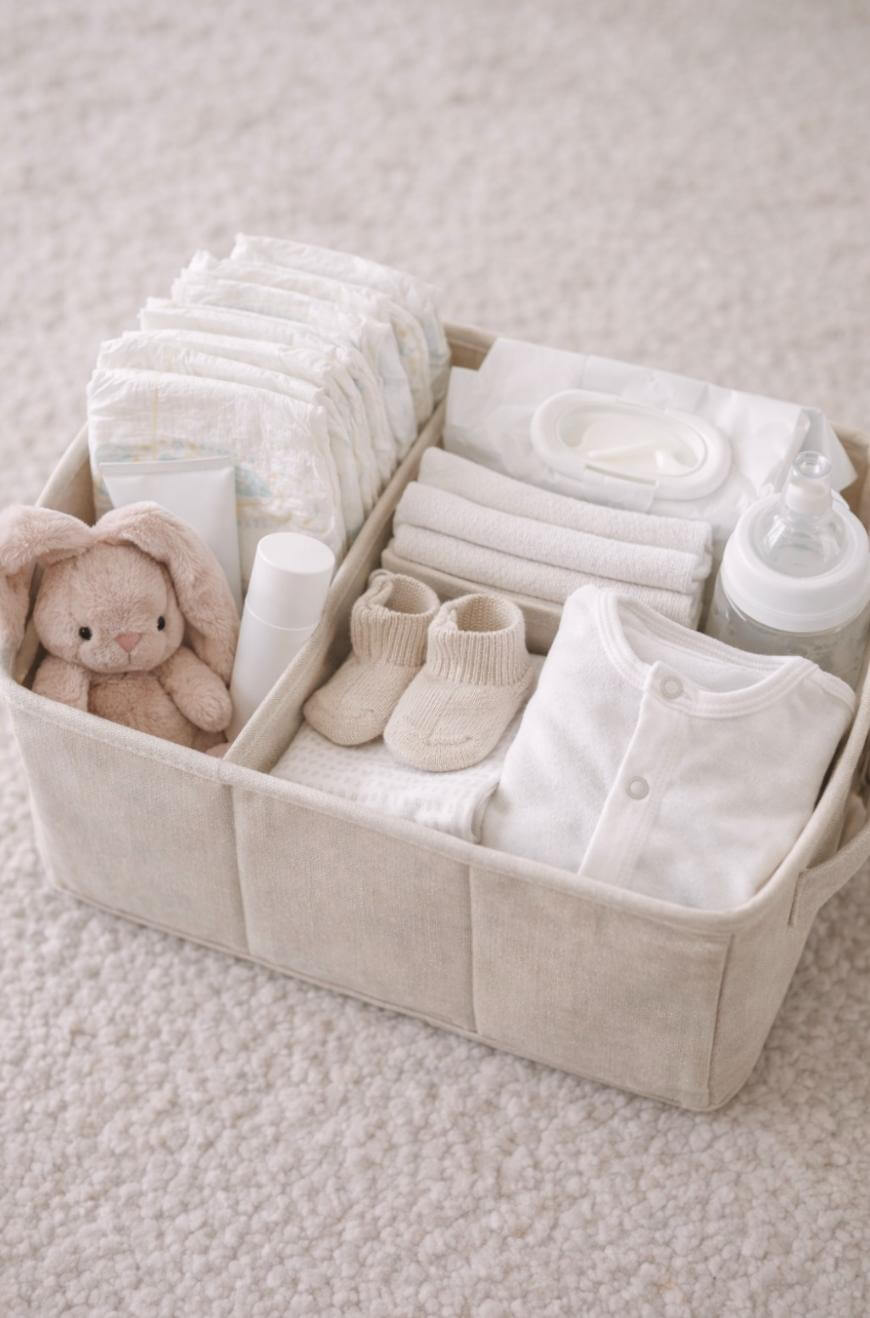
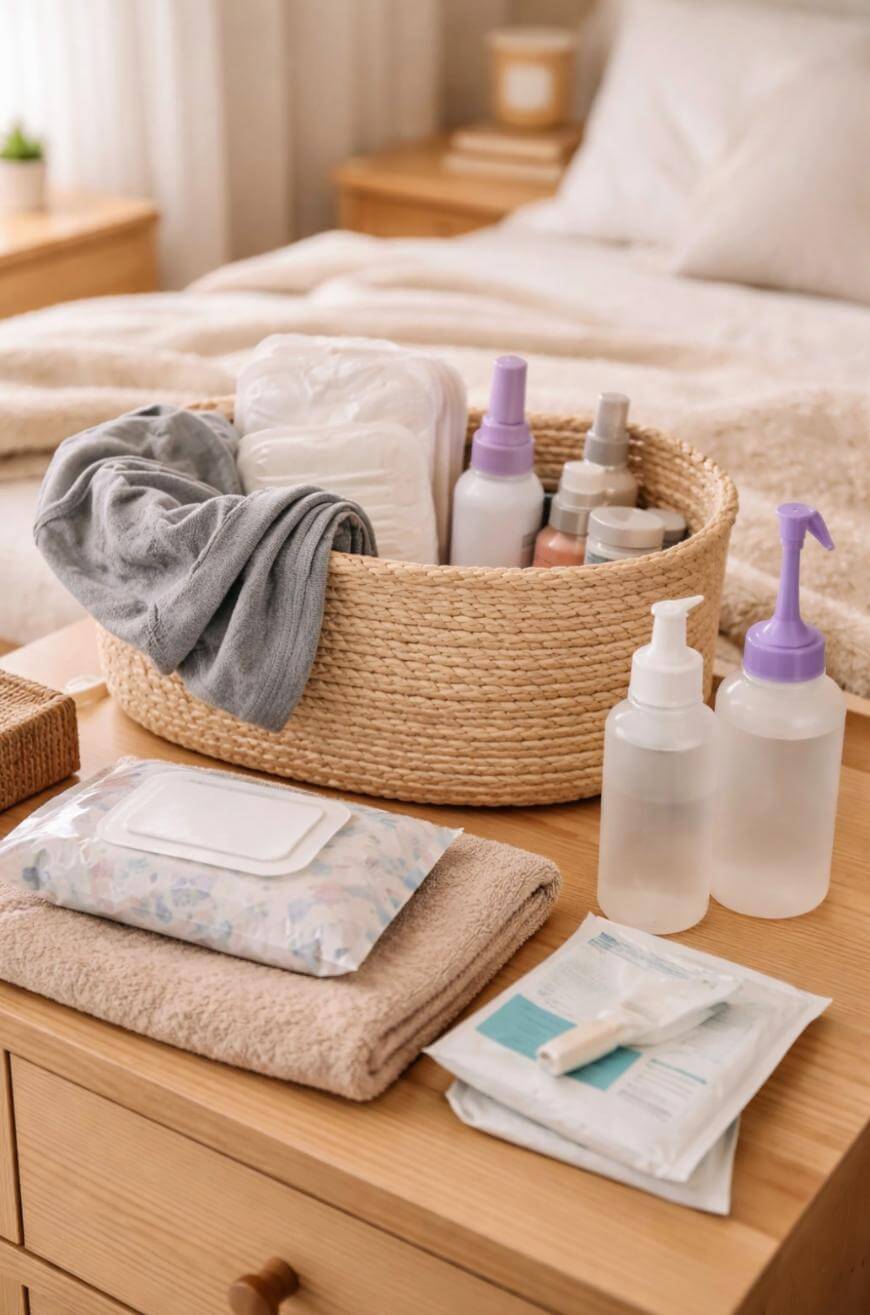
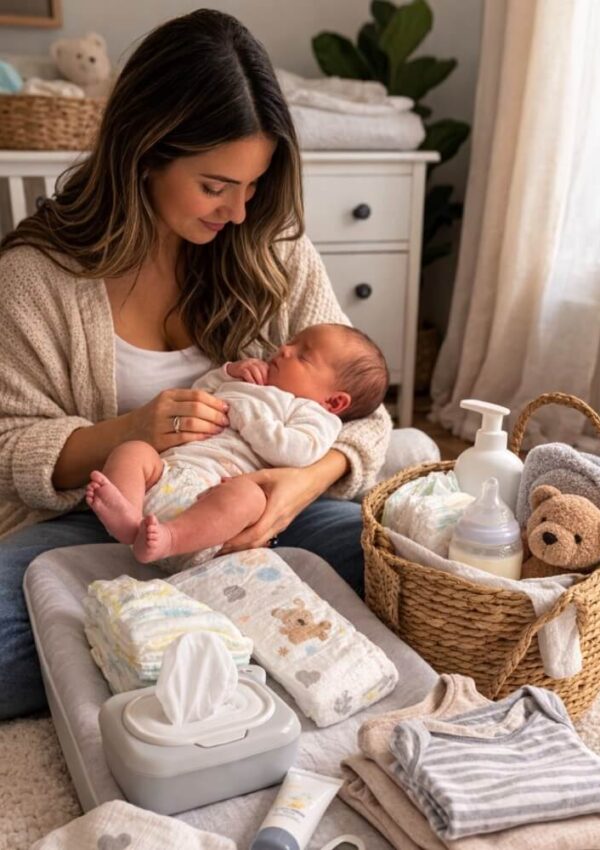
25. A Simple “Baby Command Center”
This is one small basket or caddy stocked with diapers, wipes, cream, burp cloths, and a spare onesie.
Put one near where you sleep and one in your main living area so you’re not hiking across the house during a blowout.
What To Buy First Vs. What Can Wait
1. Buy Before Baby Arrives
Sleep space, car seat, diapers, wipes, a few sleepers/onesies, feeding basics, and a thermometer.
These cover safety and the daily needs you’ll face immediately.
2. Buy In Week One
More diapers in the size you’re actually using, extra burp cloths, and any feeding tweaks based on how things are going.
This prevents overbuying and keeps your spending focused.
3. Buy Only If You Feel The Pain Point
Specialty gear like a bottle warmer, wipe warmer, fancy swaddle systems, and extra gadgets.
If you don’t feel the problem yet, don’t pay to solve it.
Money-Smart Starter Budget In US Dollars
A solid “not too much, not too bare” essentials setup often lands around $300–$800 depending on what you already have, what you buy new vs. secondhand, and your stroller/car seat choices.
If you want a simple rule: prioritize safety items new (car seat, sleep surface), and buy most other items secondhand or on sale.
Key Takeaways
You need one safe sleep space, not a nursery full of gear.
Buy the basics first, then add convenience items after week one.
Diapers, wipes, and burp cloths disappear faster than you expect.
Choose feeding supplies that match your plan, not someone else’s.
A carrier can be more useful than a stroller in the early weeks.
Prep a simple postpartum and baby “command center” for daily life.
FAQ
Do You Need A Stroller Right Away?
No, you don’t need a stroller immediately if you have a baby carrier. You can add a stroller once you start doing longer outings or regular walks.
How Many Newborn Clothes Should You Buy?
Start with about 7–10 sleepers or onesies in newborn/0–3 months. Laundry is frequent, and babies outgrow sizes quickly.
What’s The One Item Most First-Time Moms Forget?
A waterproof mattress protector is a common miss. It saves you from middle-of-the-night mattress cleanup and makes sheet changes faster.
Is It Worth Buying Everything New?
No, it’s usually not worth it. Buy safety essentials new, and consider secondhand for swings, bouncers, and clothing to keep costs down.
Amazon Baby Registry must haves
This post contains affiliate links. A full disclosure is available from the main menu.

Leave a Reply