Last updated: August 18, 2026
You worked hard for every ounce of that milk, so breastmilk storage deserves to be done right. This guide walks you through exactly how long milk lasts, which containers work best, and how to thaw and reheat without wasting a drop. You will leave with a system you can use starting today.
Breastmilk Storage Guidelines by Location
Where you keep your milk determines how long it stays safe to use.
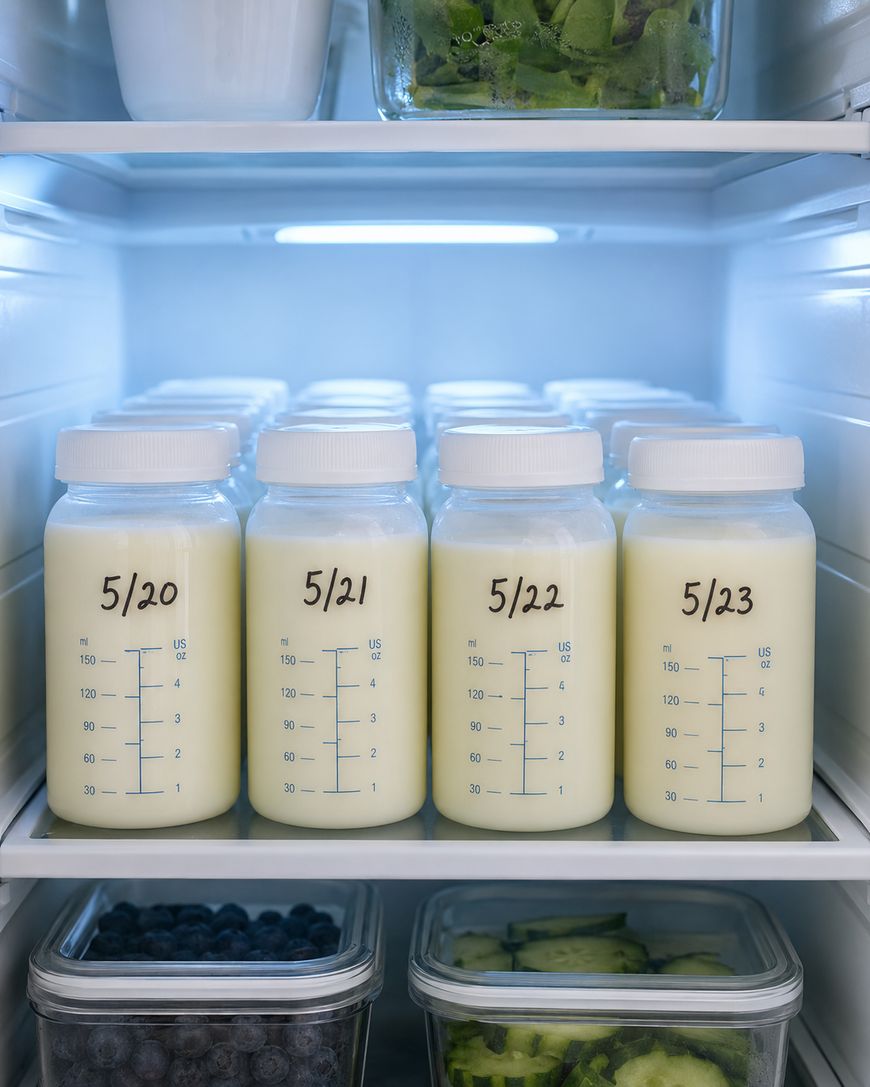
At room temperature, freshly expressed milk is good for up to four hours, though it is best used within two hours if your kitchen runs warm. In the refrigerator, milk stays fresh for up to four days when stored toward the back, away from the door where temperatures fluctuate. Keep your fridge at or below 40°F for the most consistent results.
In a freezer compartment inside your refrigerator, milk holds for about two weeks. A standalone freezer keeps milk safe for three to six months, and a deep freezer can extend that window to six to twelve months. You will always get the best flavor and nutrition from milk used sooner rather than later, so think of these upper limits as a safety net rather than a goal.
Once your baby starts drinking from a bottle, any milk left over should be used within two hours or discarded. Bacteria from your baby’s mouth can mix into the bottle during feeding, and that milk is no longer suitable for later use or refreezing.
Choosing the Right Containers
Your container choice affects both safety and how much freezer space you use.
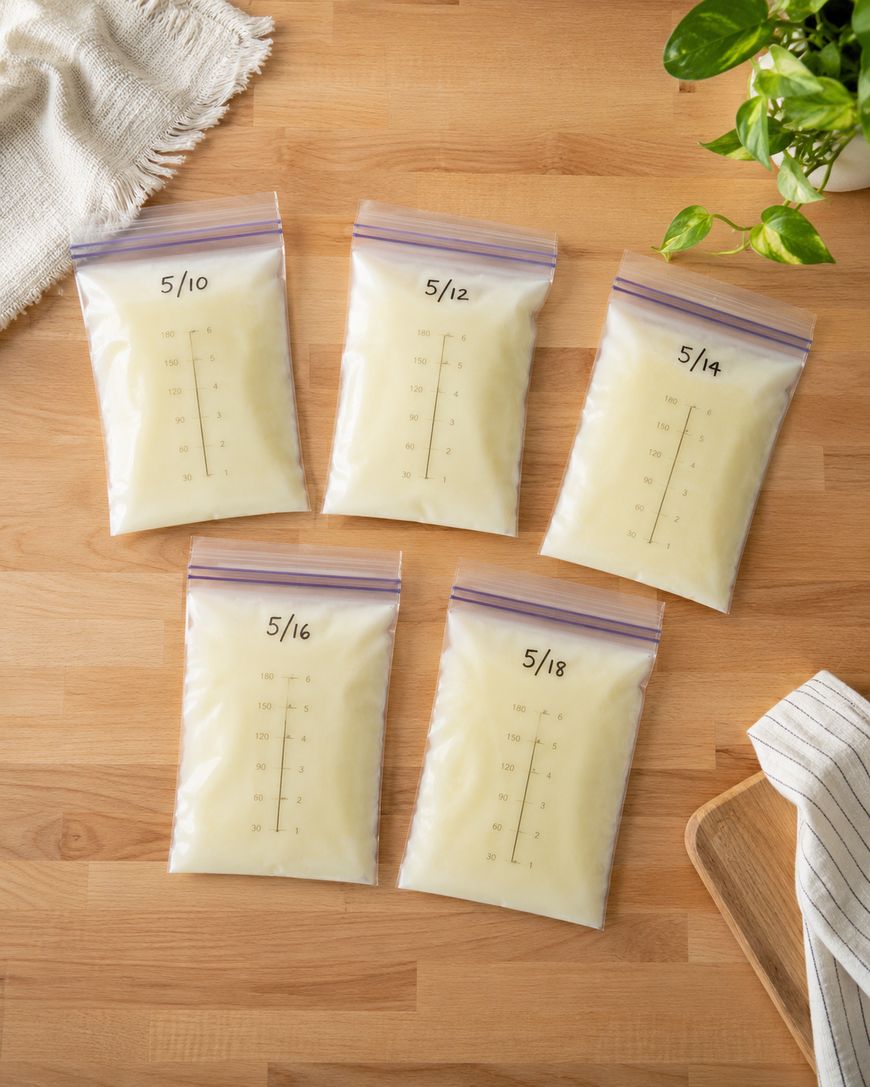
Breastmilk storage bags are the most popular option for a reason. They lie flat for efficient freezing, they are pre-sterilized, and most brands include ounce markings and a spot to write the date. Look for bags labeled specifically for breastmilk rather than generic freezer bags, since these are designed to reduce the risk of leaks and are made without BPA.
Hard-sided containers, whether glass or BPA-free plastic, work well for milk headed straight to the fridge. Glass containers do not absorb odors or stain the way plastic can over time. Leave about an inch of space at the top of any container before sealing, since milk expands slightly as it freezes.
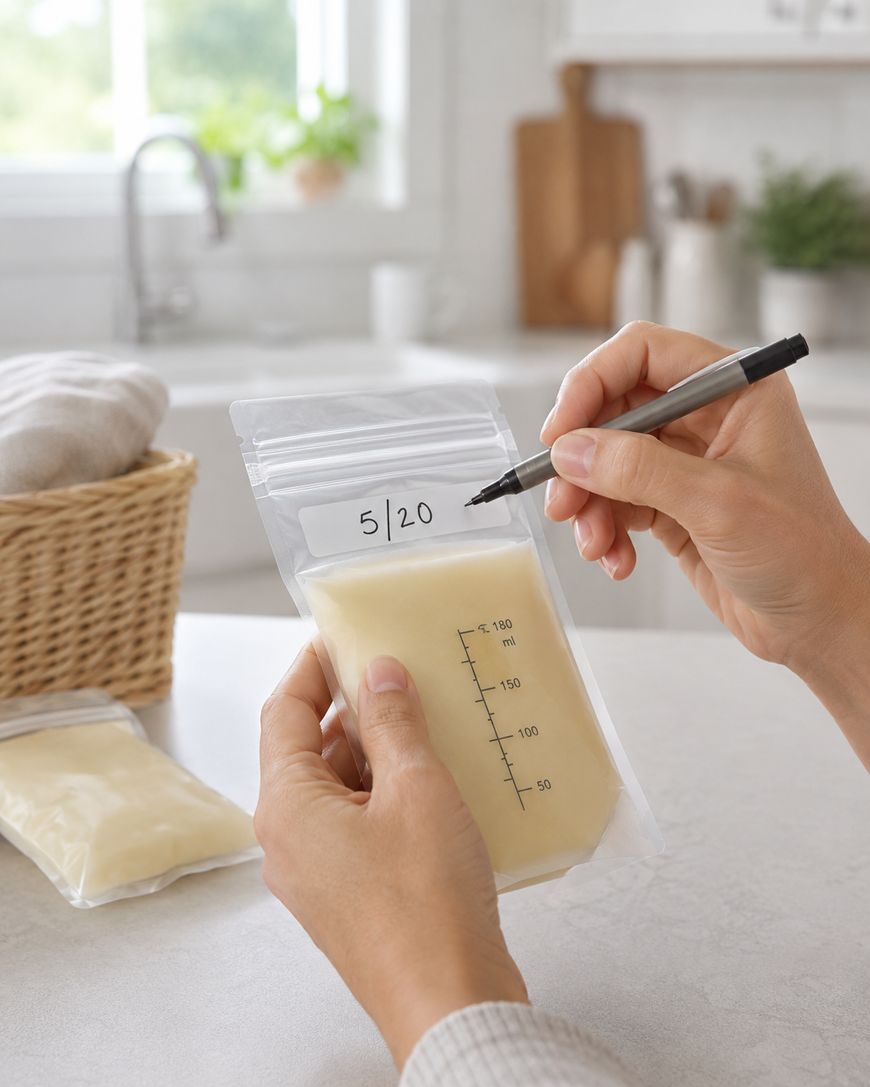
Whichever container you choose, always label it with the date it was expressed. If you are storing milk at daycare or with a caregiver, add your baby’s name as well. This small habit keeps your rotation organized and ensures older milk gets used first.
Building a Freezer Stash That Actually Works
A freezer stash gives you a safety net for days when pumping does not go as planned.
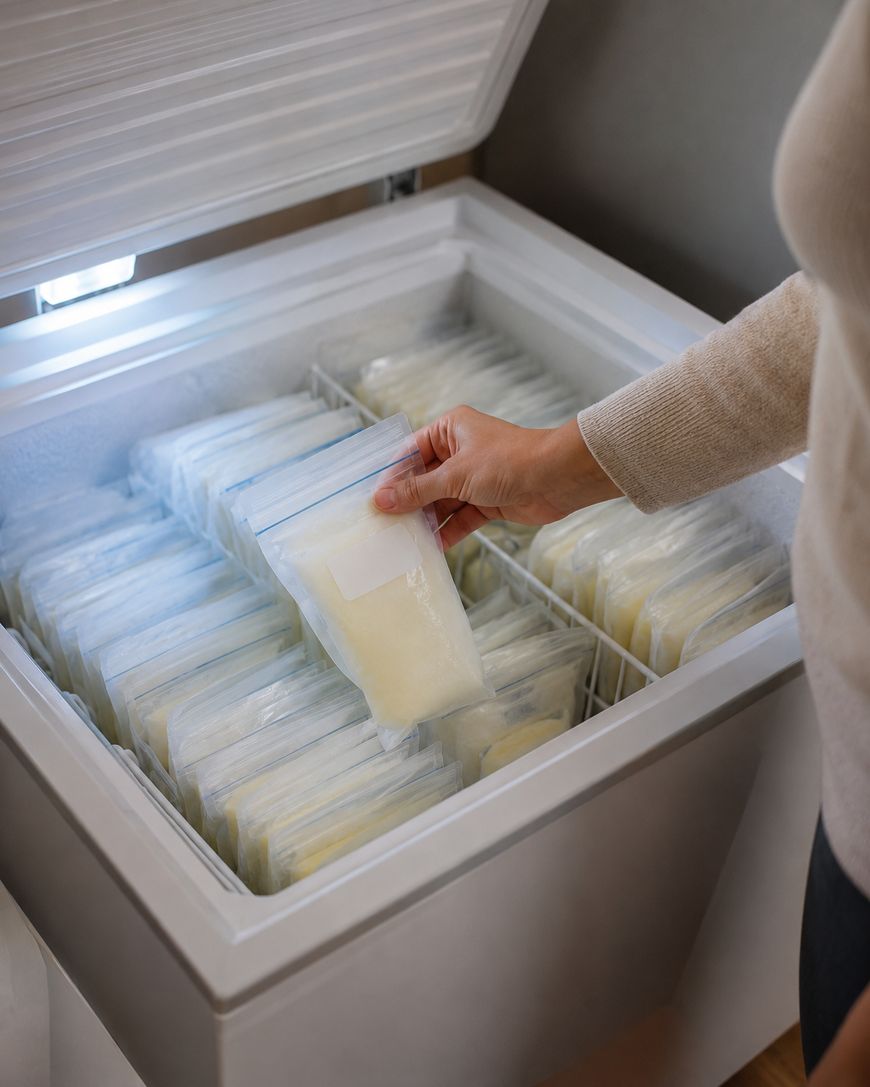
Store milk in small portions, generally two to four ounces per bag, so you thaw only what your baby is likely to eat in one sitting. Thawing more than needed means tossing whatever goes unused after two hours at room temperature. Smaller portions also thaw faster, which matters on busy mornings.
Freeze bags flat on a baking sheet before stacking them upright in a bin or box. This method saves an enormous amount of space and lets you flip through bags like files to find the oldest one quickly. Once frozen solid, you can store them standing up in any order you like, though keeping them organized by date still saves time later.
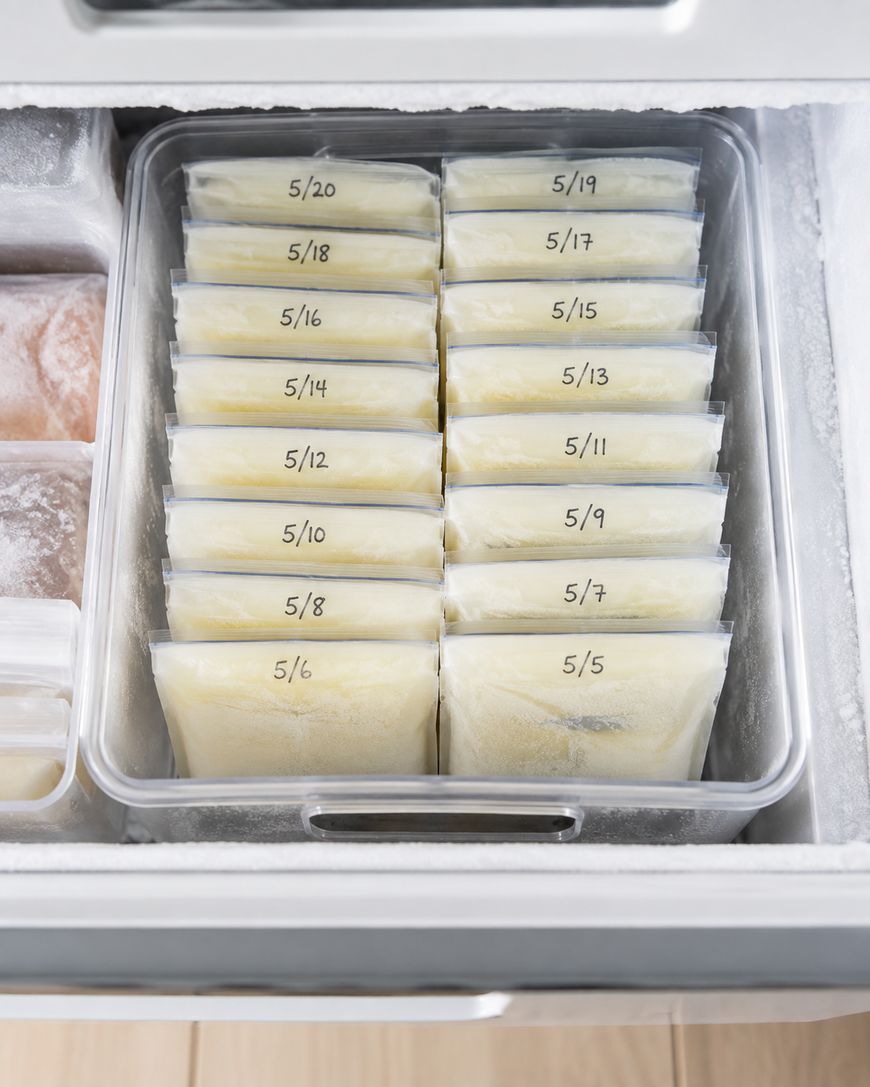
Try not to fill your freezer stash beyond what your baby will realistically use in three to six months. A stash that is too large risks expiring before you get to it, and that is a hard thing to watch happen after all your effort at the pump.
Thawing and Warming Milk Safely
How you thaw milk affects both its safety and its nutritional quality.
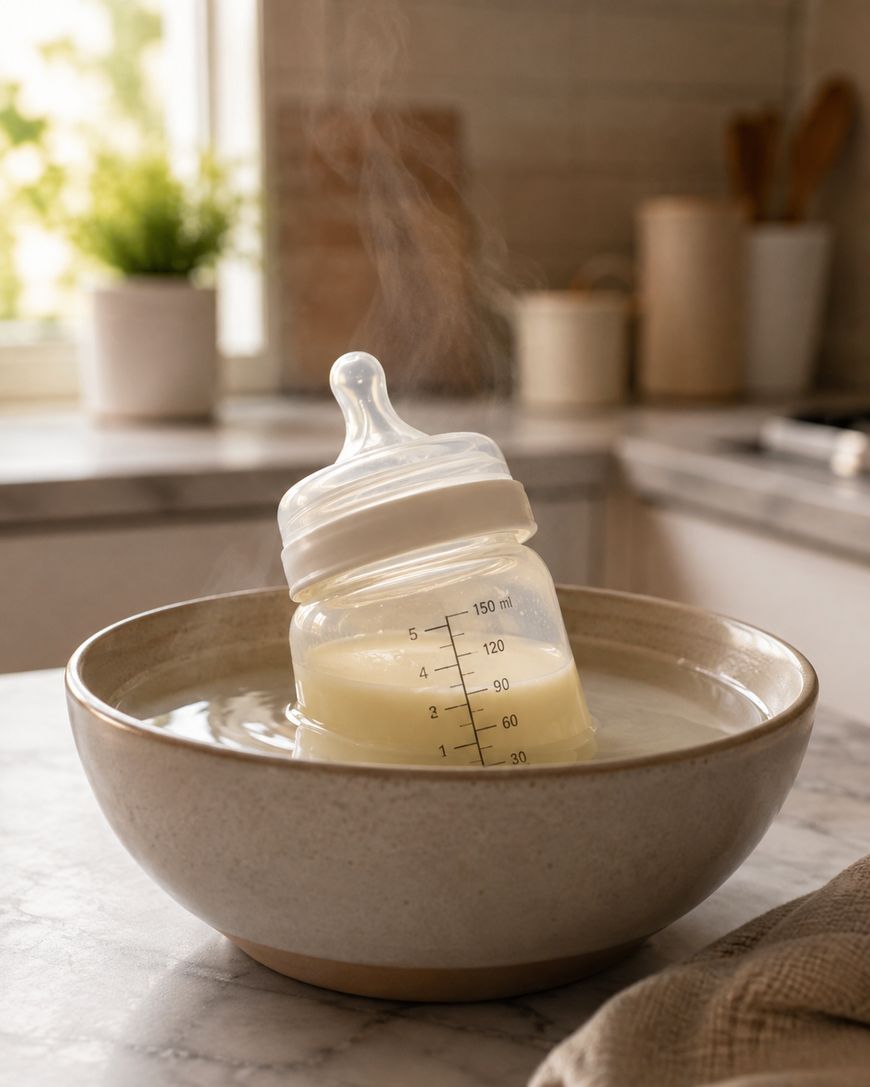
The safest way to thaw frozen milk is in the refrigerator overnight. This gradual approach preserves the most nutrients and gives you a ready-to-use bottle by morning. If you need milk faster, place the sealed bag or container under cool, then gradually warmer, running water until it reaches room temperature.
Never thaw or warm breastmilk in the microwave. Microwaves heat unevenly and can create hot spots that burn your baby’s mouth, and they also break down some of the beneficial compounds in the milk. A bottle warmer or a bowl of warm water works far better and gives you more control over the temperature.
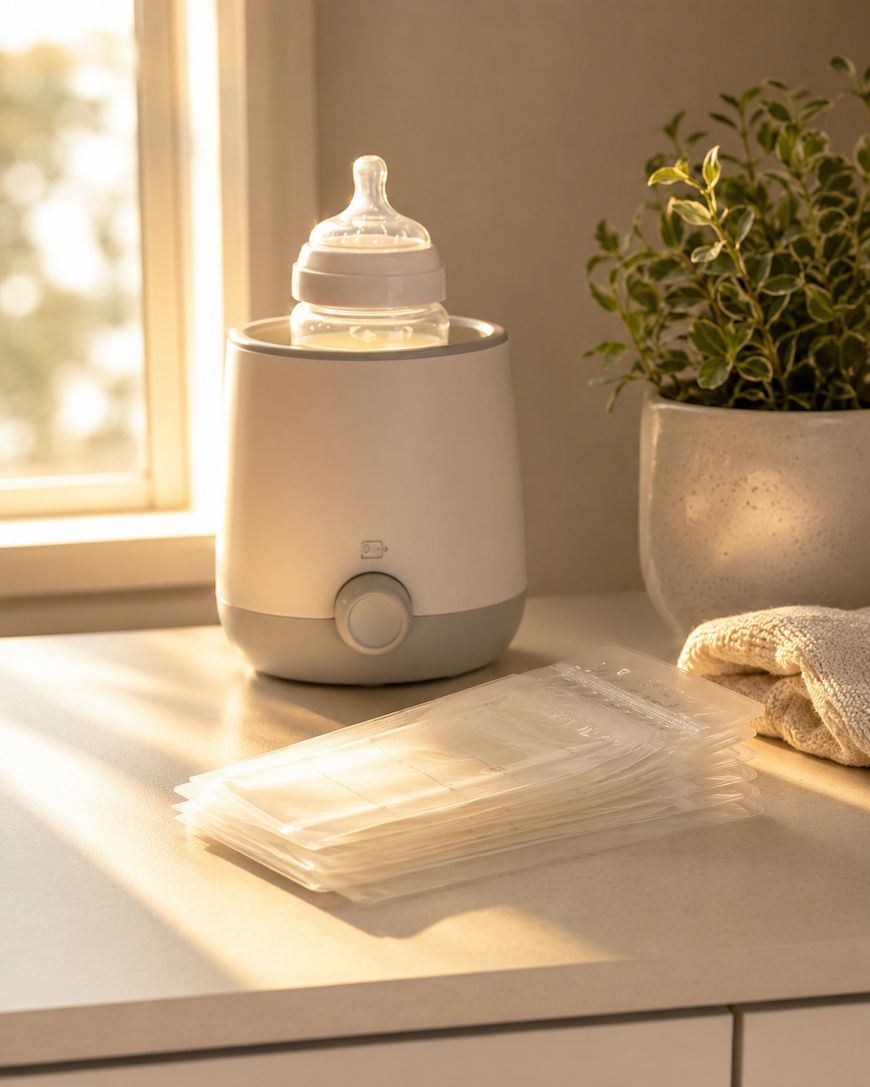
Once thawed, milk should be used within 24 hours if kept in the refrigerator and should never be refrozen. Gently swirl, rather than shake, the bottle to remix any separated fat before feeding. Shaking can break down some of the milk’s beneficial proteins, so a slow swirl is the gentler choice.
Signs Your Stored Milk Has Gone Bad
Most breastmilk that has been stored properly is perfectly fine, but it helps to know what to look for.
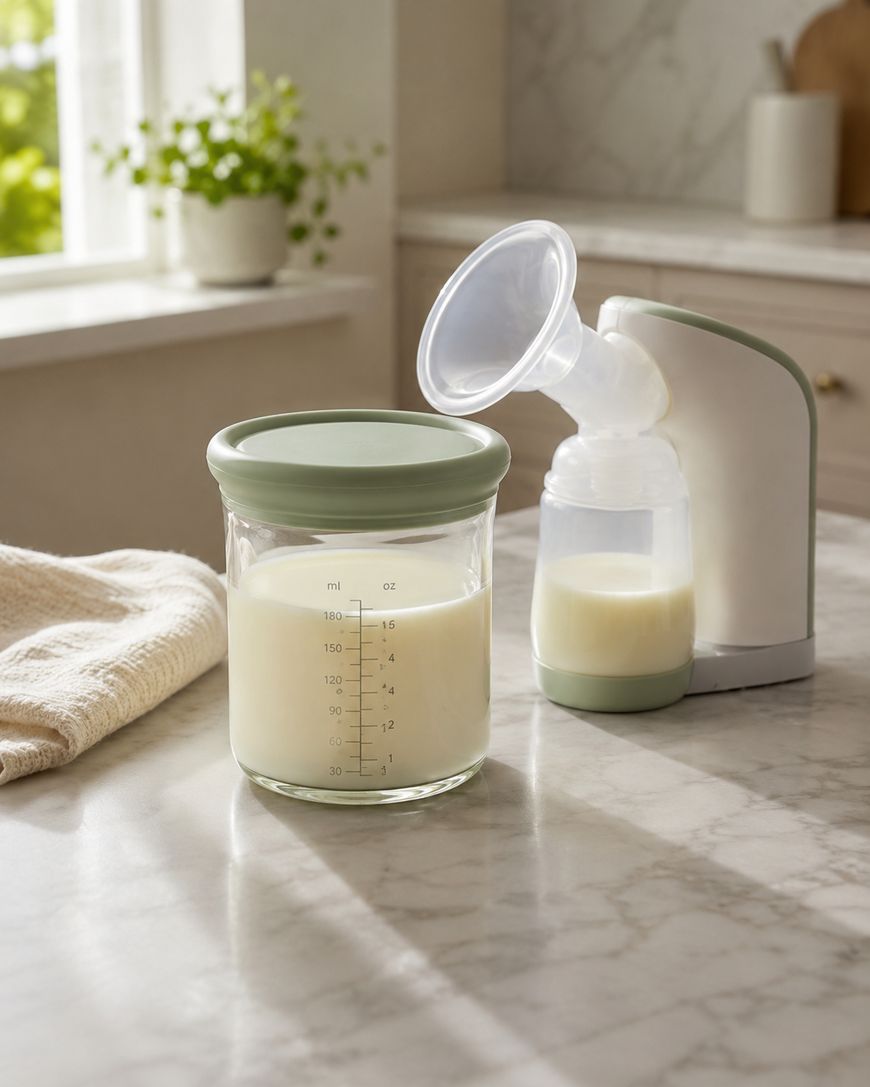
Spoiled milk often smells sour or rancid, similar to spoiled dairy. Freshly expressed milk can smell slightly soapy due to natural enzyme activity, which is normal and not a sign of spoilage. If you are ever unsure, a quick sniff test before feeding is the easiest way to check.
Milk that has been left out too long, stored past its safe window, or thawed and refrozen should be discarded rather than risked. When in doubt, it is always safer to toss a bottle than to feed milk you are unsure about. Your baby’s comfort is worth more than a few ounces.
Why Proper Breastmilk Storage Matters
Getting breastmilk storage right protects the nutrients you worked to provide and keeps your baby safe from bacteria that can grow in improperly handled milk.
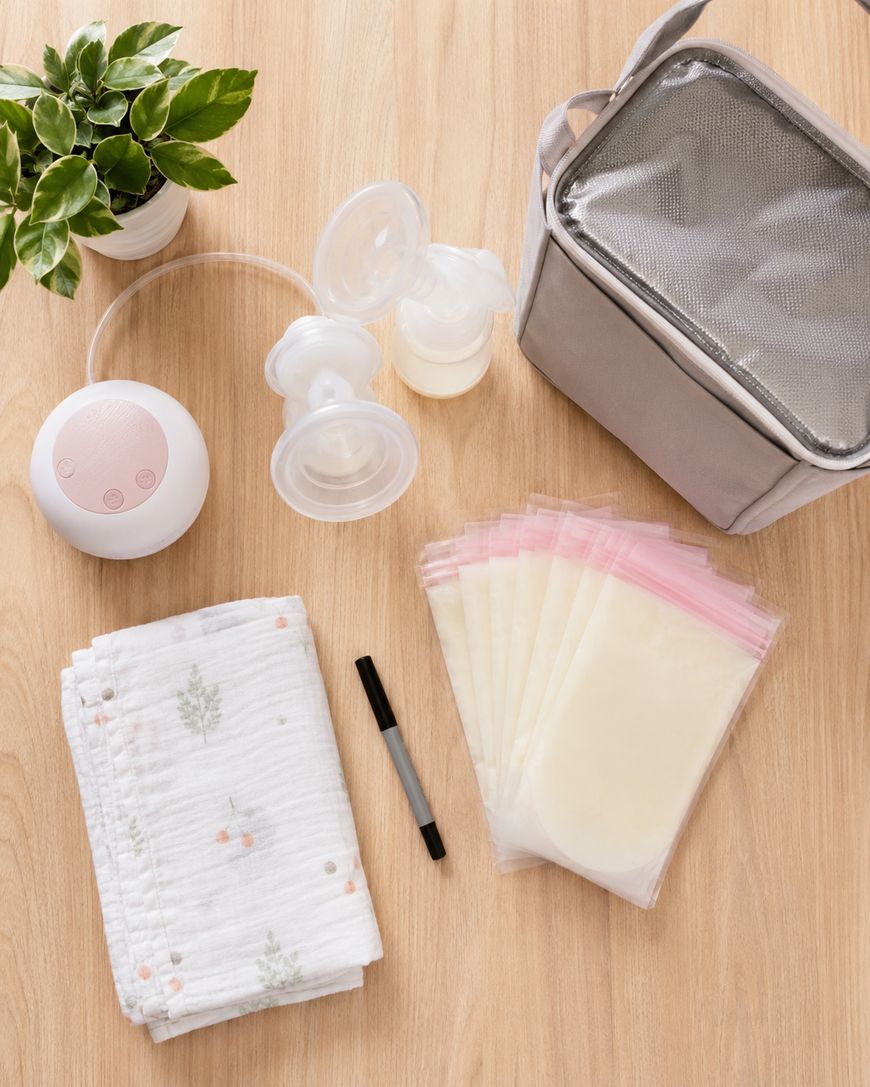
Breastmilk contains antibodies, enzymes, and fats that support your baby’s developing immune system, and improper storage can degrade some of these benefits over time. Following clear time and temperature guidelines means every bottle you offer is as close as possible to fresh milk in nutritional value. It also protects the time and effort you put into pumping, since nothing feels worse than losing a stash to a power outage or a forgotten date label.
A little organization goes a long way here. Once you build a simple system for labeling, rotating, and storing your milk, breastmilk storage becomes second nature rather than one more thing to stress about.
Breastmilk Storage: Your Questions Answered
Can I mix freshly pumped milk with already refrigerated milk?
Yes, but cool the fresh milk in the refrigerator first before combining it with milk that is already chilled. Adding warm milk directly to cold milk can raise the overall temperature of the older batch, so a quick cooldown first keeps everything safe.
Is it safe to combine milk pumped at different times into one bag?
You can combine milk expressed within the same 24 hour period into one storage container. Just label the bag with the earliest expression date, since that is the date that determines when the milk needs to be used.
How long can thawed breastmilk sit out at room temperature?
Thawed milk should not sit out for more than two hours at room temperature. This is shorter than the window for freshly expressed milk because thawing changes the milk’s composition slightly, making it more vulnerable to bacterial growth.
Does breastmilk separate in the fridge or freezer?
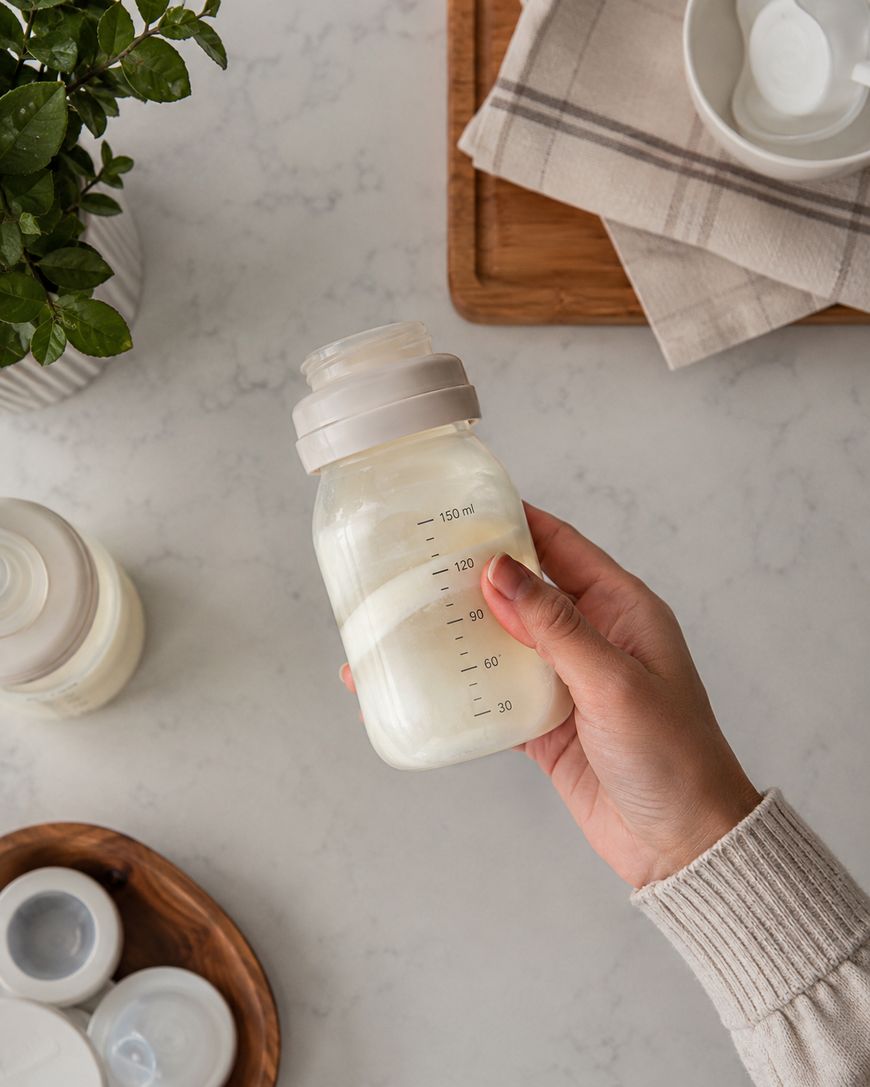
Yes, and this is completely normal. The fatty portion of the milk rises to the top during storage, and a gentle swirl before feeding will remix it without breaking down the proteins the way shaking does.
Can I refreeze breastmilk after it has thawed?
No, thawed breastmilk should never be refrozen. Once milk starts to thaw, bacteria can begin multiplying more quickly, and refreezing does not eliminate that risk.
What is the best way to travel with stored breastmilk?
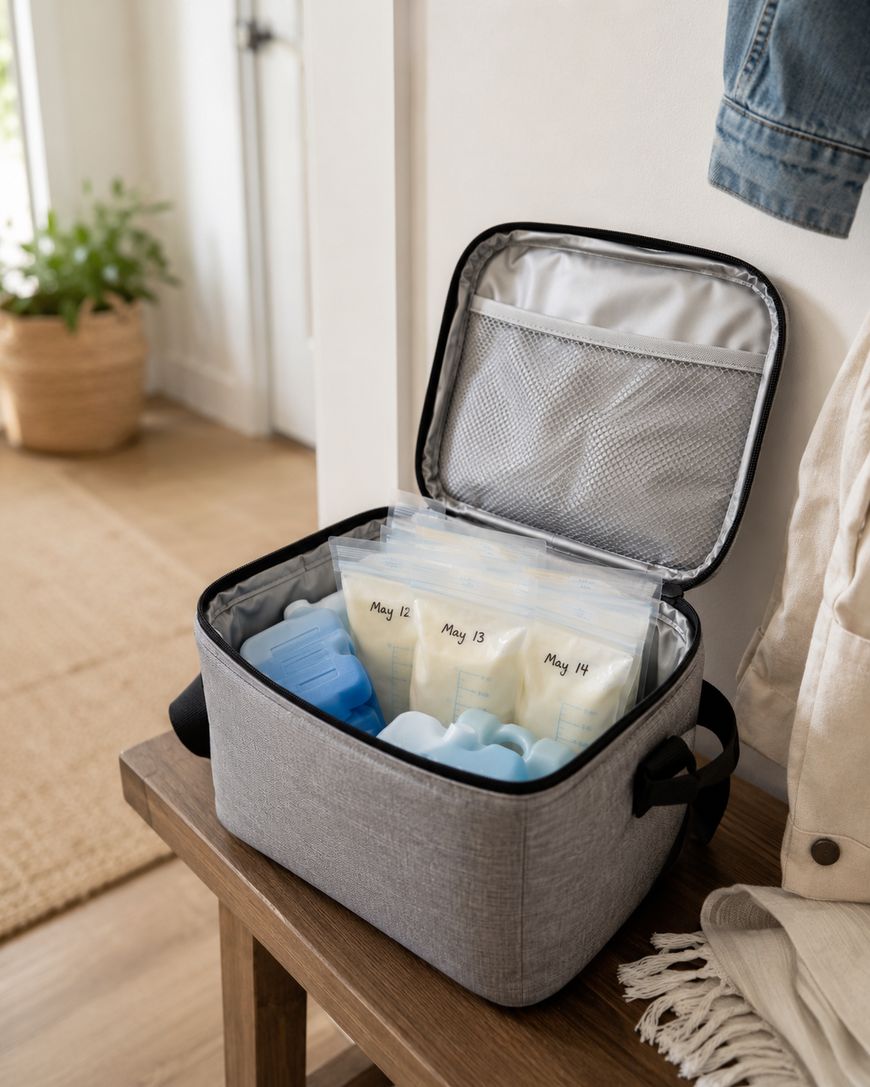
Pack frozen or chilled milk in an insulated cooler with ice packs to keep it at a safe temperature during transport. Once you arrive, transfer the milk to a refrigerator or freezer as soon as possible to maintain its safety.
Start Building Your Storage System Today
You do not need a complicated setup to master breastmilk storage, just a few consistent habits around labeling, temperature, and portion size. Start with small, dated bags in the freezer and a clear rotation system in the fridge, and the rest will fall into place. Pick one change from this guide, whether it is switching containers or portioning smaller amounts, and put it into practice with your very next pumping session.
Read more: Breastfeeding Tips
Read more: Newborn Essentials




Leave a Reply