Last updated: August 20, 2026
Japanese last names carry centuries of history, nature imagery, and family tradition packed into just a few characters. You’ll find the meanings, origins, and most beloved options below, so you can pick a name that actually means something.

Popular Japanese Last Names and Their Meanings
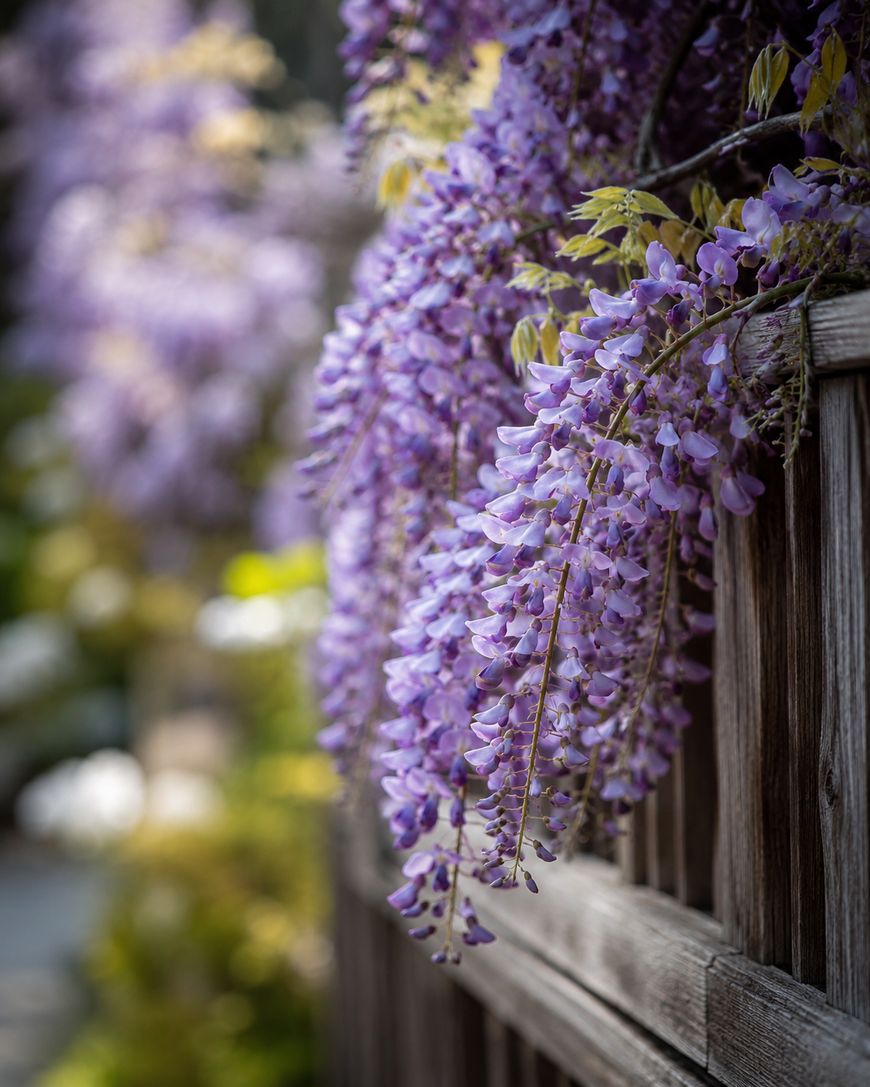
Sato is the most common surname in Japan and combines characters meaning “help” and “wisteria.” It’s a name you’ll see everywhere from business cards to television credits.
Suzuki comes from “bell tree” and originally referred to families living near shrines where bell-ringing rituals took place. Tanaka breaks down to “middle of the rice field,” reflecting Japan’s deep agricultural roots.
Watanabe means “ferry crossing” and points to ancestors who once worked or lived near a river crossing. Yamamoto translates to “base of the mountain,” a name given to families who settled at the foot of Japan’s many peaks.
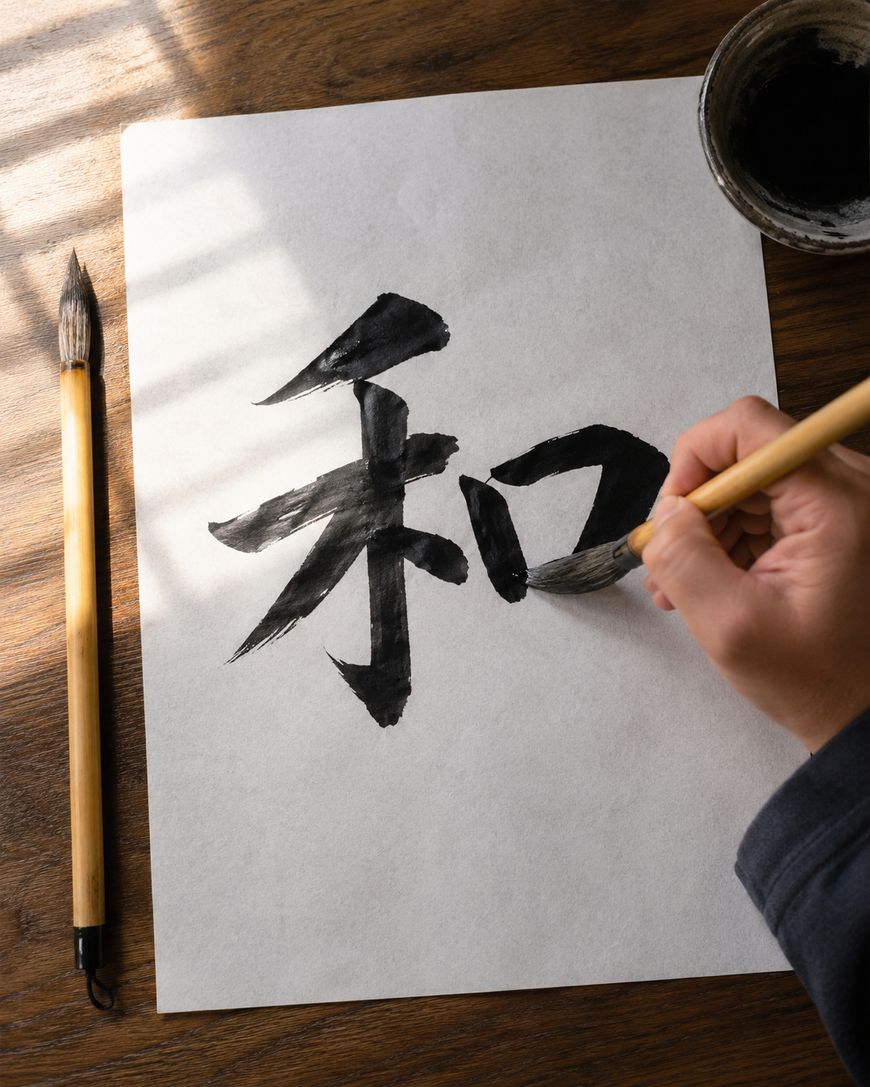
Nakamura means “middle village,” while Kobayashi translates to “small forest.” Both names describe the geography surrounding a family’s ancestral home rather than a personal trait.
Nature-Inspired Japanese Surnames
Many Japanese last names draw directly from the natural world, and you’ll notice recurring characters for trees, mountains, rivers, and fields throughout this list.
Hayashi simply means “forest,” a compact and elegant choice. Kawamura combines “river” and “village,” painting a picture of a peaceful riverside settlement.

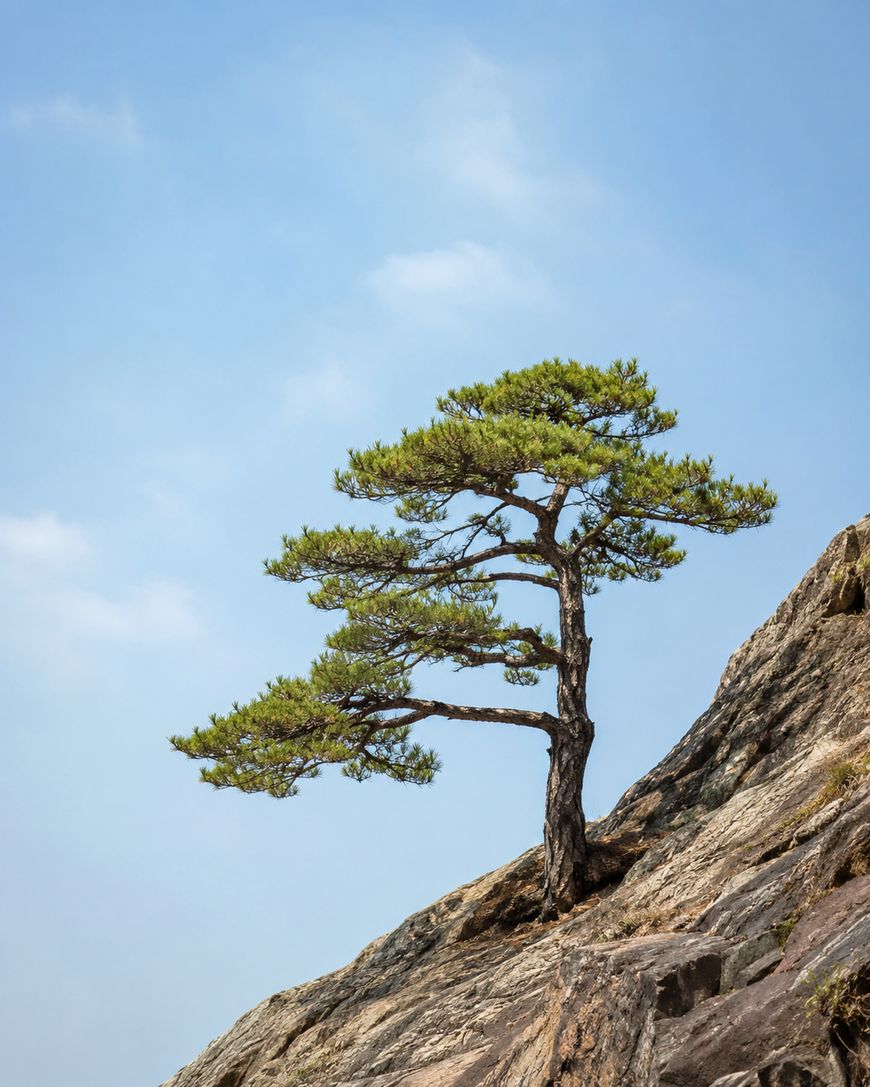
Ishikawa means “stone river,” a nod to rocky riverbeds found throughout Japan’s countryside. Matsumoto translates to “base of the pine tree,” another nature-rooted surname tied to a specific ancestral landmark.
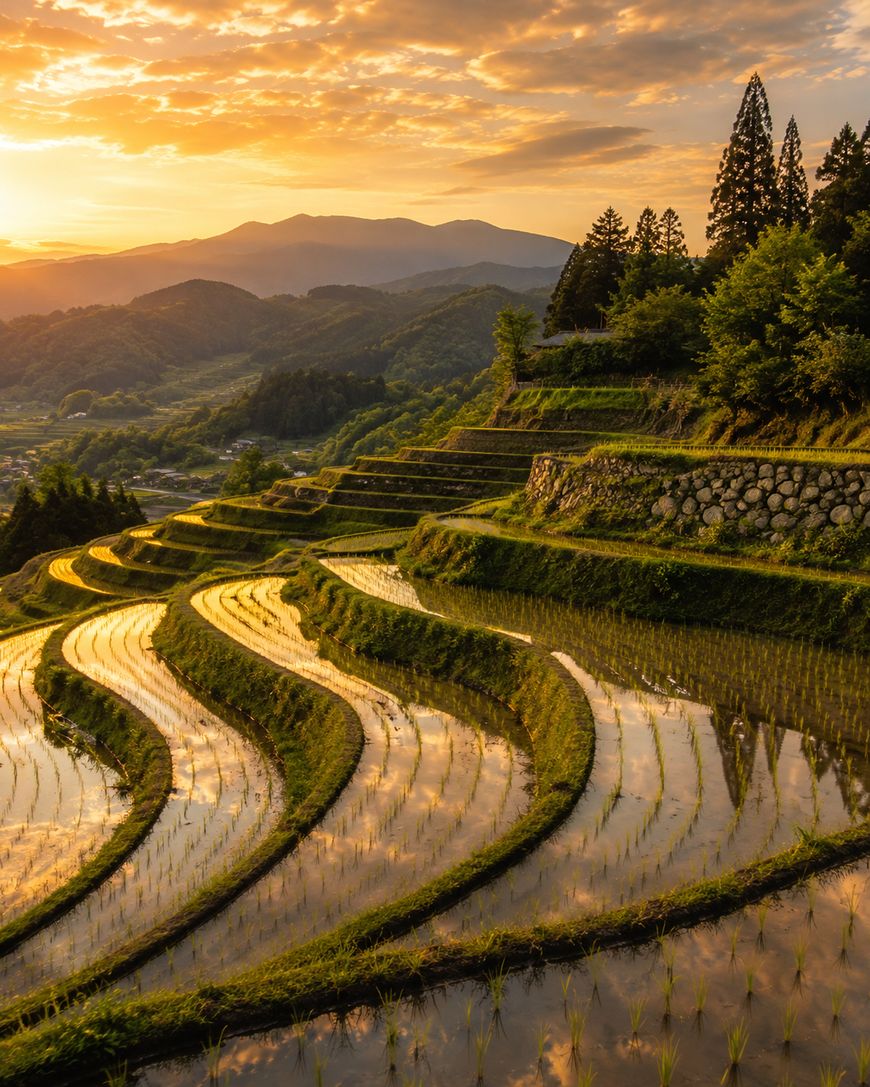
Mori, meaning simply “forest,” is short, memorable, and frequently used on its own or combined with other characters. Fujiwara, one of Japan’s oldest and most aristocratic names, means “wisteria field” and traces back to a powerful clan from the Heian period.
Surnames Tied to Japanese History and Clans
Some Japanese last names carry more historical weight than others, tracing back to samurai families, imperial connections, or feudal-era clans.
Tokugawa is instantly recognizable from Japan’s Edo-period ruling family and carries strong associations with power and legacy. Minamoto belonged to one of Japan’s most influential samurai clans and appears throughout classical Japanese literature and history.
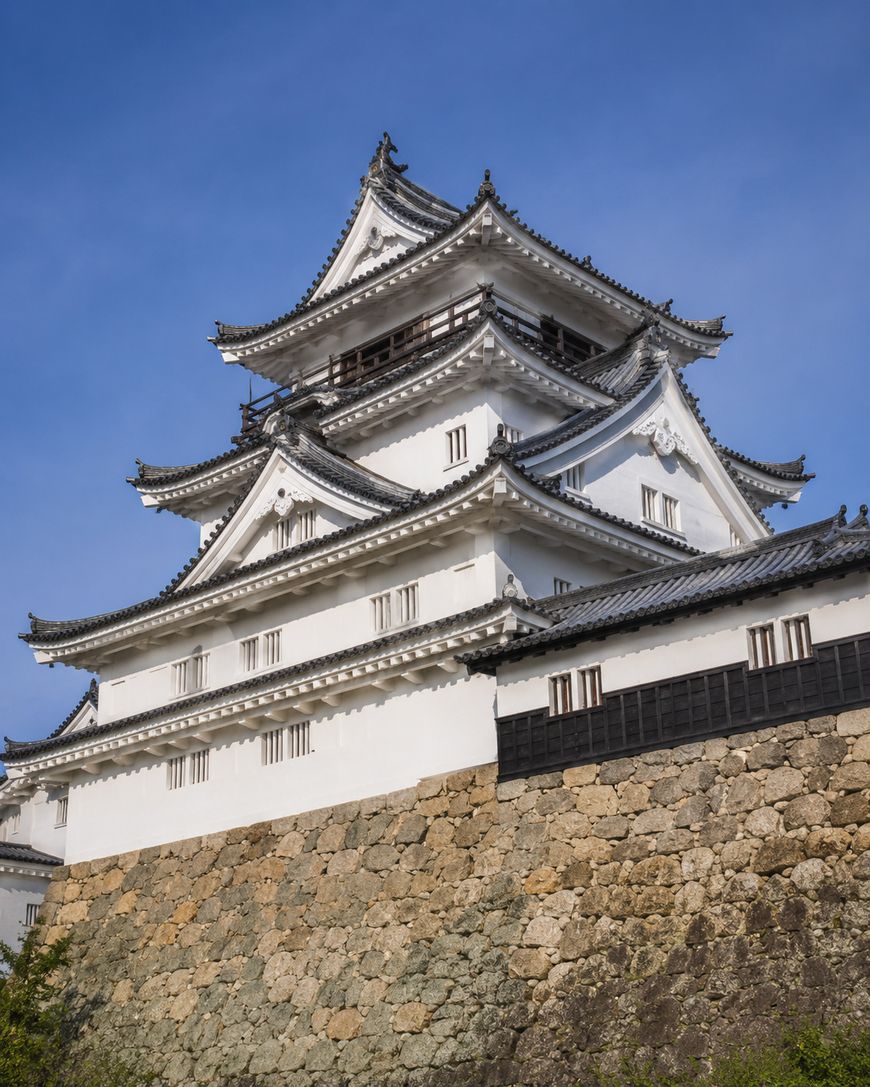
Taira, the rival clan to the Minamoto, played a central role in Japan’s medieval power struggles. Oda is tied to Oda Nobunaga, one of the most famous unifiers of feudal Japan, and still carries a sense of ambition and strength.
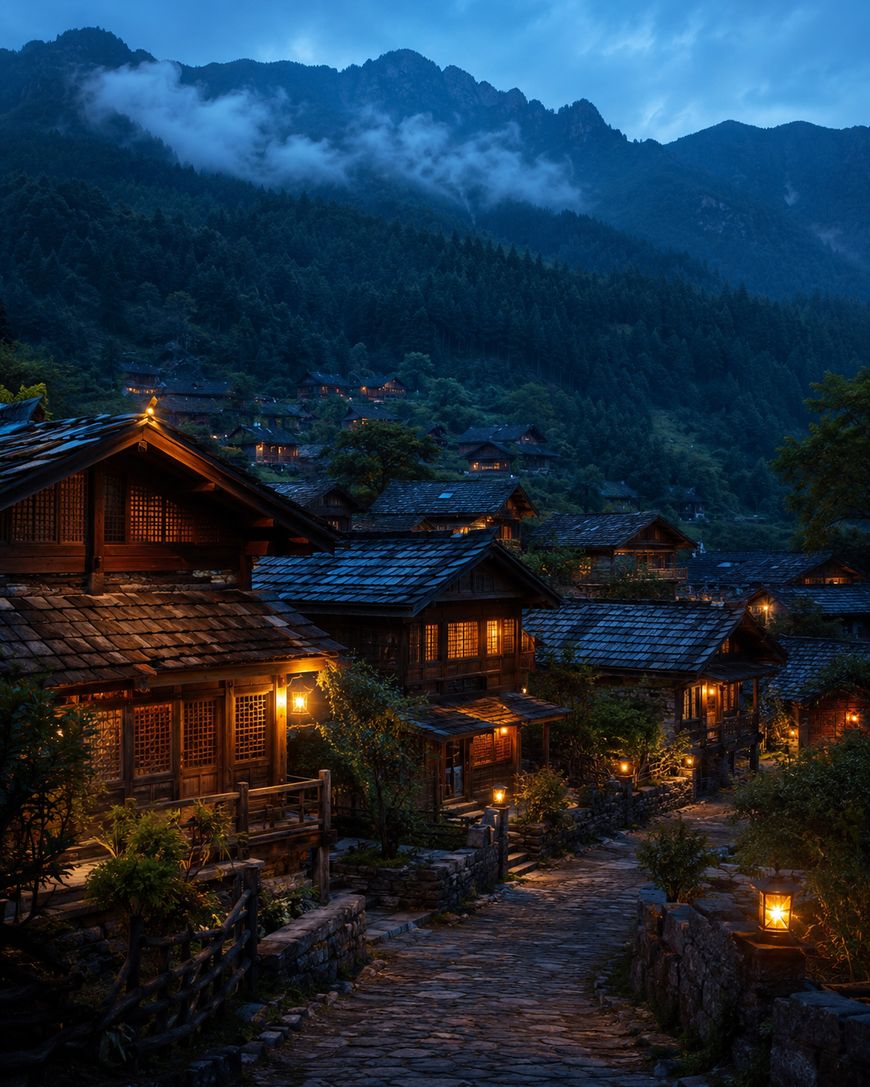
These historical names tend to feel weightier than nature-based surnames, so they’re worth considering if you want a name with a documented place in Japanese history.
Short and Simple Japanese Last Names
Not every meaningful surname needs multiple characters or a complicated backstory. Some of the most striking Japanese last names are also the simplest.

Cho, Kim-adjacent in sound but distinctly Japanese in usage, and Ito, meaning “sacred rice paddy,” are both single-syllable-friendly options that read cleanly in English. Abe means “wide edge” or “wide seashore,” depending on the character combination used.
Oda and Mori, already mentioned above, also fall into this short-and-simple category. These compact names are often easier to pair with a variety of first names, which matters if you’re using this list for naming inspiration.
Why Japanese Last Names Matter
Japanese surnames only became mandatory for all citizens in 1875, during the Meiji era, which means many family names were chosen deliberately around that time based on location, occupation, or landscape. That history is part of why so many surnames tie back to rice fields, rivers, and mountains rather than personal titles.
Understanding the meaning behind a Japanese last name adds real depth, whether you’re researching heritage, writing a character, or looking for a name with genuine cultural weight behind it. It’s worth digging into the kanji characters themselves, since the same surname can carry different meanings depending on which characters are used to write it.
Frequently Asked Questions
What is the most common Japanese last name?
Sato is currently the most common surname in Japan, followed closely by Suzuki and Takahashi. All three names appear frequently across business, entertainment, and everyday life.
Do Japanese last names have meanings?
Yes, nearly every Japanese surname has a literal meaning tied to its kanji characters, often referencing nature, geography, or historical occupation. The same sound can carry different meanings depending on the specific characters used.
When did Japanese last names become common?
Surnames became mandatory for all Japanese citizens in 1875 under the Meiji government. Before that, surnames were largely reserved for samurai and noble families.
Are Japanese last names gender-specific?
No, Japanese surnames are shared by the entire family and are not tied to gender, unlike some first names. The surname stays consistent across all family members.
Can I use a Japanese last name as a first name?
Some Japanese surnames, like Ren or Kai, cross over into first-name use, though most function strictly as family names. It’s worth checking a name’s typical usage before repurposing it.
What do Japanese last names usually reference?
Most Japanese surnames reference natural landmarks like mountains, rivers, and forests, or describe a family’s historical location, such as a village or field. Fewer surnames reference occupations or personal traits compared to Western naming traditions.

Final Thoughts
Japanese last names offer a rich mix of nature, history, and meaning that goes far beyond how a name simply sounds. Use this list of Japanese last names as a starting point, then look into the specific kanji behind any name that stands out to find the exact meaning it carries.




Leave a Reply