Last updated: October 27, 2026
An eggshell experiment gives children a clear, hands-on way to explore how everyday drinks can affect hard surfaces. Eggshells and tooth enamel aren’t identical, but both contain calcium compounds and can show visible changes after exposure to acids. The activity turns oral health into something children can observe, record, and discuss at home.
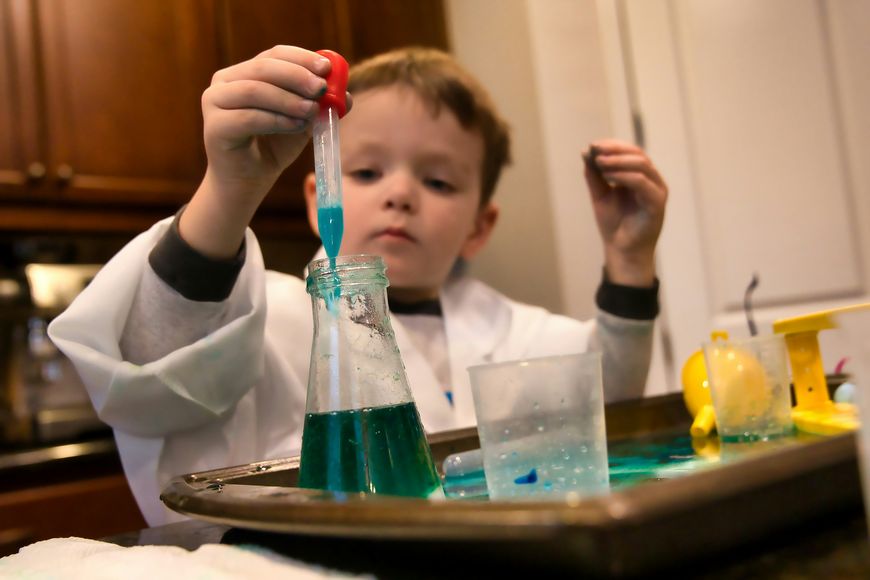
Setting Up the Enamel Science Experiment
Gather four clean eggshell pieces, four clear cups, water, milk, a sugary drink, and an acidic drink such as orange juice. Place one similarly sized shell piece in each cup and label the containers. Keep them on a stable counter where young children and pets can’t reach them.
Take a photo at the start, then examine the shells after 24 and 48 hours. This tooth decay experiment works best when children record the color, texture, and hardness of each sample. For more family-friendly activities, browse these science experiments for kids and choose another project to compare.
Observing How Sugars and Acids React
Ask your child to predict which liquid will cause the biggest change before checking the cups. Juice may make a shell feel rough, while a colored sugary drink can leave a noticeable stain. Water will usually produce fewer visible effects and provides a useful comparison sample.
Explain that mouth bacteria use sugars from food and drinks, producing acids that can weaken enamel over time. Acidic beverages can also expose teeth directly to acid. The eggshell model simplifies a complex process, so it shouldn’t be treated as a perfect copy of what happens in the mouth. If the activity raises concerns about staining, discomfort, or possible decay, arrange an assessment with a dentist.
Translating Science to Daily Oral Care
Connect the cup results to habits children can practice every day. Encourage brushing twice daily for two minutes with fluoride toothpaste, including a final brush before bed. The toothbrushing guidance for children also recommends using an age-appropriate amount of toothpaste and supervising younger children.
Water makes a practical everyday drink, especially between meals. Keep sweet or acidic drinks to mealtimes and avoid slowly sipping them for hours, since repeated exposure gives teeth less time to recover. After an acidic drink, rinsing with water is helpful. Wait about an hour before brushing because acid can temporarily soften the enamel surface.
Why Routine Guidance from a Dentist Matters
Home experiments can explain basic ideas, but they can’t identify cavities, enamel defects, or gum problems. Regular appointments allow a dental professional to check areas that are difficult to see and offer advice based on a child’s age, tooth development, and current habits.
Mention any ongoing sensitivity, pain, white or brown spots, and bleeding gums during the visit. Parents can also ask for a brushing demonstration, help choosing fluoride toothpaste, or advice about dental sealants. Appointment schedules vary according to individual needs, so follow the recommended recall period instead of assuming every child requires the same timetable. Early conversations can also make the clinic feel more familiar and less intimidating.
Fun Crafts to Track Daily Brushing
Turn a plain sheet of paper into a two-week brushing chart with morning and evening boxes. Let your child draw a smiling tooth at the top, then add a sticker or colored check mark after each completed session. Keep the chart near the bathroom, but away from splashes.
For a reusable version, slide the chart into a clear folder and mark it with a wipe-clean pen. Children who enjoy measuring things can use a two-minute sand timer or choose a short song of the same length. At the end of 14 days, look back at the eggshell photos together and let your child explain which daily habits help protect a healthy smile.




Leave a Reply