Last updated: August 20, 2026
Choosing a name for your son is one of the most meaningful decisions you will ever make. This guide to Mexican boy names gives you a curated collection of classic, modern, indigenous, and unique options, each explained with its meaning and cultural roots.
Classic and Traditional Mexican Boy Names
Traditional Mexican boy names draw from centuries of Spanish Catholic naming customs, honoring saints, biblical figures, and the linguistic heritage brought to Mexico during the colonial period. These names carry weight, dignity, and a timeless quality that makes them as fitting today as they were generations ago.
Miguel
Miguel is the Spanish form of Michael, derived from the Hebrew “Mikha’el,” meaning “Who is like God.” It is one of the most enduring names in Mexican culture, carried by heroes such as Miguel Hidalgo, the priest who launched Mexico’s War of Independence in 1810.
Jose
Jose comes from the Hebrew Yosef, meaning “God will add” or “God will increase.” Deeply embedded in Catholic tradition as the name of the earthly father of Jesus, Jose remains one of the most common names across all of Mexico.
Juan
Juan is the Spanish equivalent of John, from the Hebrew Yohanan, meaning “God is gracious.” Juan Diego, the indigenous peasant to whom the Virgin of Guadalupe appeared in 1531, gave this name a spiritual resonance that echoes through every corner of Mexican culture.
Luis
Luis is the Spanish adaptation of the Germanic name Ludwig, rooted in “hlud” (famous) and “wig” (warrior), meaning “famous warrior.” It has been the name of French kings and Spanish aristocrats, and it settled comfortably into Mexican naming culture through centuries of use.
Carlos
Carlos is the Spanish form of Charles, itself derived from the Germanic “karl,” meaning “free man” or “man of the people.” It is a royal name that has been borne by two Holy Roman Emperors and several Spanish kings, giving it a prestige that Mexican families have long embraced.
Francisco
Francisco traces back to the Latin “Franciscus,” meaning “Frenchman” or “free one,” and became widespread through the influence of Saint Francis of Assisi. In Mexico, the nickname Pancho is so deeply embedded that Pancho Villa, the revolutionary leader, made both forms iconic across the country.
Manuel
Manuel is the Iberian form of Emmanuel, from the Hebrew “Immanu El,” meaning “God is with us.” The name appears in the Old Testament as a prophetic title and has been a staple of Mexican Catholic families for generations.
Antonio
Antonio derives from the ancient Roman family name Antonius, whose meaning is associated with the Latin “ante” (before, facing). The veneration of Saint Anthony of Padua made this name one of the most beloved in Spanish-speaking Catholic communities throughout Mexico.
Modern and Popular Mexican Boy Names
Modern Mexican boy names reflect a society that balances deep pride in tradition with openness to contemporary influences from both within Latin America and from global culture. These Mexican boy names are popular with young parents right now while still carrying meaningful cultural resonance.
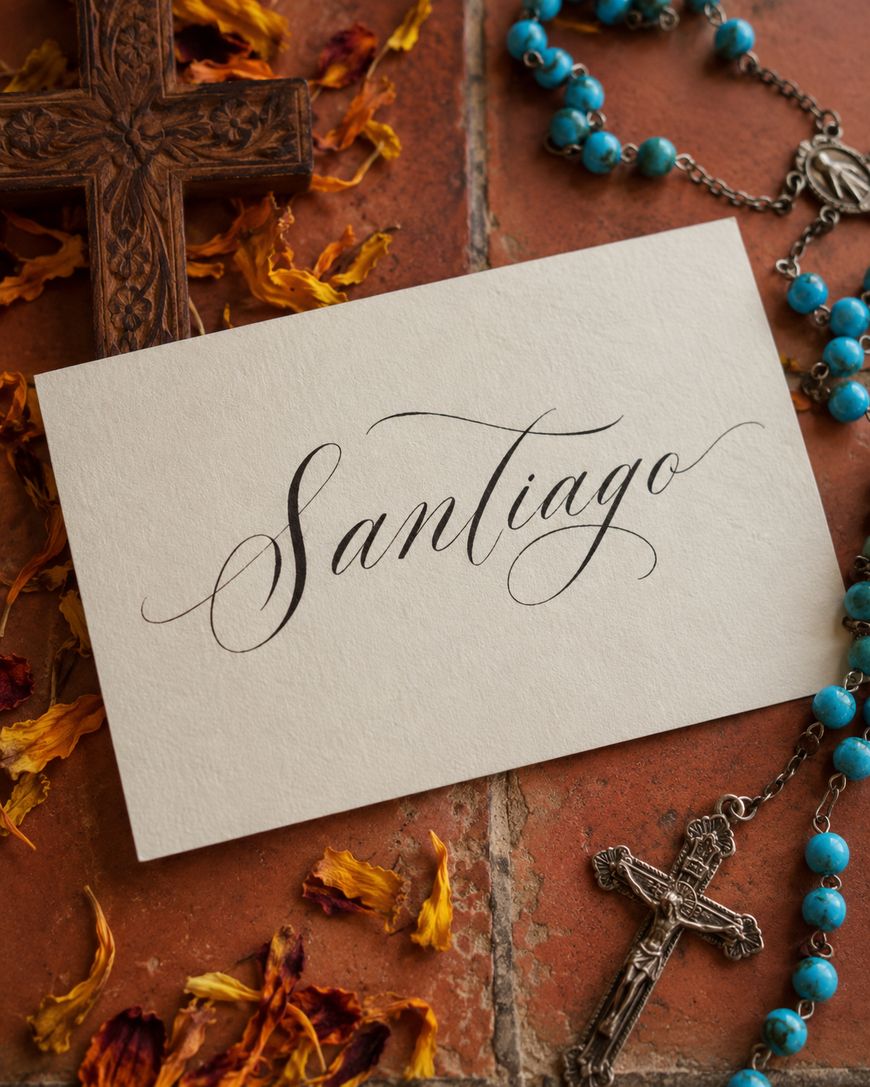
Santiago
Santiago is the Spanish evolution of “Sant Iago,” a contraction of “Santo Jacobo” (Saint James), derived from the Hebrew Yaakov, meaning “supplanter” or “one who follows at the heel.” The city of Santiago de Compostela in Spain is one of the most important pilgrimage sites in Christendom, giving this name immense spiritual significance in Mexican culture.
Mateo
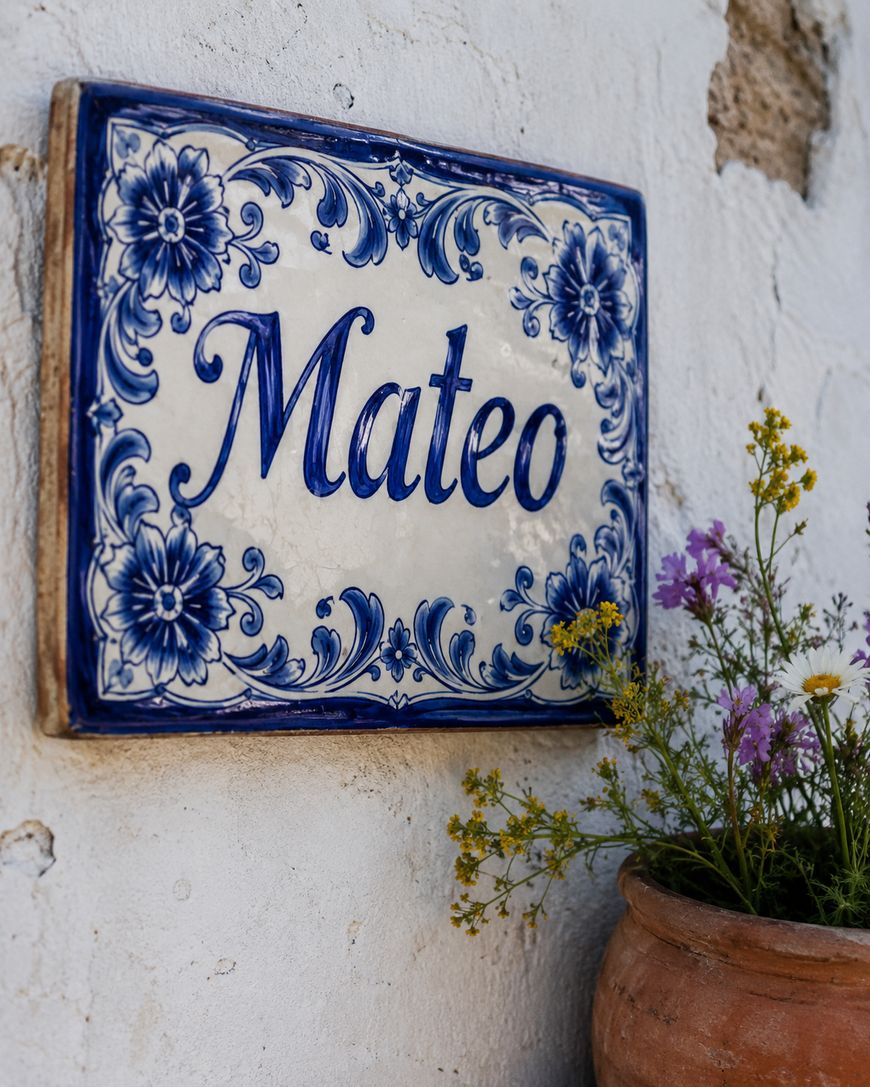
Mateo is the Spanish form of Matthew, from the Hebrew “Mattityahu,” meaning “gift of God.” It has surged in popularity across Mexico and Latin America in recent decades, appreciated for its biblical foundation combined with a warm, accessible sound.
Sebastian
Sebastian comes from the Greek “Sebastianos,” meaning “venerable” or “from Sebastia,” a city in ancient Asia Minor. The martyrdom of Saint Sebastian made this name a staple of Catholic devotion, and it has found renewed popularity in 21st-century Mexico.
Diego
Diego is a distinctly Iberian name that evolved from the medieval form of Didacus, itself derived from the Greek “didache,” meaning “teaching” or “doctrine.” It is forever associated with Diego Rivera, the legendary Mexican muralist whose work defined the visual identity of a nation.
Alejandro
Alejandro is the Spanish form of Alexander, derived from the Greek “Alexandros,” meaning “defender of men.” It carries the grandeur of Alexander the Great and has been one of the most consistently popular names in Mexico for decades.
Emiliano
Emiliano derives from the Latin family name Aemilius, which may relate to “aemulus,” meaning “rival” or “eager.” Emiliano Zapata, the revolutionary hero who fought for land rights for indigenous and rural Mexicans, made this name a symbol of justice and courage that resonates across generations.
Mexican Boy Names with Indigenous Nahuatl Roots
Nahuatl was the language of the Aztec Empire and remains spoken by over 1.5 million people in Mexico today. Mexican boy names with Nahuatl roots connect a child to one of the great civilizations of the ancient world and represent a proud assertion of indigenous Mexican identity.
Cuauhtemoc
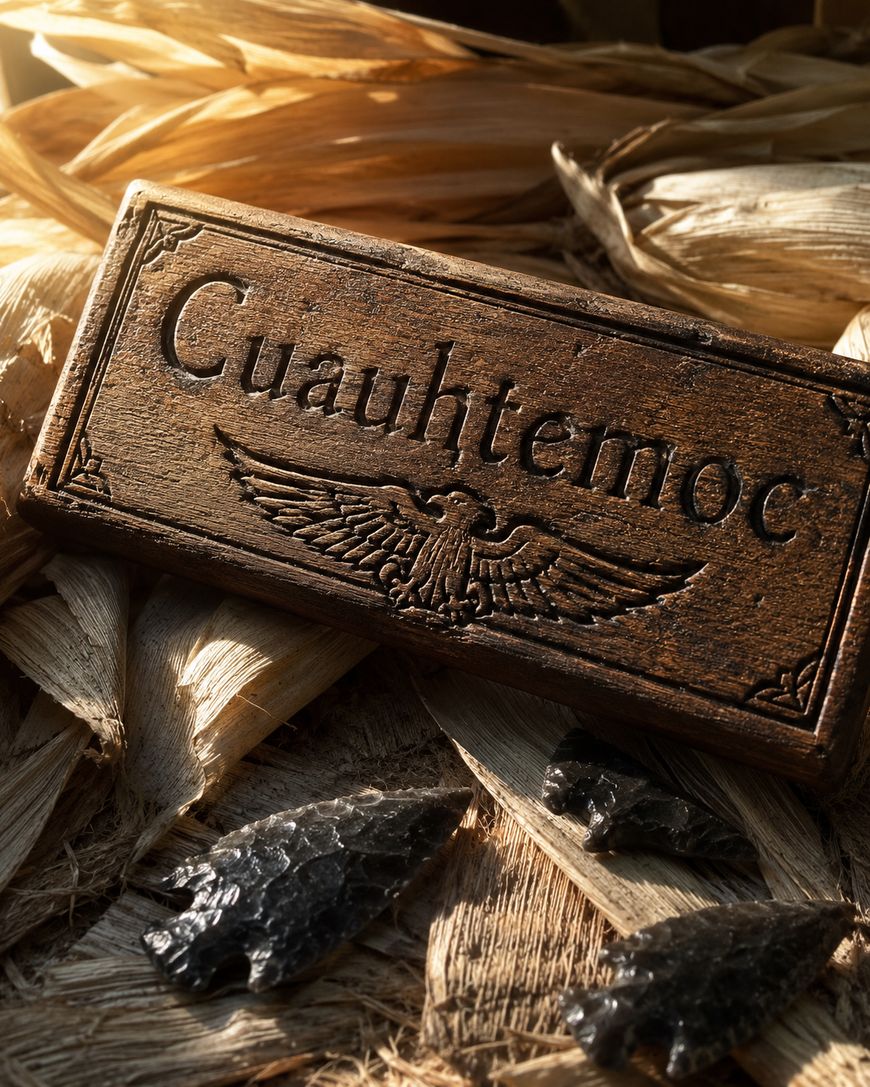
Cuauhtemoc means “descending eagle” in Nahuatl, combining “cuauhtli” (eagle) and “temoc” (he descended). He was the last Aztec emperor, who defended Tenochtitlan against the Spanish conquest in 1521 and remains a symbol of resistance and indigenous pride throughout Mexico.
Tlaloc
Tlaloc is the name of the Aztec god of rain, water, and fertility, and its meaning in Nahuatl is connected to the earth and the force that makes things sprout and grow. Giving a son this name is a bold cultural statement that honors the spiritual traditions of pre-Columbian Mexico.
Tonatiuh
Tonatiuh means “he who goes forth shining” or “the sun” in Nahuatl, derived from the verb “tona” (to shine or be warm). In Aztec cosmology, Tonatiuh was the sun deity who required ritual offerings to continue moving across the sky each day.
Itzcoatl
Itzcoatl means “obsidian serpent” in Nahuatl, from “itztli” (obsidian) and “coatl” (serpent). He was the fourth tlatoani (ruler) of Tenochtitlan and one of the founders of the Aztec Triple Alliance, making this name deeply connected to the origins of Aztec imperial power.
Chimalli
Chimalli means “shield” in Nahuatl, referring to the round ceremonial and battle shields carried by Aztec warriors. It is a striking choice that conveys protection and strength, with a direct, unambiguous link to pre-Hispanic warrior culture.
Cipactli
Cipactli refers to the primordial sea creature of Aztec mythology from whose body the gods created the earth, and the name means “crocodile” or “earth monster” in Nahuatl. Giving a child this name is a rare, powerful choice that roots them in the very creation story of Mesoamerican cosmology.
Unique and Uncommon Mexican Boy Names
For families who want a name that stands apart without abandoning cultural roots, these unique Mexican boy names offer distinctiveness grounded in genuine heritage. Each one is rare enough to feel fresh while carrying real historical or linguistic significance.
Aurelio
Aurelio comes from the Latin “aureus,” meaning “golden,” and was a Roman family name of great antiquity. In Mexico, it carries a literary association with the works of Juan Rulfo, one of the most celebrated voices in Mexican literature, and a sun-warmed quality that feels both ancient and approachable.
Celestino
Celestino derives from the Latin “caelestis,” meaning “heavenly” or “of the sky,” and was the name of several early popes. It is a lyrical name with a spiritual lightness rarely encountered outside of older Mexican family trees, making it a quietly distinctive choice with deep roots.
Porfirio
Porfirio comes from the Greek “porphyrios,” meaning “purple-clad,” referring to the imperial color associated with power and nobility. It is the name of Porfirio Diaz, the president who ruled Mexico for over three decades, a figure whose era is still actively debated in Mexican historical memory.
Rigoberto
Rigoberto comes from the Germanic elements “ric” (power) and “beraht” (bright), creating the meaning “brightly powerful.” It is strongly associated with Mexican and Central American culture specifically, far less common in Spain, which gives it a flavor that feels authentically Mexican rather than generically Spanish.
Silvestre
Silvestre comes from the Latin “silvester,” meaning “of the forest” or “wild,” from “silva” (forest). It was the name of Pope Sylvester I, who served during the reign of Constantine the Great, and its rustic, nature-rooted quality carries a sense of both ancient dignity and living earth.
Common Questions About Mexican Boy Names
What are the most popular Mexican boy names right now?
According to recent birth registration data from Mexico’s Civil Registry, the most popular Mexican boy names currently include Santiago, Mateo, Diego, Sebastian, and Emiliano. These names balance modern appeal with deep cultural and religious roots that resonate with Mexican families across all regions.
Are Nahuatl names still used in Mexico today?
Yes, Nahuatl names are actively used in Mexico, particularly in states such as Puebla, Veracruz, Hidalgo, and Oaxaca where indigenous communities maintain strong linguistic traditions. The name Cuauhtemoc in particular is widely used across all of Mexico as a symbol of national pride and indigenous heritage.
Do Mexican naming traditions follow the father’s surname or the mother’s?
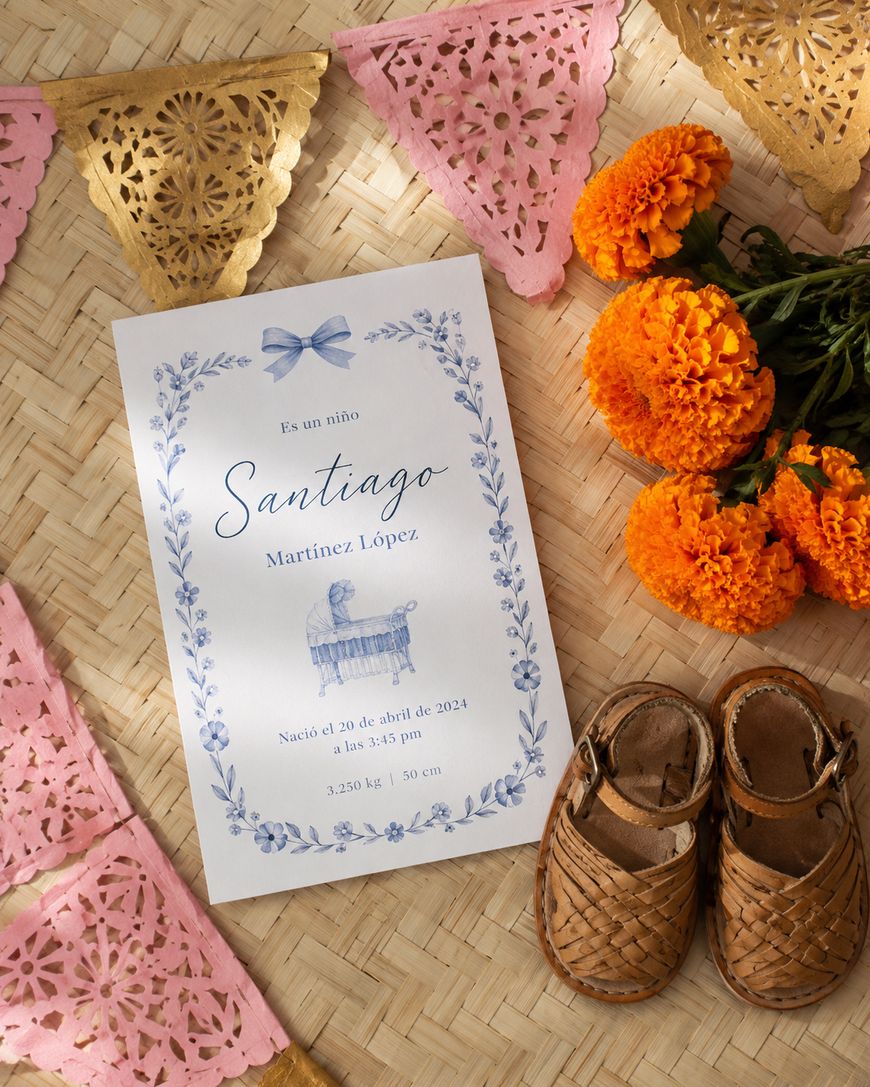
Mexican naming conventions traditionally follow the “two-surname” system, in which a child carries the first surname of the father followed by the first surname of the mother. This means a child named Carlos with a father surnamed Lopez and a mother surnamed Reyes would be officially registered as Carlos Lopez Reyes.
Can a Mexican boy have both a Spanish and a Nahuatl name?
Absolutely, and this practice is increasingly common among families who want to honor both their Catholic heritage and their indigenous roots. A child might be registered as Miguel Cuauhtemoc, combining a saint’s name with an Aztec imperial name, creating a full name that speaks to both dimensions of Mexican identity.
What is the significance of naming a child after a saint in Mexican culture?
In Mexican Catholic tradition, a child named after a saint acquires a spiritual patron whose feast day, the “dia del santo,” is celebrated almost like a second birthday. This tradition strengthens the bond between the child’s identity, their faith community, and the annual rhythm of the Catholic liturgical calendar.
Are there Mexican boy names that work well in English-speaking countries?
Many Mexican boy names cross the linguistic border with ease, including Mateo, Diego, Marco, Leo, Adrian, and Sebastian, all of which are familiar in English-speaking contexts while preserving their Hispanic roots. Names like Cuauhtemoc or Cipactli may require more phonetic guidance but are increasingly embraced in multicultural communities as powerful cultural statements.
Choosing the Right Mexican Boy Name for Your Son
The name you give your son will travel with him for his entire life. Whether you choose a classic name rooted in Spanish Catholic tradition, a modern name that reflects contemporary Mexican culture, a Nahuatl name that honors the great indigenous civilizations of Mesoamerica, or a rare gem that few others carry, you are connecting him to something far larger than a single generation.
Mexican boy names offer one of the richest naming traditions in the world, drawing on thousands of years of indigenous culture, centuries of Catholic devotion, and the living creativity of a people who continue to shape their own identity. Say the names aloud, pair them with your last name, and trust that the right one will feel exactly as it should.



Leave a Reply