Last updated: October 17, 2026
Getting vegetables into a picky eater is one of the great culinary challenges of parenthood. These hidden veggie recipes solve that problem with dishes so delicious that nobody will suspect the nutritional payload inside.
Hidden Veggie Pasta Sauce: The Classic That Started It All
A rich tomato pasta sauce is the single best vehicle for hidden vegetables in the entire kitchen. The bold flavors of garlic, tomato, and herbs mask almost any vegetable you care to blend in, and the smooth texture leaves no evidence behind.
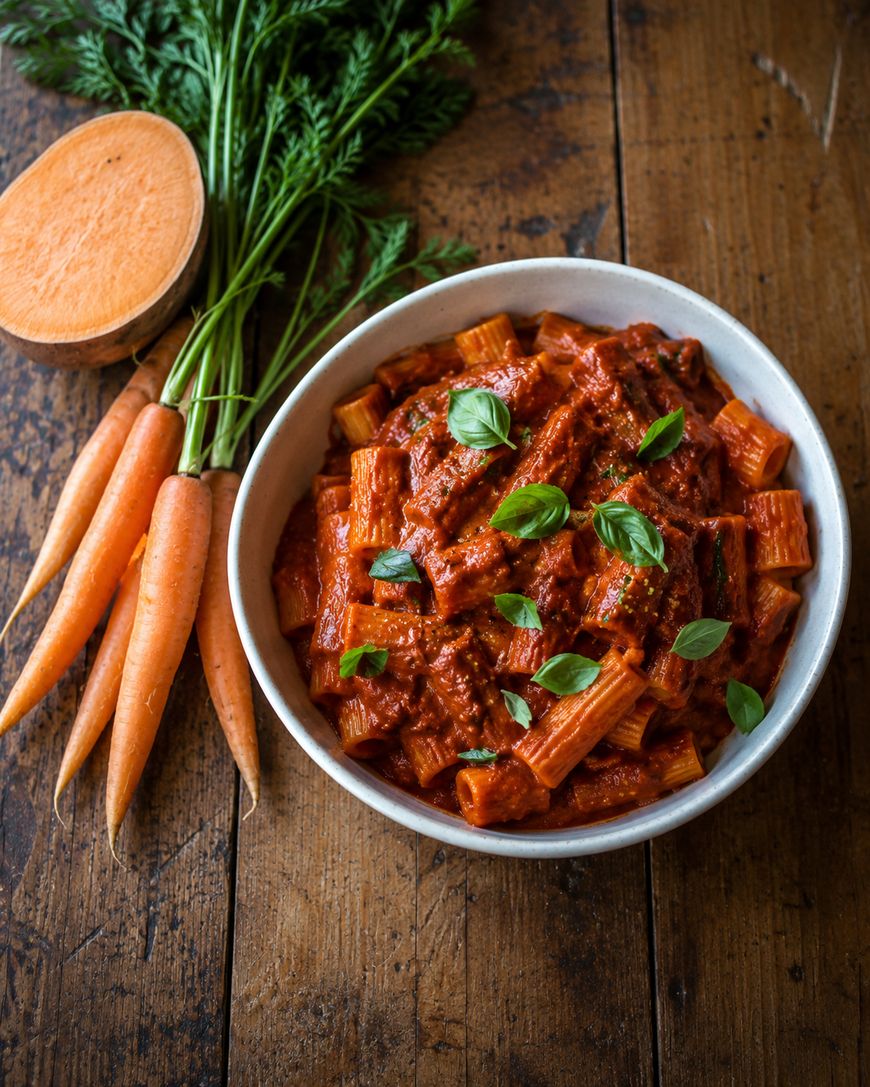
This recipe packs in carrots, sweet potato, and spinach alongside the usual tomato base. Carrots add natural sweetness that deepens the sauce’s flavor. Sweet potato contributes a velvety body that makes the sauce cling to pasta beautifully. Spinach disappears completely once blended, leaving nothing but its nutrients.
Ingredients
- 2 tablespoons olive oil
- 1 medium onion, diced
- 4 cloves garlic, minced
- 2 medium carrots, peeled and roughly chopped
- 1 medium sweet potato, peeled and diced
- 2 large handfuls baby spinach
- 1 can (28 oz) crushed tomatoes
- 1 teaspoon dried basil
- 1 teaspoon dried oregano
- Salt and pepper to taste
Method
- Heat the olive oil in a large saucepan over medium heat. Add the onion and cook for 5 minutes until softened.
- Add the garlic and cook for 1 minute, stirring constantly so it does not burn.
- Add the carrots and sweet potato. Stir to coat in the oil and cook for 3 minutes.
- Pour in the crushed tomatoes and add the dried herbs. Season with salt and pepper.
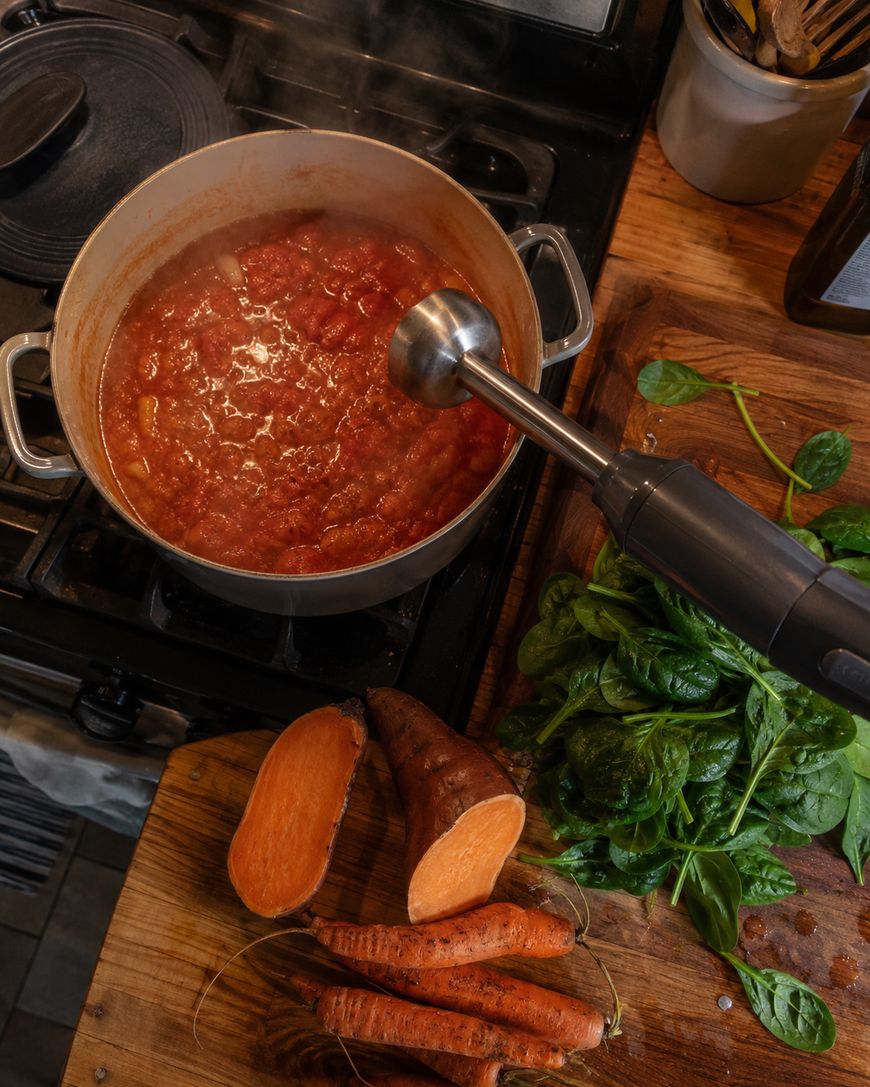
- Bring to a simmer, then cover and cook on low heat for 25 minutes until the carrots and sweet potato are completely tender.
- Add the spinach and stir until wilted, about 2 minutes.
- Use an immersion blender (or transfer in batches to a countertop blender) and blend until completely smooth.
- Taste and adjust seasoning. Serve over pasta.
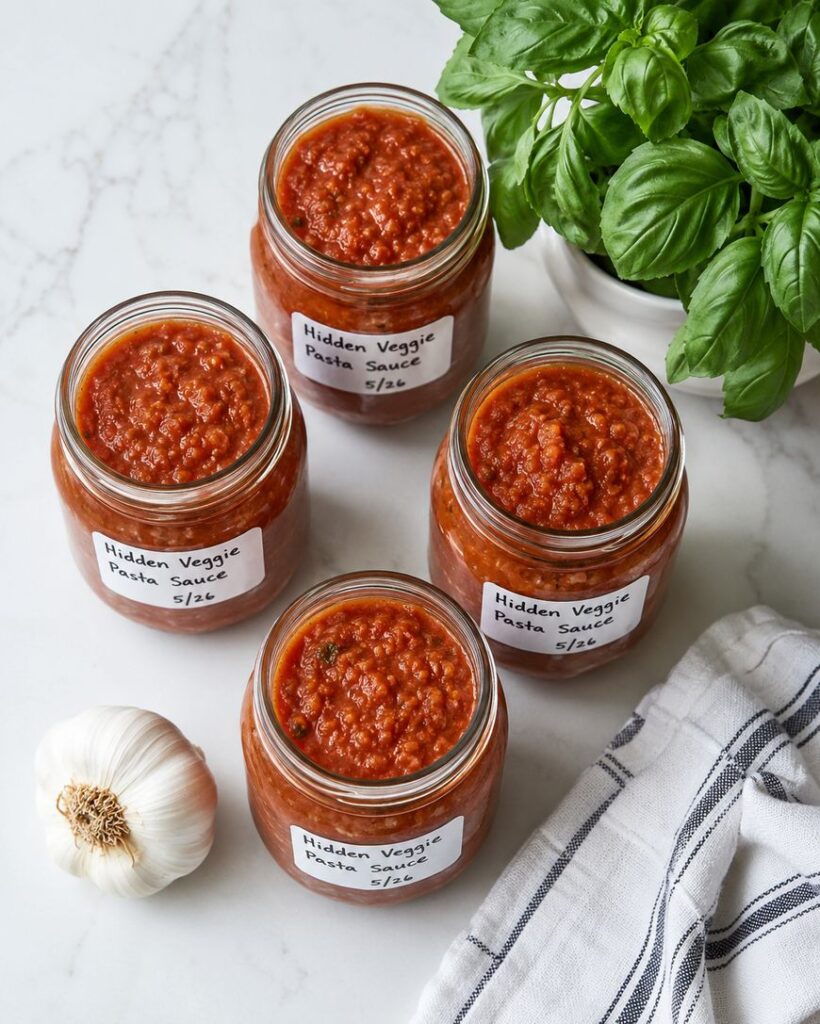
This sauce keeps in the refrigerator for up to five days and freezes beautifully for up to three months. Make a double batch on the weekend and the work is done for the week.
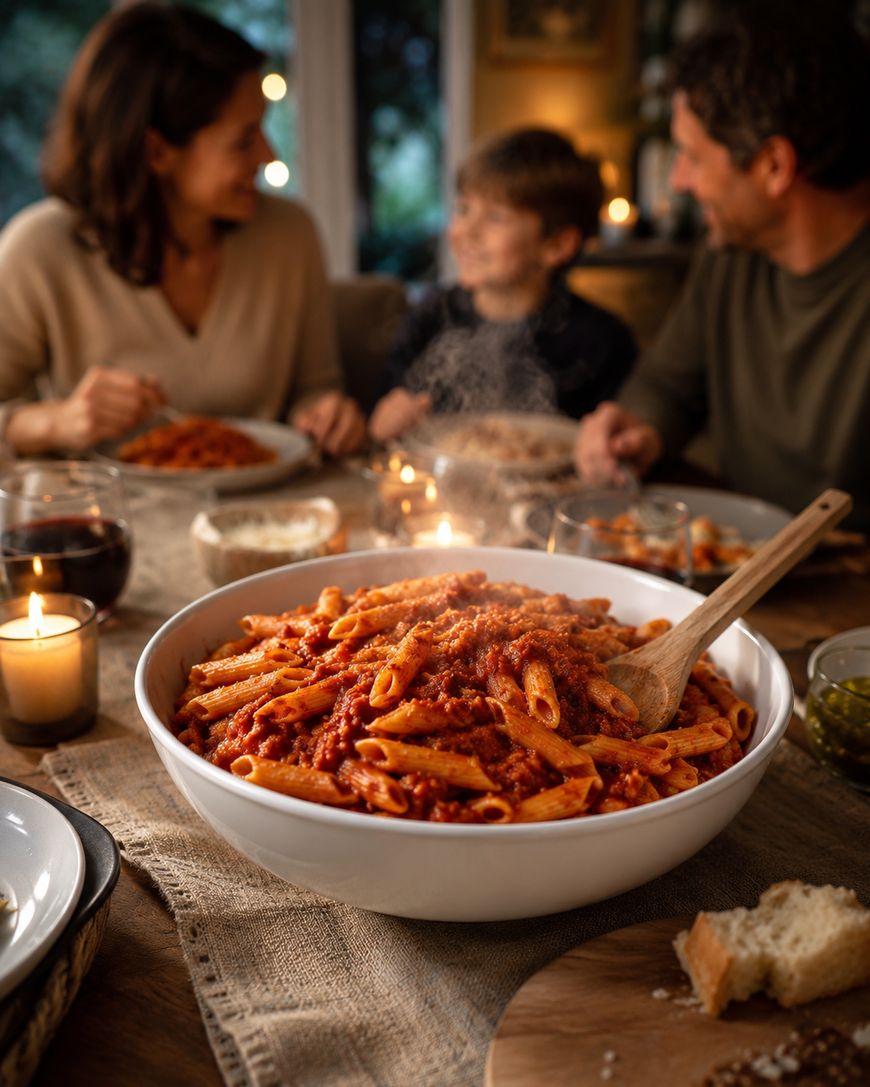
Cauliflower Mac and Cheese That Tastes Better Than the Box
Cauliflower mac and cheese has earned its reputation as the king of hidden veggie recipes for good reason. Cauliflower becomes silky and neutral-flavored when cooked and pureed, making it the ideal base for a cheese sauce that tastes richer and more indulgent than any boxed version.
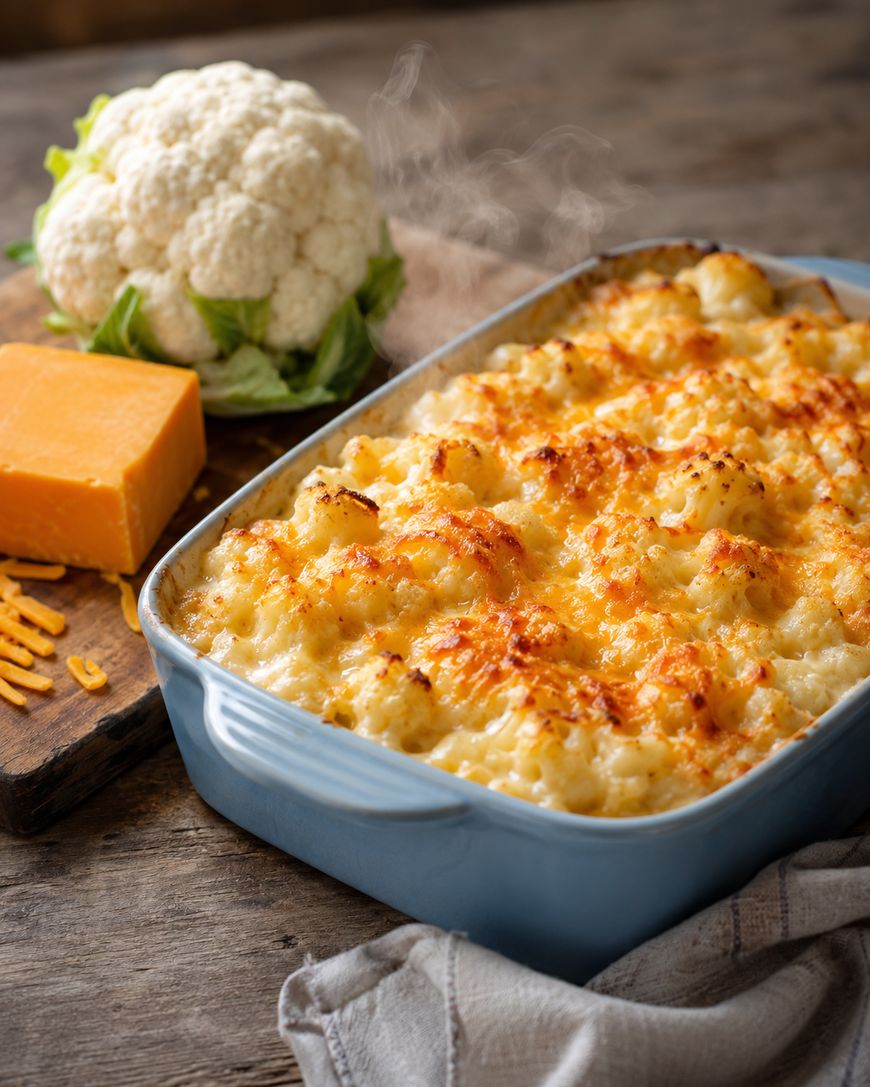
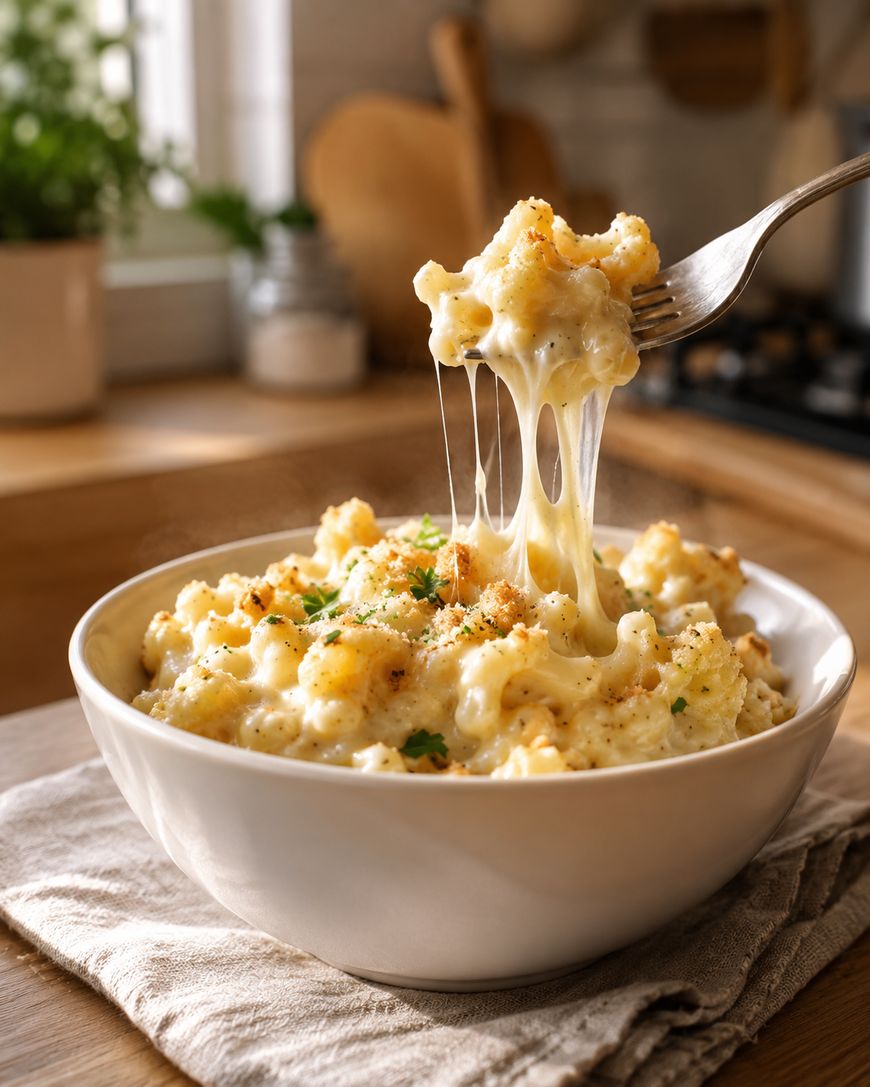
The trick is cooking the cauliflower until it is completely soft, then blending it with good-quality cheese and a splash of milk. The result is a sauce with real body and depth that coats every piece of pasta in a way that powdered cheese never can. Children who would reject a floret of cauliflower on their plate will go back for seconds of this dish.
Ingredients
- 1 medium head cauliflower, cut into florets (about 4 cups)
- 2 cups whole milk
- 1 cup vegetable or chicken broth
- 2 cups sharp cheddar cheese, shredded
- 1/2 cup Parmesan, grated
- 1 teaspoon Dijon mustard
- 1/2 teaspoon garlic powder
- Salt and pepper to taste
- 12 oz elbow macaroni or shells
Method
- Bring a large pot of salted water to a boil. Cook the pasta according to package directions, then drain and set aside.
- While the pasta cooks, combine the cauliflower florets, milk, and broth in a medium saucepan. Bring to a simmer over medium heat.
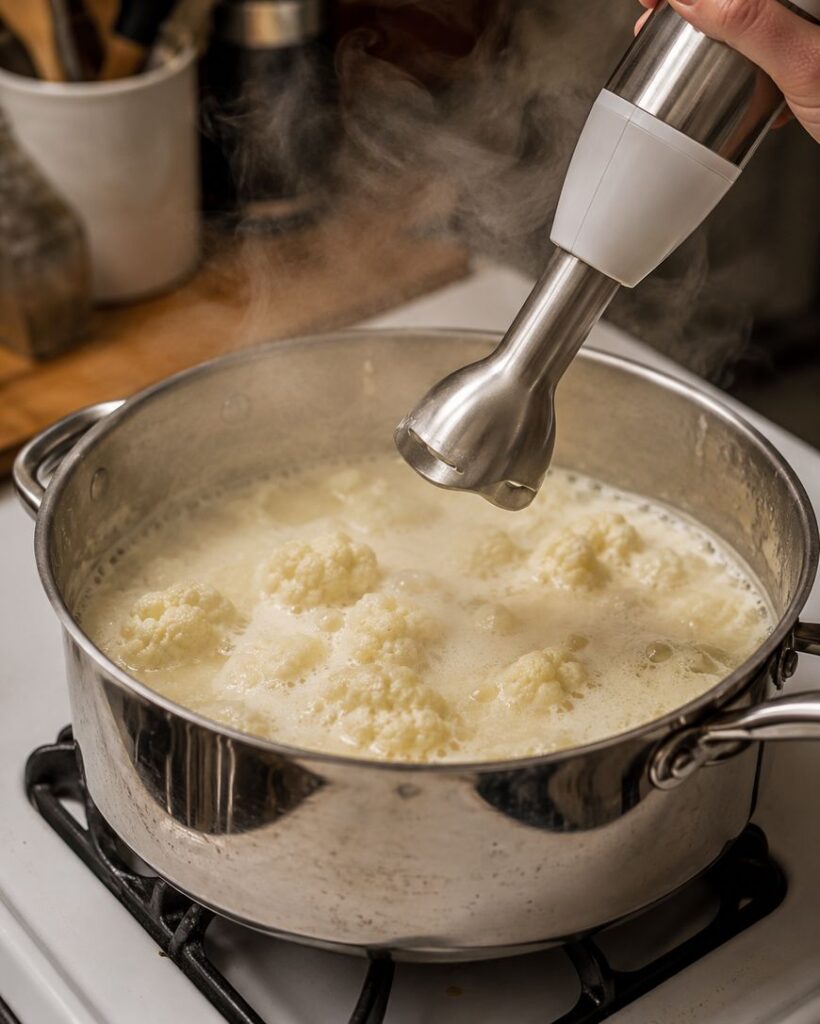
- Cover and cook for 15 to 18 minutes until the cauliflower is completely tender and falls apart when pressed.
- Transfer the cauliflower and all the liquid to a blender. Add the mustard and garlic powder. Blend until completely smooth.
- Pour the blended cauliflower back into the saucepan over low heat. Stir in the cheddar and Parmesan in small handfuls, letting each addition melt before adding the next.
- Season well with salt and pepper.
- Combine the cheese sauce with the cooked pasta and stir to coat evenly. Serve immediately.
For an extra layer of nutrition, stir a large handful of baby spinach into the hot finished dish. It wilts into the sauce in about 60 seconds and becomes invisible.
Zucchini Chocolate Muffins That Disappear in Minutes
Baked goods are the secret weapon of hidden veggie cooking. These zucchini chocolate muffins are deeply chocolatey, moist, and rich, with a texture that zucchini makes better, not worse.
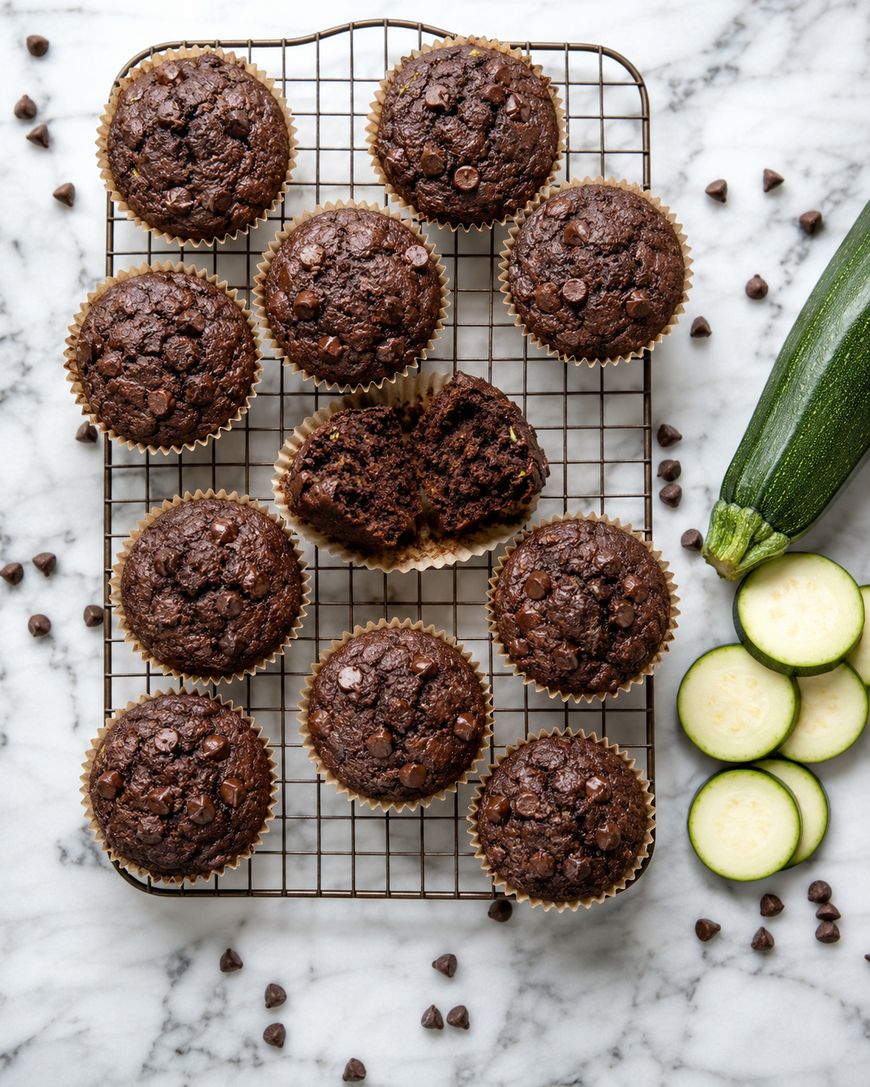
Zucchini adds moisture that keeps the crumb tender for days. It has virtually no flavor of its own, which means it contributes nothing to the taste profile except texture. The recipe works equally well with finely grated carrot or butternut squash if zucchini is not available.
Ingredients
- 1 1/2 cups all-purpose flour
- 1/2 cup unsweetened cocoa powder
- 1 teaspoon baking soda
- 1/2 teaspoon baking powder
- 1/2 teaspoon salt
- 2 eggs
- 1/2 cup granulated sugar
- 1/2 cup brown sugar, packed
- 1/3 cup vegetable oil
- 1/2 cup plain Greek yogurt
- 1 teaspoon vanilla extract
- 1 1/2 cups zucchini, finely grated and lightly squeezed
- 1/2 cup chocolate chips
Method
- Preheat the oven to 350 degrees F. Line a 12-cup muffin tin with paper liners or grease well.
- In a large bowl, whisk together the flour, cocoa powder, baking soda, baking powder, and salt. Set aside.
- In a separate bowl, whisk together the eggs, both sugars, oil, yogurt, and vanilla until smooth and combined.
- Gently squeeze the grated zucchini in a clean kitchen towel to remove some of the excess moisture. Do not squeeze it completely dry.
- Add the wet ingredients to the dry ingredients and stir until just combined. Do not overmix.
- Fold in the grated zucchini and chocolate chips.
- Divide the batter evenly among the 12 muffin cups. Each should be about three-quarters full.
- Bake for 20 to 23 minutes until a toothpick inserted in the center comes out with just a few moist crumbs.
- Cool in the tin for 5 minutes, then transfer to a wire rack.
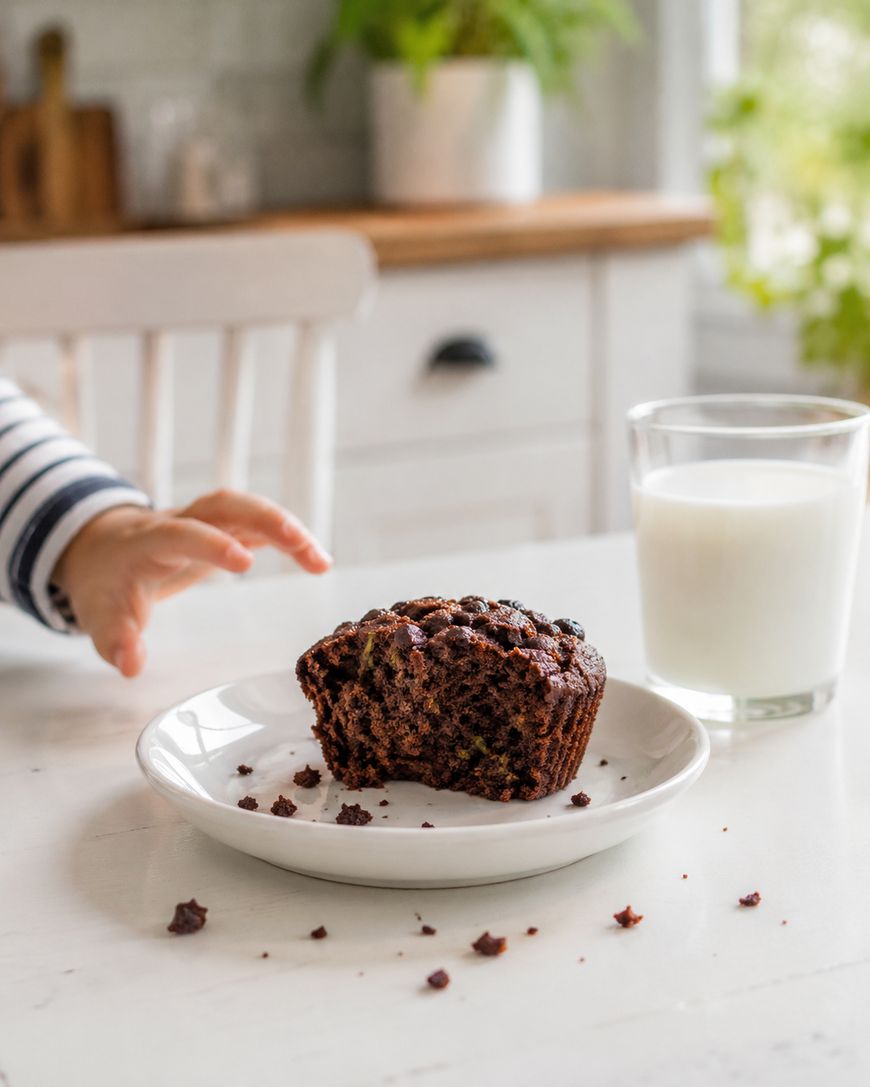
Store in an airtight container at room temperature for up to three days, or freeze individually for up to two months.
The Spinach Smoothie That Tastes Like Tropical Fruit
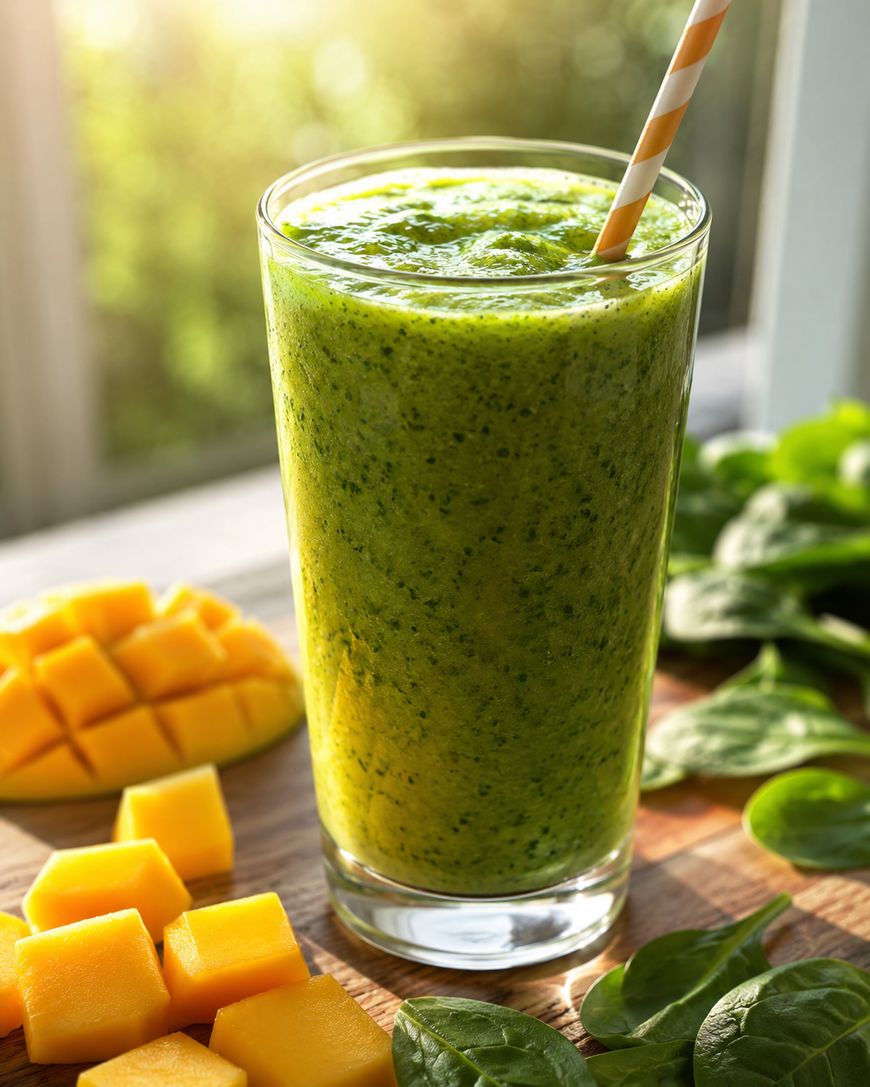
A spinach smoothie is the fastest hidden veggie recipe in this guide. Two large handfuls of fresh spinach blended with frozen banana, mango, and a splash of orange juice produces a drink that is completely green but tastes like a tropical fruit smoothie.
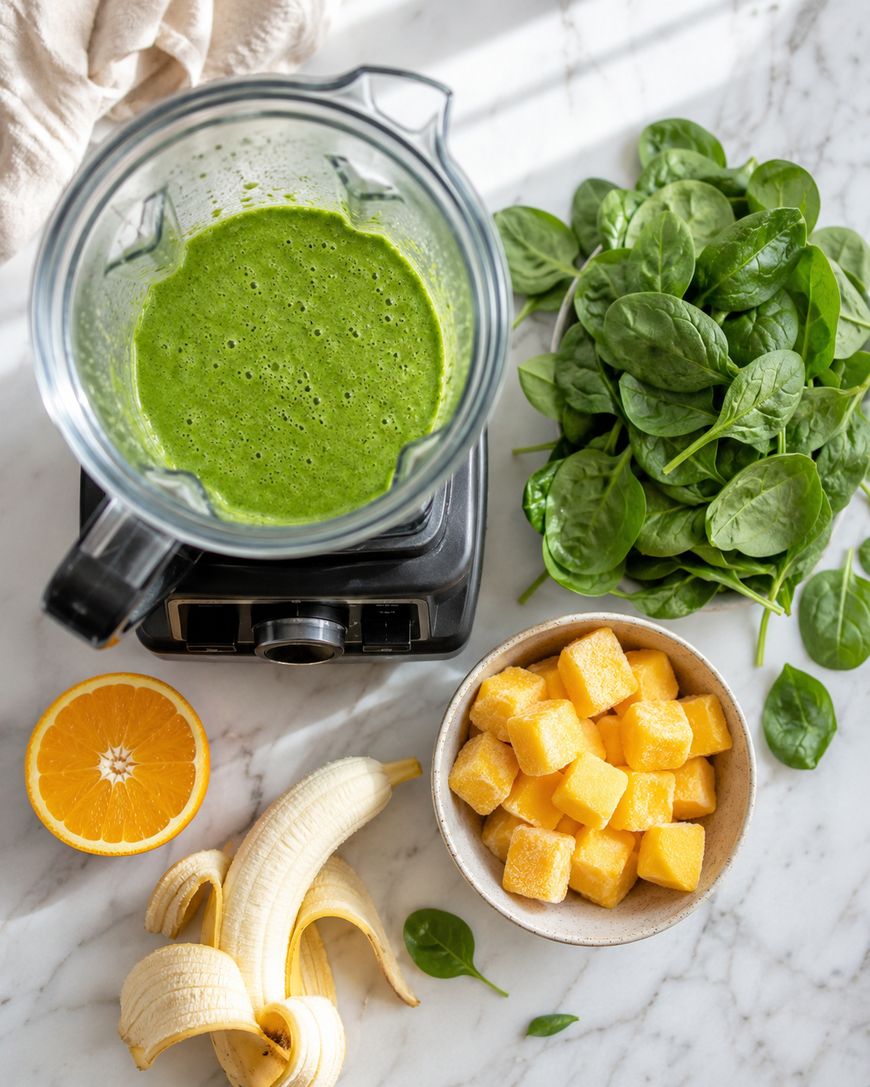
The banana and mango completely overpower any green flavor. Start with one handful of spinach and work up to two or three as the family gets used to it. Spinach works better than kale for this purpose because its flavor is far milder, making it a genuinely useful trick for children aged two and up.
Which Vegetables Hide Best and Where
Not every vegetable disappears equally well in every dish. Understanding which vegetables work in which contexts is the core skill behind successful hidden veggie cooking.
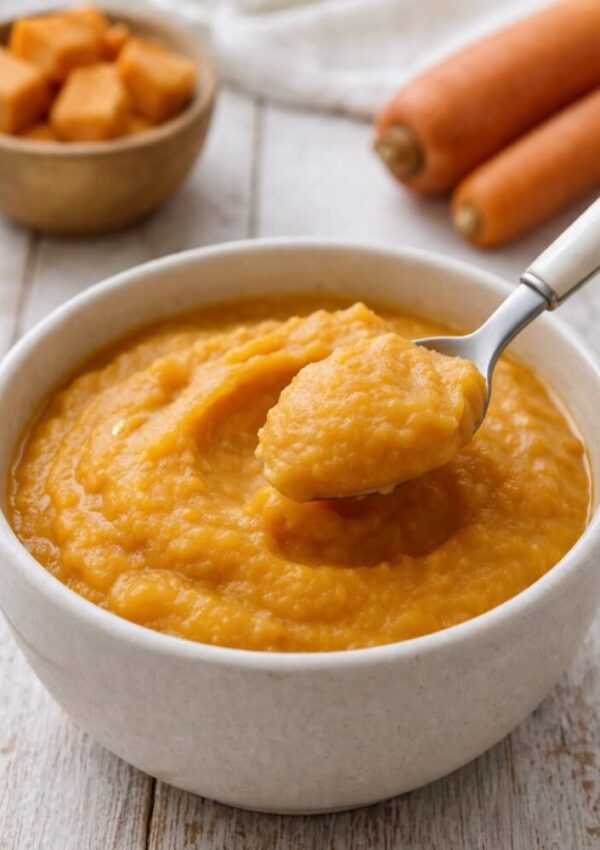
Butternut squash is one of the most versatile hiding vegetables available. Its deep orange color blends naturally into tomato sauces, macaroni cheese, and soups, and its flavor complements almost any savory or sweet preparation. Puree it and stir it into boxed mac and cheese for an instant upgrade.
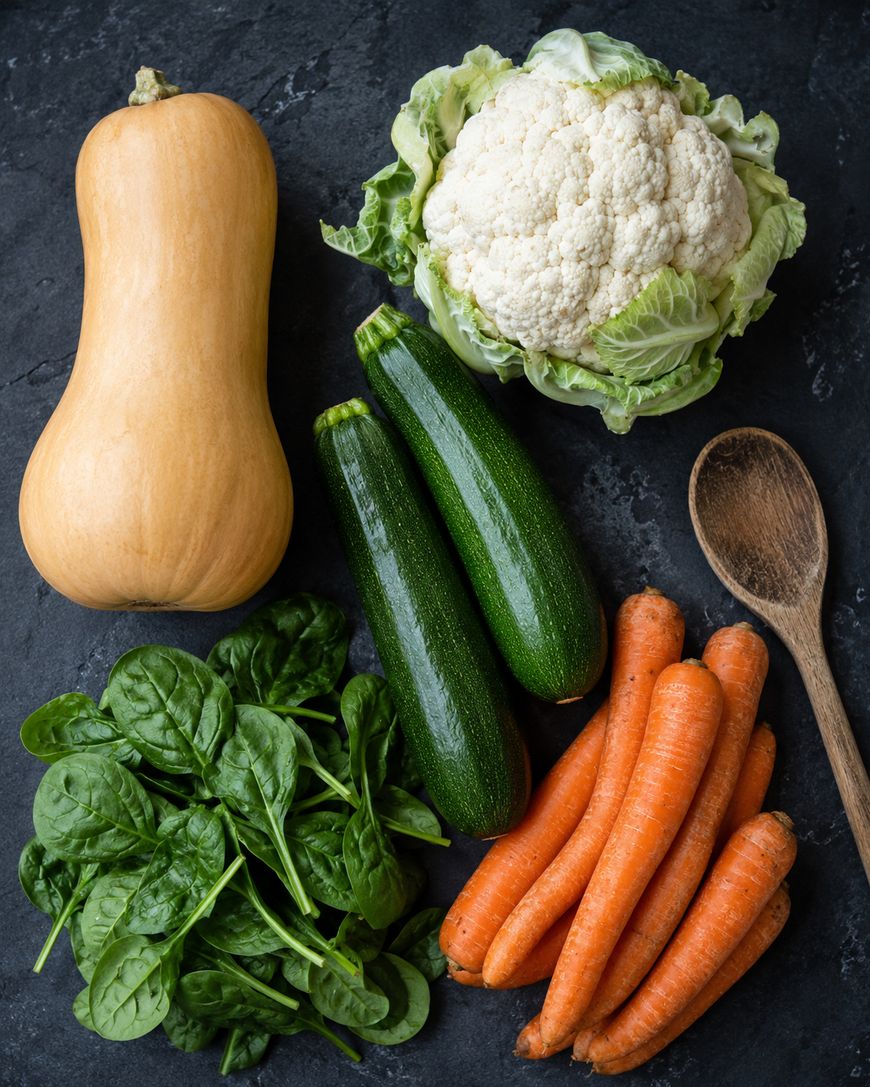
Cauliflower is the neutral chameleon of the vegetable world. It takes on the flavor of whatever it is cooked with, which makes it useful in sauces, mashed potatoes, pizza dough, and even baked goods. In white sauces specifically, it adds creaminess without any identifiable flavor.
Zucchini shreds well and disappears into baked goods completely. The key step is a light squeeze to remove excess water before adding it to batter. Use it in muffins, quick breads, pancakes, and fritters.
Spinach has the weakest flavor of any leafy green and becomes invisible once pureed or wilted. Use it in smoothies, pasta sauces, egg muffins, soups, and dips. It is the gateway vegetable for cooking with hidden greens.
Carrots add sweetness wherever they go and are easy to grate finely into burgers, meatballs, and tomato sauces. In baked goods, finely grated carrot adds moisture and a hint of sweetness that reads as pure flavor improvement.
Hidden Veggie Recipes: Common Questions Answered
What age can children start eating these hidden veggie recipes?
Most of these recipes are suitable from around 12 months, once a child has moved to family foods. The pasta sauce and cauliflower mac and cheese are both soft-textured and easy for young eaters. The muffins are suitable from about 18 months, once a child is comfortable with more textured foods.
Is it deceptive to hide vegetables from children?
The goal of hiding vegetables is not permanent deception but rather consistent exposure to flavors so that children develop a broader palate over time. Nutritionists generally support the approach as a pragmatic feeding strategy. Many parents find that children who have been eating hidden veggie recipes for months become more open to trying vegetables in their whole form.
Which vegetables are the hardest to hide?
Strong-flavored vegetables are the most challenging to conceal. Broccoli, Brussels sprouts, and kale have assertive flavors that are difficult to fully mask, particularly in baked goods or smoothies. Stick with the mild-flavored options listed in this guide until you have built up confidence and your family is eating more varied food overall.
Can these hidden veggie recipes be made ahead and frozen?
The pasta sauce freezes perfectly in portion-sized containers for up to three months. The muffins freeze individually and can be pulled out the night before for a quick lunchbox addition. The cauliflower mac and cheese is best made fresh, though it can be stored in the refrigerator for up to three days.
How do you get the most nutrition from hidden vegetables?
Cooking vegetables briefly and avoiding overcooking preserves more of their water-soluble vitamins. Adding a fat source like olive oil or cheese alongside vegetables also improves absorption of fat-soluble vitamins like vitamin A and vitamin K. In sauces that are blended and simmered, a significant portion of nutrients are retained in the sauce itself rather than lost in cooking water.
Do these recipes work for adults too?
Every recipe in this guide is genuinely delicious for adults and not a compromise. The pasta sauce is richer and more complex than a standard tomato sauce, and the cauliflower mac and cheese is more satisfying than a boxed version. Hidden veggie cooking benefits everyone at the table, regardless of age or dietary goals.
Start Small and Build From There
The best hidden veggie recipes work because they meet people where they are. You do not need to overhaul every meal at once to see real results.
Pick one recipe from this guide, make it this week, and see how it goes. The pasta sauce is the easiest starting point because it fits into a meal that is already part of most family routines. Once that is accepted, add the cauliflower mac and cheese, and then the zucchini muffins when baking becomes part of your routine.
Hidden veggie recipes are not a substitute for eventually expanding a picky eater’s palate, but they are a reliable, low-stress way to ensure that good nutrition keeps happening in the meantime. Cook with confidence, blend thoroughly, and the vegetables will take care of themselves.


Leave a Reply