Last updated: October 10, 2026
You want a snack that is quick, nutritious, and something your kids will actually reach for without a fight. These protein balls for kids deliver all of that in under 15 minutes, with no oven required.
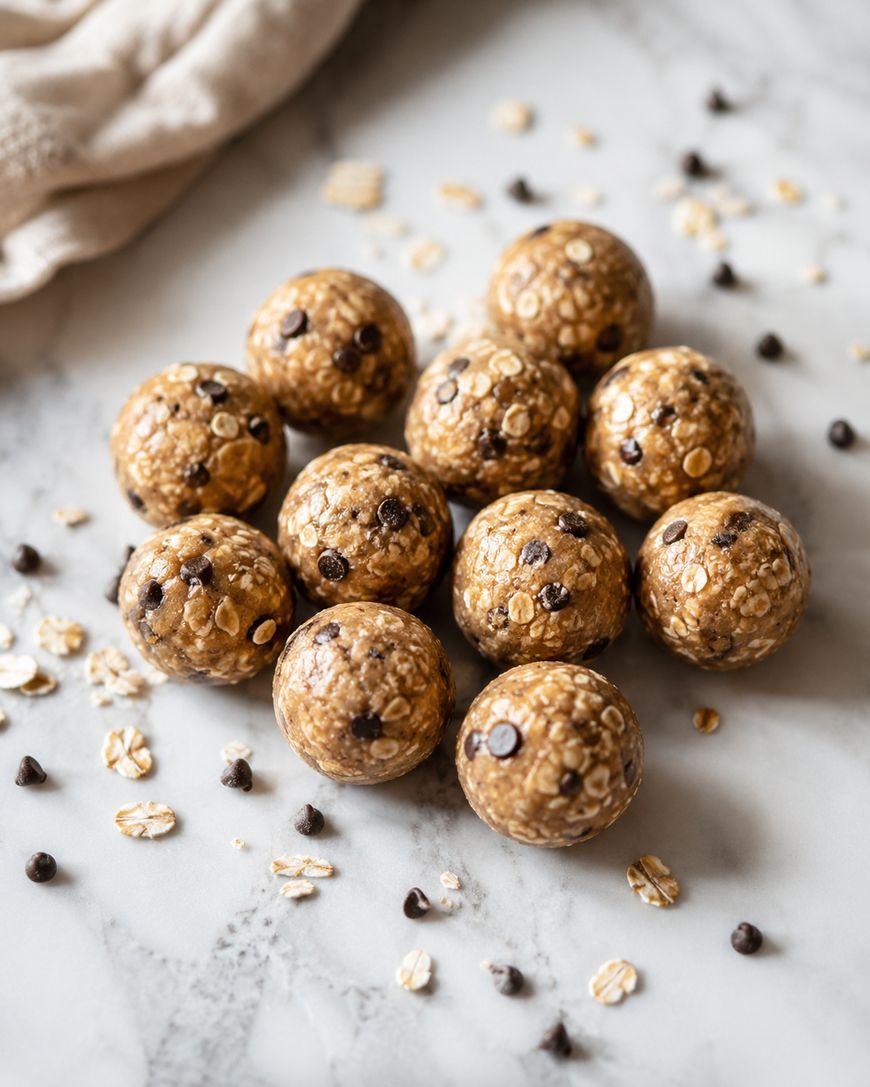
Why Protein Balls for Kids Are a Snack Game-Changer
Getting enough protein into kids is a daily challenge for most parents. Children between the ages of 4 and 8 need around 19 grams of protein per day, while kids aged 9 to 13 need closer to 34 grams, according to general dietary guidelines. Snacks are a real opportunity to close that gap, and protein balls make it easy.
Unlike store-bought granola bars loaded with added sugar and hard-to-pronounce ingredients, homemade protein balls use whole food ingredients you can actually see and name. They are portable, freezer-friendly, and endlessly customizable, which means you can adapt them to picky eaters, food allergies, or whatever is already sitting in your pantry.
Kids also love eating something that looks fun and bite-sized. There is no cutting, no utensils, and no mess at the table. That alone makes protein balls a win on a busy school morning or after sports practice.
These snacks work for toddlers who are graduating beyond purees, school-age kids who need sustained energy through a long afternoon, and teenagers who are hungry the moment they walk through the door. Once you nail the basic formula, you will find yourself making a batch every week without even thinking about it.
What Goes Into a Good Protein Ball for Kids
The base of most kid-friendly protein balls is a combination of a binder, a protein source, and a mix-in that adds flavor or texture. The binder holds everything together, the protein keeps kids full longer, and the mix-ins make each batch feel special.
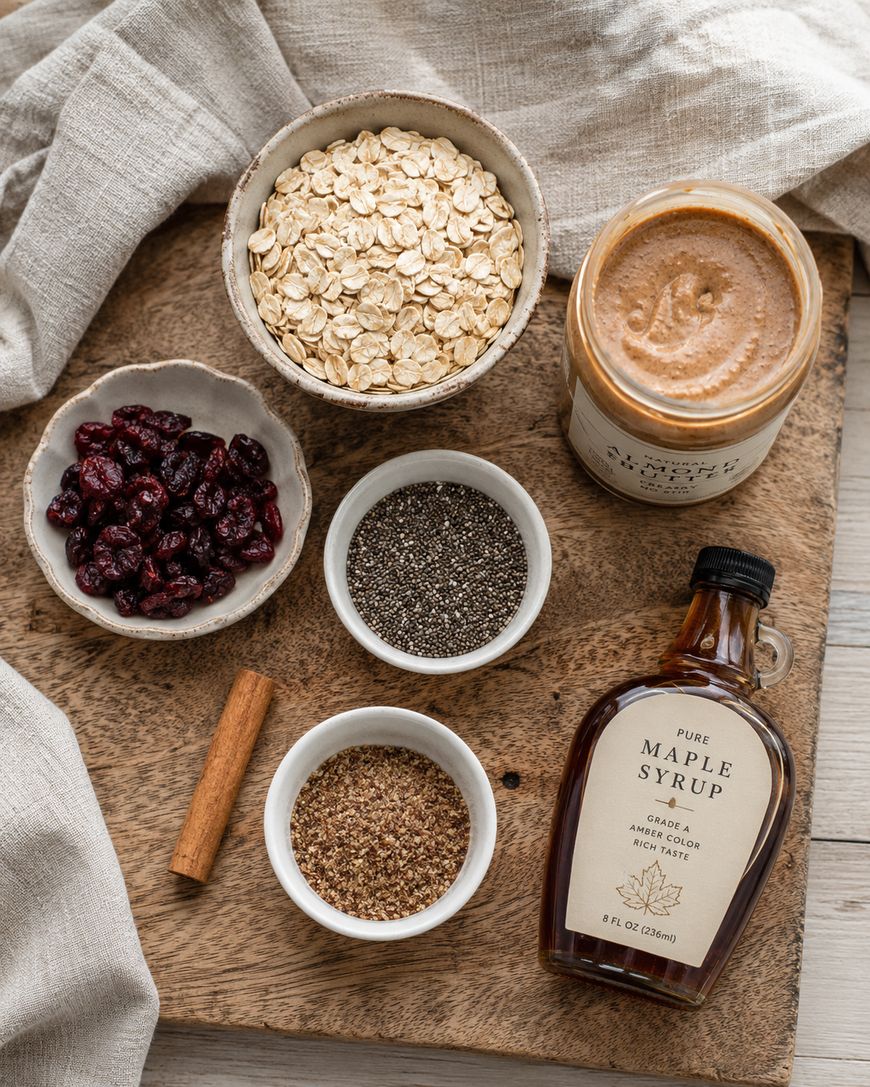
Common binders include natural peanut butter, almond butter, sunflower seed butter (great for nut-free schools), and tahini. These add healthy fats along with a little protein of their own.
Oats are a near-universal ingredient in kid-friendly protein balls. Rolled oats provide fiber and a chewy texture that helps the balls hold their shape without baking. You can use quick oats for a smoother texture or old-fashioned rolled oats for more bite.
For added protein, options include collagen peptides, hemp seeds, Greek yogurt powder, and flaxseed. Many parents avoid heavily processed protein powders for young children, so these whole-food sources are a gentler choice. Mini chocolate chips, shredded coconut, dried cranberries, and a drizzle of honey round out the flavor and make the balls feel like a treat rather than a health food.
A note on sweeteners: honey is a satisfying natural option for kids over age 1. For toddlers under 12 months, swap honey for maple syrup or a mashed ripe banana, which also adds natural sweetness and moisture.
3 Easy Protein Ball Recipes for Kids
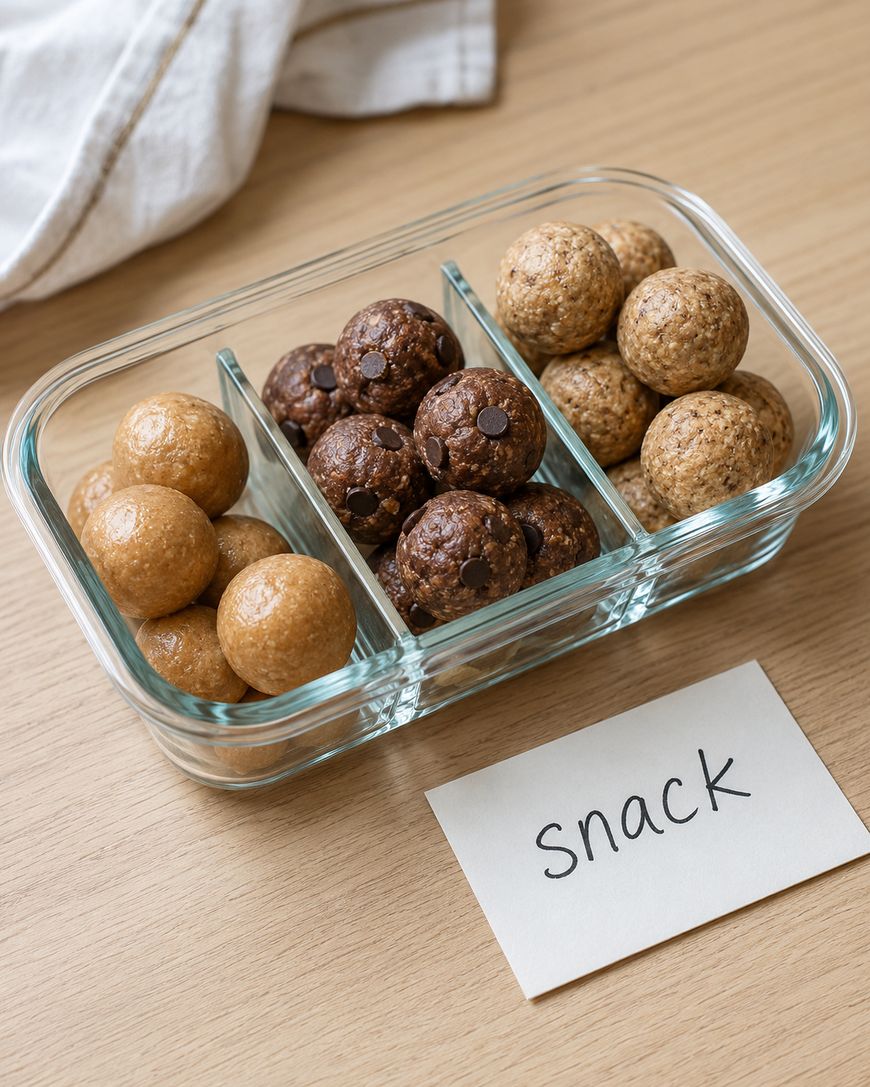
Each of these recipes makes roughly 18 to 24 balls depending on size. Store them in an airtight container in the fridge for up to one week, or freeze for up to three months.
Classic Peanut Butter Chocolate Chip Protein Balls
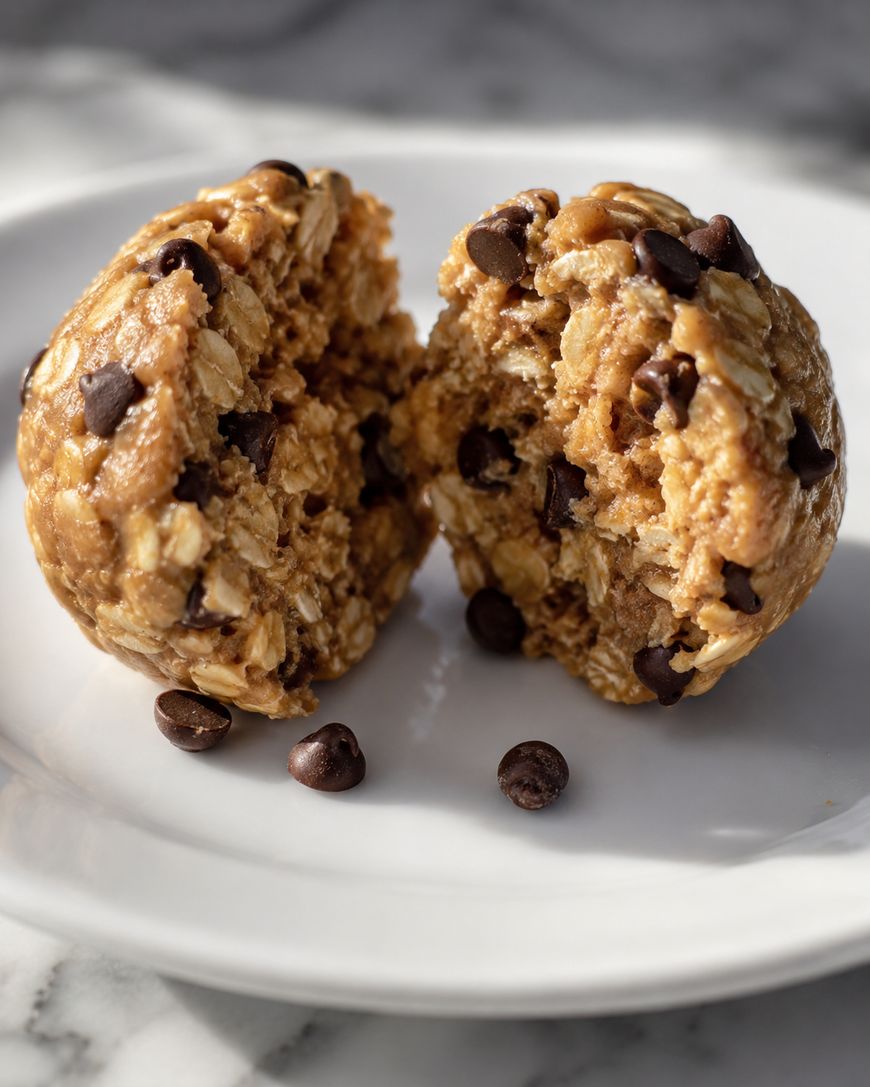
This is the crowd-pleasing go-to. Most kids are on board with peanut butter and chocolate chips, and the recipe comes together in about 10 minutes.
- 1 cup old-fashioned rolled oats
- 1/2 cup natural peanut butter (creamy)
- 1/3 cup honey
- 1/2 cup mini chocolate chips
- 1/4 cup ground flaxseed
- 1 teaspoon vanilla extract
- Pinch of fine sea salt
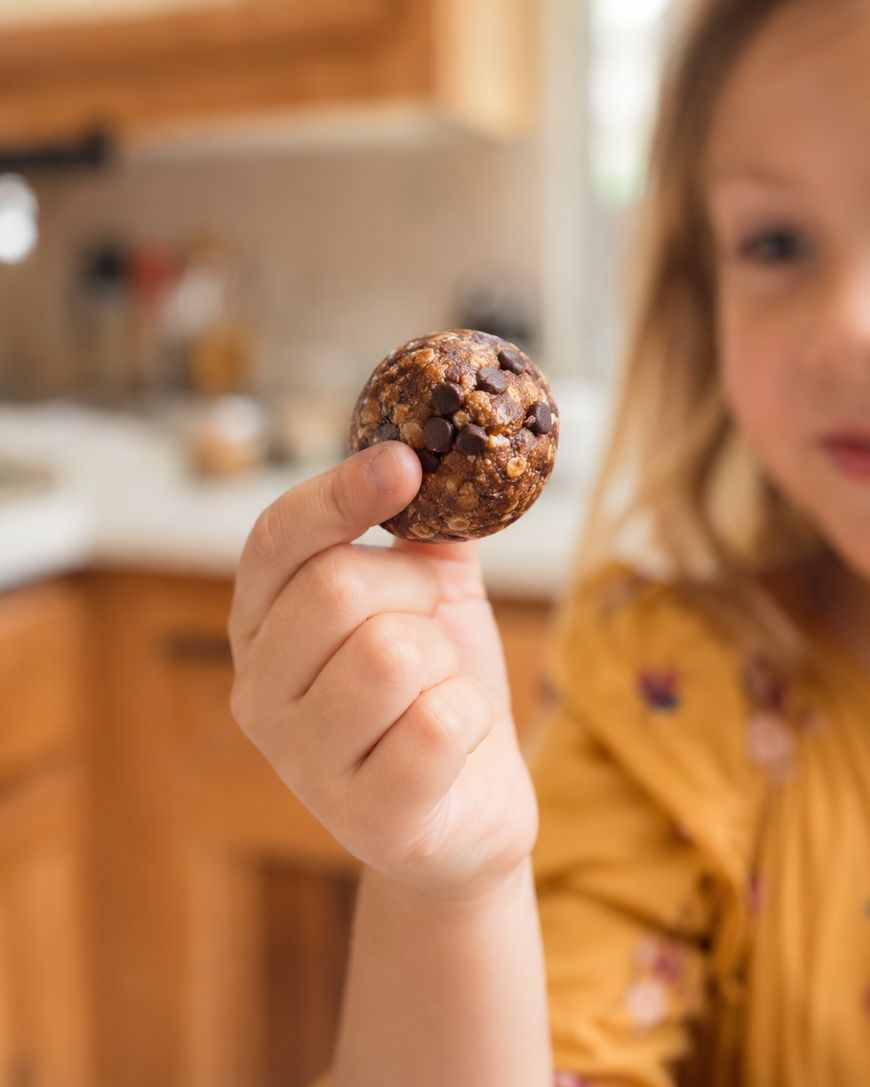
- Combine all ingredients in a large mixing bowl and stir until fully incorporated.
- Cover the bowl and refrigerate for 30 minutes so the mixture firms up.
- Scoop out about 1 tablespoon of mixture and roll between your palms to form a ball.
- Place on a parchment-lined baking sheet or plate.
- Refrigerate for another 15 minutes before serving, or transfer directly to an airtight container.
Sunflower Seed Butter Oat Balls (Nut-Free)
These are perfect for school-safe snacking when peanuts and tree nuts are not allowed. Sunflower seed butter has a mild, slightly earthy flavor that pairs well with honey and dried fruit.
- 1 cup quick oats
- 1/2 cup sunflower seed butter
- 1/4 cup honey or maple syrup
- 1/4 cup dried cranberries or raisins
- 2 tablespoons hemp seeds
- 1/2 teaspoon cinnamon
- 1/2 teaspoon vanilla extract
- Mix sunflower seed butter, honey, vanilla, and cinnamon together in a bowl until smooth.
- Stir in oats, hemp seeds, and dried cranberries until the mixture is well combined.
- Refrigerate the mixture for 20 minutes to make it easier to handle.
- Roll into balls about the size of a large marble, roughly 1 to 1.5 tablespoons each.
- Store in the fridge in a sealed container for up to 7 days.
Banana Coconut Protein Balls
These use a ripe mashed banana as both the sweetener and the binder, making them a great option for babies and toddlers transitioning to finger foods. They are naturally lower in sugar and higher in potassium.
- 1 cup rolled oats
- 1 ripe medium banana, mashed
- 1/4 cup almond butter or sunflower seed butter
- 1/4 cup unsweetened shredded coconut, plus extra for rolling
- 2 tablespoons collagen peptides (optional)
- 1/4 teaspoon cinnamon
- Mash the banana thoroughly with a fork in a large bowl until smooth.
- Add almond butter, oats, shredded coconut, collagen peptides if using, and cinnamon, then stir to combine.
- If the mixture feels too sticky, refrigerate for 30 minutes before rolling.
- Scoop and roll into small balls, about 1 tablespoon each for toddlers or slightly larger for older kids.
- Roll each ball in extra shredded coconut for a pretty finish and a bit of texture.
- Refrigerate until firm, at least 20 minutes, then serve or store.
How to Get Kids Involved in Making Protein Balls
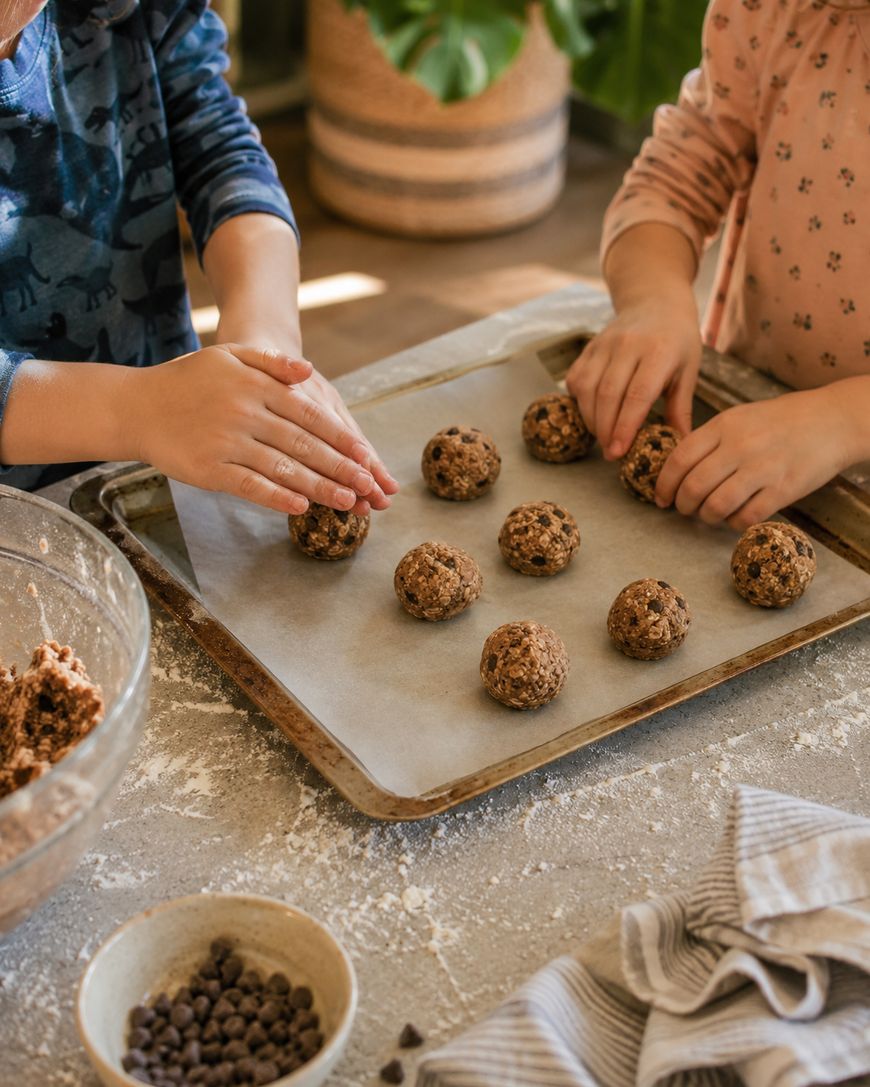
One of the best things about protein balls is that children can genuinely help make them. Kids as young as 3 can press the mix-in ingredients into a bowl and stir. By age 5 or 6, most kids can roll the balls with their palms, which they tend to find very satisfying.
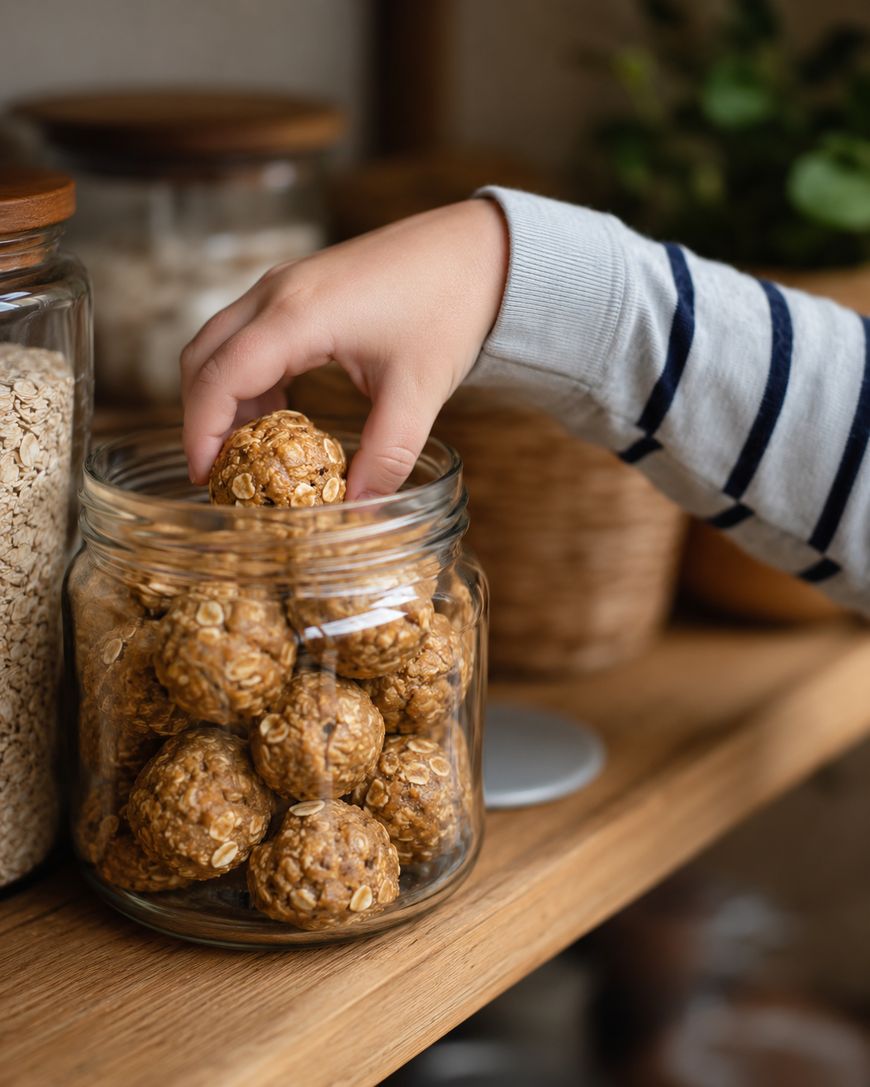
Letting kids choose their own mix-ins is a clever strategy for picky eaters. When a child selects the mini M&Ms over the chocolate chips, or insists on adding sprinkles, they feel ownership over the snack and are far more likely to eat it without protest.
Older kids aged 9 and up can measure ingredients independently and manage the full process with minimal supervision. These moments in the kitchen build confidence, teach basic math concepts like fractions, and create a connection to food that tends to make children more adventurous eaters over time.
Set up a rolling station with small bowls of coating options like coconut, crushed graham crackers, or rainbow sprinkles. Kids can customize each ball, which makes the whole process feel more like a craft project than a chore.
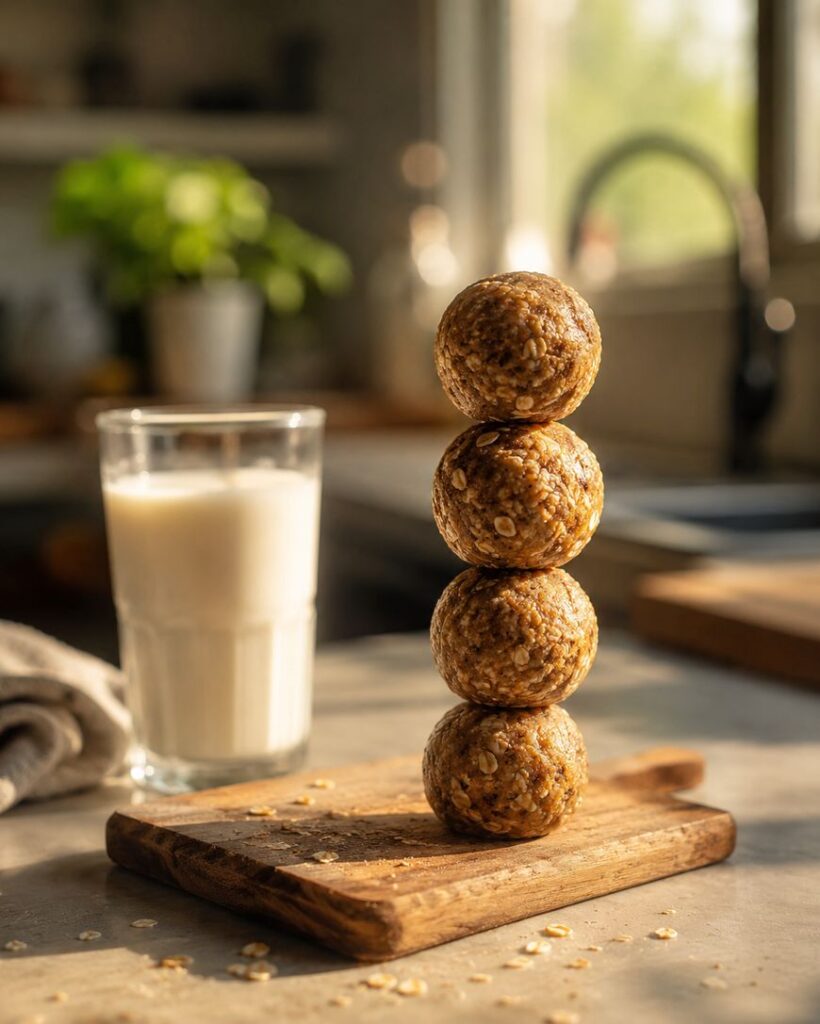
Storage Tips and Make-Ahead Strategy
Protein balls are ideal for batch cooking. Spending 20 minutes on a Sunday afternoon can set you up with snacks for the entire week. Here is a straightforward system that works well for most families.
Make a double or triple batch and divide them into portions. Keep what you will eat in the next three to four days in an airtight container in the refrigerator. The balls stay firm and fresh without drying out when stored this way.
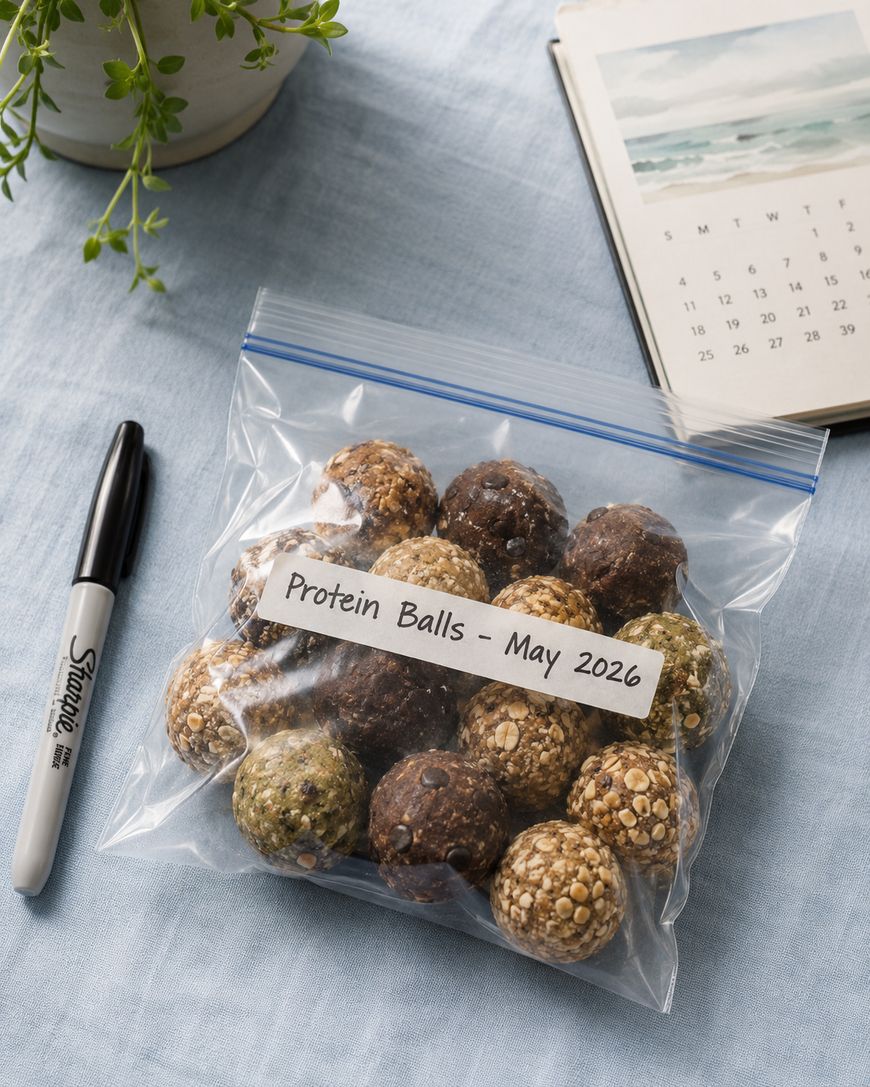
Freeze the remaining portions in a single layer on a parchment-lined tray, then transfer to a zip-lock freezer bag once solid. Label the bag with the date and flavor. Frozen protein balls thaw in about 15 to 20 minutes at room temperature, or you can move them from the freezer to the fridge the night before school.
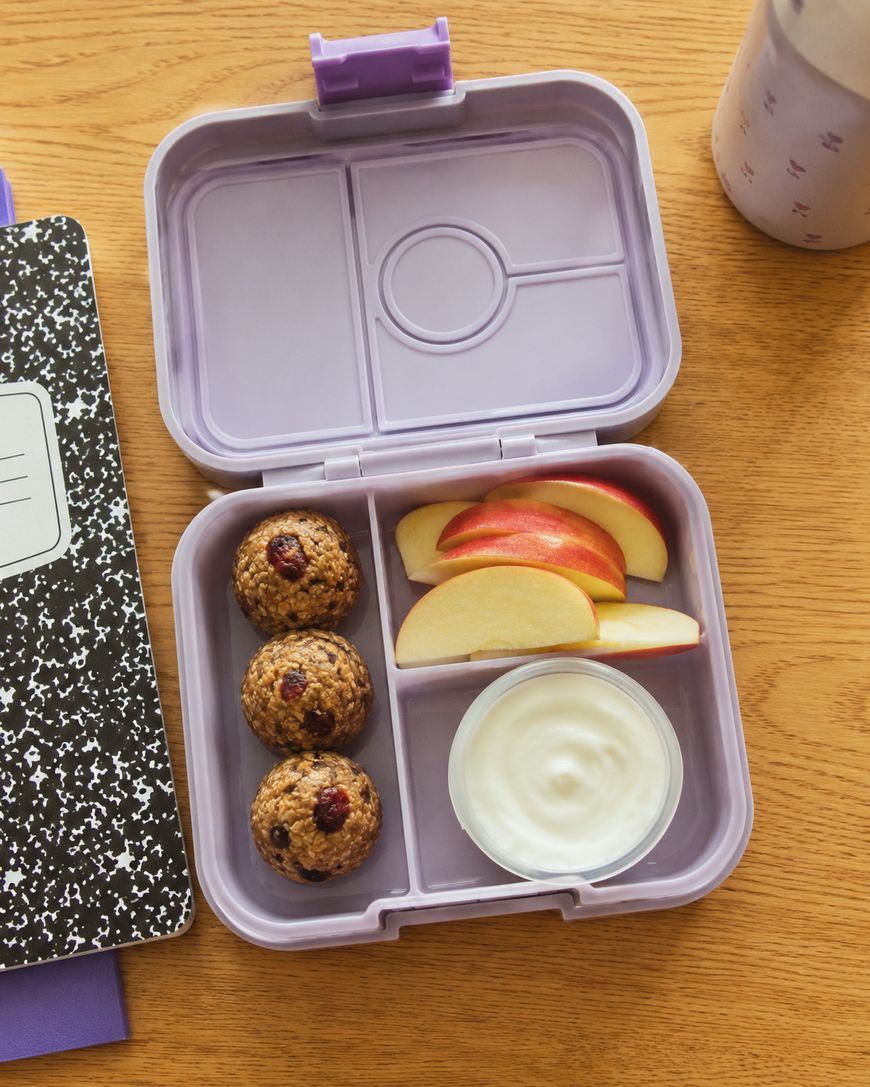
For lunchbox packing, a small reusable silicone bag or a snack-size container works perfectly. Two to three protein balls alongside a piece of fruit make a balanced, sustaining mid-morning or afternoon snack.
Protein Balls for Kids: Questions Parents Ask Most
How much protein does each ball actually have?
It depends on the recipe and size, but most homemade protein balls with nut butter and oats deliver around 3 to 5 grams of protein per ball. A serving of two or three balls alongside a glass of milk can bring that to 10 to 15 grams, which is a meaningful contribution to a child’s daily needs.
Can toddlers eat protein balls?
Yes, with a few adjustments. Skip the honey for children under 12 months and use a nut-free butter if there are allergy concerns. For choking, change the shape rather than the size: round, firm, grape-sized pieces are the hazard, so for under-fours press the mixture into a pan and cut it into narrow strips, or flatten each ball into a disc they can bite rather than swallow whole. The banana coconut recipe in this post is specifically designed with younger kids in mind.
Are protein balls suitable for school lunchboxes?
Absolutely, as long as you check your school’s nut policy first. The sunflower seed butter recipe in this post is entirely nut-free and safe for most school environments. Pack them in a cool lunchbox with an ice pack to keep them fresh until lunchtime.
Can you make protein balls without oats?
Yes. You can substitute oats with puffed rice cereal, crushed graham crackers, or quinoa puffs for a gluten-free or oat-free version. The texture will be lighter and slightly crispier, but the balls hold together well as long as the nut butter ratio stays the same.
How long do protein balls last?
In the fridge, protein balls keep well for up to 7 days in an airtight container. In the freezer, they last up to 3 months. Avoid leaving them at room temperature for longer than 2 hours, especially in warm weather, as the nut butter can soften and the texture becomes sticky.
Can you use protein powder for kids?
Many pediatric dietitians recommend using whole-food protein sources for children rather than supplements, especially for kids under 10. Collagen peptides, hemp seeds, and Greek yogurt powder are gentler options that provide protein without the heavy sweeteners or additives found in many commercial protein powders. If you are considering adding a supplement, check with your child’s pediatrician first.
Make Protein Balls for Kids Part of Your Weekly Routine
Protein balls for kids are one of the simplest, most flexible snacks you can add to your family’s routine. They come together fast, last all week in the fridge, and give you a reliable way to fuel your kids between meals without reaching for processed snacks.
Start with the classic peanut butter chocolate chip recipe if your family does not have nut allergies. Once you are comfortable with the basic formula, experiment with different nut butters, mix-ins, and coatings to keep things interesting. Every batch is a chance to try something new.
The goal is not a perfect snack. The goal is a snack your kids will actually eat, that takes less time to make than a trip to the store, and that you feel good about handing them. Protein balls for kids check every single one of those boxes.



Leave a Reply