Last updated: August 30, 2026
Toddler muffins are soft, small baked muffins made with simple ingredients that are easy for toddlers to eat and safe for developing chewing skills. The simplest default approach is to start with one reliable base recipe and change the mix-ins to create variety without extra work.
Once you have a solid base, you can customize flavors, rotate ingredients, and batch-bake for the freezer.
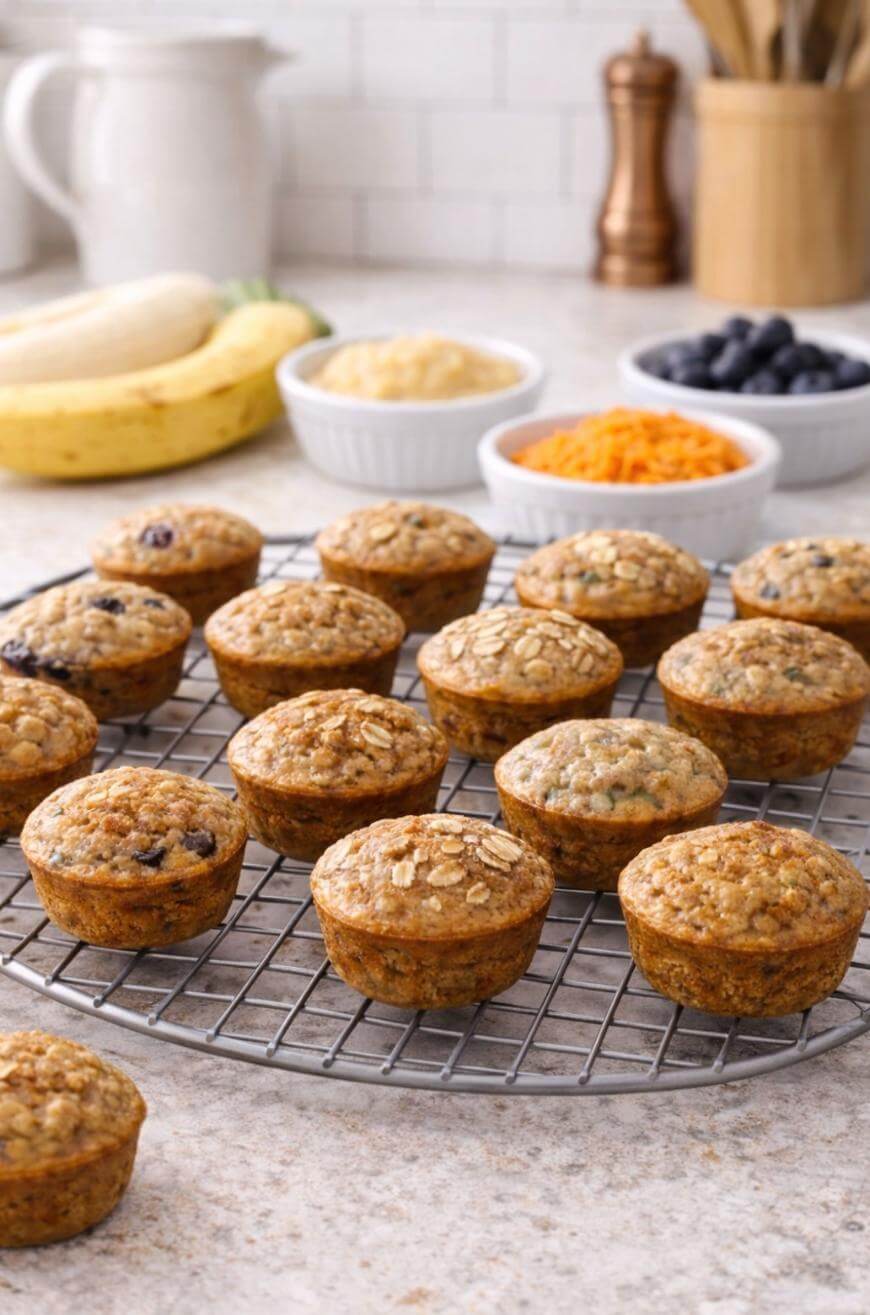
The Base Toddler Muffin Recipe You Can Customize
1. Simple Base Toddler Muffin Recipe
This base recipe creates soft, moist muffins that work with fruit, vegetables, or savory add-ins. It is designed for mini muffin pans and contains no refined sugar.
Use 1 ripe banana, 1 egg, ½ cup oat flour, ¼ cup unsweetened applesauce, and ½ teaspoon baking powder. Bake at 350°F for 12–14 minutes until set.
2. How To Adjust Texture For Younger Toddlers
Younger toddlers need extra-soft muffins with no dry edges. Texture matters more than flavor at this stage.
Add an extra 2 tablespoons of applesauce or yogurt if muffins feel dense after baking.
3. How To Sweeten Toddler Muffins Naturally
Fruit is the safest way to sweeten toddler muffins without added sugar. Banana, applesauce, pumpkin, and sweet potato all work well.
Aim for about ½ cup total fruit purée per batch to keep muffins moist and lightly sweet.
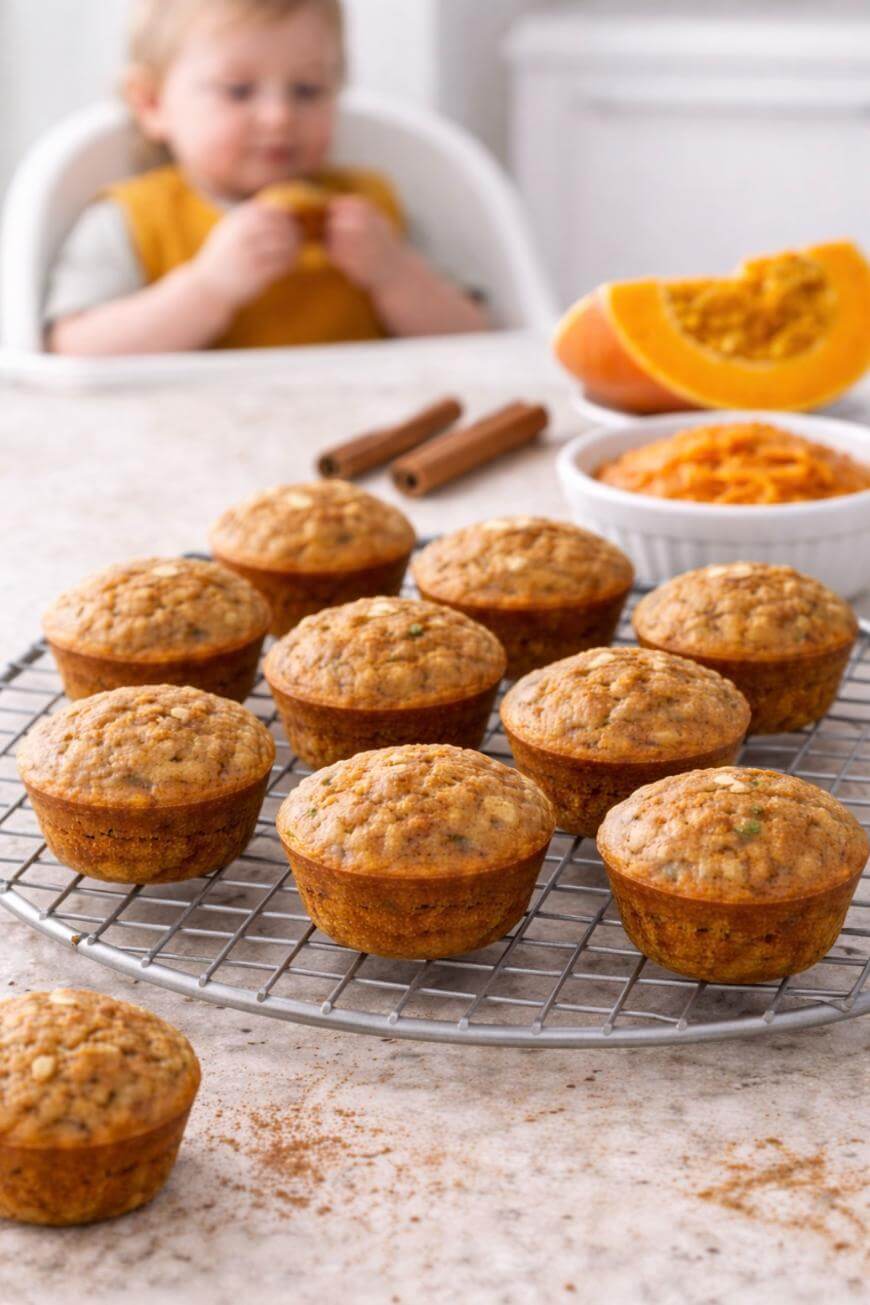
Toddler Muffin Flavor Variations Using The Base Recipe
4. Banana Oatmeal Toddler Muffins
Banana oatmeal muffins are the most familiar and widely accepted option. They are soft and naturally sweet.
Replace applesauce with extra banana if your toddler prefers stronger banana flavor.
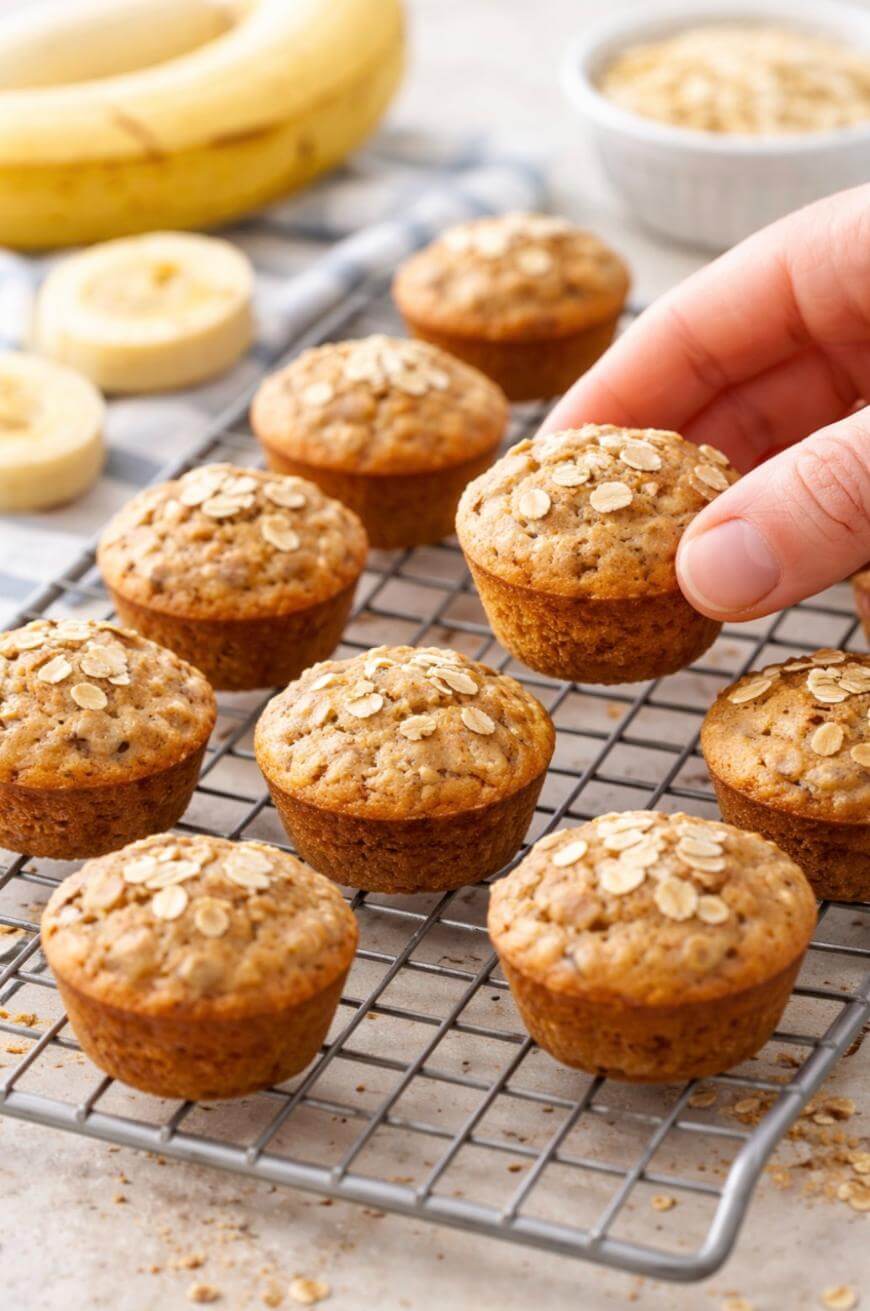
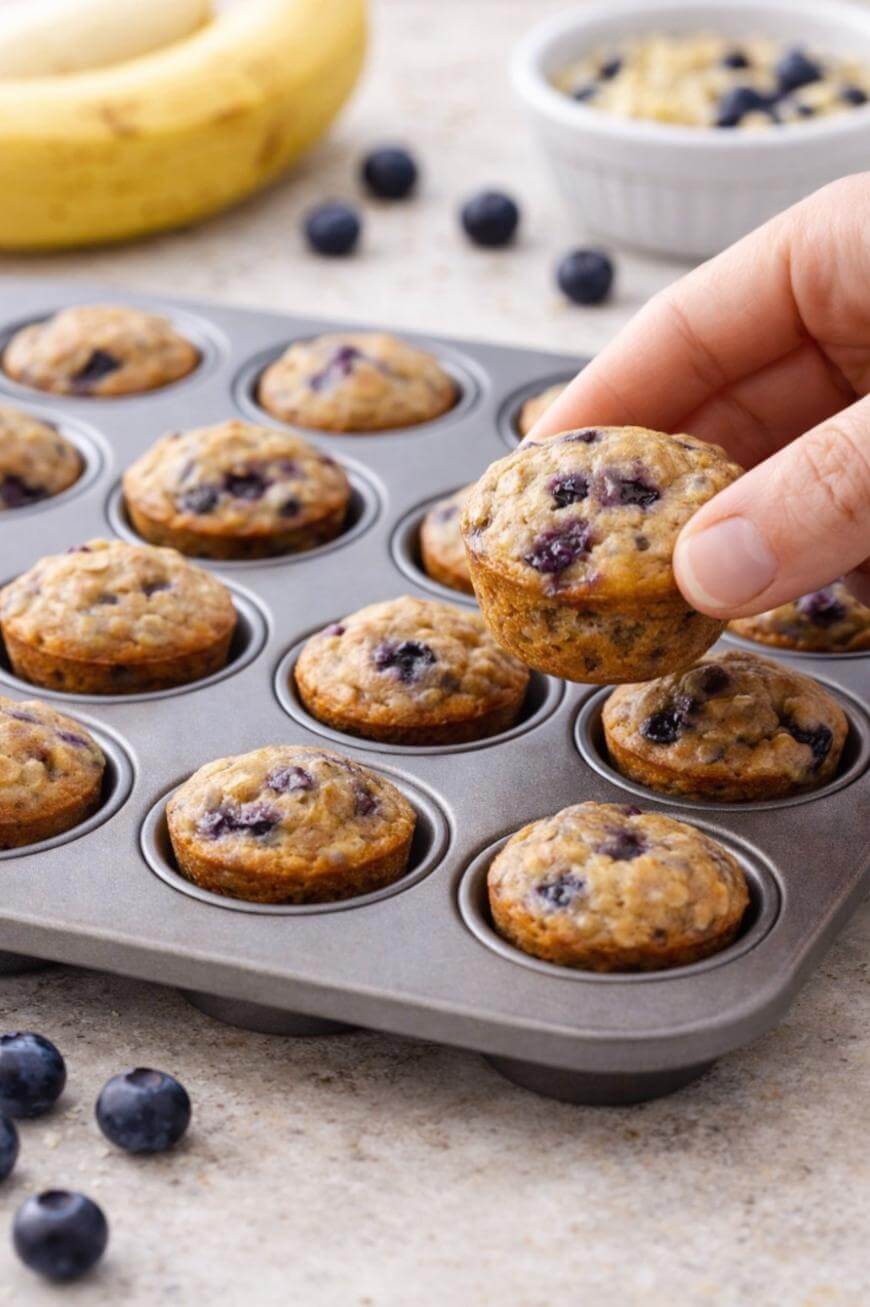
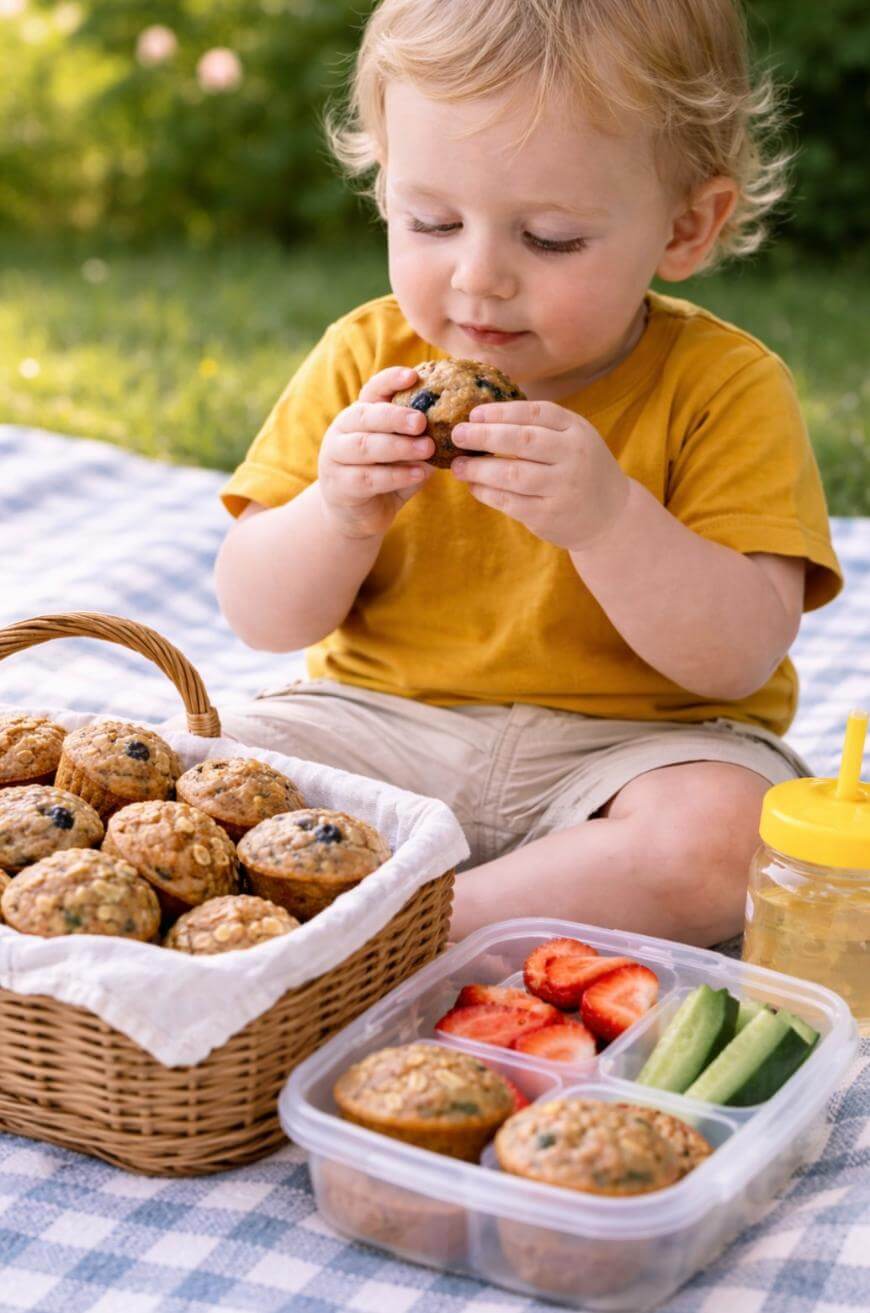
5. Blueberry Banana Toddler Muffins
Blueberries add mild flavor and antioxidants without overwhelming picky eaters. Texture control is important here.
Smash or finely chop blueberries before mixing to avoid whole fruit pieces.
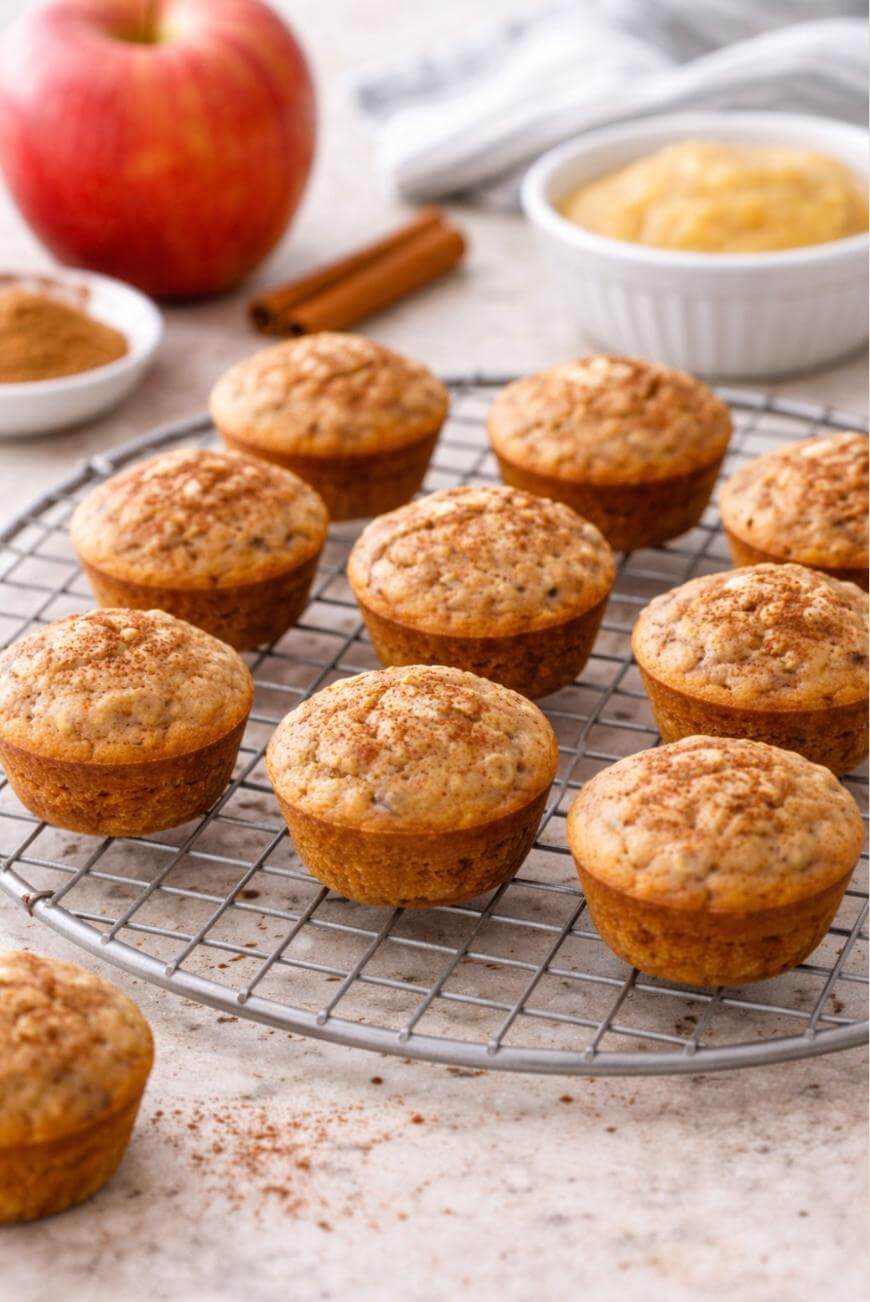
6. Applesauce Cinnamon Toddler Muffins
These muffins stay moist even after freezing and reheating. Cinnamon adds warmth without sugar.
Use no more than ¼ teaspoon cinnamon per batch to keep flavors gentle.
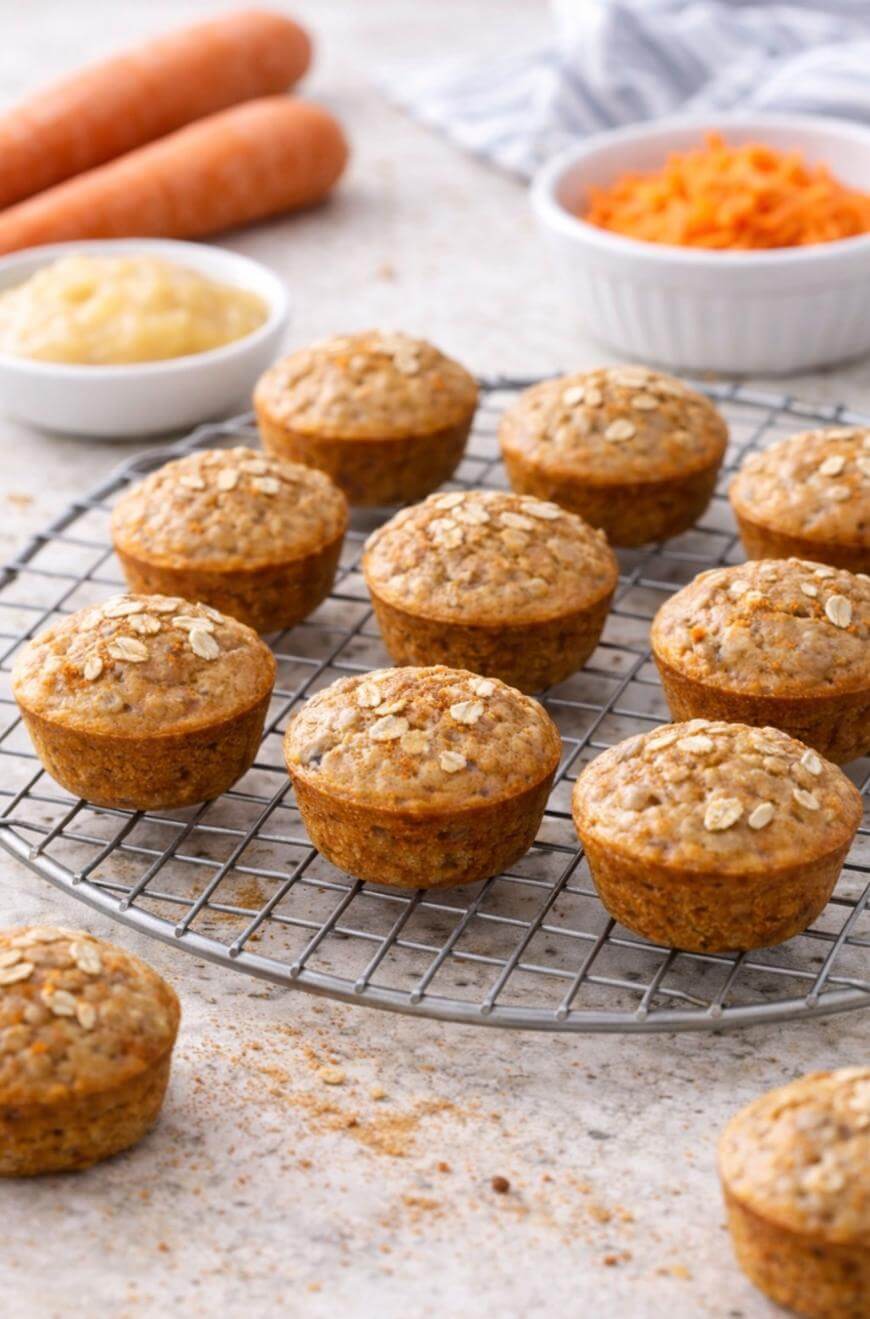
7. Carrot Applesauce Toddler Muffins
Carrots blend well into sweet muffins when finely grated. They add nutrients without changing taste much.
Use ⅓ cup finely grated carrot and squeeze out excess moisture first.
8. Zucchini Toddler Muffins
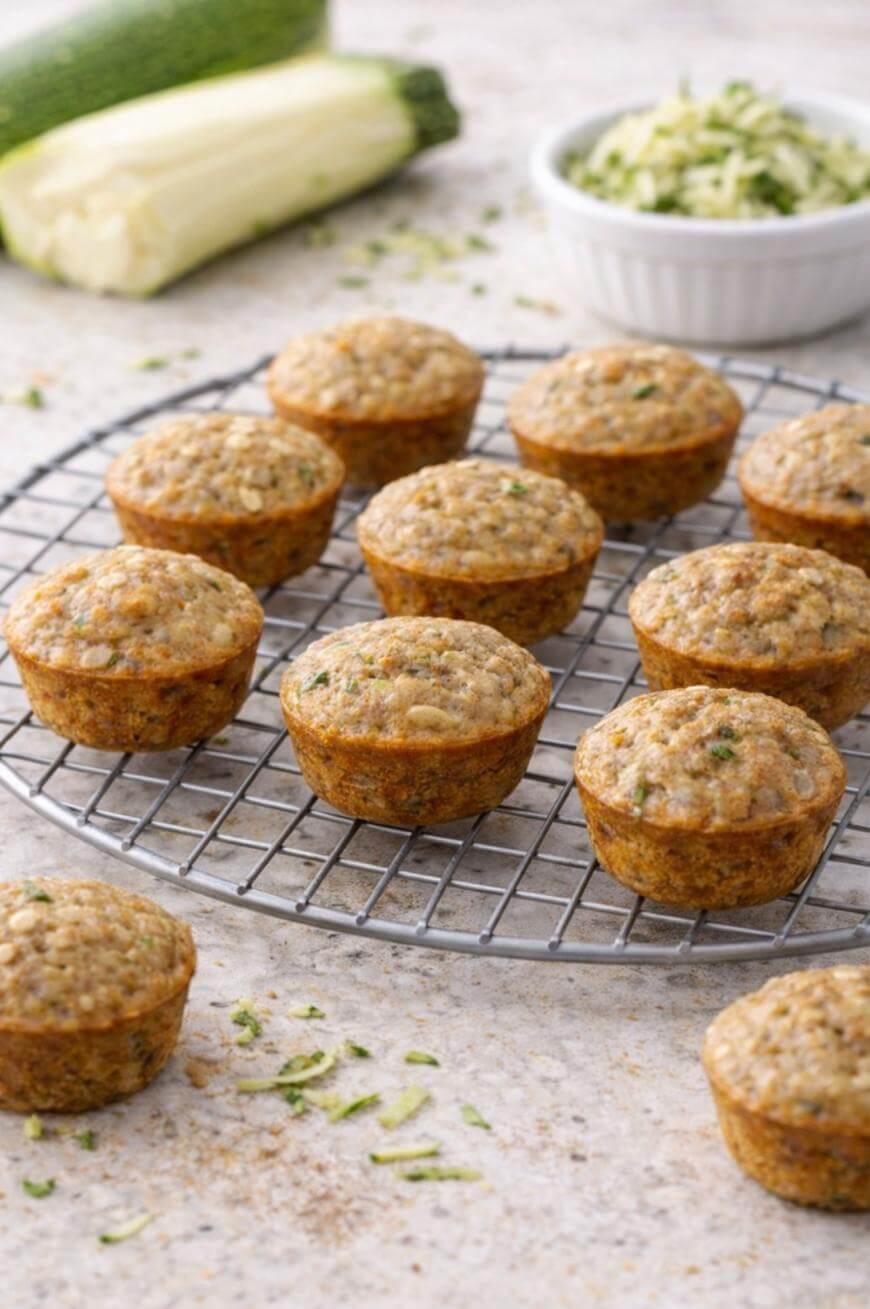
Zucchini muffins are ideal for sneaking in vegetables. The flavor stays neutral when paired with banana.
Peel the zucchini and grate it finely for the best texture.
9. Pumpkin Toddler Muffins
Pumpkin purée creates a soft, fluffy muffin that toddlers can gum easily. The flavor is mild and familiar.
Use plain canned pumpkin and avoid pumpkin pie filling.
10. Sweet Potato Toddler Muffins
Sweet potato adds natural sweetness and creaminess. These muffins freeze exceptionally well.
Mash the sweet potato until completely smooth before mixing.
11. Spinach Banana Toddler Muffins
Spinach blends well with banana and becomes nearly invisible. This works well for veggie-resistant toddlers.
Blend spinach into the wet ingredients first to avoid green flecks.
12. Yogurt Toddler Muffins
Yogurt adds protein and keeps muffins soft for days. Full-fat yogurt works best for toddlers.
Use ½ cup yogurt and reduce other liquids slightly.
Dietary Adjustments For Toddler Muffins
13. Egg-Free Toddler Muffins
Egg-free muffins work well for allergies or shortages. Texture stays soft with the right replacement.
Use ¼ cup applesauce or yogurt per egg replacement.
14. Dairy-Free Toddler Muffins
Dairy-free muffins can still be rich and moist. Unsweetened oat or almond milk works best.
Pair dairy-free milk with banana or pumpkin to prevent dryness.
15. Whole Wheat Toddler Muffins
Whole wheat flour adds fiber but can dry out muffins quickly. Moisture balance is essential.
Mix whole wheat flour half-and-half with oat flour for better texture.

Savory And Meal-Style Toddler Muffins
Savory Cheese Toddler Muffins
Savory muffins work well for lunch or dinner sides. Mild shredded cheese adds fat and flavor.
Avoid added salt and keep cheese finely shredded.
Chicken And Veggie Toddler Muffins
These muffins work as a protein-packed meal option. They are great for daycare lunches.
Use finely chopped cooked chicken and very soft vegetables.
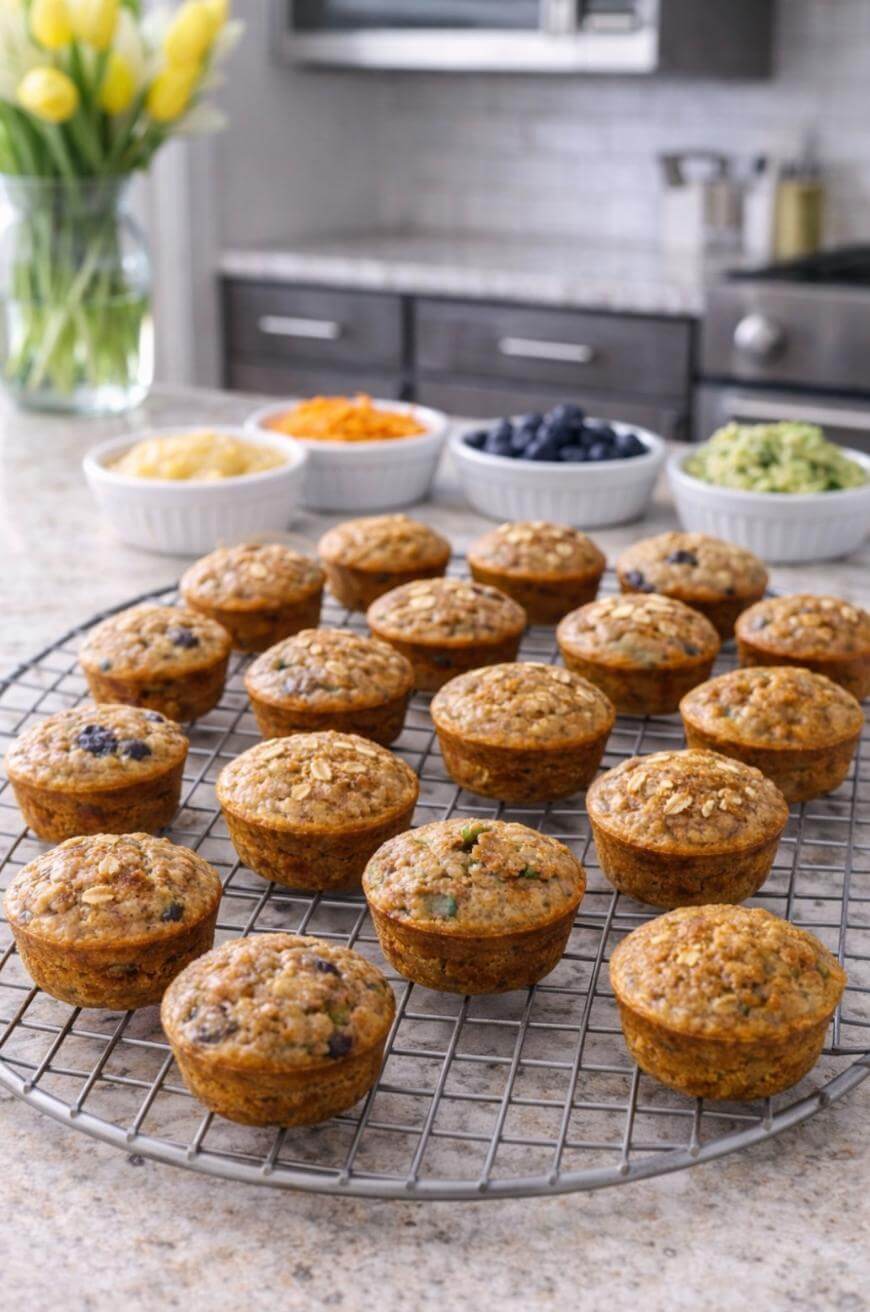
Breakfast Toddler Muffins
Breakfast muffins can replace toast or pancakes on busy mornings. They are easy to prep ahead.
One to two mini muffins equal a typical toddler breakfast portion.
Storage, Freezing, And Serving Tips
How To Freeze Toddler Muffins Safely
Freezing muffins saves time and reduces waste. Proper storage prevents freezer burn.
Freeze completely cooled muffins in airtight bags for up to 3 months.
How To Reheat Toddler Muffins
Reheating should keep muffins soft, not dry. Overheating can harden edges.
Microwave for 10–15 seconds or thaw overnight in the fridge.
How Many Muffins Toddlers Should Eat
Portion size matters for balanced meals. Muffins should complement other foods, not replace them.
Most toddlers do best with 1–2 mini muffins per snack or meal.
Key Takeaways
Toddler muffins work best when baked in mini sizes.
A single base recipe can create endless flavor variations.
Fruit and vegetables provide natural sweetness and moisture.
Soft texture is more important than strong flavor.
Freezing muffins saves time and reduces food waste.
Portion control helps muffins fit into balanced meals.
FAQ
Can toddlers eat muffins every day?
Yes, toddlers can eat muffins daily if ingredients are balanced. Rotate flavors and pair with protein or fruit.
What age can toddlers eat muffins?
Most toddlers can eat soft muffins around 9–12 months. Texture and size matter more than age.
How do you make muffins softer for toddlers?
Add fruit purée or yogurt and avoid overbaking. Mini muffins stay softer than large ones.
Can toddler muffins replace meals?
They can replace part of a meal but should not be the only food. Pair with protein and fresh produce.


Leave a Reply