Last updated: October 11, 2026
Finding toddler snack ideas that are nutritious, safe, and actually get eaten can feel like a full-time job. This guide covers everything from two-minute no-prep options to make-ahead batches and on-the-go favorites, organized by situation so you can grab what you need fast.
Quick No-Prep Toddler Snack Ideas
When hunger strikes between meals and you have about ninety seconds to respond, these toddler snack ideas save the day.
Cheese Cubes
Full-fat cheddar, mild Monterey Jack, or mozzarella cut into half-inch cubes is one of the easiest snacks you can serve a toddler. Cheese delivers calcium and protein in a format that is easy to pick up and chew, making it suitable from around 12 months once your toddler has enough pincer grasp to manage small pieces.

Fresh Fruit Slices
Ripe banana rounds, soft pear slices, canned peaches in juice (drained), and halved strawberries all require zero cooking. Grapes must be halved lengthwise for toddlers under three to reduce choking risk, a step that takes ten extra seconds and is non-negotiable.
Yogurt Pouches
Stonyfield Organic Whole Milk YoKids Squeezers and similar full-fat options provide protein, fat, and calcium without added prep. Look for pouches with five grams of sugar or fewer and no artificial sweeteners; whole-milk varieties keep toddlers fuller longer than low-fat versions.

Crackers with Hummus
Whole-grain crackers like Simple Mills Almond Flour Crackers paired with a two-tablespoon portion of hummus give toddlers fiber, protein, and healthy fats. Set the hummus in a small bowl for dipping so toddlers practice self-feeding skills at the same time.

Healthy Toddler Snack Ideas Worth Repeating Every Week
Rotating these nutritious toddler snack ideas through your weekly routine builds variety without adding stress to your grocery list.
Veggie Dippers with Ranch
Steamed and cooled broccoli florets, soft-cooked carrot rounds, and cucumber spears pair well with a small portion of full-fat ranch or Greek yogurt dip. Toddlers who refuse plain vegetables often accept them enthusiastically when a dip is involved, so use that preference to your advantage.

Apple Slices with Natural Peanut Butter
Thin apple slices served with a thin spread of natural peanut butter (not a thick glob, which is a choking hazard) hit all the macronutrient bases. If nut allergies are a concern in your household, sunflower seed butter from brands like SunButter is an equally nutritious swap.

Avocado Toast Strips
Mash ripe avocado onto a slice of whole-grain bread and cut it into finger-width strips for easy holding. Avocado is calorie-dense in the best way for toddlers, who need more fat per pound of body weight than adults do, and the strips are soft enough for toddlers as young as 12 months.

Cucumber Rounds
Thin cucumber rounds are crisp but manageable for toddlers who have their first molars (usually between 12 and 18 months). Pair them with full-fat cream cheese or a small pot of hummus to add protein and fat to what would otherwise be a very light snack.
Make-Ahead Toddler Snack Ideas for Busy Families
Spending one hour on the weekend on these make-ahead toddler snack ideas means you have grab-ready options for the whole week.
Mini Banana Muffins
These store in an airtight container for three days at room temperature or up to three months in the freezer. The basic recipe uses:
- 2 ripe bananas, mashed
- 1 egg
- 1 cup whole wheat flour
- 1 teaspoon baking powder
- 2 tablespoons coconut oil, melted
- 1/4 cup whole milk
Combine wet and dry ingredients, pour into a greased mini-muffin tin, and bake at 350 degrees Fahrenheit for 12 minutes. Each muffin is one to two bites for a toddler, making portion control effortless.

Frozen Yogurt Bark
Spread a thin layer of full-fat plain Greek yogurt on a parchment-lined baking sheet, top with blueberries and sliced banana, and freeze for two hours. Break into small pieces and store in a zip-top bag; the pieces thaw quickly at room temperature or can be served semi-frozen as a cool teething-friendly treat.

Cheese Quesadilla Triangles
Cook a flour tortilla with shredded cheddar in a dry pan for two minutes per side, then cut into small triangles and refrigerate for up to three days. Reheat in a toaster oven for two minutes to restore the slight crispness toddlers enjoy, or serve at room temperature on busy mornings.
Overnight Oat Cups
Combine half a cup of rolled oats with half a cup of whole milk and a teaspoon of chia seeds in a small jar, refrigerate overnight, and top with mashed fruit in the morning. Prepare five jars on Sunday night and you have a protein-and-fiber-rich snack ready every day of the work week.

On-the-Go Toddler Snack Ideas
Portable toddler snack ideas need to survive a diaper bag, require no refrigeration for at least two hours, and be mess-manageable in a car seat or stroller.
Toddler-Safe Trail Mix
For toddlers over 18 months who have molars and solid chewing skills, a mix of Cheerios, small raisins, and soft dried cranberries works well in a snack cup. Skip whole nuts until age four per the American Academy of Pediatrics guidelines, and keep portions to two to three tablespoons to avoid overwhelming small stomachs.
Squeezable Applesauce Pouches
GoGo squeeZ and Happy Tot Organics both make unsweetened applesauce pouches that need no refrigeration for up to twelve hours. These are especially useful during travel days, long errands, or any situation where a spoon and bowl are simply not an option.
Dry Cheerios Cups
A small reusable snack cup filled with plain Cheerios is the classic portable toddler snack for good reason: it is inexpensive, whole-grain, low in sugar, and dissolves quickly in the mouth, which makes it one of the safest cereals for toddlers who are still perfecting their chew. Keep a box in your car for emergency hunger situations.
String Cheese
Individual Sargento or Polly-O string cheese sticks need no prep, survive a diaper bag for two to three hours, and give toddlers a satisfying peeling activity that builds fine motor skills. One stick provides about seven grams of protein, which is a meaningful contribution to a toddler’s daily target of 13 to 19 grams.

Toddler Snack Plate Ideas
A toddler charcuterie board, sometimes called a grazing plate or snack board, takes five minutes to assemble and gives toddlers autonomy over what they eat first, which often increases how much they try overall.
The Classic Toddler Board
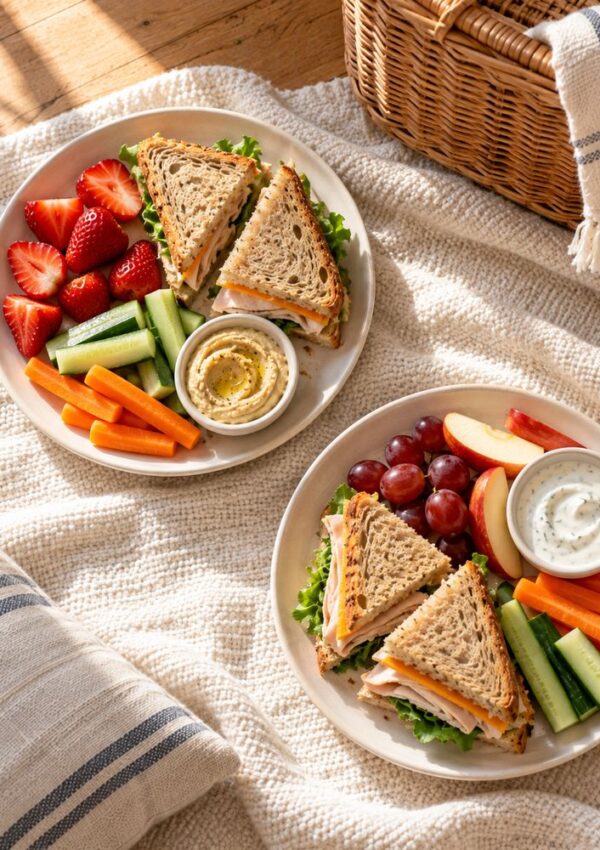
Arrange the following on a small wooden board or divided plate: cubed cheddar cheese, grape halves (cut lengthwise), mini whole-grain crackers like Annie’s Cheddar Bunnies, a two-tablespoon portion of hummus in a tiny bowl, and a small handful of fresh blueberries. The combination provides protein, fat, fiber, and natural sweetness in a visually appealing spread that photographs well and, more importantly, gets eaten.
The Breakfast Snack Board
On a small plate, place: a quartered hard-boiled egg, sliced ripe banana rounds, a few mini whole-wheat pancake pieces, and a small pot of full-fat Greek yogurt for dipping. This works as a mid-morning snack when breakfast was early or as a full breakfast for toddlers who prefer grazing to sitting for a formal meal.

The Rainbow Plate
Building color variety into toddler snack plates increases the range of vitamins and phytonutrients in a toddler’s diet without requiring any supplement. Use one red food (strawberry halves or cherry tomato halves), one orange (mandarin orange segments or cooked sweet potato cubes), one green (cucumber rounds or steamed pea pods), and one yellow or white (banana slices or cheese cubes).

Portion Size and Snack Timing Guide for Ages 12 Months to 3 Years
A practical rule for toddler portions is one tablespoon of each food per year of age, so a two-year-old gets roughly two tablespoons of each item on the plate. Most toddlers do well with two snacks per day, one mid-morning around 9:30 to 10 a.m. and one mid-afternoon around 2:30 to 3 p.m., timed so snacks do not crowd out appetite for main meals.
At 12 to 18 months, focus on soft textures and small pieces no larger than half an inch. From 18 months to 24 months, you can introduce more textural variety as molars develop. By 24 to 36 months, most toddlers can handle a wider range of raw vegetables and firmer fruits, though whole grapes, large chunks of meat, and hard raw carrots remain choking hazards through age three and beyond.
Avoid offering snacks within 90 minutes of a planned meal. Honoring toddler hunger and fullness cues during the snack window, rather than pushing them to finish a portion, builds the healthy relationship with food that nutrition researchers consistently link to lower rates of picky eating in later childhood.
Toddler Snack FAQs
How many snacks should a toddler eat per day?
Most toddlers between 12 months and 3 years need two snacks per day in addition to three meals. Some high-energy or rapidly growing toddlers may need a third small snack, but watch for signs that extra snacking is displacing meal appetite rather than supplementing it.
What are the best high-protein toddler snacks?
Hard-boiled egg quarters, full-fat Greek yogurt, string cheese, hummus, and edamame (for toddlers over 18 months) are all solid protein sources. Aim for five to seven grams of protein per snack to meaningfully support a toddler’s daily protein needs without relying on processed protein products.
Are pouches bad for toddlers?
Pouches are a convenient option but work best as an occasional portable snack rather than a daily staple. The sucking motion bypasses chewing practice, and overuse has been linked by some pediatric feeding specialists to delays in texture acceptance. Offer pouch foods in a bowl with a spoon when you are at home.
When can toddlers eat peanut butter?
Current guidelines from the American Academy of Pediatrics support introducing peanut butter as early as four to six months for low-risk infants, which means most toddlers can eat it safely. Always serve it thinly spread rather than by the spoonful, as a thick glob is a choking hazard at any age.
What snacks help toddlers sleep through the night?
A small evening snack combining protein and complex carbohydrates, such as whole-grain crackers with peanut butter or a half cup of oatmeal, can help stabilize blood sugar overnight. Avoid high-sugar snacks in the two hours before bed, as the blood sugar spike and crash can disrupt sleep.
How do I get my picky toddler to try new snacks?
Repeated low-pressure exposure is the strategy supported by most pediatric feeding research. Offer a new food alongside two or three familiar favorites, and expect 10 to 15 exposures before acceptance. Never require tasting, which creates negative associations, but do keep offering consistently.
Final Thoughts on Toddler Snack Ideas
The best toddler snack ideas are the ones that actually work in your home, with your toddler’s preferences, and within your schedule. Start with the no-prep options when time is short, rotate the make-ahead batches when you have a weekend hour to spare, and use the toddler snack plate format to introduce new foods without pressure. Keeping snacks simple, nutrient-dense, and appropriately sized for age is the foundation of feeding toddlers well, and you do not need elaborate recipes or specialty products to do it right.


Leave a Reply