Last updated: August 30, 2026
These toddler dinner ideas are simple, balanced, toddler-friendly meals (soft textures, mild flavors, and small portions) that help you get a real dinner on the table without a fight. Try to build every plate from 3 parts: 1 easy protein, 1 easy carb, and 1 fruit or veggie—then keep one “safe food” you know they’ll eat.
Toddler Dinner Ideas You Can Rotate All Week
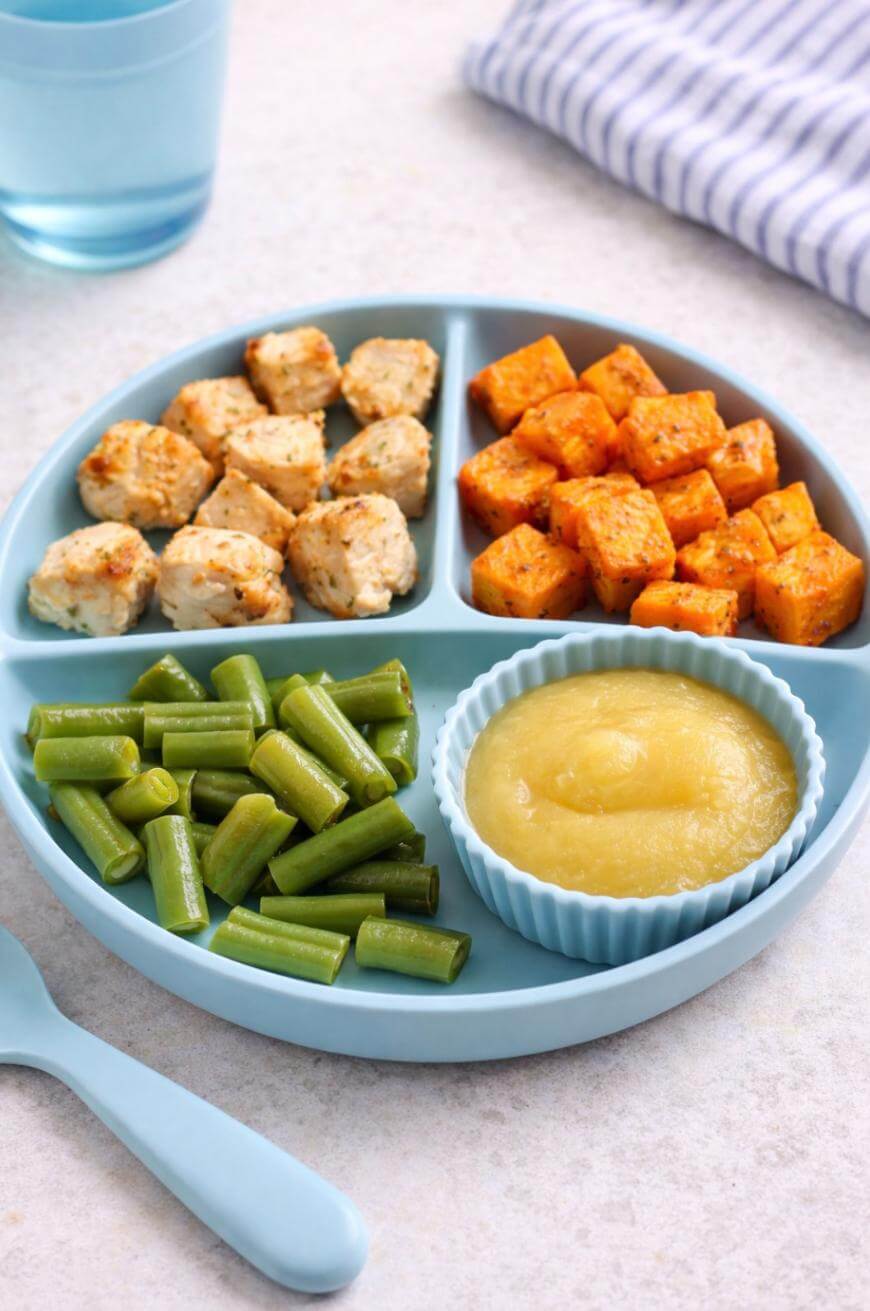
1. Sheet Pan Chicken Bites And Sweet Potato Cubes
Cut chicken into pea-to-bean sized pieces and roast with sweet potato cubes at 400°F for about 18–22 minutes. You get two components that reheat well and stay soft.
Serve with applesauce or steamed green beans, and keep portions tiny (start with 1–2 tablespoons of each). If chicken runs dry, toss the bites in a little plain yogurt after cooking.
2. Quesadilla Triangles With Black Beans
Use a small tortilla with shredded cheese, then cook until melted and slice into tiny triangles. Add mashed black beans inside or on the side for extra protein.
Offer salsa on the side only if your toddler tolerates it, and pair with sliced avocado. If they’re picky, do “cheese-only” and keep beans as a separate dip.

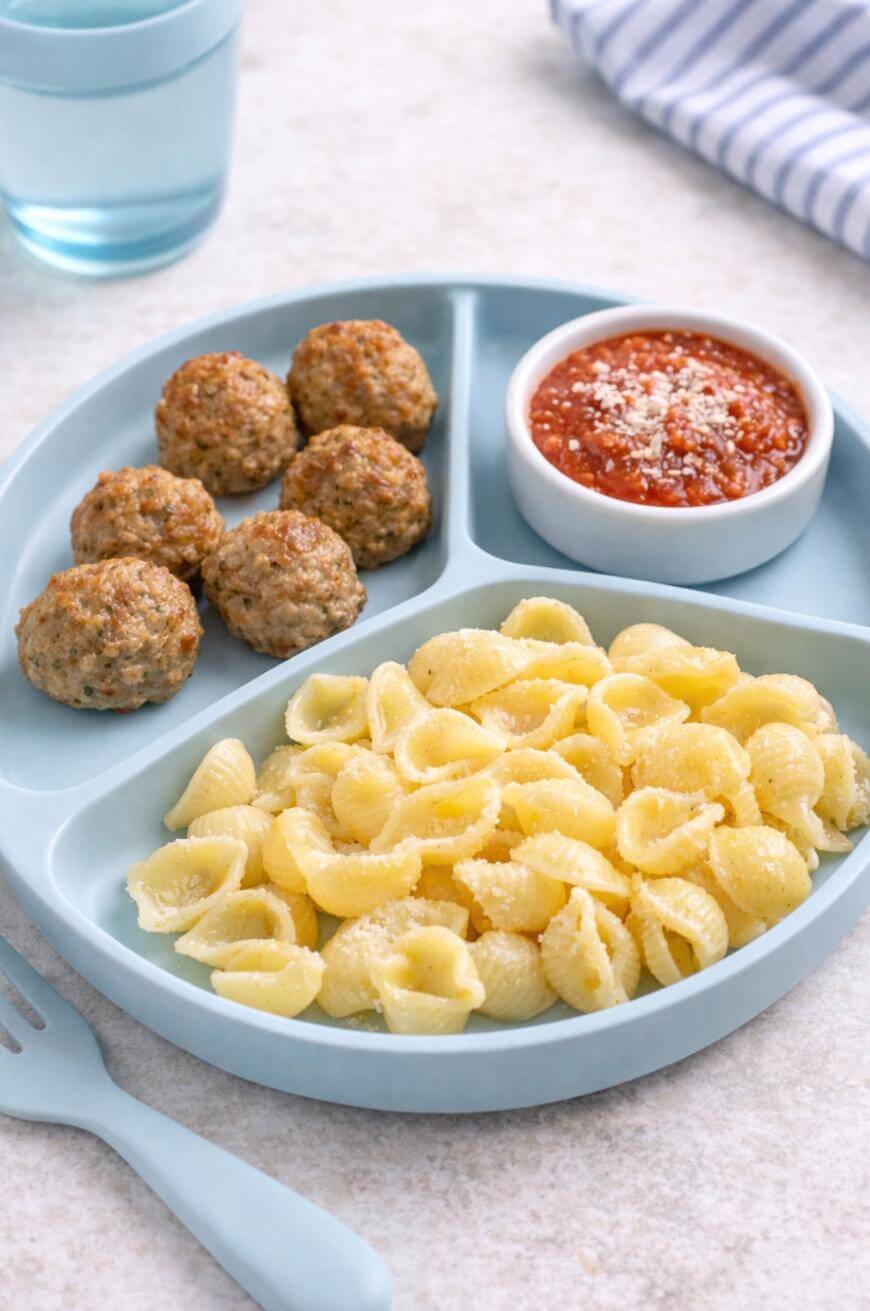
3. Mini Meatballs With Buttered Pasta
Bake small meatballs (about 1 inch wide) so they’re easy to chew and portion. Serve with small pasta shapes and a simple sauce.
If your toddler refuses sauce, do buttered pasta and offer marinara as a dip. Aim for 3–5 meatballs as a normal serving target, depending on appetite.
4. Scrambled Eggs With Toast Fingers
Scramble eggs softly with a splash of milk for a tender texture. Cut toast into finger strips for easy grabbing.
Add a side of berries or banana to round it out. If eggs are a no-go that night, toast with nut-free seed butter can hold you over.

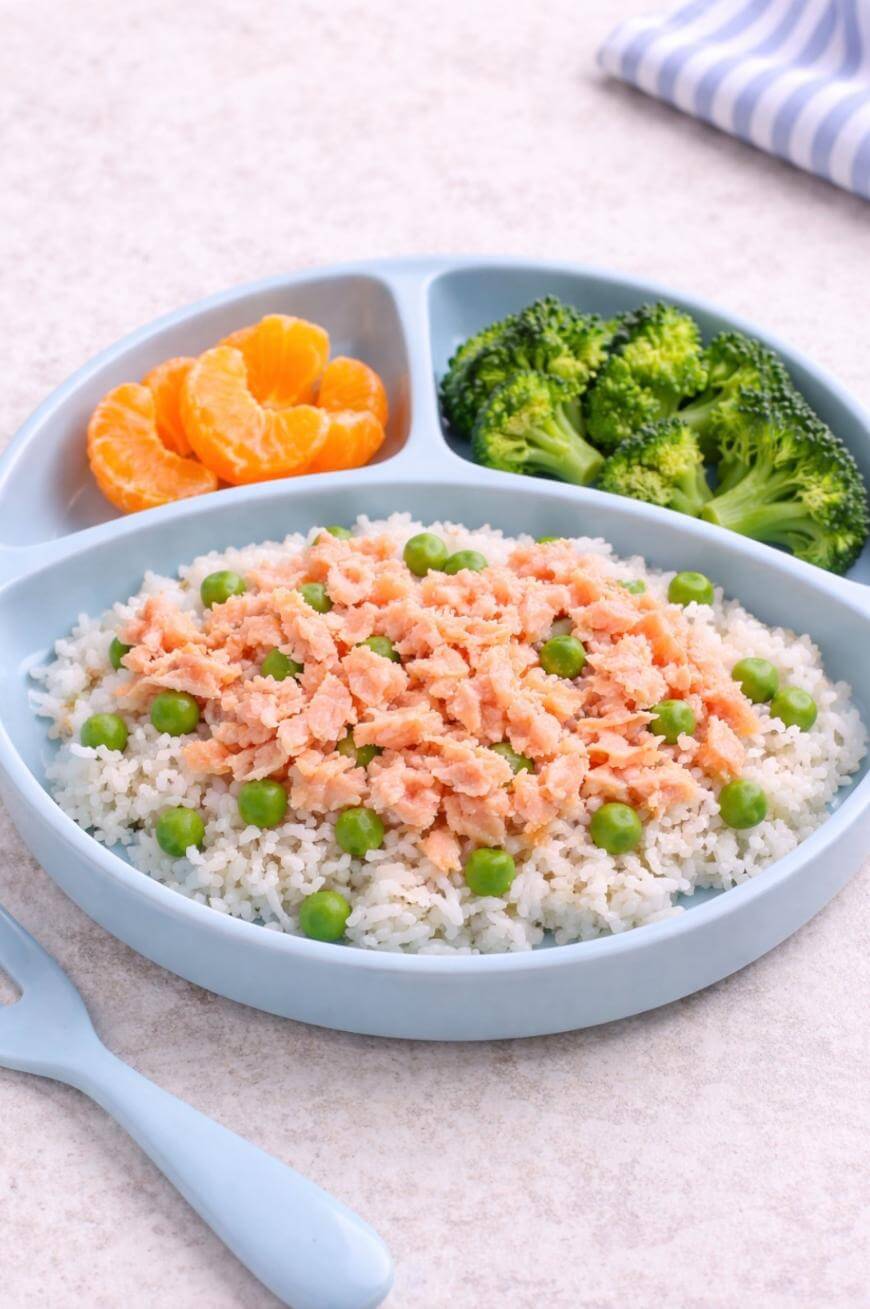
5. Salmon Flakes And Rice With Peas
Bake salmon and flake it very finely, checking carefully for bones. Serve over warm rice with peas or soft broccoli.
If fish is “too strong,” mix flakes into rice with a little lemon-free butter. Start with 1–2 tablespoons of fish mixed in.
6. Mac And Cheese With Hidden Veggie Puree
Stir a spoonful of butternut squash or cauliflower puree into prepared mac and cheese. It keeps the texture familiar while nudging nutrition up.
Keep the color as close to normal as possible at first (small amounts). If they notice, call it “creamy mac” and move on.
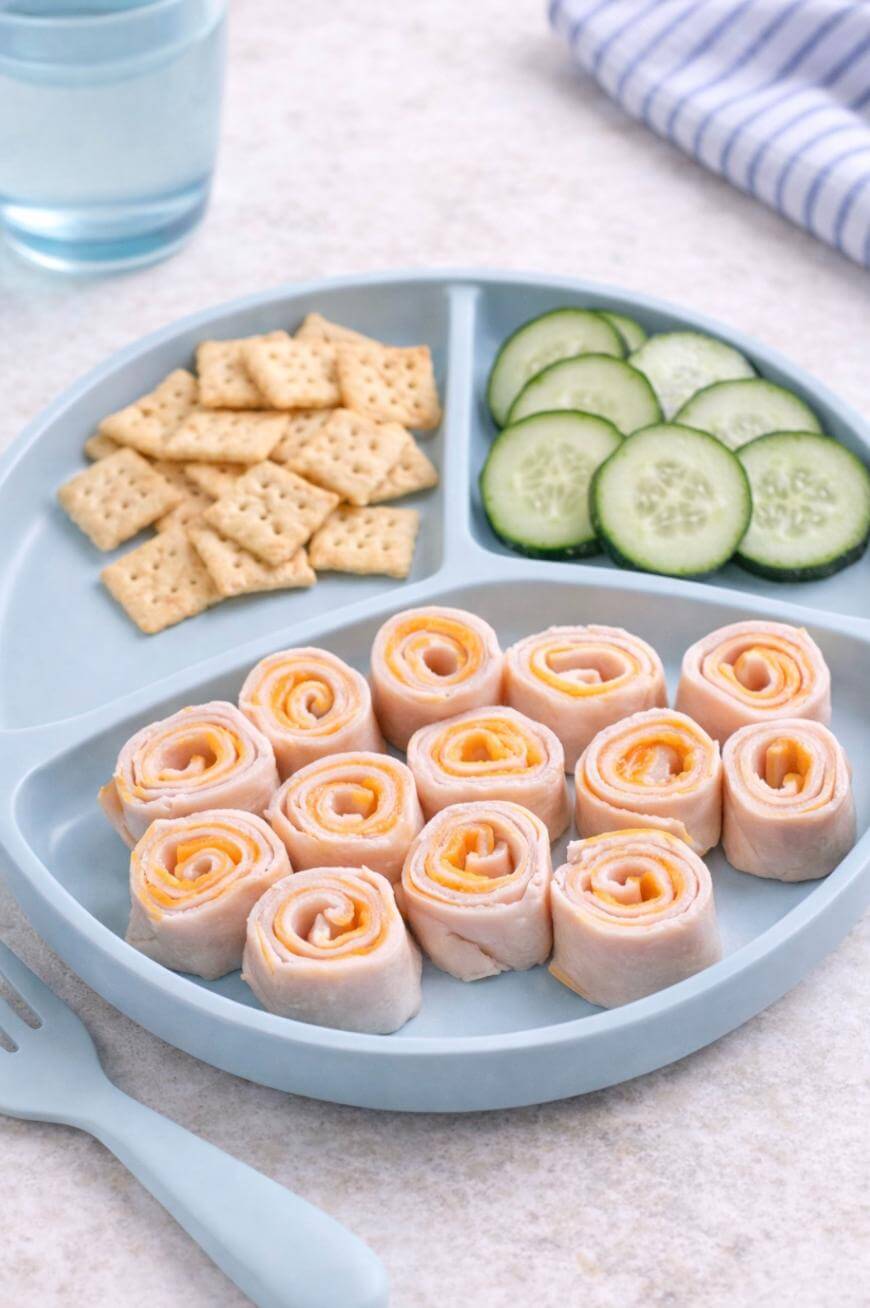
7. Turkey And Cheese Roll-Ups With Cucumber Coins
Roll deli turkey and cheese, slice into pinwheels, and serve with cucumber coins or soft steamed carrots.
If cucumber is too crunchy, swap for avocado slices. Add crackers for a fast carb option.
8. “Snack Plate” Dinner With Balanced Picks
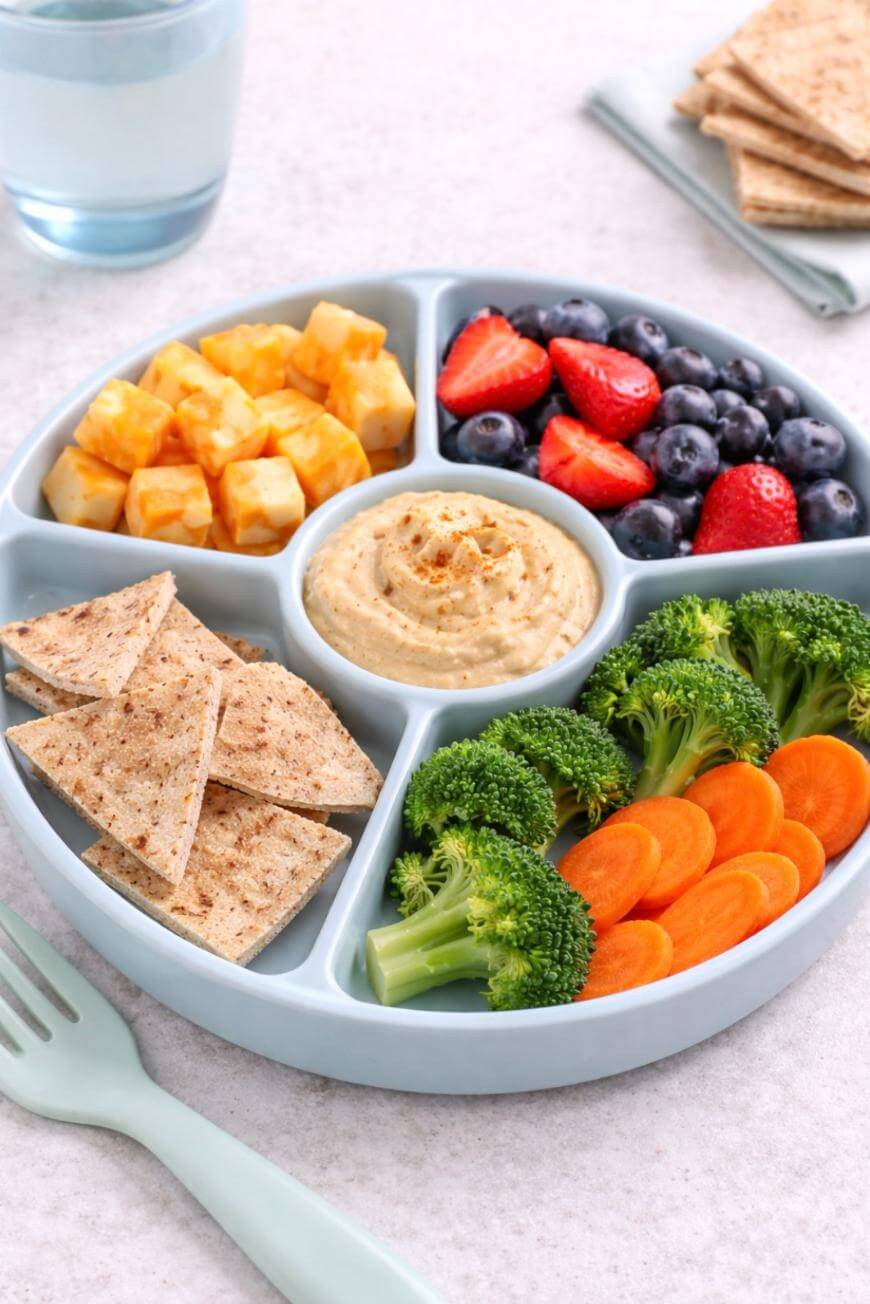
Do a toddler-style grazing plate: cheese cubes, fruit, steamed veggie, and a carb like pita or crackers. It still counts as dinner when it’s balanced.
Keep it to 4–5 items so it doesn’t feel overwhelming. This is also a great night for leftovers in tiny portions.
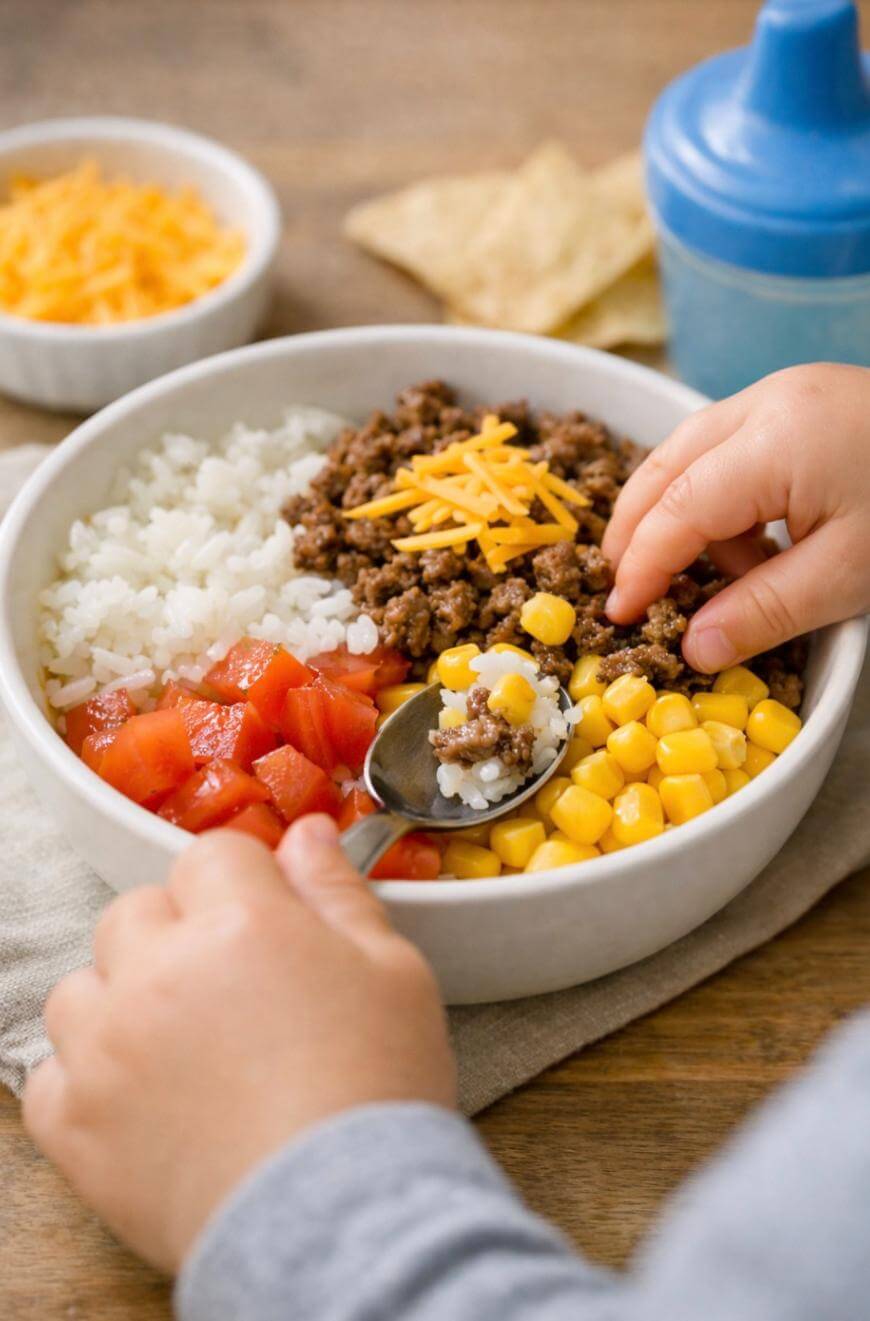
9. Taco Bowl With Mild Ground Beef
Cook ground beef with a mild seasoning (or none) and serve with rice and shredded cheese. Add tomatoes or corn if they’ll try it.
Let your toddler build bites themselves with a spoon and fingers. If beef texture is an issue, chop it finer or swap to mashed beans.
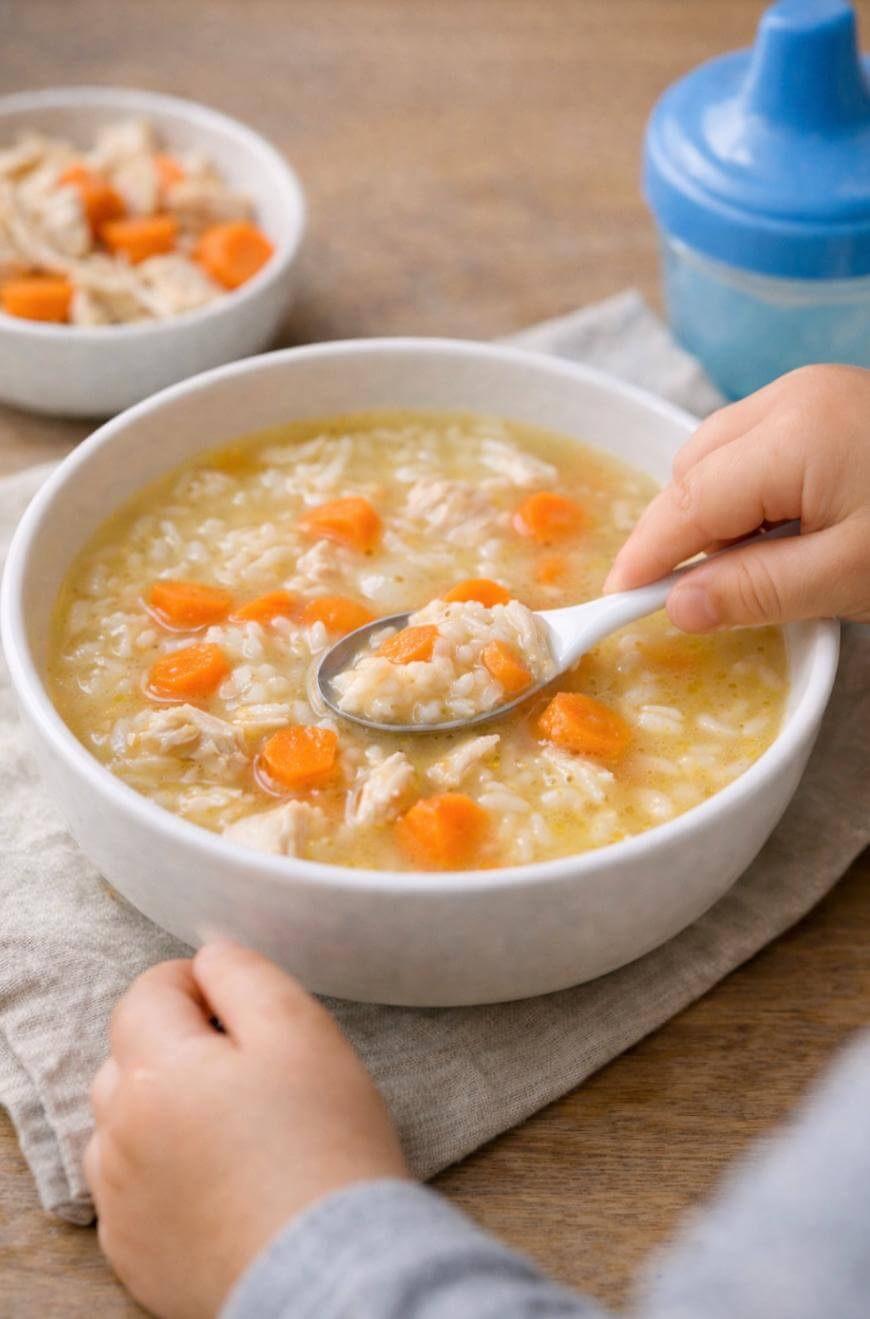
10. Creamy Chicken And Rice Soup
Make a simple soup with very soft chicken, rice, and carrots in broth. Soup works well when chewing feels like too much work.
Cool it to lukewarm and offer with a small spoon. If they reject soup, strain out the “solid parts” and serve them separately.
11. Baked Potato Bar With Toddler Toppings
Microwave or bake a potato until very soft, then mash the inside with butter. Add toppings like cheese, yogurt, or finely chopped broccoli.
Keep toppings minimal at first so the potato stays “safe.” This is an easy way to sneak in protein with Greek yogurt.
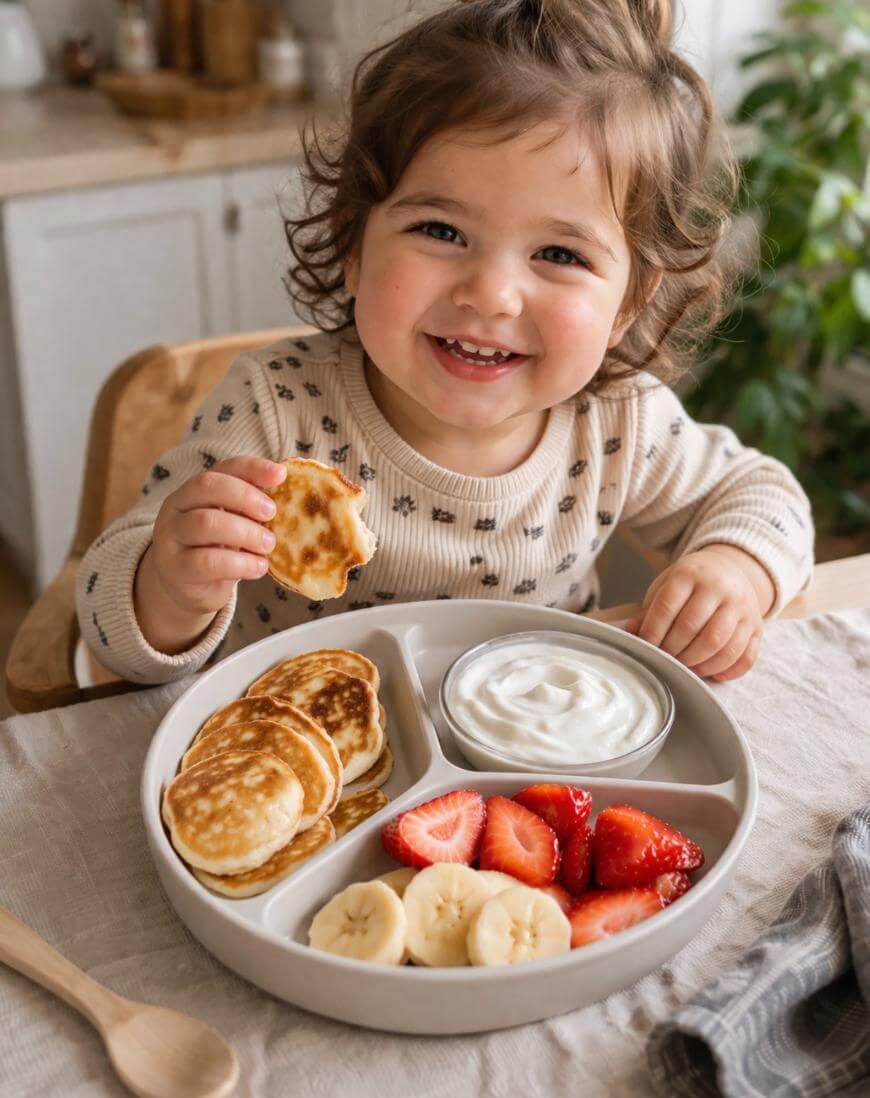
12. Mini Pancakes For Dinner With Yogurt Dip
Make silver-dollar pancakes and serve with yogurt for dipping plus fruit on the side. Breakfast-for-dinner is often a peaceful win.
Add an egg to the batter for extra protein. If syrup causes chaos, skip it and rely on fruit and yogurt.
13. Pasta Primavera With Tiny Veggie Pieces
Cook small pasta and toss with very finely chopped zucchini, carrots, and peas in butter or olive oil. Keep veggies soft and small.
If veggies are rejected, blend a little into the sauce for flavor without chunks. A sprinkle of parmesan can help acceptance.
14. Chicken Fried Rice With Extra Egg
Use leftover rice and scramble in an egg, then add tiny diced chicken and peas. Keep seasoning light (a tiny splash of low-sodium soy if needed).
Cut everything small so it’s easy to manage. Serve with pineapple tidbits for a sweet side that usually goes over well.
15. Cottage Cheese Bowl With Fruit And Crackers
Offer cottage cheese with soft fruit like peaches or berries, plus crackers or toast on the side. It’s surprisingly filling and very fast.
If texture is an issue, blend cottage cheese briefly for a smoother feel. You can also swap to thick yogurt if needed.
16. Mini Burgers With Soft Buns And Tomato
Make slider-sized patties and serve on a soft bun, cut into quarters. Add thin tomato slices or roasted veggie fries.
If buns get ignored, serve burger bites plain with ketchup as a dip. A normal toddler serving is often 1–2 small sliders.
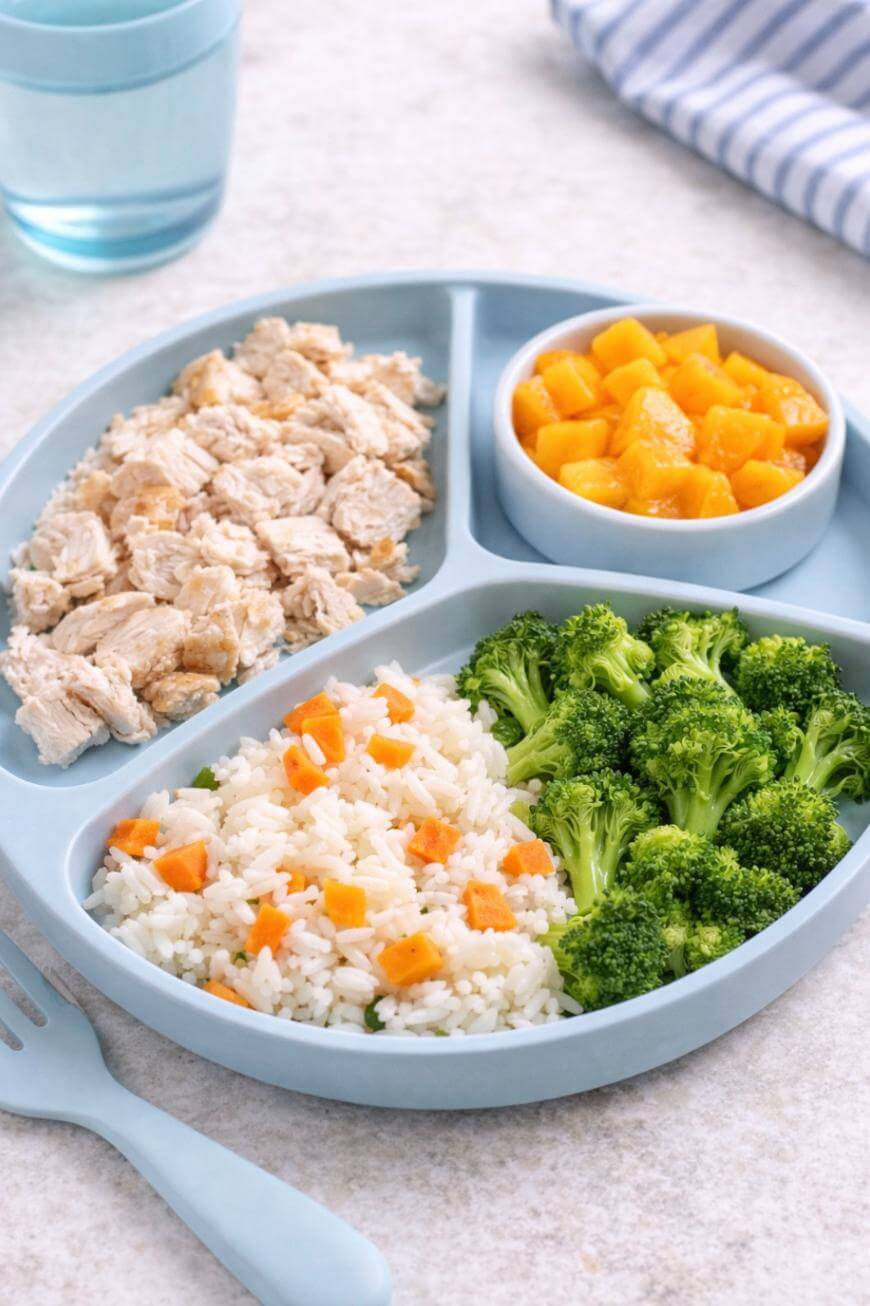
17. Rotisserie Chicken With Microwave Veggie And Rice
Pull rotisserie chicken into tiny pieces, then pair with microwave-steamed veggies and quick rice. This is your “I have no energy” plan.
Choose one veggie they tolerate and keep it consistent. Save leftovers for lunch the next day.
18. Grilled Cheese With Tomato Soup Dip
Make grilled cheese on soft bread and cut into sticks. Offer warm tomato soup as a dip rather than a bowl they must finish.
If tomato soup is too acidic for them, dip in mashed avocado or plain yogurt. Keep cheese melts fully so it’s easier to chew.
19. Lentil Pasta With Butter And Parmesan
Cook lentil-based pasta (higher protein) and toss with butter and parmesan. Add peas or spinach if tolerated.
If the flavor is unfamiliar, mix half lentil pasta with regular pasta at first. This is an easy upgrade without changing the meal “vibe.”
20. Baked Nuggets With Soft Veggie Fries
Use baked nuggets (chicken or veggie) and pair with soft baked zucchini sticks or sweet potato fries. It feels fun and familiar.
Keep dips simple: ketchup, yogurt ranch, or hummus. If fries get too crisp, steam them for 2 minutes to soften.
21. Tuna Salad On Toast Fingers
Mix tuna with mayo or Greek yogurt and spread lightly on toast fingers. Add cucumber (soft) or fruit on the side.
If tuna is too strong, use less and add extra yogurt to mellow it. You can also swap tuna for mashed chickpeas.
22. Creamy Bean Dip With Pita And Fruit
Blend white beans with olive oil and a pinch of salt to make a smooth dip. Serve with soft pita pieces and fruit.
This is high-protein without “looking” like a typical dinner. Keep the dip thick so it stays on the pita.
23. One-Pan Sausage And Veggie Coins
Slice fully cooked sausage into thin coins and sauté with zucchini and bell pepper until soft. Serve with rice or pasta.
If sausage is salty, choose a milder variety and offer water with dinner. Cutting coins thin helps toddlers chew safely.
24. “Deconstructed” Spaghetti Night
Serve noodles, a small bowl of sauce, and a small bowl of meat separately. Many toddlers prefer the control of choosing what touches.
Start with 1 tablespoon of sauce on the side, not on the noodles. This reduces drama and still exposes them to the flavor.
Simple Toddler Dinner Method That Works With Almost Anything
Build Every Plate With A 3-Part Formula
Use 1 protein, 1 carb, and 1 produce item, and repeat that pattern nightly. It makes planning fast and keeps nutrition steady.
A practical serving baseline is 1–2 tablespoons per food group to start, then you can refill if they ask. Your goal is exposure and consistency, not a perfect bite count.
Keep One Reliable “Safe Food” On The Plate
Choose one food you’re confident they’ll eat (like fruit, rice, or yogurt). It lowers pressure and reduces refusing everything.
Rotate the safe food slowly, not daily. Consistency here can make new foods feel less scary.
Use “Tiny Portions First” To Prevent Overwhelm
Put very small amounts down first, like 3 peas instead of a pile. Big servings can feel like a demand to toddlers.
You can always add more, and many toddlers eat better when they don’t see a big “job.” This also cuts food waste.
Offer One Dip To Boost Interest
Toddlers love dipping because it feels interactive. Keep dips simple and familiar like ketchup, yogurt, or hummus.
Dips can turn steamed veggies into something they’ll touch and taste. Just keep portions small to avoid mess fatigue.
Batch Cook Two Proteins Each Week
Pick two easy proteins (like meatballs and shredded chicken) and use them in different dinners. It cuts daily work and decision stress.
Store cooked proteins for up to 3–4 days in the fridge, and freeze extra portions. You’ll get faster dinners with less takeout temptation.
Key Takeaways
Toddler dinner ideas work best when you keep meals simple, soft, and predictable.
Build plates with a protein, a carb, and a fruit or veggie for easy balance.
Start with tiny portions, then refill to reduce overwhelm and waste.
Keep one safe food on the plate to lower pressure and increase tasting.
Dips and finger-friendly cuts make new foods feel fun and manageable.
Batch cooking two proteins per week makes weeknight dinners much easier.
FAQ
What If My Toddler Only Eats One Thing At Dinner?
Yes, that can be normal, especially during picky phases. Keep offering a balanced plate with one safe food, and avoid turning it into a power struggle.
How Do You Handle Refusing Everything?
Offer the meal, include a safe food, and keep calm boundaries. If they skip dinner, you can offer a boring, consistent option later (like plain yogurt or toast) without making a second “new” meal.
How Much Should A Toddler Eat At Dinner?
A common starting point is 1–2 tablespoons of each food group, then more if they ask. Appetite varies daily, so focus on patterns over the whole week.
Can I Serve The Same Dinners Repeatedly?
Yes, repetition is helpful for toddlers and for you. Rotate a small set of reliable meals and make tiny changes over time (a new fruit, a different pasta shape, a new dip).


Leave a Reply