Last updated: August 20, 2026
You need something to fill the next hour, and you need it fast. These kids activities indoors use stuff you already have around the house, so you can start in the next five minutes. No special shopping trip, no complicated setup, just real ways to keep little hands and minds occupied.
Turn Your Living Room Into an Obstacle Course
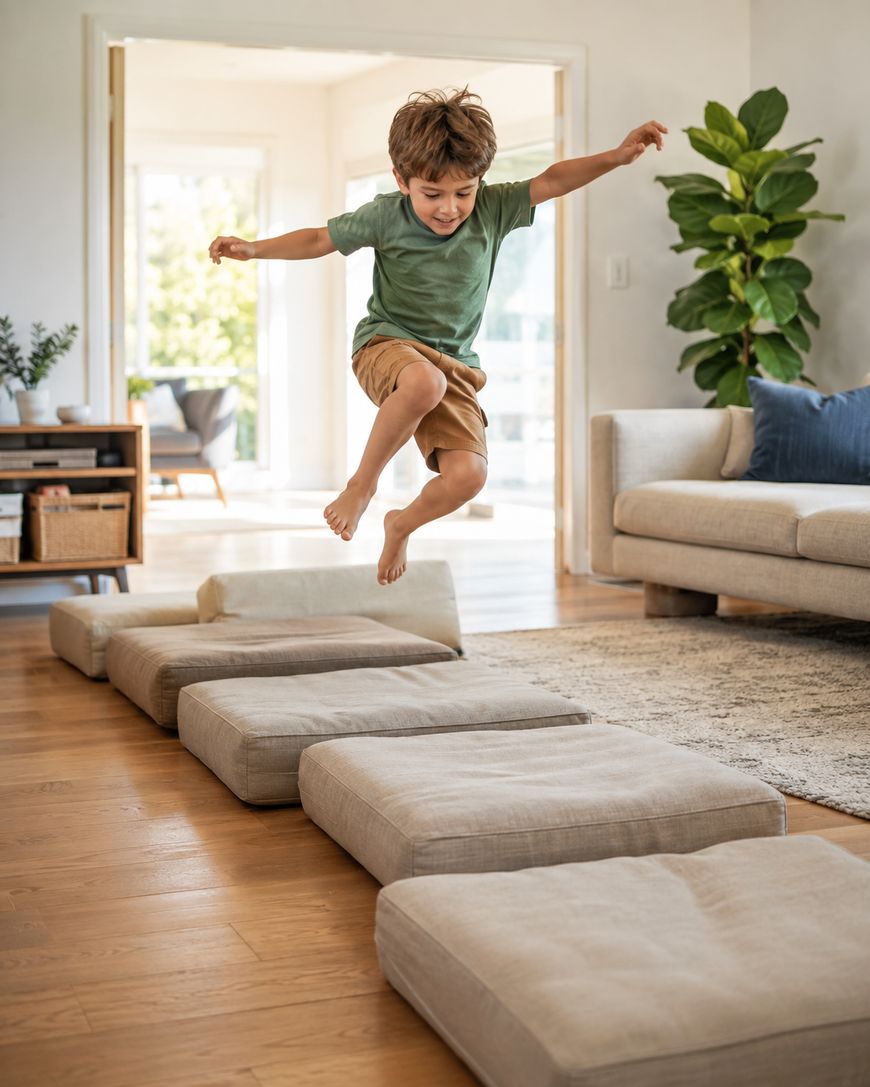
You can build a full obstacle course without leaving your living room. Line up couch cushions for jumping, string a “laser maze” with yarn between furniture legs, and use a hula hoop as a finish line hoop to crawl through.
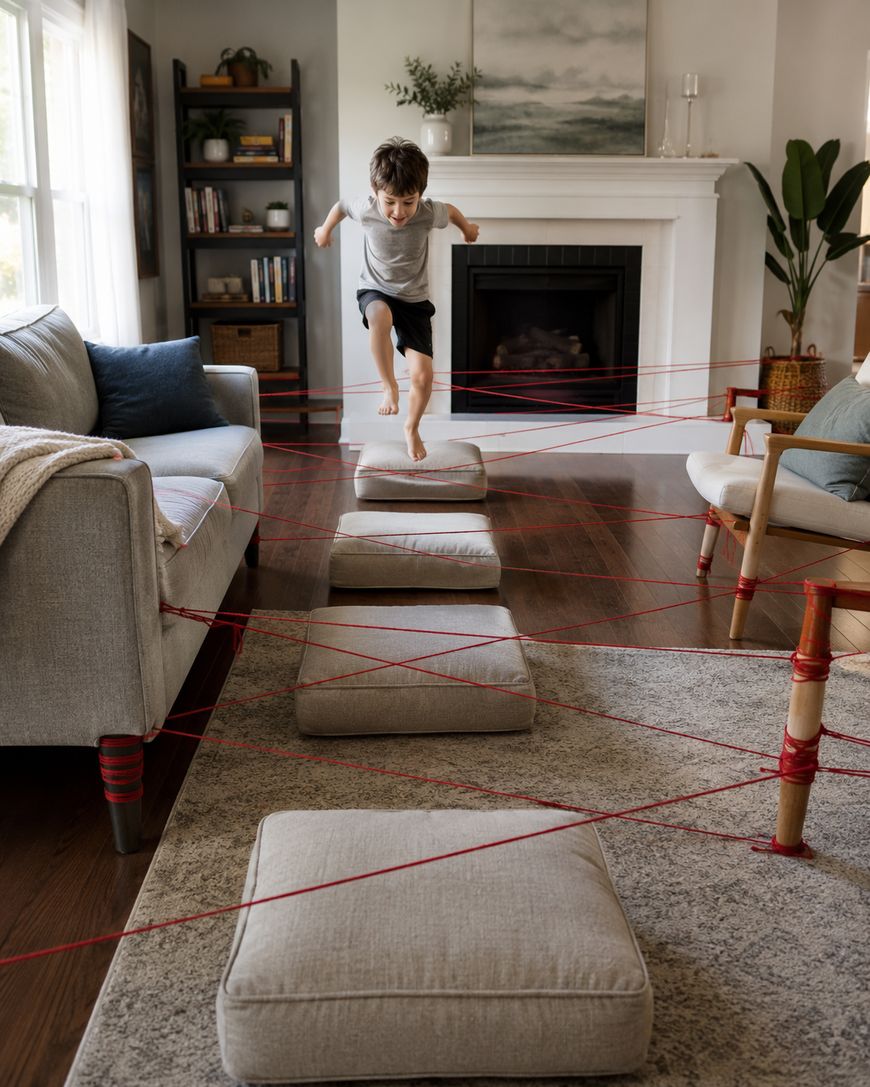
Time each run with a kitchen timer so kids can try to beat their own record. This keeps the activity going far longer than a single pass through the course would.
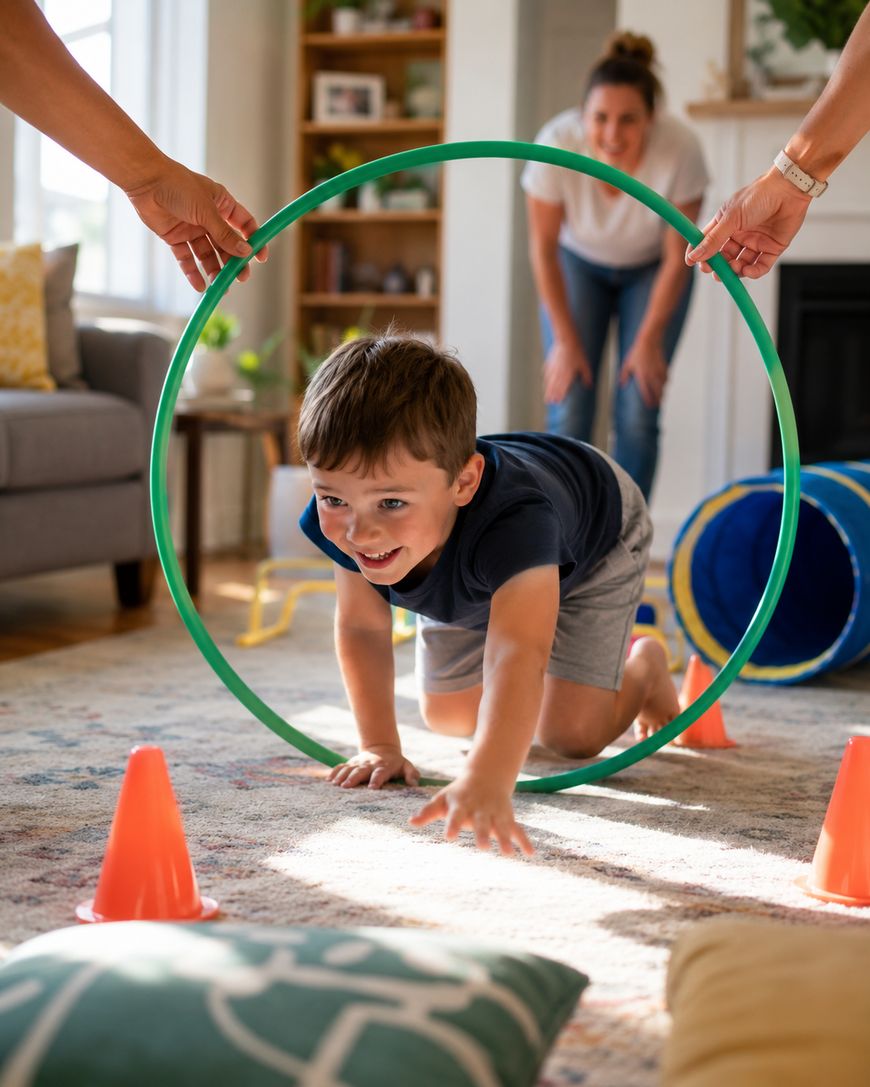
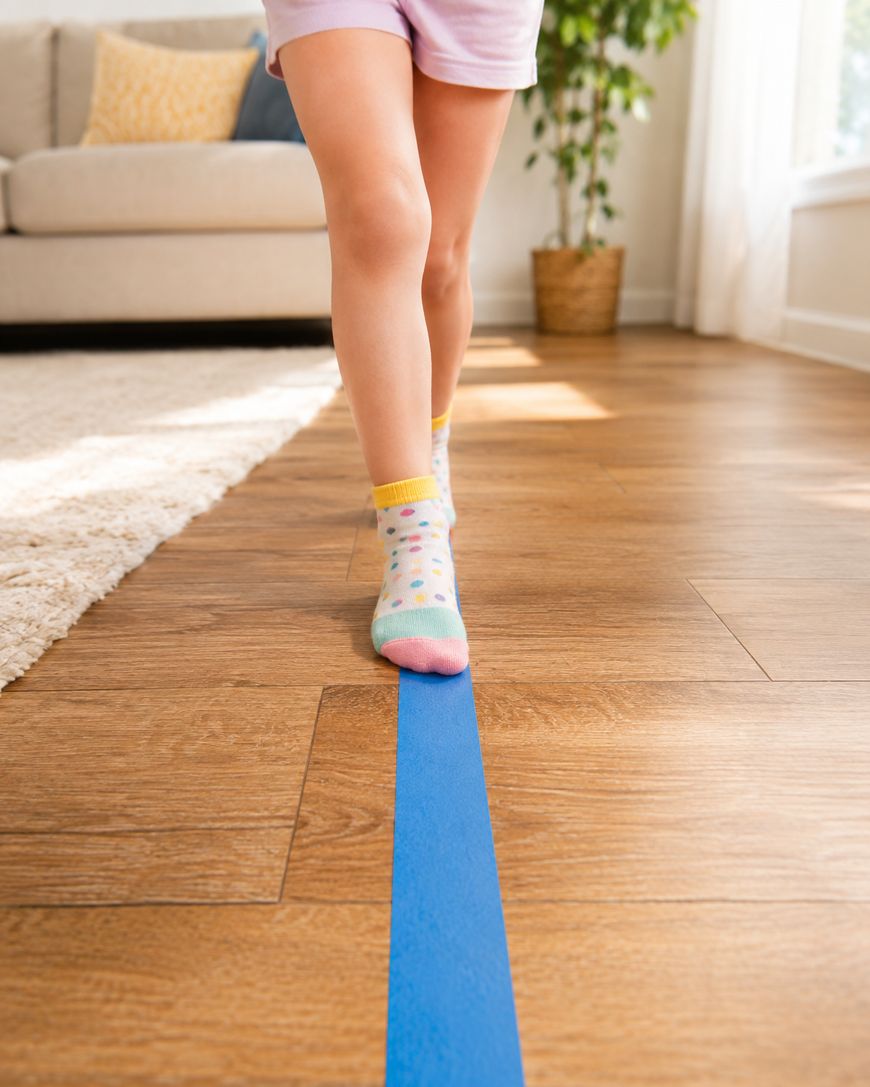
Rotate the layout every 20 minutes or so to keep things fresh. Kids get bored of a static course quickly, but a small tweak, like adding a new balance beam made from painter’s tape on the floor, resets their interest instantly.
If you have stairs that are safe to use, incorporate a “climb up, crawl down” section. This adds a cardio element that burns off pent up energy, which matters a lot on days when outdoor play isn’t an option.
Set Up a Sensory Bin in Ten Minutes
A sensory bin is one of the easiest kids activities indoors to prep, and it buys you a solid chunk of quiet time. Fill a large plastic bin with dry rice, dried beans, or pasta, then hide small toys or scoops inside.
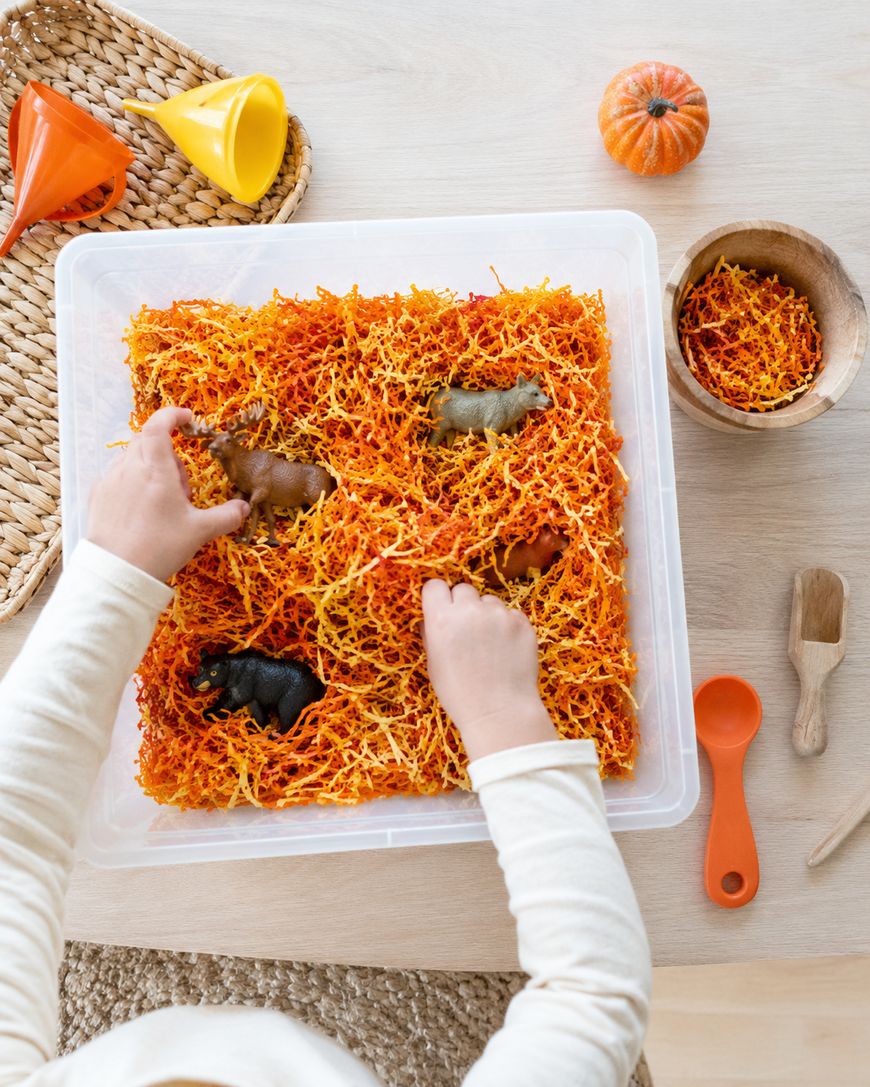
Add measuring cups, funnels, and spoons so kids can pour and scoop rather than just dig with their hands. This turns a simple bin into an activity that works fine motor skills without them realizing it’s “practice.”
Swap the bin’s contents seasonally to keep it interesting over time. Shredded paper works well in the fall, while cotton balls make a good stand-in for snow in the winter.
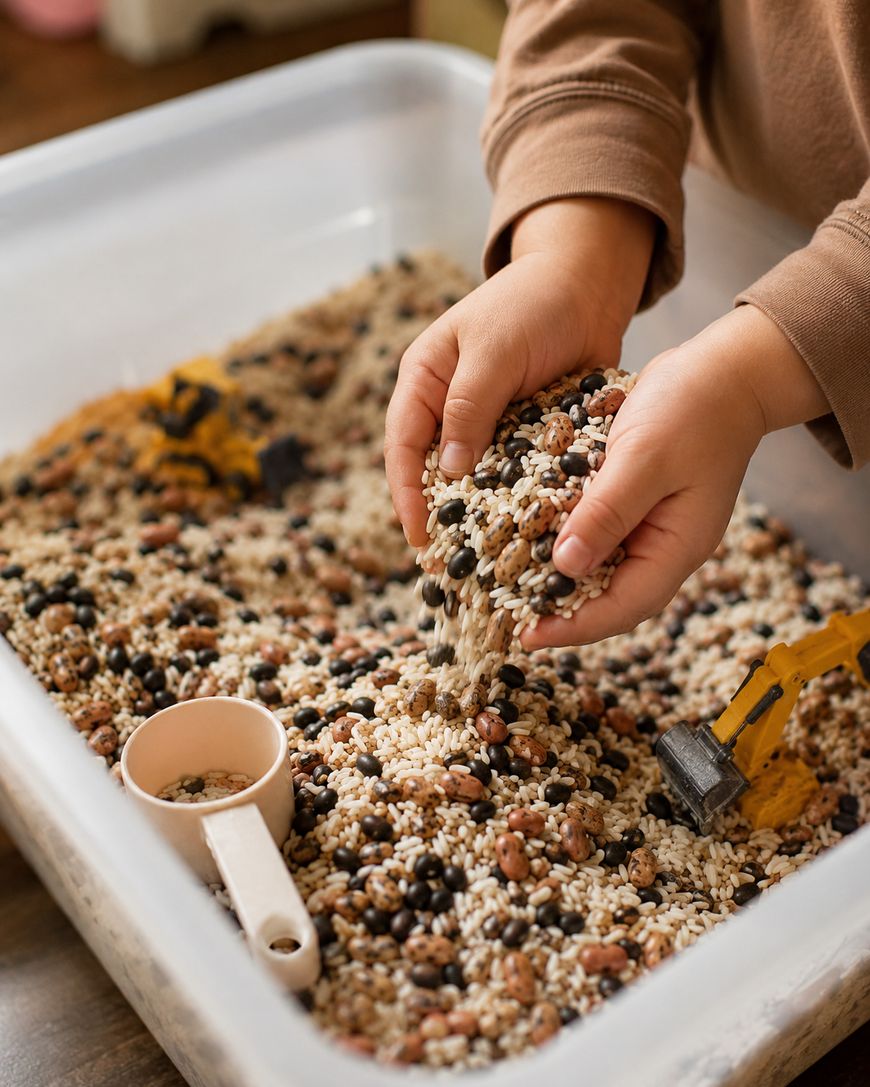
Lay a shower curtain or old sheet underneath before you start. Cleanup afterward takes seconds instead of turning into its own project, which makes you far more likely to pull the bin out again next week.
Build a Blanket Fort With a Real Purpose
Blanket forts are a classic for a reason, but giving the fort a job makes it last longer than ten minutes. Turn it into a reading nook with a flashlight and a stack of books, or a puppet theater using socks as puppets.
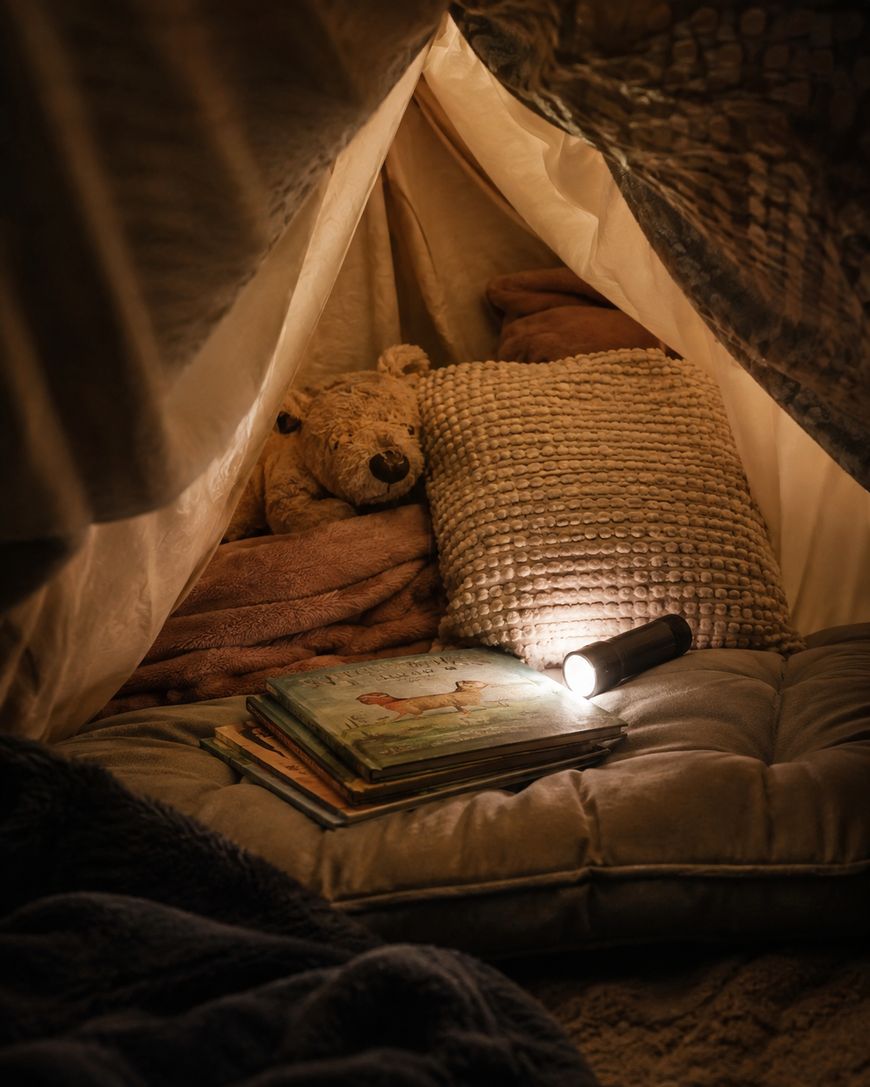
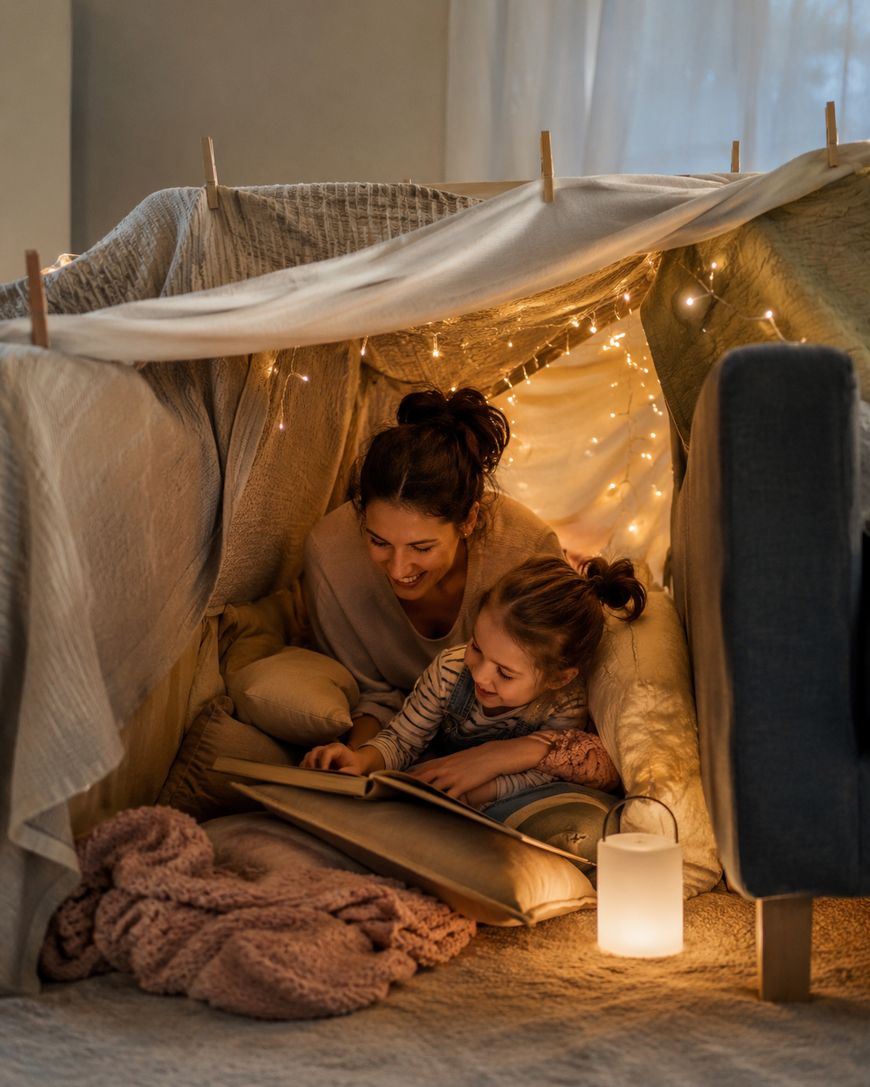
Use clothespins to secure blankets to furniture instead of tucking them under cushions. The structure holds up much better against kids climbing in and out repeatedly, so you’re not rebuilding it every fifteen minutes.
String battery-powered fairy lights along the inside for extra atmosphere. Kids treat the fort like its own little world when it feels different from the rest of the room, and that feeling keeps them engaged longer.
Try Kitchen Science Experiments
Your pantry has everything needed for several genuinely fun science experiments. A baking soda and vinegar volcano, a homemade lava lamp with oil and food coloring, or a simple density tower with syrup, water, and oil all work as kids activities indoors that double as learning.
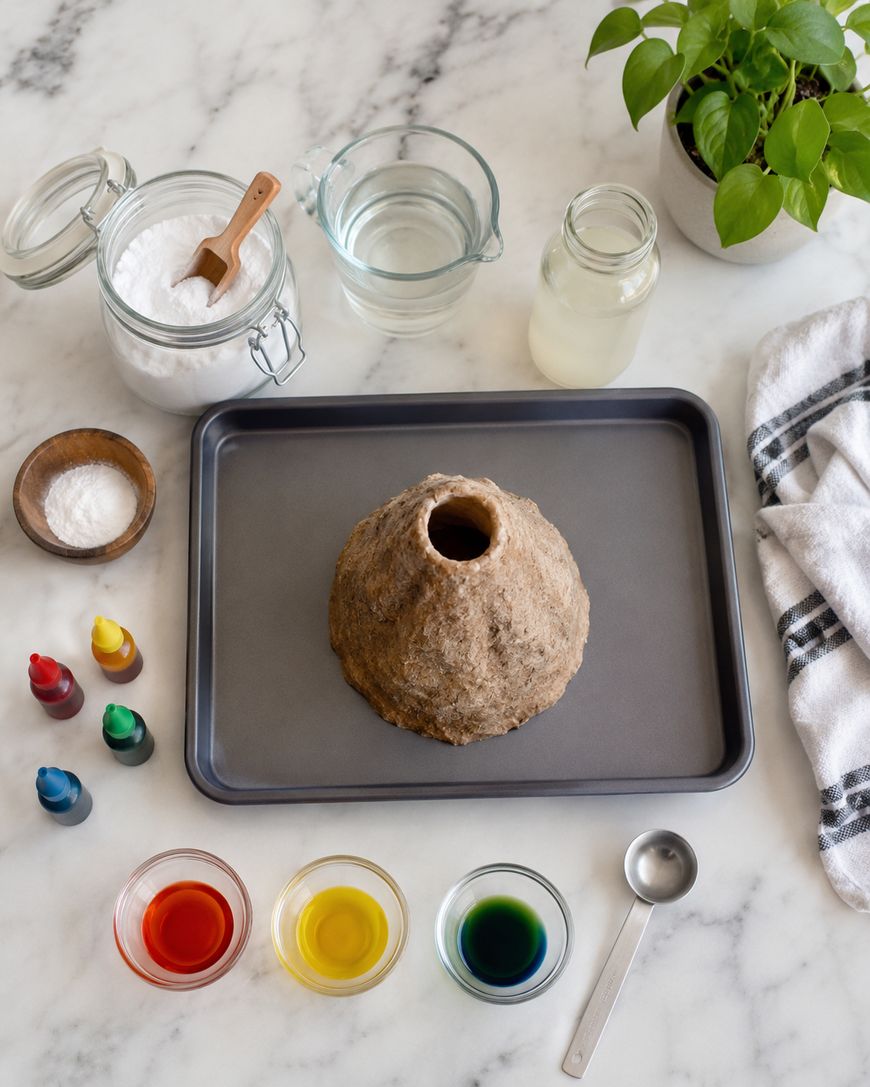
Narrate what’s happening as you go rather than just letting kids watch. Asking “why do you think that happened” turns a five minute reaction into a longer conversation and keeps their attention on the process.
Keep a towel and a tray nearby before you start any experiment involving liquids. Spills are part of the process, and having supplies ready means a mess doesn’t end the activity early.

Set Up an Indoor Scavenger Hunt
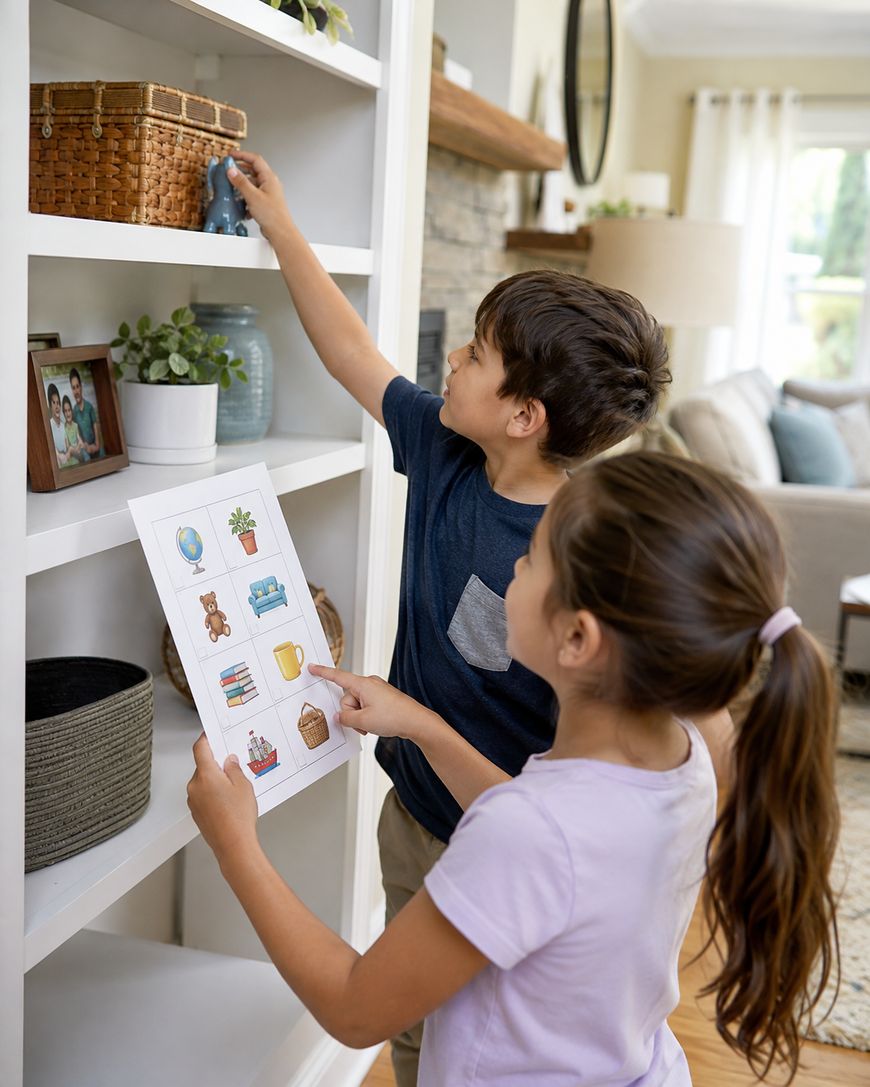
A scavenger hunt gets kids moving through the whole house instead of parking in one spot. Write a list of household objects, or use picture clues for kids who can’t read yet, and send them off room by room.
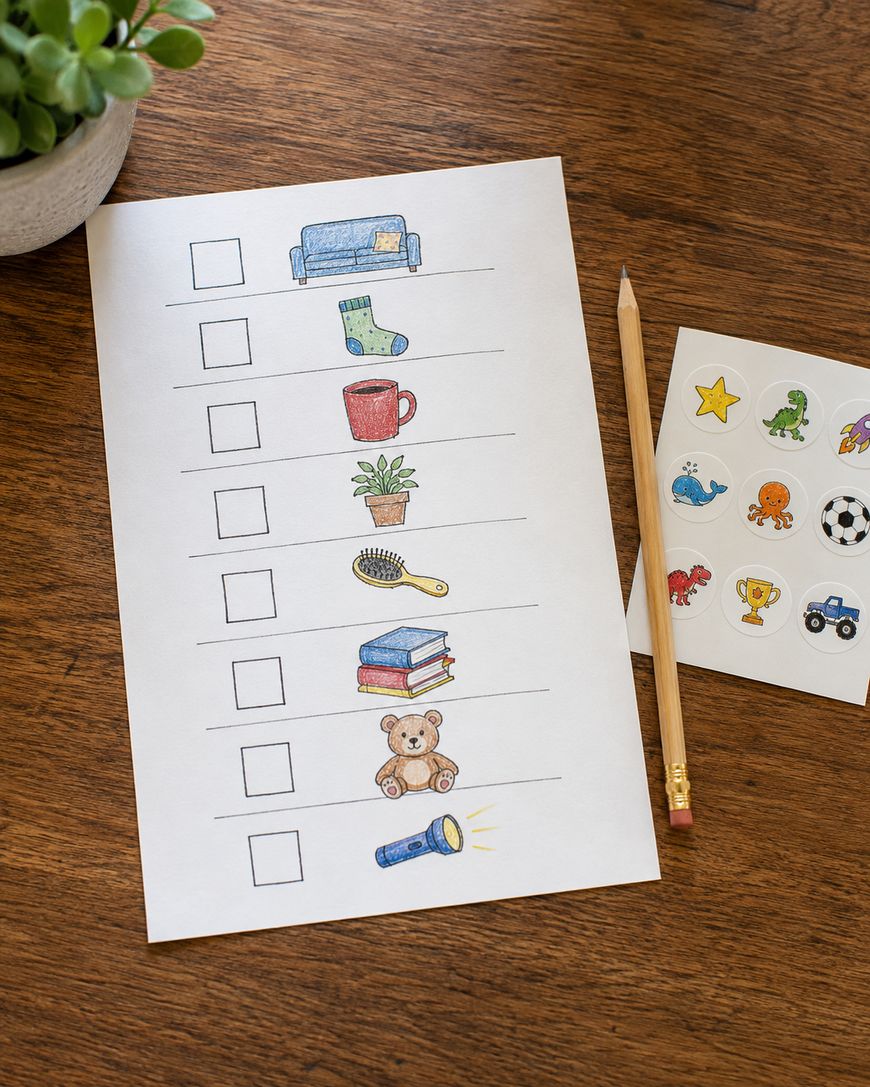
Hide small prizes at a few checkpoints along the way to keep motivation high. Stickers, a favorite snack, or a small toy work well without needing to be anything elaborate.
For multiple kids, consider a team version where they work together to find items on a shared list. This turns the hunt into a cooperative game rather than a competition, which tends to cut down on arguments.
Why Indoor Activities Matter More Than You’d Think
You might assume screen-free indoor play is just a way to pass time, but it does more than that. Structured indoor activities build attention span, problem solving, and independent play skills that carry over into everyday life.
Kids who regularly engage in open-ended play, like building forts or running sensory bins, tend to get more comfortable entertaining themselves without constant direction. That’s a skill you’ll be grateful for on the next long car ride or waiting room visit.
Rainy days and sick days don’t have to mean a screen marathon. Having a rotation of go-to indoor activities means you always have an answer ready when the weather or the schedule keeps everyone inside.
Frequently Asked Questions
What are good kids activities indoors for toddlers specifically?
Sensory bins, simple stacking games, and a soft blanket fort work best for toddlers. Keep instructions to one step at a time and stay nearby, since toddlers do best with activities that don’t require much independent problem solving yet.
How do I keep siblings from fighting during indoor play?
Give each child a clear role within the same activity, like one child hiding scavenger hunt items while the other searches. Shared goals tend to reduce competition better than simply telling kids to take turns.
What indoor activities work without any prep time?
An obstacle course using existing furniture and a scavenger hunt with objects already in the room both require almost no setup. You can start either one within a couple of minutes using items already around the house.
How long will a sensory bin actually hold a kid’s attention?
Most kids stay engaged with a well stocked sensory bin for twenty to thirty minutes. Adding new scoops or hiding fresh objects inside can extend that time significantly.
Are these indoor activities appropriate for a group of kids, like a playdate?
Yes, the obstacle course and scavenger hunt both scale well for groups. Turn them into timed challenges or team competitions so every kid has something active to do at once.
What’s the easiest way to clean up after messier activities?
Lay down a shower curtain or old sheet before starting anything with loose materials like a sensory bin. This turns cleanup into a quick gather-and-shake instead of a room by room search for stray rice or beans.
Give One a Try Today
You don’t need a special occasion or a stocked craft closet to keep kids entertained. Pick one of these kids activities indoors, gather what’s already around your house, and get started in the next few minutes.



Leave a Reply