Last updated: June 21, 2026
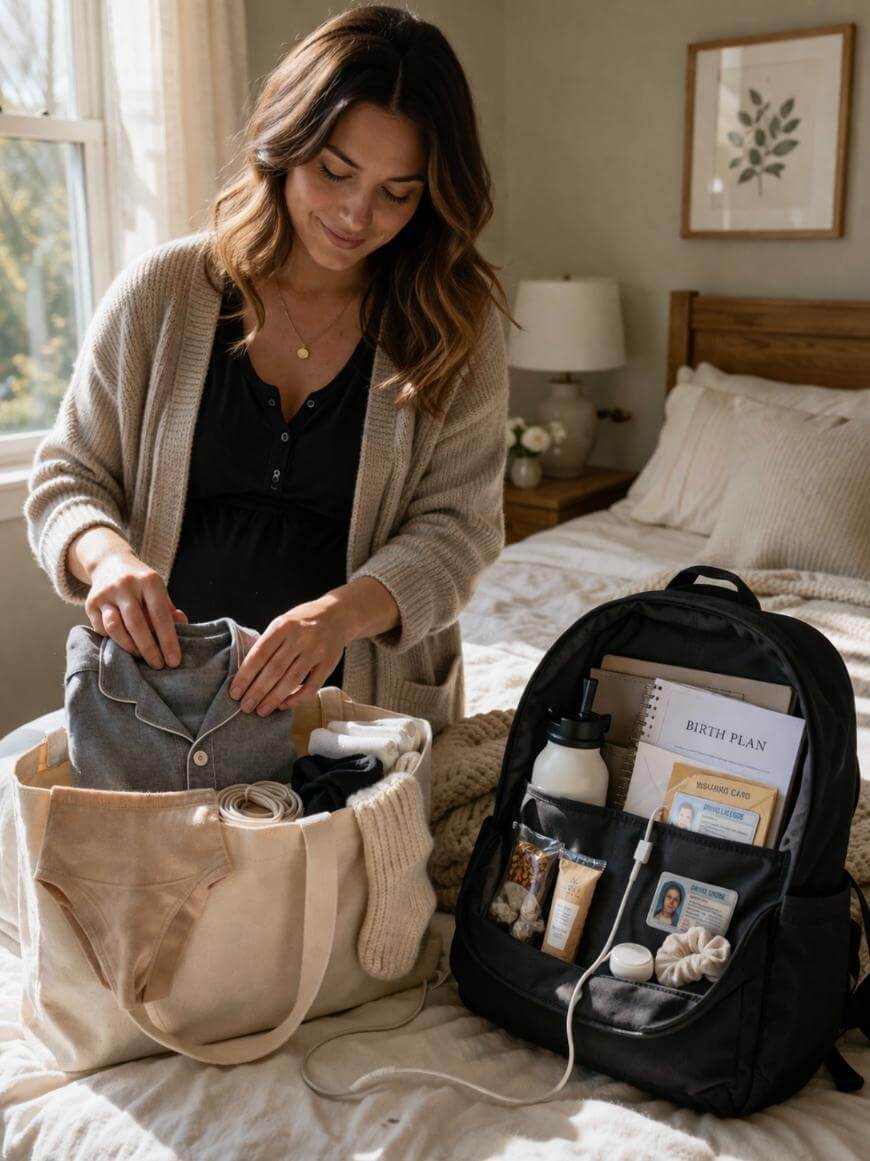
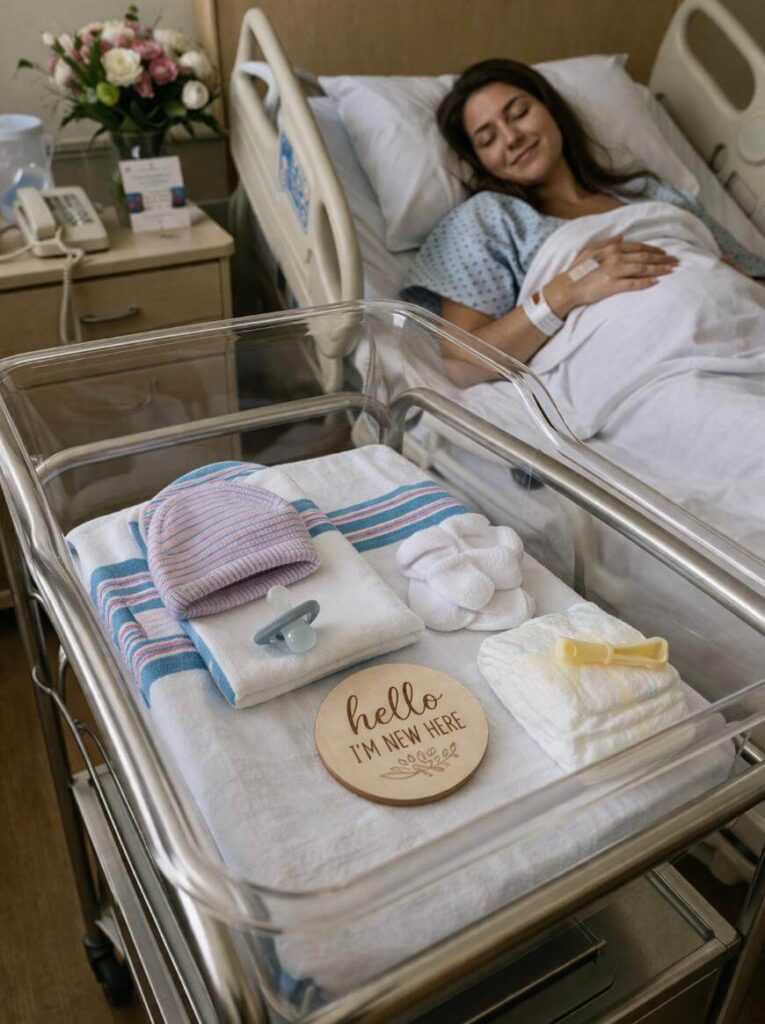
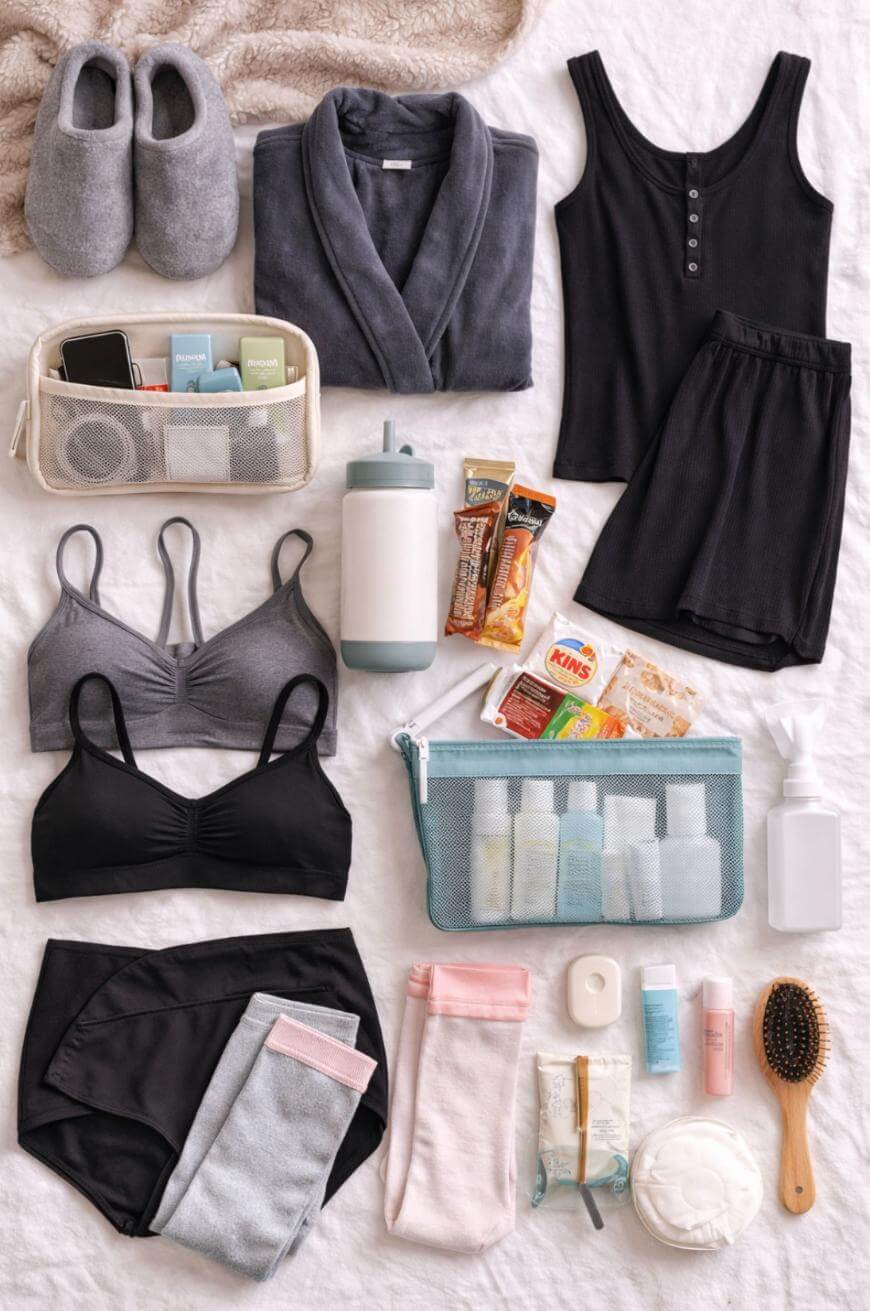
Your hospital bag for a mom to be contains the set of essentials you pack so you can stay comfortable, supported, and prepared from admission through discharge. Most people should start with a simple two-bag setup: one small “labor and recovery” bag you’ll use immediately, and one “postpartum and going-home” bag that can stay zipped until you need it.
Pack it by 36 weeks, then do a 10-minute refresh weekly so you’re not scrambling if you go earlier than expected.
Hospital Bag For Mom To Be Checklist
1. Choose A Two-Bag Setup So You Can Find Things Fast
Use one small bag that stays by your bedside and one larger bag that can live in the closet or with your support person. This prevents digging through everything when you’re tired.
A simple default is a backpack for bedside items and a tote or small rolling bag for everything else. If you only bring one bag, use 2 large zip pouches labeled “Now” and “Later.”
2. Pack Your Photo ID And Insurance Card In A Front Pocket
Keep your ID and insurance card in the easiest-to-reach pocket so check-in is quick. This is one of the highest-friction moments if you have to hunt for paperwork.
If you use a digital insurance card, screenshot it in case reception is spotty. Put a paper backup in a small envelope if you can.
3. Add Your Birth Plan Summary On One Page
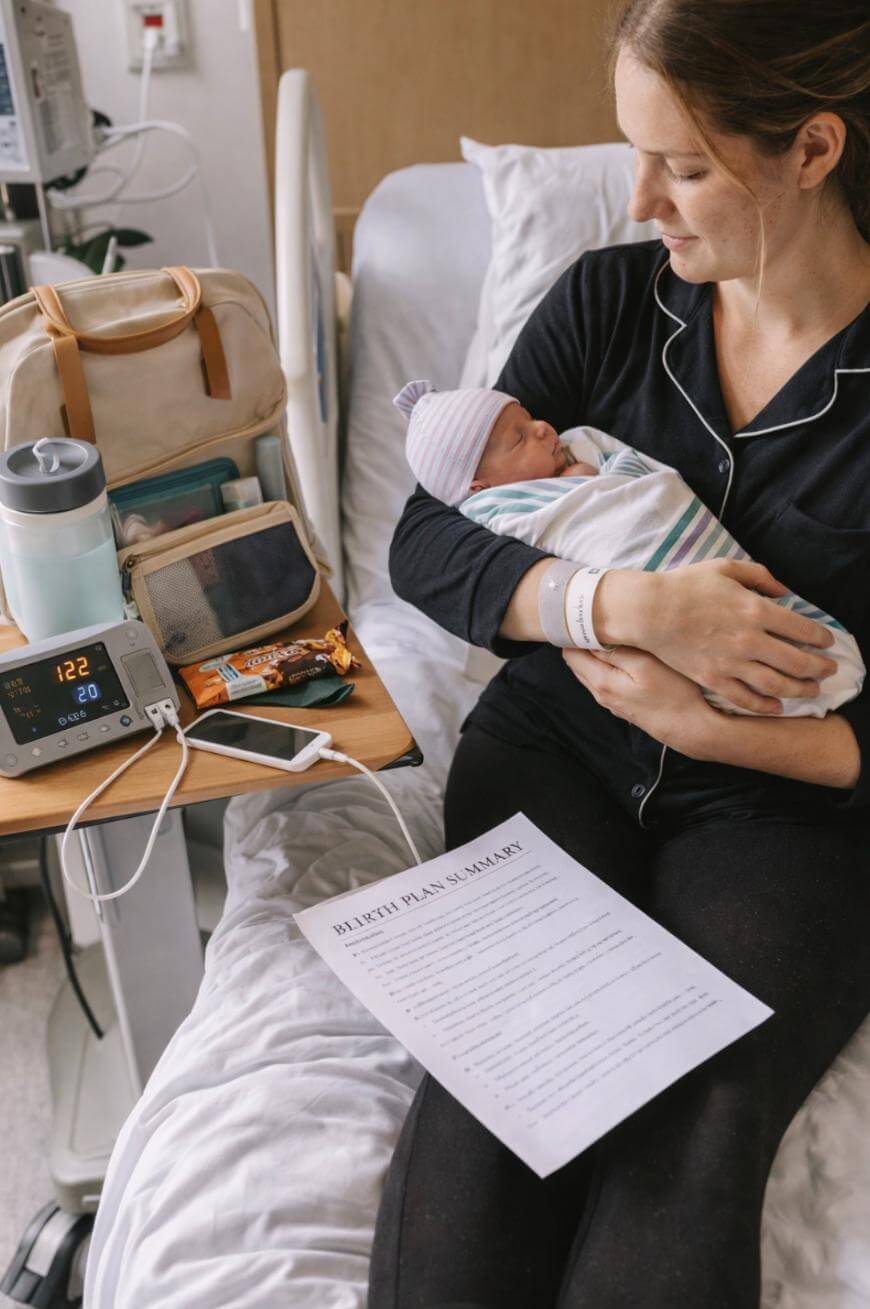
Bring a one-page summary with your top preferences so staff can scan it quickly. Keep it short: pain relief, mobility, monitoring, and newborn procedures are usually enough.
Print 3 copies so you can hand one over without worrying about getting it back. If you don’t have a plan, write 3 priorities and call it done.
4. Include A Phone Charger With A 6–10 Foot Cable
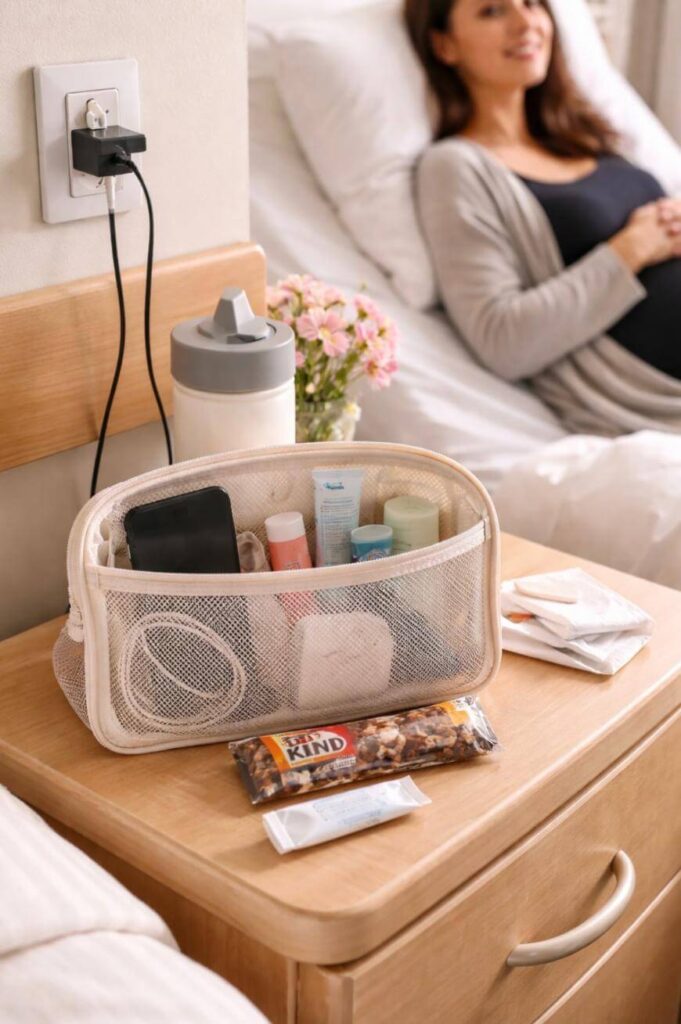
Hospital outlets are rarely where you want them, so a long cable is the easiest comfort upgrade. You’ll use your phone for timing, photos, and staying in touch.
Bring a wall plug plus the correct cable, not just a power bank. If you do bring a power bank, aim for at least 10,000 mAh so it lasts.
5. Bring A Small Extension Cord Only If Your Hospital Allows It
Some hospitals allow a short extension cord, and it can make charging painless. Others don’t, so this is optional and worth a quick call to your unit.
If you skip it, bring an extra-long cable and you’ll usually be fine. If you bring it, keep it compact and easy to wipe clean.
6. Pack A Refillable Water Bottle With A Straw Lid
Hydration is harder when you’re lying back, so a straw lid makes sipping effortless. A bottle you already like is better than a brand-new one you’ll forget to use.
Choose something around 24–32 oz so you’re not refilling constantly. If you’re sensitive to smells, avoid silicone straws that can hold soap scent.
7. Add Electrolyte Packets For One Drink A Day
Electrolytes can help you feel more stable after long labor, sweating, or limited appetite. One packet per day is usually plenty unless your care team suggests otherwise.
Pick a flavor you genuinely like, because you’ll actually drink it. If you’re avoiding sweeteners, choose an unsweetened option and add a squeeze of lemon.
8. Bring Easy Snacks That Won’t Crumb Everywhere
Hospitals vary on food timing, and having your own snacks keeps you from hitting an energy wall. Choose items that are quiet, tidy, and gentle on your stomach.
Pack 6–10 snack portions so you’re covered for a day or two. Think protein bars, trail mix, applesauce pouches, or crackers in a hard container.
9. Pack A Soft Robe Or Long Cardigan For Walking The Halls
A robe or long layer helps you feel covered when you’re moving around. It’s also useful for nursing or skin-to-skin without feeling exposed.
Choose something lightweight and washable, not bulky. Dark colors hide stains better, which is a practical win.
10. Bring Two Front-Opening Nursing Bras Or Sleep Bras
Front-opening bras make exams, monitoring, and feeding simpler. Even if you don’t plan to nurse, a soft bra can feel more supportive postpartum.
Pack 2 so you have one to wear and one as backup if something leaks. Skip underwire for comfort, especially if swelling hits.
11. Include A Hospital Bag For Mom To Be Outfit That Feels Like Pajamas
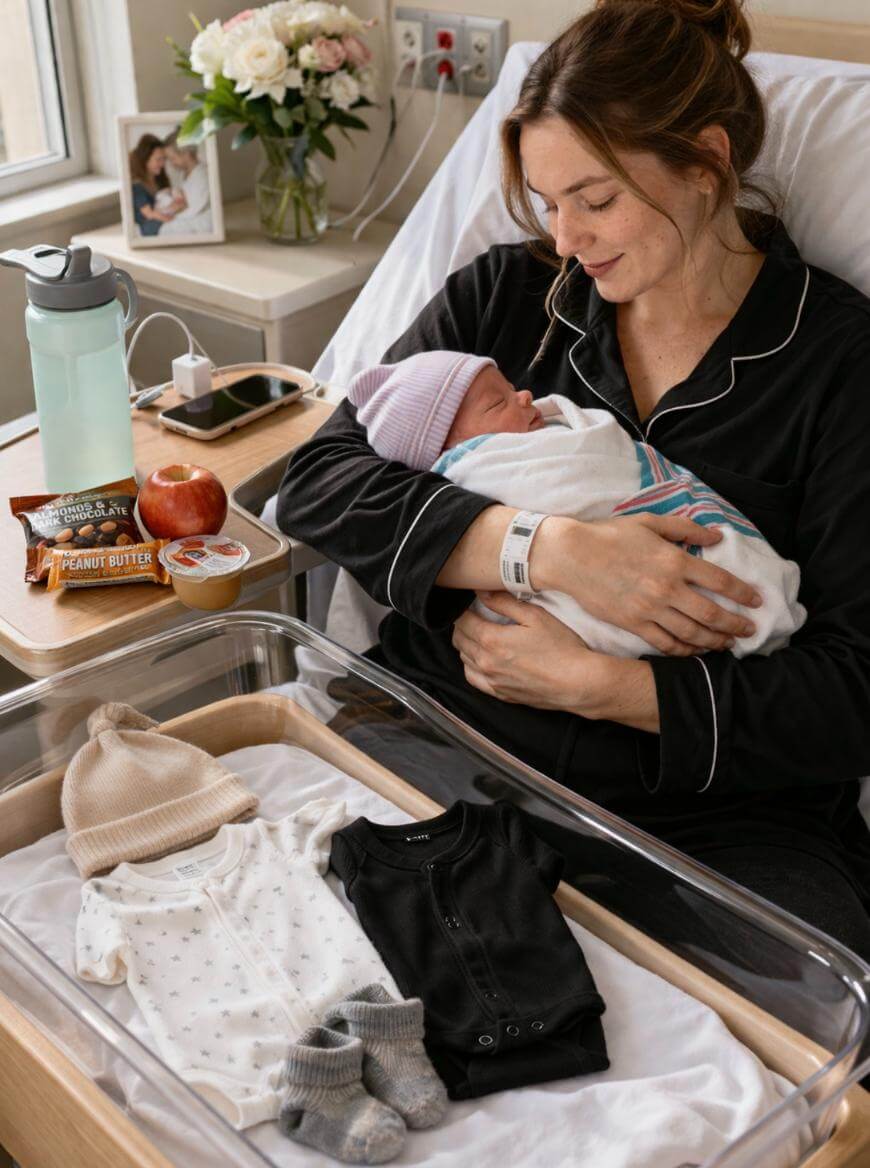
Your “real clothes” outfit matters because it’s often your first moment of feeling like yourself again. Pick something soft, stretchy, and easy to get on and off.
A great default is a button-up pajama set or a loose lounge dress with a cardigan. Choose black or a dark print so you’re not anxious about stains.
12. Choose High-Waisted Underwear One Size Up
High-waisted underwear sits above tenderness and can feel more secure. Going one size up prevents digging and pressure.
Pack 6–8 pairs so you’re not rationing comfort. If you prefer disposable, pack enough for 2 full days.
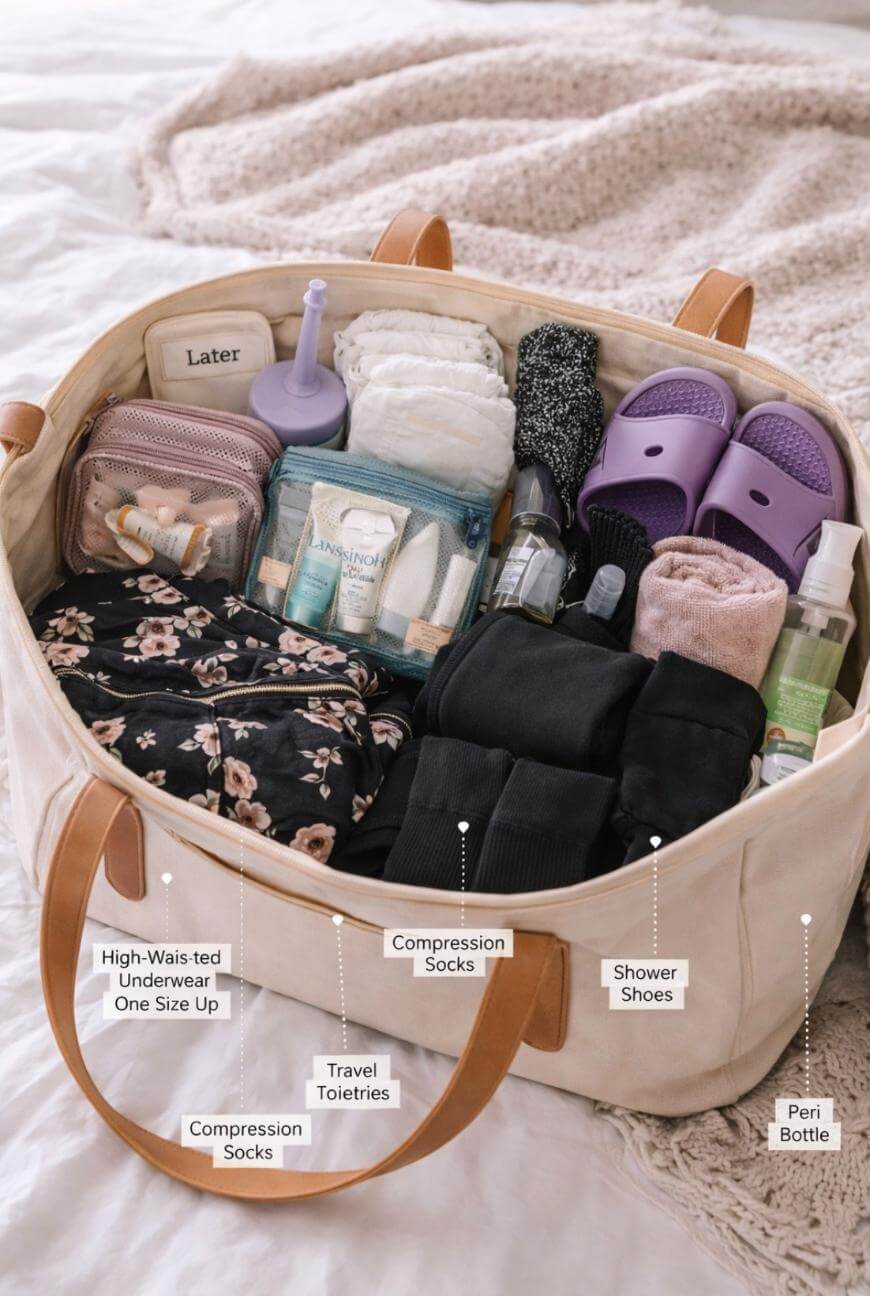
13. Bring Compression Socks For Swelling And Comfort
Compression socks can feel amazing when you’re on your feet and dealing with fluid shifts. They also keep your legs warm in a chilly room.
Choose knee-high socks that aren’t too tight at the top. If you’re unsure, bring one pair and see how you feel.
14. Pack Shower Shoes You Can Rinse Clean
You’ll feel better after a shower, and shower shoes make it more comfortable. Pick a pair that dries fast and doesn’t slip.
Simple flip-flops are fine, but make sure they’re grippy when wet. Put them in a plastic bag so the rest of your items stay clean.
15. Bring Travel Toiletries With A Familiar Scent
A quick face wash and toothbrushing can reset your mood. Familiar products also help you feel grounded when everything is new.
Keep each item travel-sized so your bag stays light. If you’re scent-sensitive, go unscented and rely on your own lip balm for comfort.
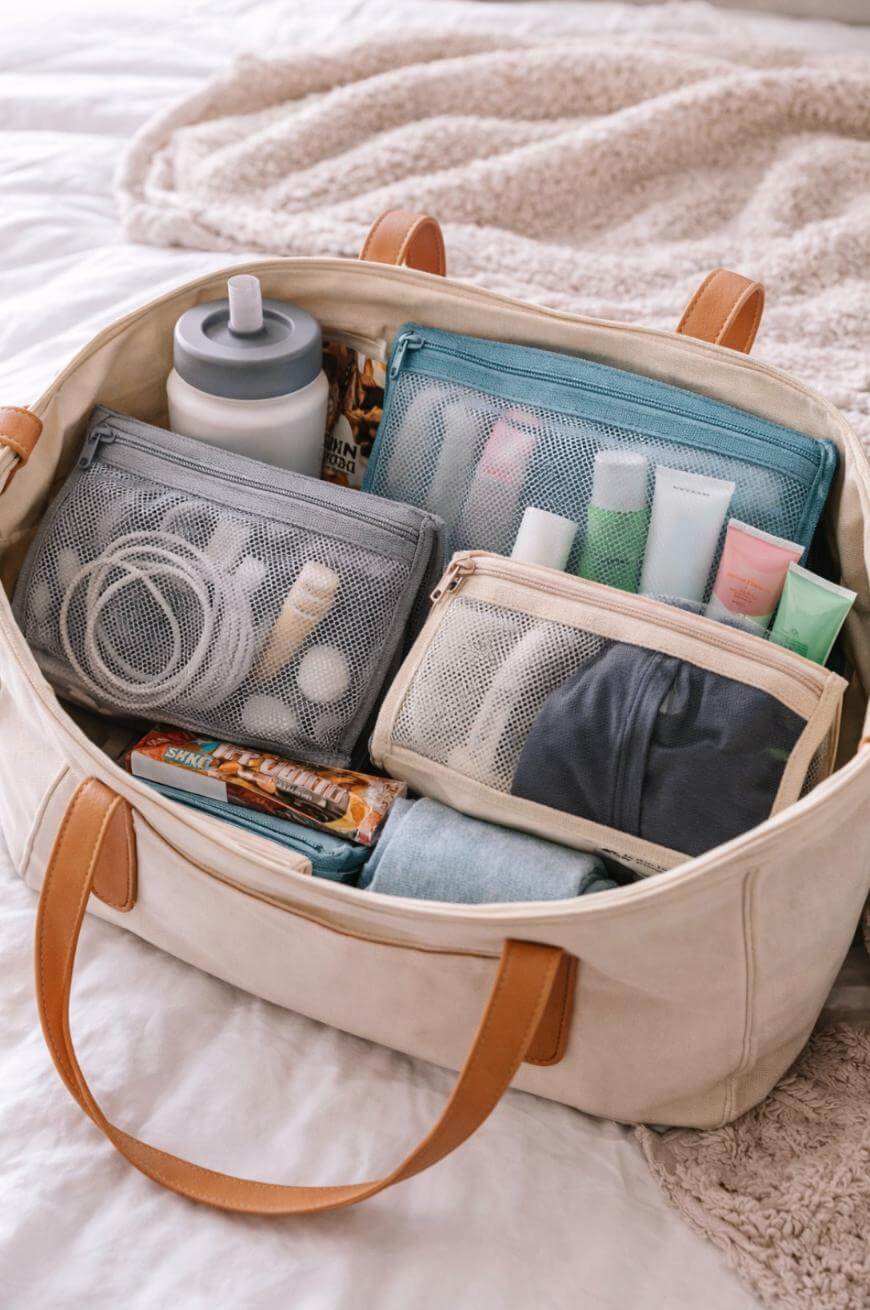
16. Add Lip Balm And A Rich Hand Cream
Hospital air is dry, and lip balm is a tiny thing that feels surprisingly important. Hand cream helps if you’re washing your hands constantly.
Pick products you already tolerate well, especially if you’re prone to irritation. Put them in your bedside pouch so you don’t have to ask for them.
17. Pack Hair Ties, A Headband, And A Simple Brush
Keeping hair off your face reduces sensory stress fast. You’ll also appreciate it for photos and visitors.
Bring 4–6 hair ties because they disappear. If you braid your hair before labor, pack one extra tie to secure it.
18. Bring A Lightweight Towel Only If You Hate Hospital Towels
Some hospital towels are small and scratchy, which can make your first shower underwhelming. A compact microfiber towel can be a comfort upgrade.
If you bring one, choose a dark color and toss it straight into a wet bag after use. If you skip it, bring your own shampoo and it will still feel better.
19. Pack A Going-Home Outfit That Matches Your Comfort Level
Your going-home clothes should feel easy, not “pre-pregnancy.” Plan for a body that still looks and feels pregnant for a while.
A great default is leggings one size up plus an oversized tee or sweater. If you prefer dresses, choose one that doesn’t press on your belly.
20. Bring A Supportive Bra Or Tank For Nursing Or Pumping
A supportive layer helps if you’re nursing often or pumping in the hospital. It keeps you from having to fully undress repeatedly.
Choose something with easy access and gentle fabric. If you’re unsure what you’ll like, bring one bra and one nursing tank.
21. Add Nipple Cream And Breast Pads If You Plan To Nurse
Nipple cream can help with early soreness, and pads help with leakage. These are small items that reduce stress when you’re learning.
Pack one small tube and 6–10 pads to start. If you don’t end up using them, you didn’t waste much space.
22. Pack A Peri Bottle Only If Your Hospital Doesn’t Provide One
Many hospitals provide a peri bottle, but not all provide a style you like. Having your preferred one can make postpartum bathroom trips easier.
If you bring one, pick an angled bottle for better reach. Keep it sealed in its packaging until you need it.
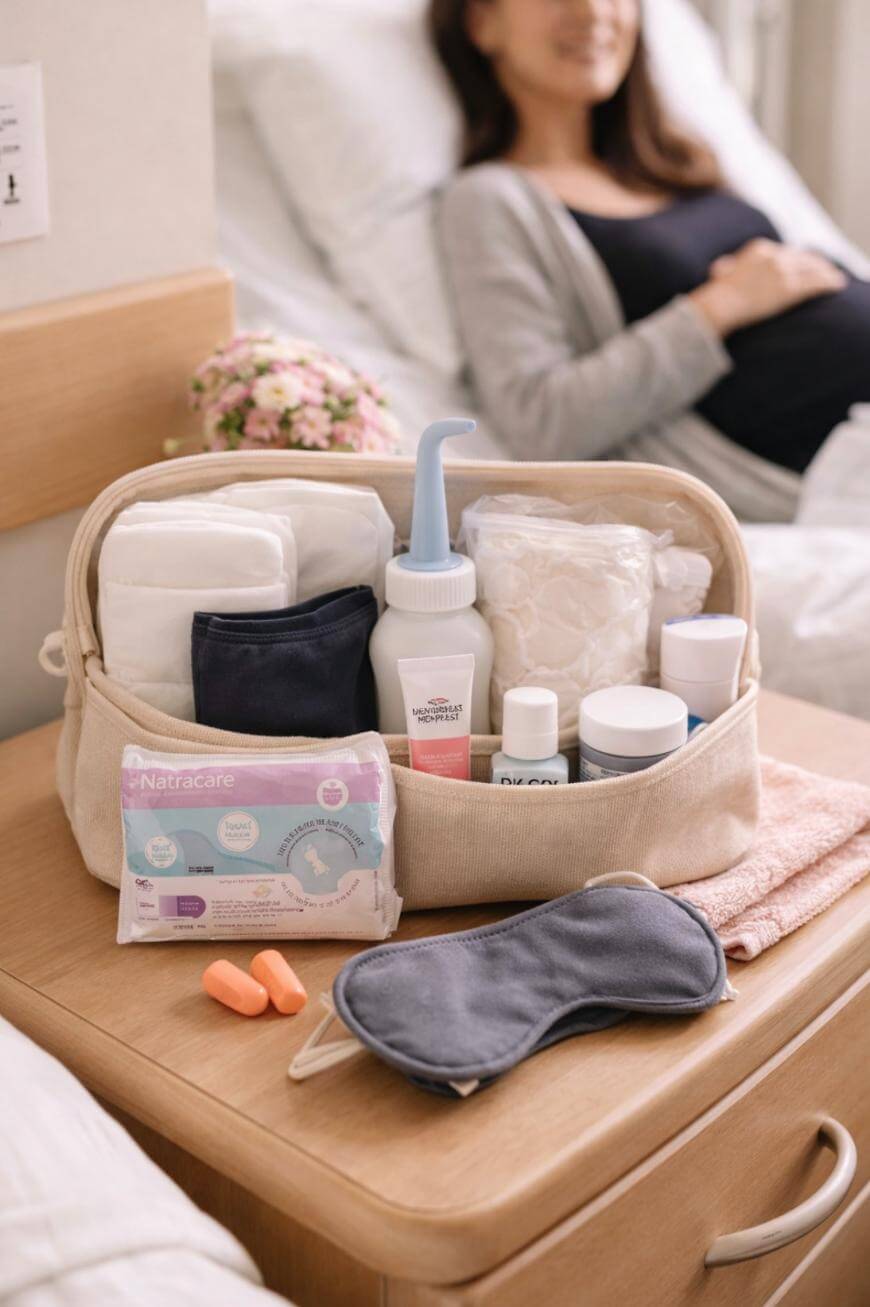
23. Bring A Small “Recovery Comfort Kit” In One Pouch
A single pouch for recovery items keeps your bedside area calm. You’ll be tired, and simple organization helps.
Put pads, underwear, creams, and any personal items in one zip pouch. If your hospital provides most supplies, you’ll still appreciate the tidy setup.
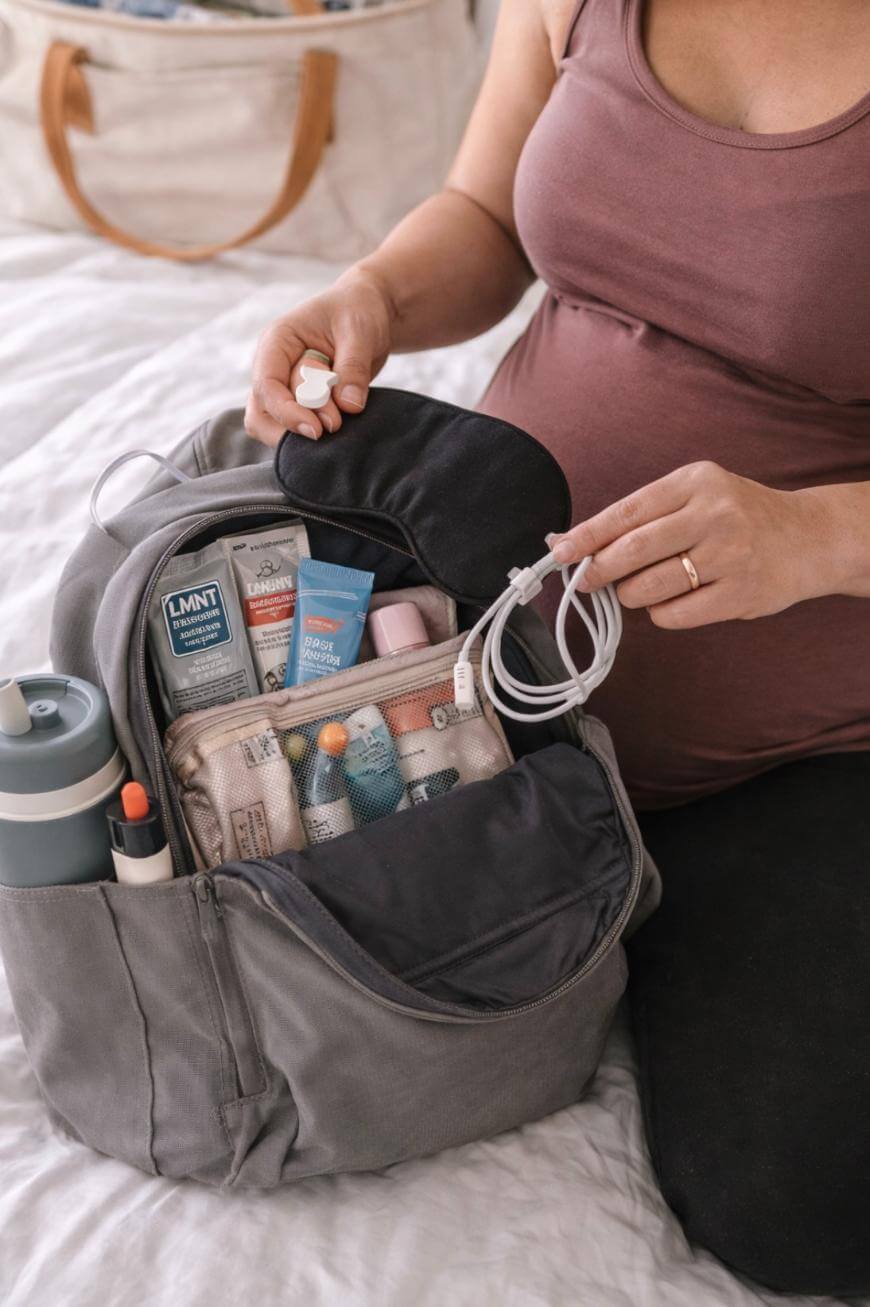
24. Include Earplugs And An Eye Mask For Real Sleep
Hospitals are bright and loud, and sleep quality matters. Earplugs and an eye mask are a low-effort way to protect rest.
Choose a soft, comfortable mask that doesn’t press on your eyes. If earplugs feel annoying, try one wireless white-noise option on your phone instead.
25. Pack One Comfort Item That Signals “Home”
A small comfort item can reduce stress without turning your room into luggage storage. This could be a familiar pillowcase, a small blanket, or a photo.
Keep it small enough that you won’t be upset if it gets stained. A pillowcase is a great compromise because it upgrades comfort without taking much space.
26. Do A Final 15-Minute “Grab And Go” Check Before Bed Each Night
In the last weeks, your best move is making sure your essentials are truly ready. That includes meds, documents, chargers, and the outfit you want.
Set your bag by the door and keep your car seat installed by 37 weeks if possible. A nightly 15-minute check is more effective than one massive packing session.
How To Pack And Organize Fast Without Overpacking
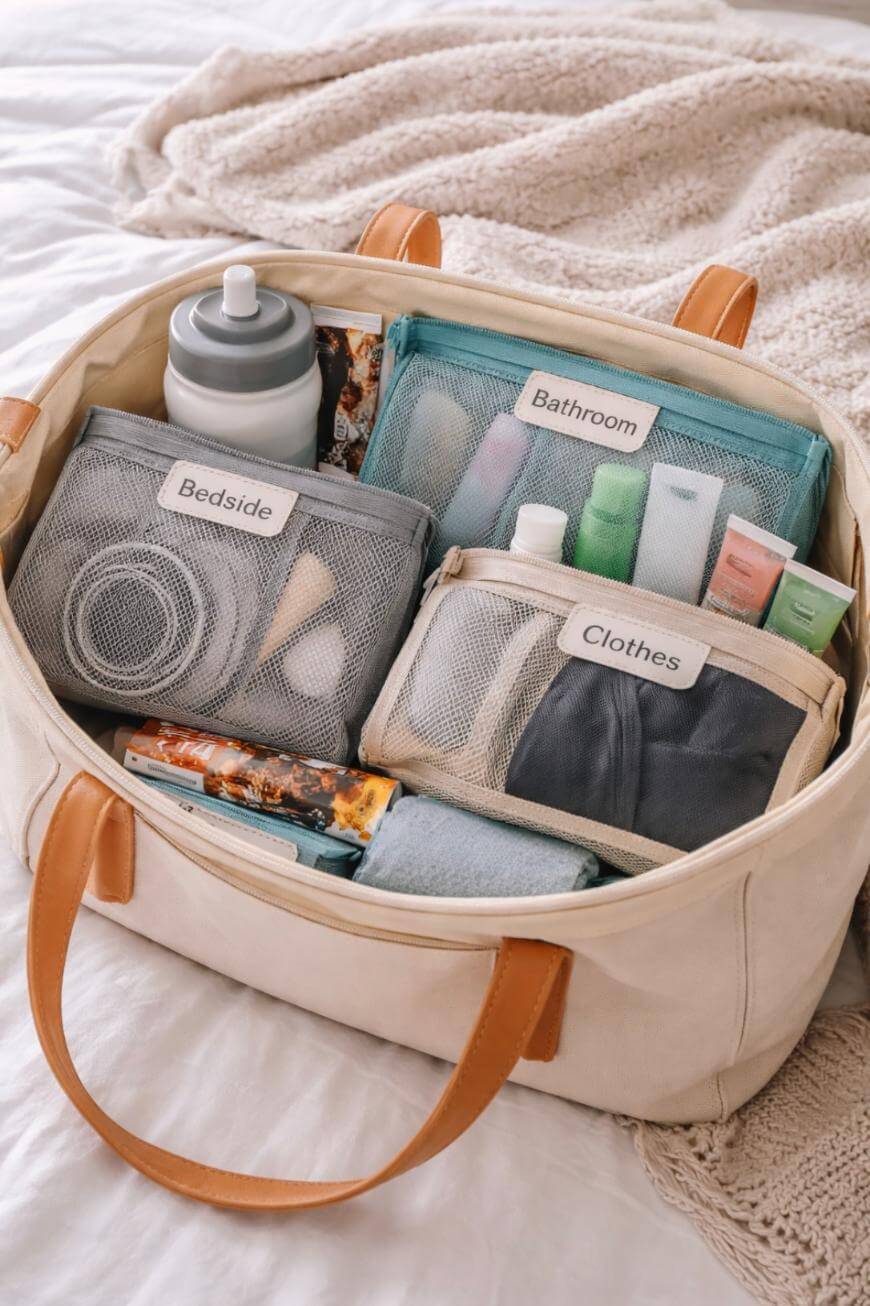
27. Use Three Zip Pouches Labeled Bedside, Bathroom, And Clothes
Pouches act like drawers, which is exactly what you want in a hospital room. You’ll find what you need in seconds instead of unloading your whole bag.
Keep the bedside pouch small and high-frequency: charger, lip balm, snacks, and your plan. Make the bathroom pouch waterproof-friendly and easy to carry.
28. Pack For Two Nights Even If You Expect One
Many stays are short, but planning for two nights keeps you comfortable if anything shifts. This prevents “I wish I brought that” frustration.
A simple rule is 2 outfits, 2 bras, and 2 days of toiletries. If you go home sooner, you still won’t regret being prepared.
29. Keep Your Bag Under 25 Pounds So You Can Move It Yourself
Even if someone helps you, lighter is better for stress and flexibility. You may need to shift bags between triage, labor, and postpartum rooms.
If you’re unsure, do a quick lift test and remove duplicates first. Heavy “just in case” items are usually the easiest to cut.
30. Put Your Must-Haves In One Easily Accessible Pocket
Your must-haves are the items you’ll want within the first hour. Put them in one pocket so you don’t have to think.
The simplest set is: ID, insurance, charger, lip balm, and a hair tie. If you add one thing, make it a water bottle.
Key Takeaways
Pack your main bag by 36 weeks and refresh it weekly.
Use a two-bag system so bedside items stay easy to reach.
Bring a long charger cable and hydration tools for comfort.
Choose dark, soft clothing that feels easy postpartum.
Organize with pouches so you never have to dig for essentials.
Plan for two nights so small delays don’t create stress.
FAQ
Do You Really Need A Robe For The Hospital?
Yes, you’ll use it for warmth, coverage, and easy access during checks. A lightweight robe is usually more useful than extra “cute” outfits.
What If You Forget Something Important?
You can usually replace basics like toiletries, chargers, and snacks quickly. Focus on not forgetting essentials like documents, any prescribed meds, and a going-home outfit.
How Early Should You Pack If You’re High Risk?
Pack as soon as your provider says delivery could happen early, and treat 32–34 weeks as a practical deadline. You’ll feel calmer knowing your basics are ready.
Can You Pack Too Much For Labor And Delivery?
Yes, overpacking makes it harder to find what you need and can clutter a small room. Keep your bedside bag minimal and stash everything else in the larger bag.
This post contains affiliate links. A full disclosure is available from the main menu.


Leave a Reply