Last updated: June 29, 2026
If you’re approaching your due date and wondering what you can actually do to prepare for labor, you’ve come to the right place. We’re going to walk you through the most effective strategies, from physical exercises to mental techniques, so you feel ready when the time comes.
Labor preparation is not about eliminating pain or uncertainty—it’s about building the knowledge, tools, and confidence to navigate one of the most powerful experiences of your life. The more prepared you feel, the more in control you’ll be when contractions begin.
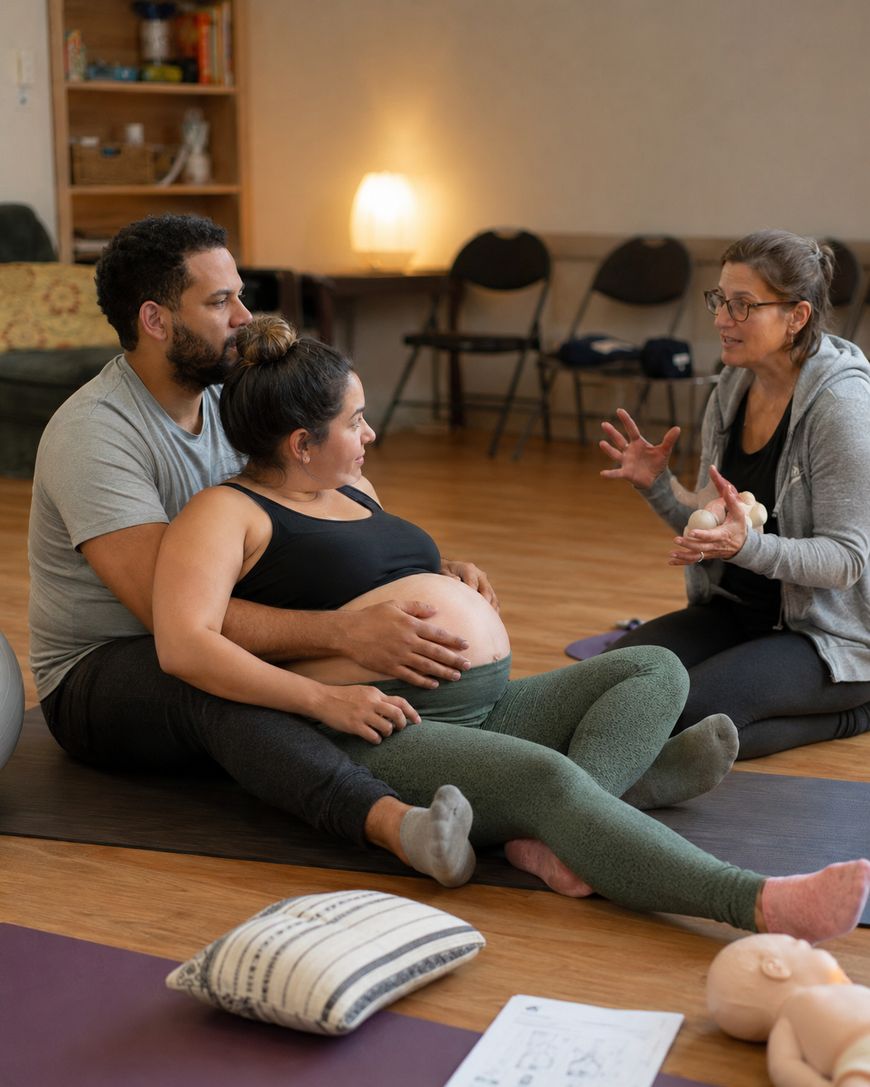
Physical Preparation for Labor
Your body does an incredible amount of work during labor, and preparing it physically in the weeks before your due date is one of the most practical things you can do. Prenatal yoga and gentle stretching help keep your hips loose and your pelvis flexible, which can encourage your baby to settle into an optimal position for birth.
Daily walking is another underrated but powerful tool. A 20 to 30 minute walk each day helps keep your cardiovascular system strong, supports good fetal positioning, and gives you an accessible form of movement that’s safe throughout the third trimester.

Pelvic floor work is equally important, but many people focus only on Kegel exercises and miss the other half of the equation. Learning to release and relax your pelvic floor is just as critical as strengthening it, because during labor you need those muscles to open up, not hold on.
Working with a pelvic floor physical therapist before your due date can be a genuinely transformative part of your labor preparation. Practicing different labor positions ahead of time also pays dividends.
Positions like hands and knees, supported squats, and side-lying can help manage discomfort during contractions and encourage the baby to descend. If you’ve never tried laboring on your hands and knees, the first contraction is not the time to figure out how to get there.

Breathing and Relaxation Techniques
Breathing is your most accessible tool during labor, and it’s one that requires practice to use well under pressure. There are several evidence-based breathing methods used in labor support, and learning at least one or two before your due date gives you something concrete to rely on when contractions intensify.

Slow, deep diaphragmatic breathing is the foundation of most labor breathing techniques. The idea is to breathe in slowly through your nose for a count of four, then exhale fully through your mouth for a count of six to eight.
Extending your exhale slightly longer than your inhale activates the parasympathetic nervous system, which helps your body stay out of the fight-or-flight response during contractions. Visualization is another technique that works beautifully alongside breathing.
Imagining your cervix opening like a flower, or picturing each contraction as a wave that carries your baby closer to you, can help shift your mental relationship with the intensity of labor. These are not just feel-good affirmations, they’re tools for redirecting your nervous system’s response to sensation.

Progressive muscle relaxation, practiced nightly in the weeks before your due date, trains your body to release tension on command. When your body already knows how to let go, it becomes much easier to stay open and relaxed between contractions.
Building Your Birth Team and Birth Plan
No amount of individual preparation replaces having the right support around you during labor. Your birth team, whether that’s a partner, a doula, a close friend, or a combination, plays a significant role in how your experience unfolds.
A birth doula is one of the most well-researched forms of labor support available. Studies show that continuous support from a doula is associated with shorter labors, lower rates of cesarean birth, reduced use of pain medication, and higher overall satisfaction with the birth experience.

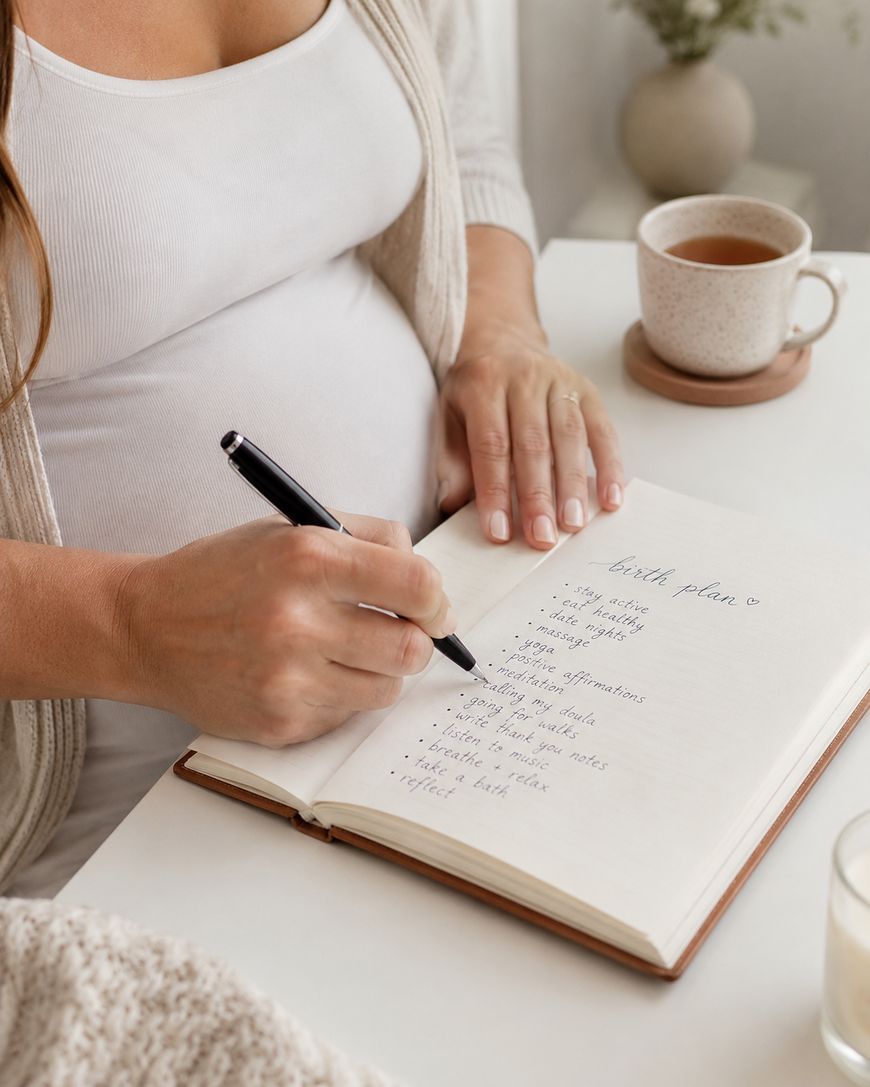
If a professional doula isn’t in your budget, many areas have community doula programs or volunteer doulas in training who offer sliding-scale or free support. Your birth plan is a communication tool, not a contract.
Keeping it short, ideally one page, and framing your preferences positively helps your care team absorb it quickly. Share it with your provider at your 36-week appointment and go over any preferences that might need additional discussion ahead of time.
Preparing Your Birth Space and Hospital Bag
Whether you’re giving birth at home, in a birth center, or in a hospital, the environment around you during labor has a real impact on how you feel. Soft lighting, familiar scents, comfortable clothing, and a curated playlist of calming music can all help you feel more relaxed and in control.
For a hospital birth, preparing your bag a few weeks before your due date is a simple labor preparation step that prevents frantic packing at the start of labor. Pack items that support comfort: a pillow from home, a lightweight robe, your favorite chapstick, snacks for your support person, and any comfort items that help you relax.
Having a small bag of labor tools, like a massage ball, a rice sock for heat, or a TENS unit, can also give you options when you need them. If you’re planning a home or birth center birth, work with your midwife or birth team to ensure your space is fully set up at least two weeks before your due date.
Nutrition and Hydration in the Final Weeks
What you eat and drink in the weeks before labor matters more than most people realize. Staying well-hydrated helps maintain amniotic fluid levels and supports your kidneys, which are working hard in the third trimester.
Dates have become one of the most talked-about foods in the labor preparation world, and the research backs up the buzz. Multiple studies have found that eating six dates per day beginning at 36 weeks is associated with greater cervical dilation at admission, more frequent spontaneous labor onset, and shorter early labor.

Red raspberry leaf tea is another popular option in the final weeks of pregnancy, traditionally used to tone the uterus and prepare it for labor. Many midwives recommend starting with one cup per day around 36 weeks and gradually increasing, but always check with your provider before adding any new herbs to your routine.

Why Labor Preparation Matters
Many people assume labor is something that simply happens to you, but the truth is that how you prepare in the weeks and days beforehand can significantly shape your experience. Your body has been building toward this moment for months, and the work you do now helps align everything so you’re not starting from scratch when contractions begin.

Research consistently shows that people who feel informed and prepared report more positive birth experiences, even when things don’t go exactly according to plan. Preparation doesn’t mean you’ll have a perfect birth, it means you’ll have the skills to respond to whatever unfolds.
Beyond the psychological benefits, physical preparation can play a meaningful role in how labor progresses. Strengthening the muscles involved in labor and delivery, learning how to breathe effectively, and practicing positions that open your pelvis can all contribute to a more efficient labor.
When your body knows what to do and your mind trusts the process, the whole experience tends to flow more smoothly. Even just a few weeks of intentional preparation can make a noticeable difference.
Your Labor Preparation Questions Answered
When should I start preparing for labor?
Most providers recommend beginning active labor preparation around 32 to 34 weeks of pregnancy. This gives you enough time to take a birth class, practice breathing techniques, and work on physical preparation without feeling rushed. That said, even starting at 36 or 37 weeks is better than not starting at all.
Does a birth class really make a difference?
Yes, a quality birth class can be one of the most valuable investments you make in your labor preparation. Classes that cover evidence-based information about the stages of labor, pain management options, and comfort measures help you and your partner feel genuinely prepared. Look for classes taught by certified childbirth educators or offered through a hospital, birth center, or doula.
How can my partner help with labor preparation?
Your partner can practice comfort techniques with you ahead of time, including counter-pressure, massage, and breathing cues. Encourage them to take the birth class with you so they understand what’s happening at each stage and how to support you effectively. Having a partner who knows what to do and when to do it is one of the most valuable labor preparation tools you have.
Is it normal to feel anxious about labor even after preparing?
Absolutely, and you’re in good company. A certain amount of anticipatory anxiety is a normal part of approaching a significant life event. If fear feels overwhelming or is affecting your daily life, consider speaking with a therapist who specializes in perinatal mental health.
What if my labor doesn’t go according to my birth plan?
This is where your preparation pays off in ways that may surprise you. When you’ve taken the time to understand the range of possible outcomes, practice flexibility in your thinking, and build trust with your care team, you’re far better equipped to adapt when things change. A birth plan is a starting point, not a script.
Can labor preparation help shorten labor?
While there are no guarantees, physical preparation, optimal fetal positioning, and staying relaxed during labor can all contribute to more efficient contractions and a smoother progression. People who are well-prepared often have more effective coping strategies, which can reduce the need for interventions that sometimes slow labor down. It’s one of many reasons labor preparation is worth the effort.
Start Your Labor Preparation Now
The weeks before your due date are a powerful time to invest in yourself and in your birth experience. From physical exercises and breathing practice to building your team and packing your bag, every step of your labor preparation adds to the confidence and calm you’ll carry into the birth room.
You don’t need to do everything on this list, start with what resonates most and build from there. The goal of labor preparation isn’t perfection; it’s showing up ready to meet this experience with everything you’ve got.
Start today, and when the time comes, you’ll be glad you did.



Leave a Reply