Last updated: October 15, 2026
Looking for toddler crafts that actually work with short attention spans and big feelings? You are in the right place.
Below you will find simple, process-focused projects using supplies you probably already own, followed by setup tips, safety basics, and answers to common questions.
Easy Toddler Crafts to Try Today
The best toddler crafts focus on the doing, not the finished product. Your little one is exploring textures, colors, and cause and effect, so a wobbly, one-of-a-kind creation is a success.
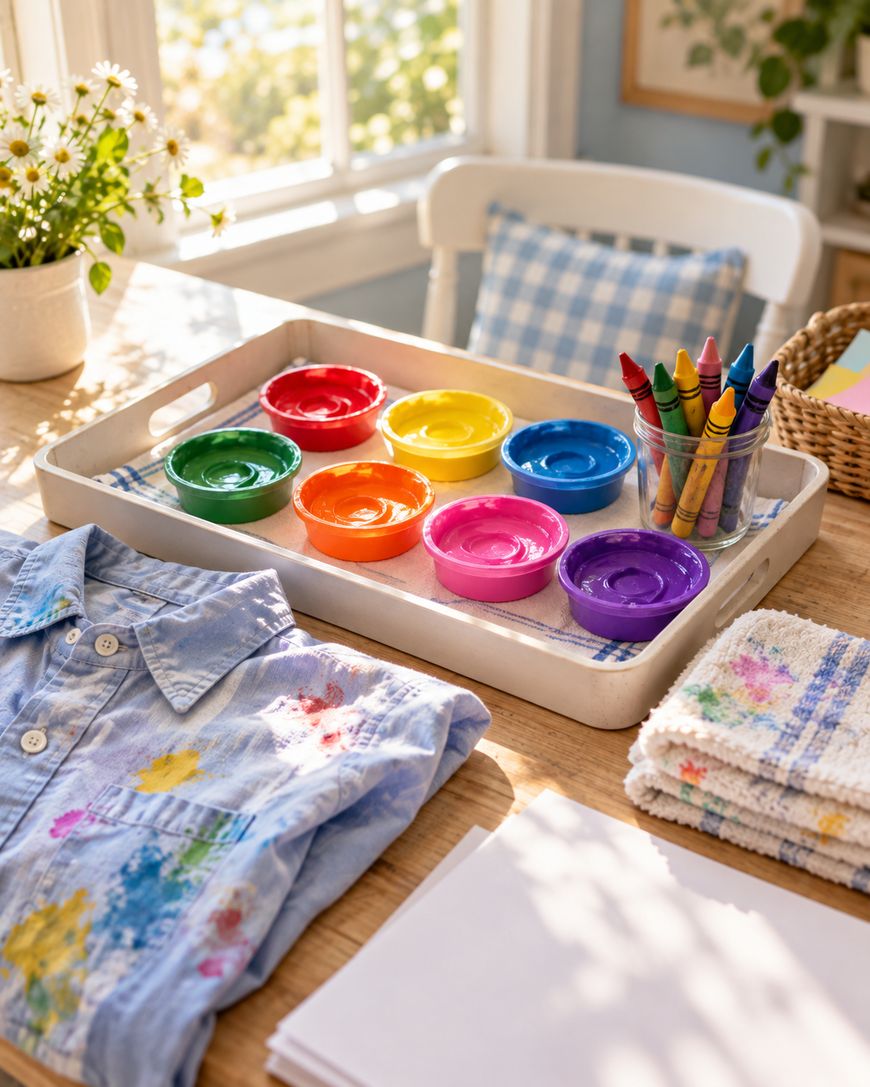
Each idea below uses large, easy-to-grip materials and works well with a grown-up sitting close by.
Finger Paint Handprint Art
Handprints are a classic for a reason. Toddlers love the squishy feel of paint, and you get a keepsake out of it.
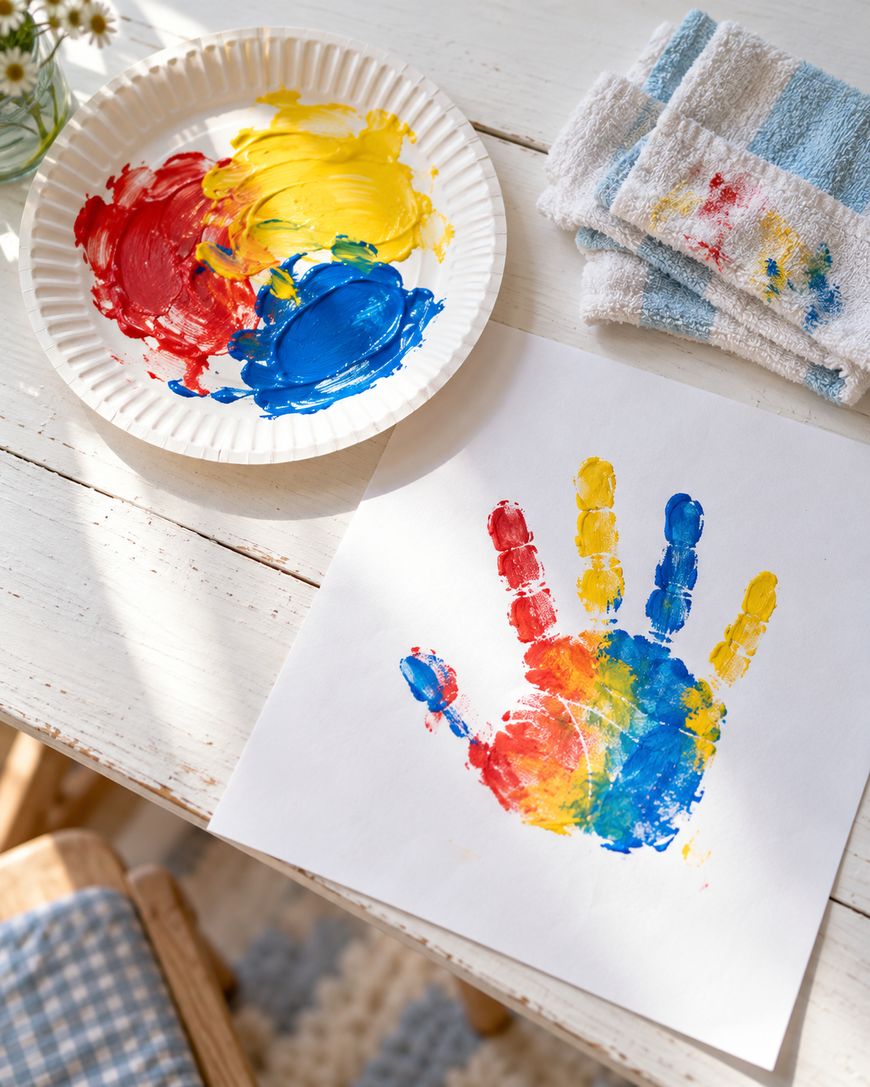
Spread a thin layer of washable, non-toxic finger paint on a paper plate, then help your child press a hand onto sturdy paper.
Turn the print into a butterfly, a flower, or a sunshine with a few marker lines once it dries. Keep wipes and a damp towel within reach so cleanup takes seconds.
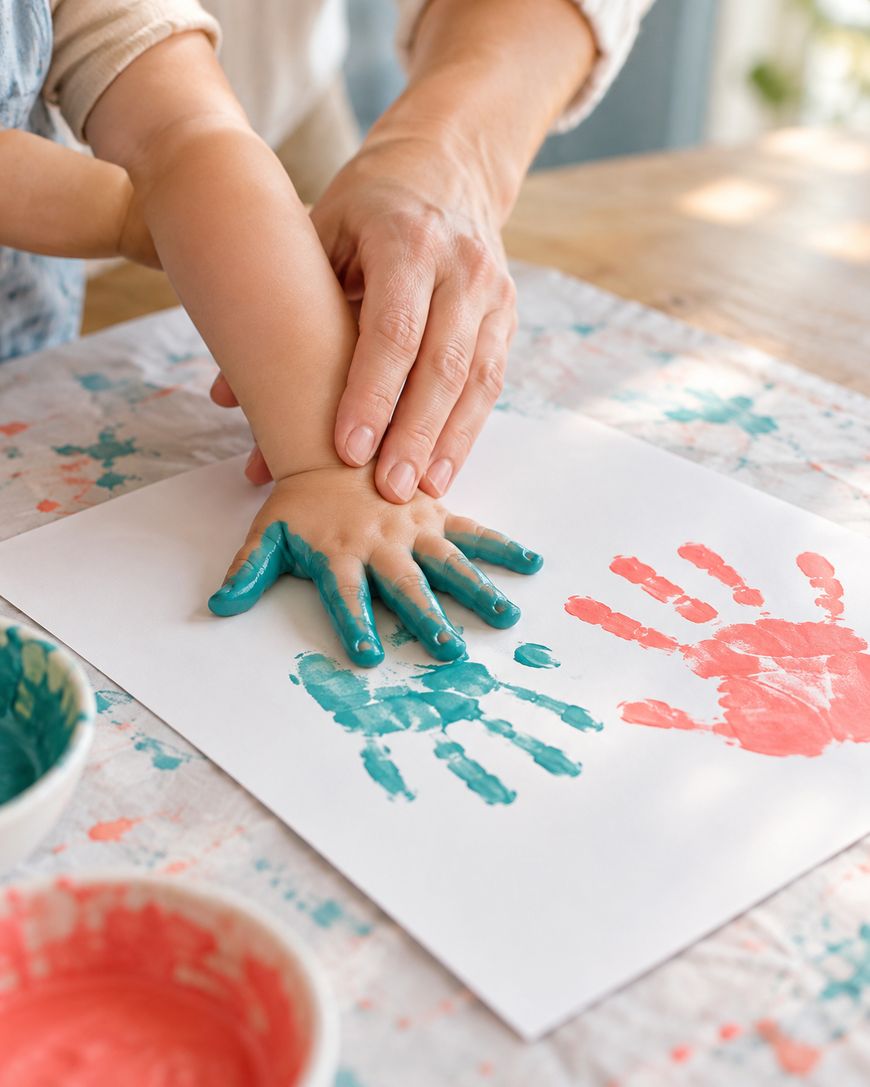
Big Sticker Collage
Peeling stickers builds fine motor skills, and toddlers find it endlessly entertaining. Choose large stickers rather than tiny ones, since small pieces are easier to peel off and put in a mouth.
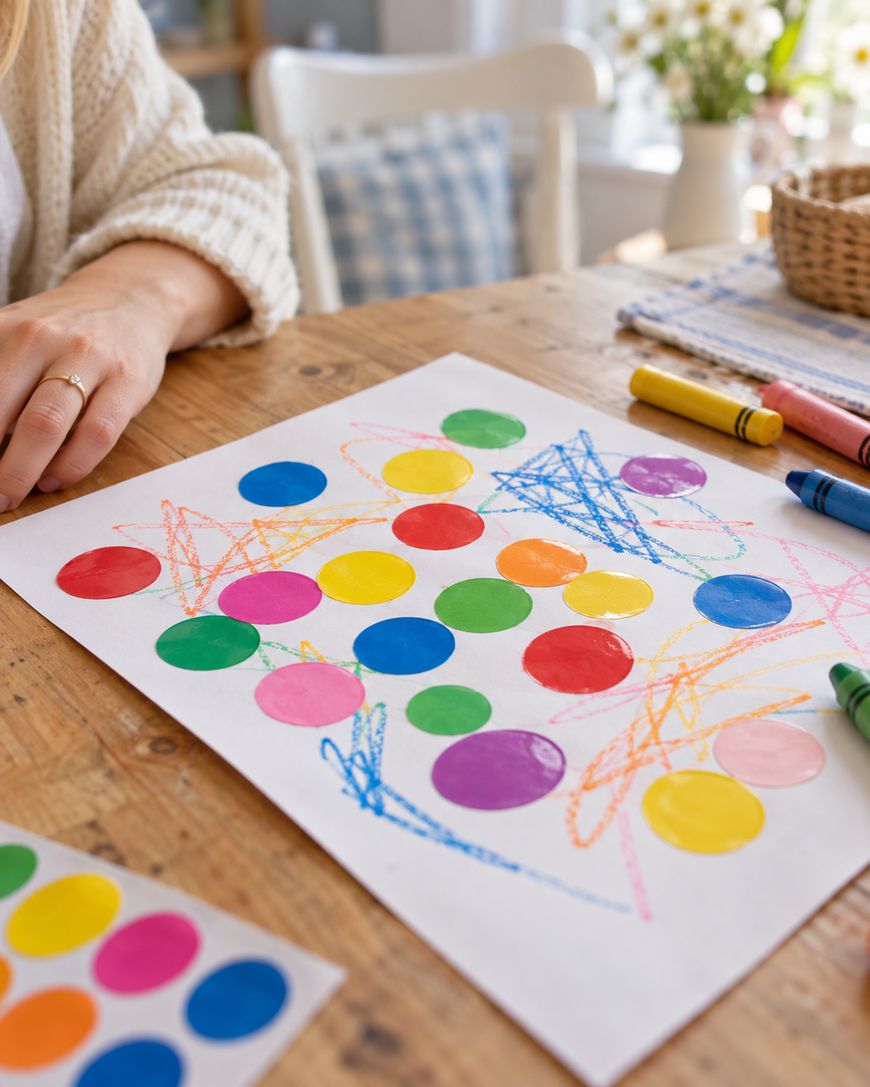
Give your child a sheet of paper or a cardboard scrap and let them place stickers wherever they like.
Add a few crayon scribbles around the stickers to turn it into a scene. This is one of the calmest toddler crafts for a restaurant, a car ride, or a waiting room.
Sponge Painting
Cut a kitchen sponge into big chunks and let your toddler dab it into a shallow tray of paint. The stamping motion is satisfying, and the textured marks look like clouds, grass, or confetti.
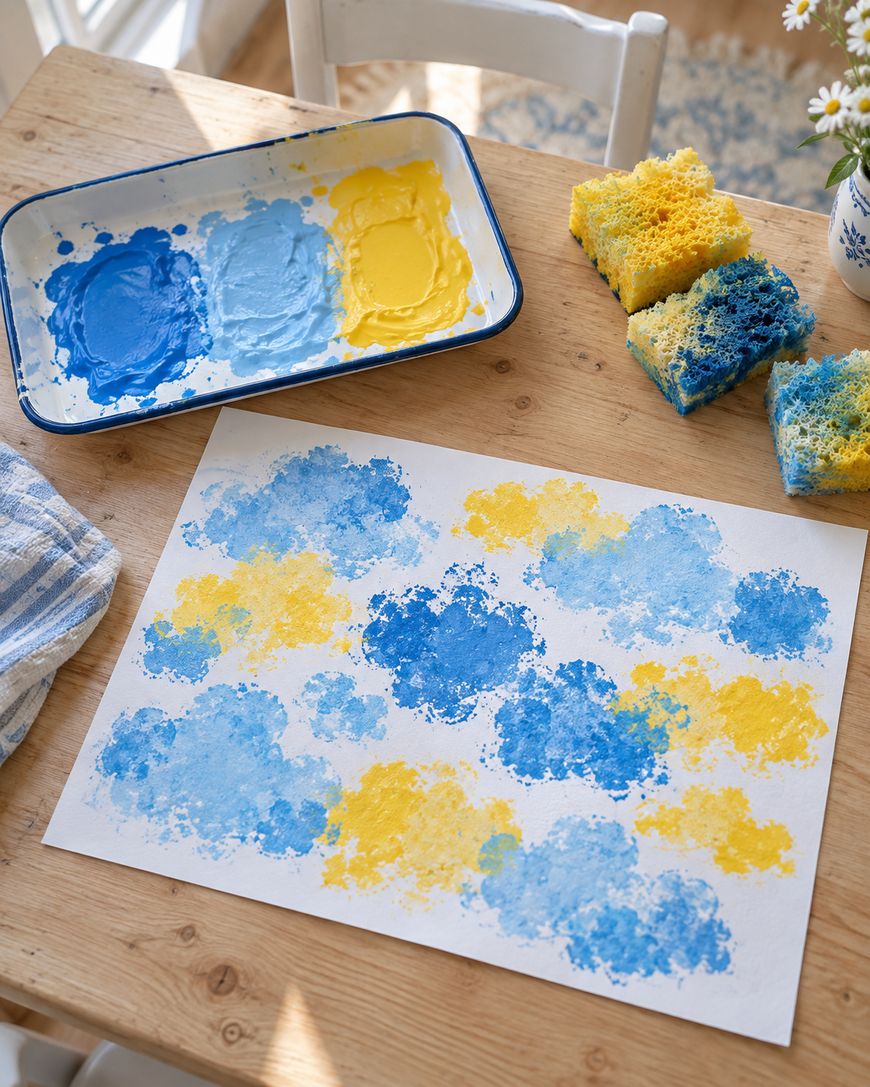
Try one color at first so the paper does not turn muddy. Add a second color once your child shows interest.
Tissue Paper Suncatchers
Cut a frame from clear self-adhesive paper or tape a paper frame to the window with the sticky side facing out. Let your toddler tear and press pieces of tissue paper onto the surface.
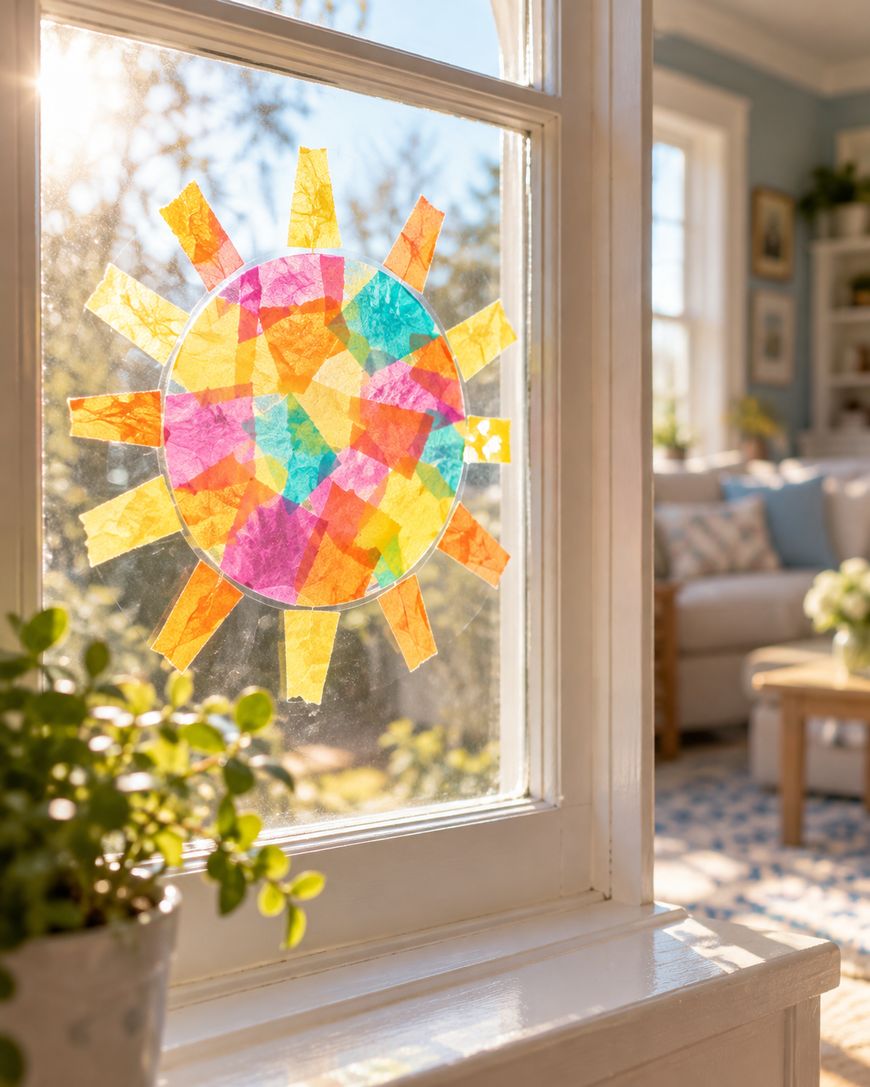
Tearing is excellent hand practice, and the colors glow beautifully when sunlight hits them. Hang the finished piece in a window where everyone can enjoy it.
Crayon Rubbings
Place a leaf, a coin-sized flat shape cut from craft foam, or a textured placemat under a sheet of thin paper. Show your child how to rub the side of a peeled crayon across the top.

The picture magically appears, which delights most toddlers. Use jumbo crayons that are too big to swallow so everyone can relax.
More Toddler Crafts Ideas for Rainy Days
When the weather keeps you indoors, a few extra projects can save the afternoon. These ideas lean on everyday household items, so there is nothing special to buy.
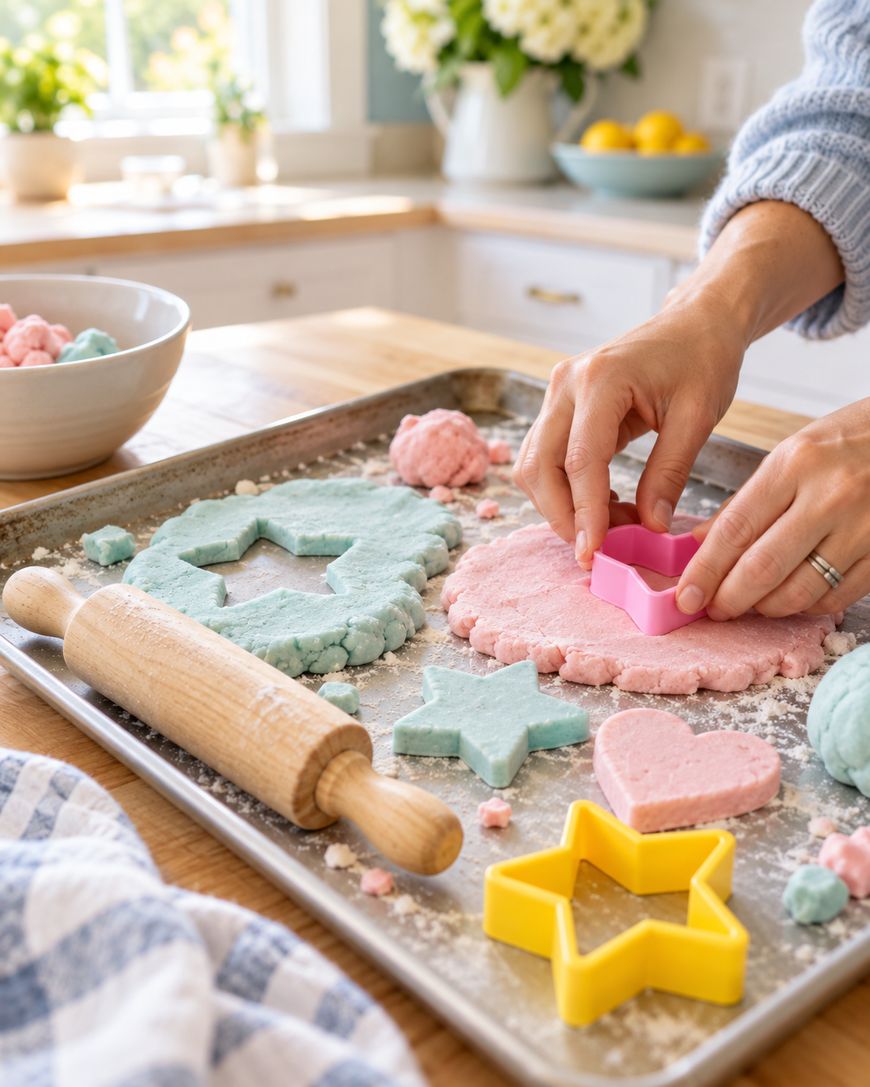
Playdough sensory tray is a favorite because it needs almost no setup. Offer a lump of playdough, a rolling pin, and a few cookie cutters on a baking sheet, and let your toddler squish, roll, and poke.
Paper plate animals turn a simple plate into a lion, a ladybug, or a fish. Glue on paper shapes and draw the face with markers, and let your child decide where everything goes.

Cardboard box painting works wonders for energetic kids. Set a large box on a washable mat and let your toddler paint the outside with brushes or rollers, then use it as a cozy hideout once it dries.

Water painting is the ultimate low-mess option. Give your child a cup of plain water and a brush, and let them “paint” the sidewalk, a fence, or a chalkboard.
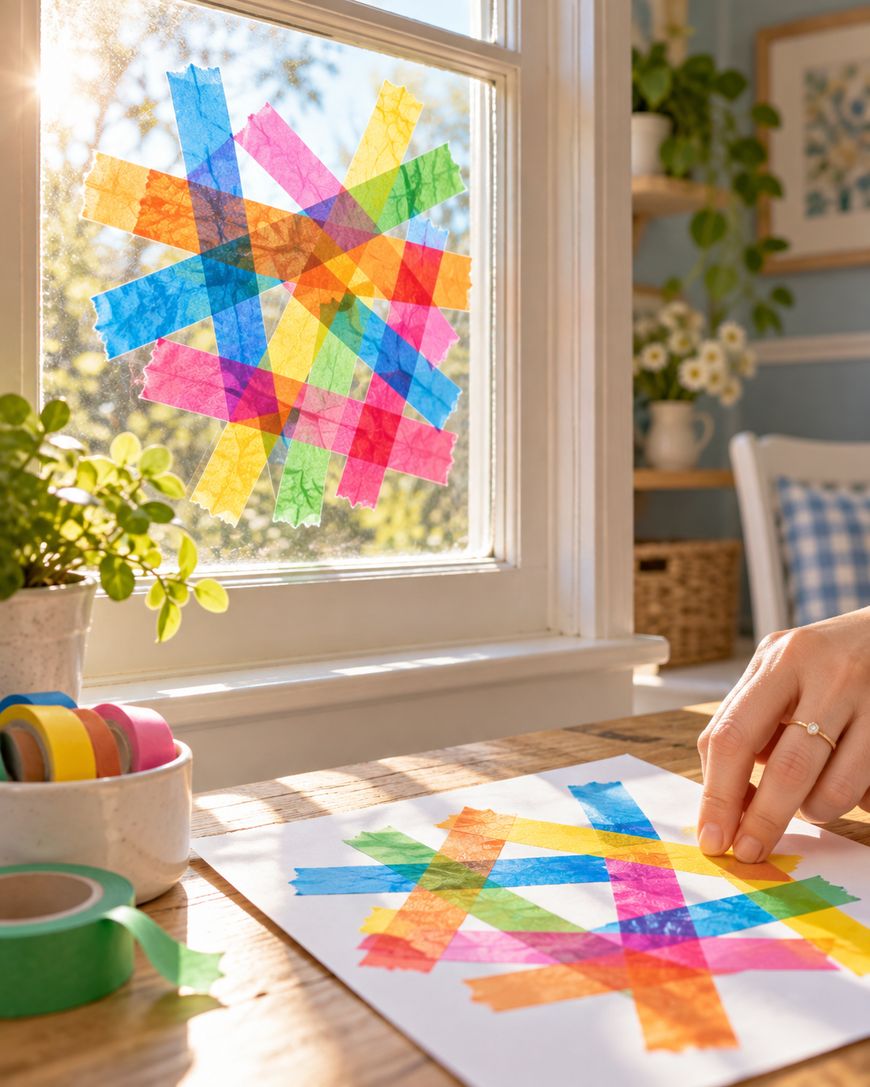
Painter’s tape art lets toddlers create without any paint at all. Stick strips of tape onto paper or a window, then let your child peel, press, and rearrange them.
Because these toddler crafts require so little prep, you can pull one out on short notice. Rotate the materials every few days so the activities feel fresh.
Seasonal Toddler Crafts Through the Year
Seasons give you easy themes, and toddlers enjoy noticing the changes around them. A quick walk outside can supply both the inspiration and some of the materials.
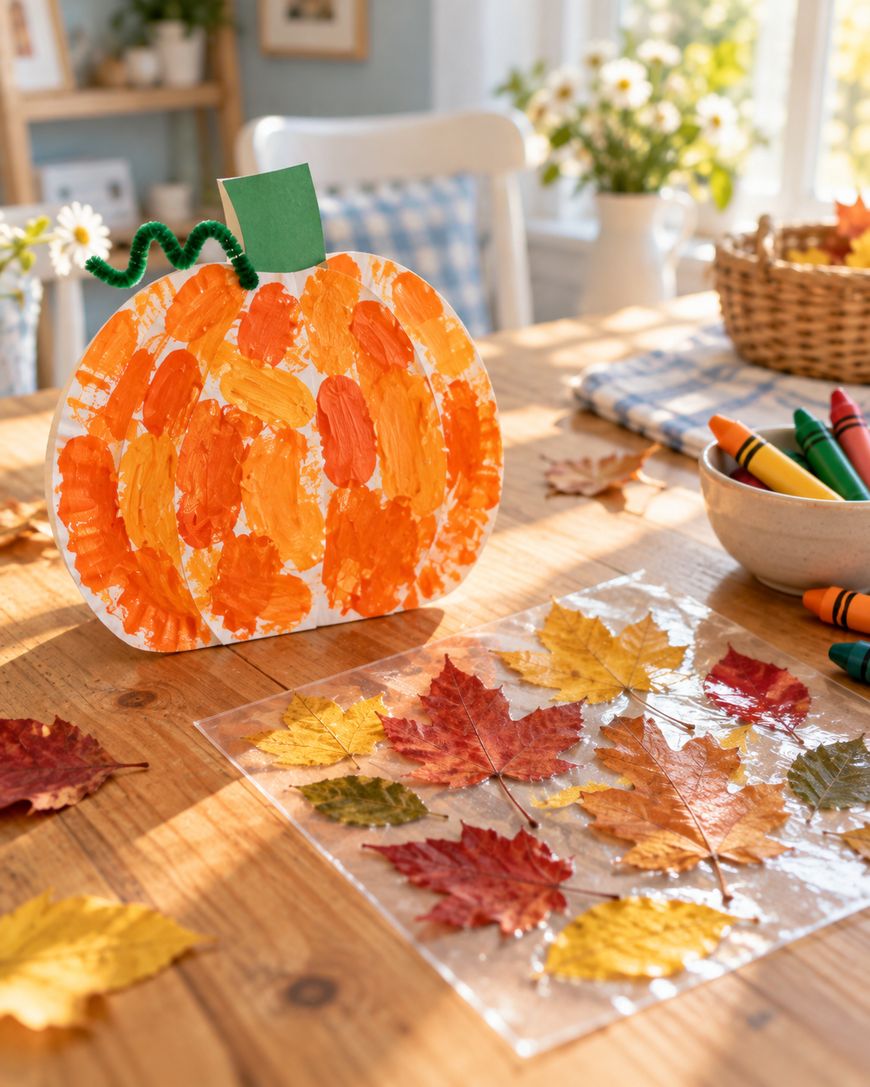
In fall, try pressing leaves between sheets of clear contact paper to make a window hanger. You can also paint a paper pumpkin shape with orange finger paint and add a green construction paper stem.
In winter, make snowy scenes by gluing large white paper scraps onto blue paper. Dabbing white paint with a sponge also makes soft, fluffy snowflakes.
In spring, a flower craft is a natural choice. Stamp a handprint in pink or yellow paint, add a green stem with a marker, and glue the flower onto a card for a grandparent.
In summer, take the painting outside. Large sheets of paper taped to a fence and a bucket of sponges give toddlers plenty of room to explore without worrying about your floors.
Seasonal toddler crafts also build vocabulary. Name the colors, the weather, and the shapes as you go, and your child will quietly pick up new words.
Setting Up Toddler Crafts for Success
A little preparation keeps craft time relaxed. The goal is a setup that lets your child dive in while you stay calm.
Choose the Right Space
A high chair, a booster seat at a low table, or a floor covered with an old shower curtain all work well. Pick a spot near a sink if you can.
Dress your toddler in clothes you do not mind staining, or use an old oversized shirt as a smock.
Offer Just a Few Supplies
Too many choices can overwhelm a small child. Set out only the materials needed for one project and keep everything else out of sight.
Pour paint into shallow dishes with a wide base so they are hard to tip, and offer one tool at a time.
Follow Your Child’s Lead
Some toddlers will paint for a long stretch and others will lose interest quickly. Both are normal.
If your child wants to mix all the colors into brown, let them. Letting go of the outcome is the secret to enjoying toddler crafts together.
Plan for Cleanup
Keep a stack of damp cloths nearby and make cleanup part of the activity. Toddlers often love wiping the table.
Store supplies in a clear bin on a high shelf so you can grab them quickly the next time.
Safety Basics for Toddler Crafts
Safety deserves a place in every craft plan, since toddlers explore the world with their mouths. Stay within arm’s reach and watch your child the whole time they are working with art supplies.
The U.S. Consumer Product Safety Commission and the American Academy of Pediatrics both warn that small objects are choking hazards for young children. That means buttons, googly eyes, beads, pom-poms, and similar tiny items are best saved for older kids.
Look for art materials labeled non-toxic, such as products that carry the Art and Creative Materials Institute seal, which indicates the product was evaluated under the ASTM D-4236 standard. Even non-toxic products are not meant to be eaten, so taste-safe homemade options can be a good choice for the youngest crafters.
Check the label on every product for the age it was designed for, and follow the manufacturer’s directions. If your child swallows something that worries you, contact Poison Control or your pediatrician right away.
Skip small parts, hot glue, and anything sharp for this age group. Plenty of satisfying toddler crafts need nothing more than paper, washable paint, and big crayons.
Why Toddler Crafts Matter
Craft time looks like play, and that is exactly the point. Squeezing, tearing, and pressing builds the small muscles in your child’s hands that will later help with writing and self-feeding.
Crafting also gives toddlers a safe way to make choices and see results. Choosing a color or deciding where a sticker goes helps them feel capable.
It is also a wonderful way to connect. Sitting side by side with paint and paper gives you a quiet moment to talk, sing, and laugh together.
Toddler Crafts Questions Answered
What age can toddlers start doing crafts?
Most children can begin simple sensory art, such as finger painting or scribbling with jumbo crayons, once they are comfortable sitting and exploring objects. Every child develops at a different pace, so follow your toddler’s cues and check with your pediatrician if you have questions about what is right for your child.
How can you keep toddler crafts from getting too messy?
Start with a protected surface, a smock, and a damp cloth within reach. Offering a small amount of paint at a time also helps, because less material means less to spill.
What if my toddler tries to eat the supplies?
Stay close and choose materials labeled non-toxic and made for young children. Taste-safe homemade paints and doughs are a good fit for kids who put everything in their mouths, and you can steer them back to the activity gently.
How long should a craft activity last?
There is no set time, since toddler attention spans vary widely from day to day. Let your child decide when they are finished and avoid pushing them to complete a project.
Do toddler crafts need to look good?
Not at all. The value of toddler crafts is in the exploring, so a page covered in scribbles is just as meaningful as a neat handprint.
Start Your Toddler Crafts Today
You do not need a fancy kit to enjoy toddler crafts with your little one. A sheet of paper, some washable paint, and a few minutes together are plenty.
Pick one idea from this list, gather your supplies, and let your child take the lead. Then hang the results on the fridge and enjoy the memories.

Leave a Reply