Last updated: October 15, 2026
Planning a daycare curriculum does not have to mean stacks of worksheets or a calendar you dread opening. In this guide, you get a clear framework you can start using this week, from themes to daily routines to activity ideas.
We walk through each part in order so you can plan faster and spend more of your day enjoying the children.
Build Your Daycare Curriculum Around a Weekly Theme
A weekly theme gives every part of the day a shared thread. When the books, songs, crafts, and snacks all circle the same topic, children hear new words again and again without feeling drilled.

Pick themes that children already care about, such as animals, weather, farms, community helpers, or the seasons. These topics are easy to find books for, and they connect to things children notice in their own lives.
Start With One Big Question
Each theme works best when it begins with a simple question, like “Where do animals sleep?” or “What happens when it rains?” Say the question at circle time on Monday and keep returning to it all week.
Children love to guess, and there are no wrong answers at this stage. Their guesses tell you what they already know and what they are curious about.
Plan Five Small Activities, Not Twenty Big Ones
For each theme, choose one story, one song, one art project, one sensory activity, and one movement game. That covers the main learning areas without overloading your week.
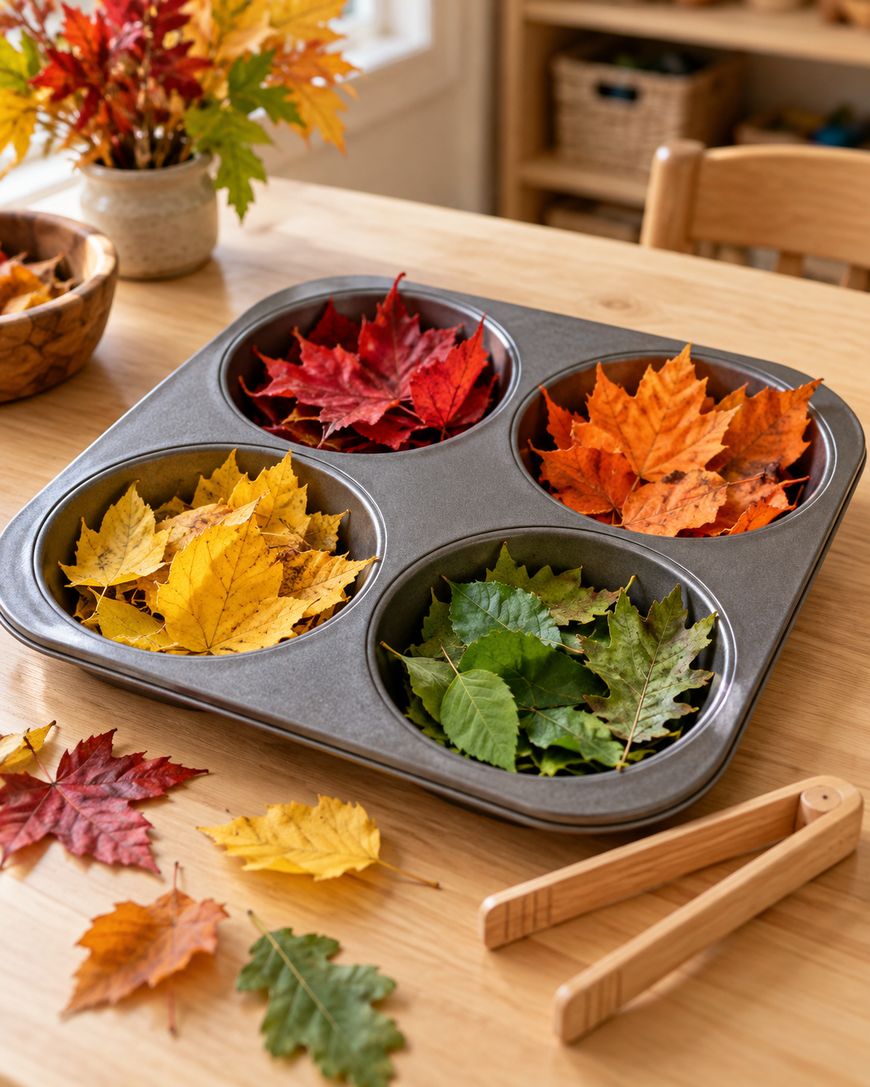
You can repeat favorite activities across several themes with small twists. A color sorting tray can hold leaves in fall and flowers in spring, so you prep once and use it often.
Set a Daily Rhythm That Children Can Count On
A good daycare curriculum is more than a list of activities. It is also the order those activities happen in, because children feel calmer when they can predict what comes next.

Think in terms of a rhythm rather than a strict schedule. Active play follows quiet play, group time follows free choice, and meals and rest happen at steady times each day.
Open the Day With a Welcome Circle
Start with a short gathering that includes a hello song, a quick look at the weather, and the theme question. Keep it brief so children stay engaged.

A visual schedule made from simple picture cards helps even the youngest children see what is coming. Point to each card as you move through the day.
Use Songs to Make Transitions Smoother
Transitions are where many daycare days get bumpy. A cleanup song or a goodbye-to-outside chant turns a sudden change into something familiar and even fun.
Choose one song per transition and keep using it. Children learn the cue quickly, and you will find yourself repeating instructions far less often.
Daycare Curriculum Activities for Language and Early Literacy
Language is the foundation of nearly everything else children learn. Daily reading, singing, and talking do more than any fancy kit, and they cost almost nothing.

Read the same theme book more than once during the week. Repetition helps children notice new words, predict what happens, and begin to join in.
Story Time That Gets Children Talking
Pause during a story and ask open questions, such as “What do you think the bear will do next?” Give children a moment to think before you fill in the silence.
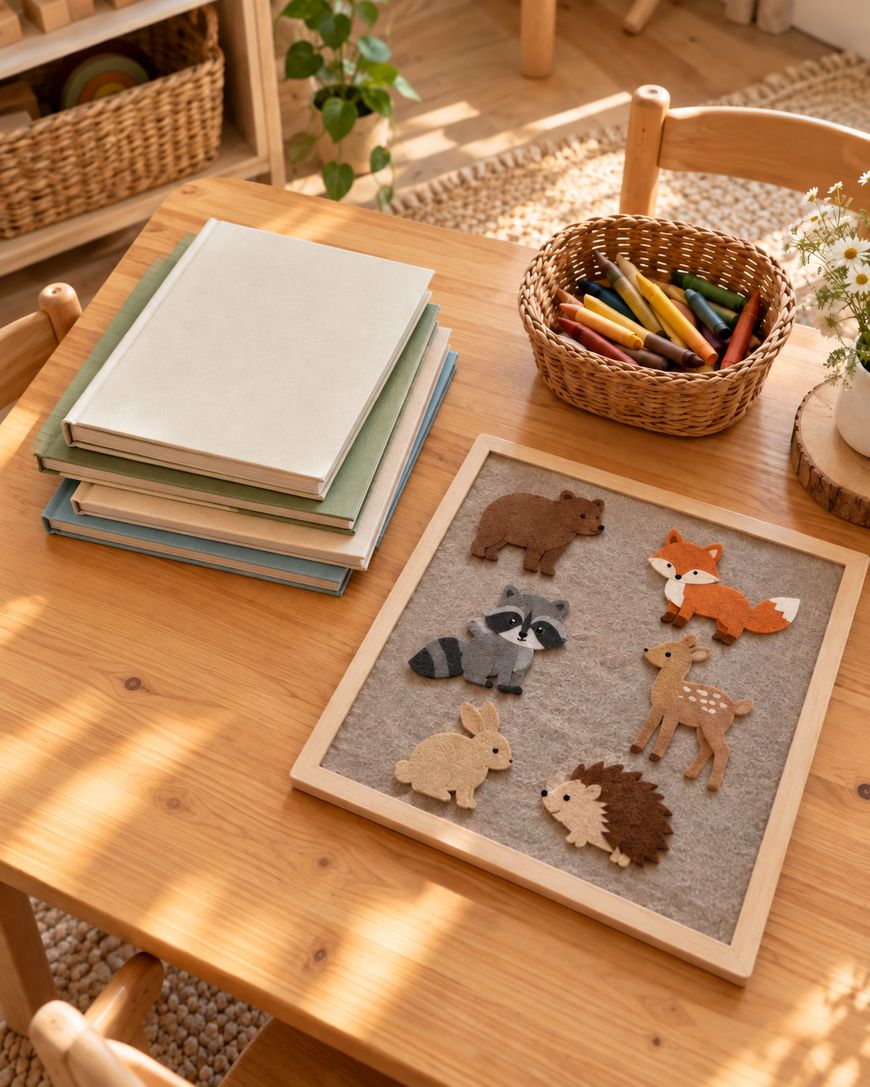
Props make stories come alive too. A felt board or a few puppets let children retell the tale in their own words, which builds both vocabulary and confidence.
Early Writing Starts With Hands, Not Pencils
Before children write letters, their hands need plenty of practice with squeezing, pinching, and pouring. Play dough, tweezers with pom poms, and chunky crayons all build those small muscles.
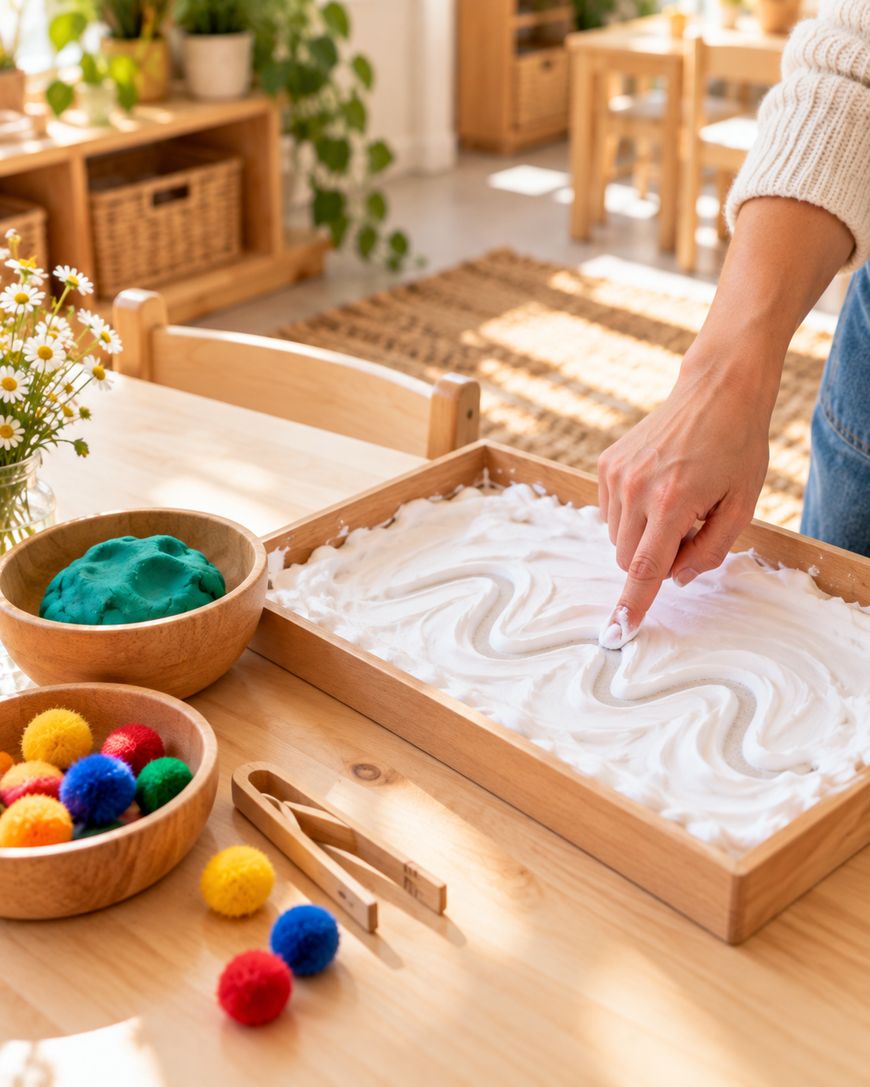
You can also set out a tray of shaving cream or sand for finger tracing. Children practice lines and curves without the pressure of getting a letter right.
Hands-On Math and Science Play
Math and science for young children look a lot like playing. Counting snack pieces, sorting blocks, and watching ice melt all count as real learning.
The key is to talk while children explore. Words like more, fewer, heavy, light, big, and small turn ordinary play into early math and science vocabulary.
Everyday Math Moments
Build math into routines you already have. Count how many children are at the table, line up shoes from smallest to biggest, or sort cleanup items by color.
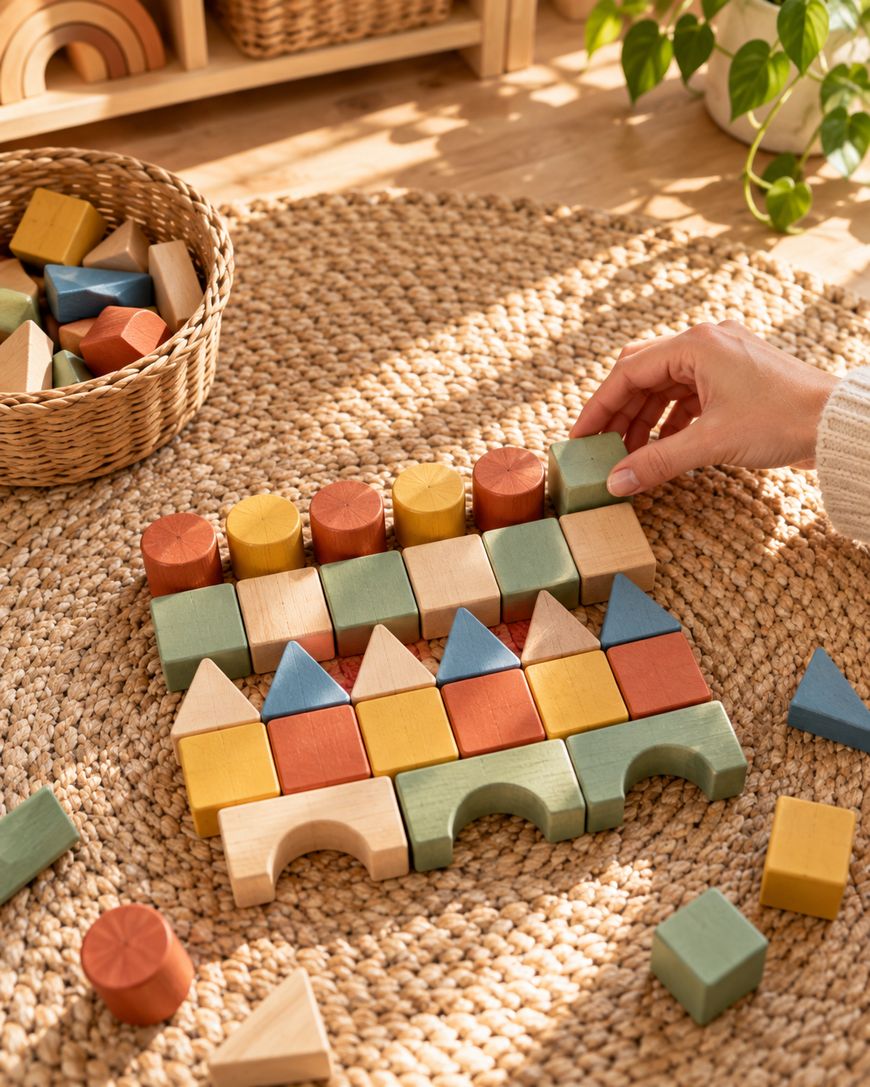
Pattern play with colored blocks or beads is another easy win. Start an alternating pattern and ask a child to continue it.
Simple Science Discoveries
A water table with cups, funnels, and things that sink or float invites endless experiments. Ask what children notice and let them test their own ideas.
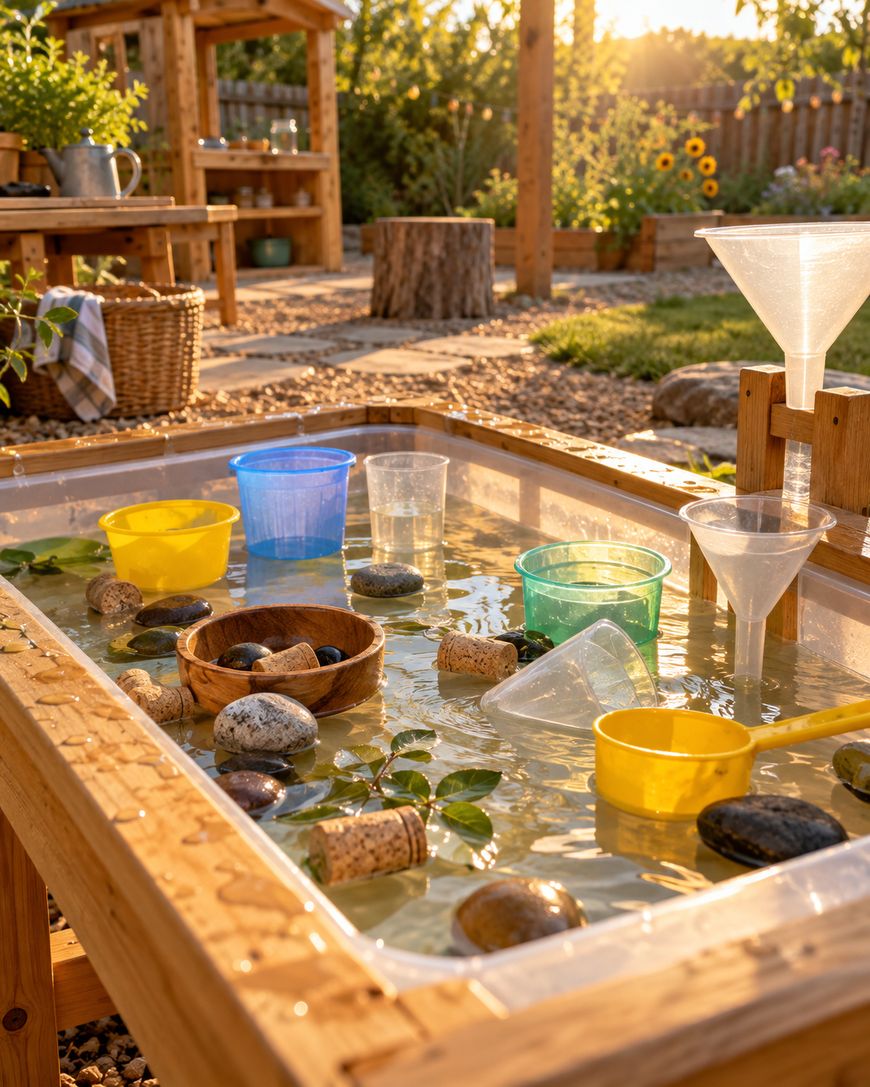
Nature walks are just as valuable. Collect leaves, rocks, and sticks, then sort and talk about them back inside.
Art, Music, and Movement for Your Daycare Curriculum
Creative time is where children express ideas they cannot yet put into words. It also gives busy minds a chance to slow down and focus.

Focus on the process rather than a perfect result. When every child makes something different, you know they are using their own imagination.
Process Art Ideas
Offer open-ended materials like paper, paint, glue, and natural objects, and let children decide what to make. Skip the pre-cut templates so each piece is truly theirs.
Use washable paints and large sheets of paper so children can experiment freely. Display the finished work at their eye level to show how much you value it.
Music and Movement Breaks
A few minutes of dancing, scarf waving, or freeze games helps children release energy between quiet activities. Instrument shakers made from sealed containers are a fun addition, as long as you check that lids stay firmly closed.
Movement songs also build coordination and listening skills. Let children take turns choosing the next song.
Sensory and Outdoor Play
Sensory play lets children learn through touch, sound, and sight. It also supports calm, focused play, which makes it a great fit after a lively morning.

Always supervise closely, and choose materials that suit the children in your care. Keep small parts away from any child who still puts objects in their mouth.
Sensory Bins Made Simple
A sensory bin can be as basic as a tub of dry oats with scoops and cups. Swap the contents to match your weekly theme, such as rice and toy animals for a farm week.
Place a large mat or sheet under the bin so cleanup stays quick. Children enjoy helping sweep up when it becomes part of the game.
Take the Curriculum Outside
Fresh air belongs in every daycare curriculum, even for a short time on cooler days. Outdoor play builds strength, balance, and a sense of adventure.
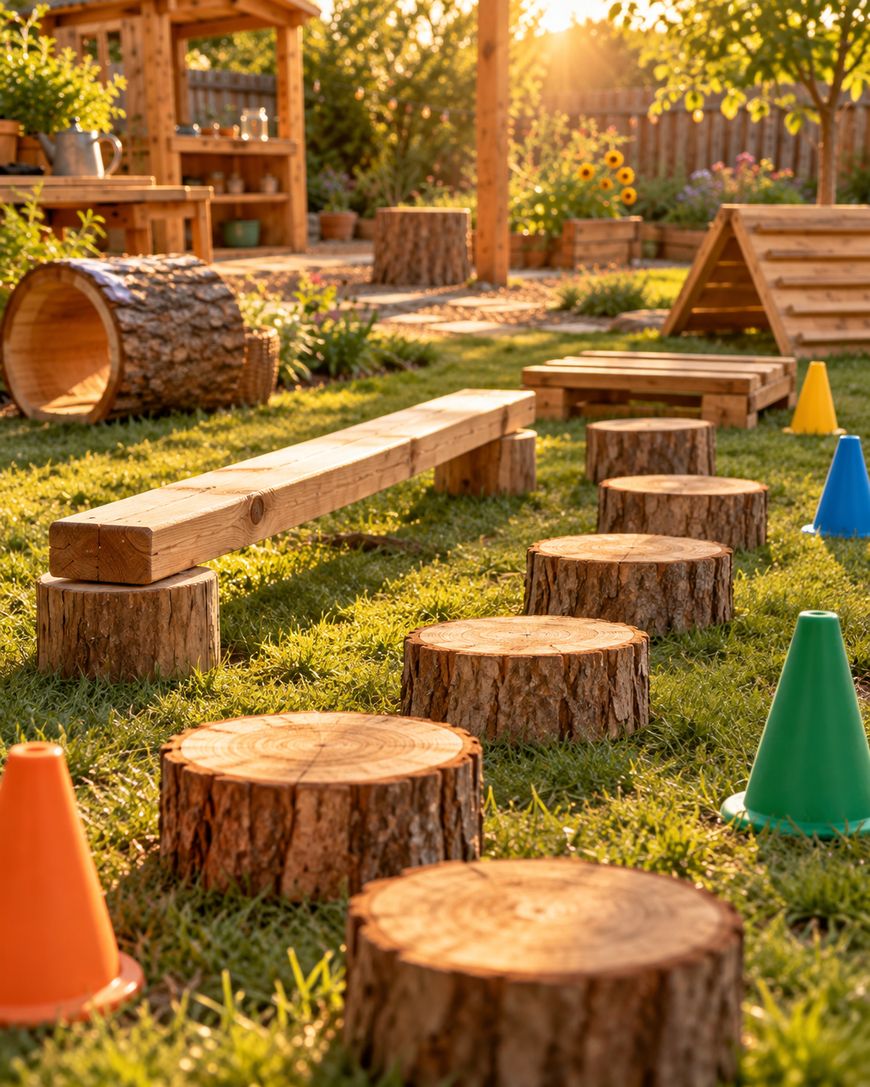
Bring your theme outdoors with chalk drawings, a bug hunt, or a simple obstacle course. A little planning turns playground time into a learning time.
Why a Written Daycare Curriculum Matters
Having your plan on paper keeps you consistent, even on days when everything feels hectic. It also makes it easier to share what children are learning with families.
Many programs find that a short weekly plan posted by the door sparks great conversations at pickup. Parents can then ask their children about the farm song or the rainy day experiment.
Requirements for curriculum documentation differ by state and by type of program. Check with your state or local child care licensing agency so you know what applies to you.
A written plan also helps when a substitute or new team member steps in. They can see the theme, the daily rhythm, and the activities at a glance, so the day runs smoothly for the children.
Looking back over past plans is useful too. A simple notes column beside each activity lets you jot down what worked, what flopped, and what children asked to do again.
Frequently Asked Questions About Daycare Curriculum
What is a daycare curriculum?
A daycare curriculum is a plan for the activities, routines, and learning goals in your program. It usually covers language, math, science, art, music, movement, and social skills.
Do you have to buy a packaged curriculum?
No, many providers create their own plans using themes, books, and simple materials. A purchased program can save planning time, but it is not the only path.
How do you plan for children of different ages in one room?
Offer the same theme with activities at different levels. Younger children might explore a sensory bin while older ones sort, count, or retell a story about the same topic.
How much structure do young children need?
Children do best with a predictable rhythm and plenty of time for free play. Keep group activities short and flexible, and follow the children’s interest when something clicks.
How often should you change your themes?
Many providers rotate themes weekly, but you can stretch a popular topic longer. Watch the children, and move on when their excitement fades.
Start Your Daycare Curriculum This Week
You now have everything you need to build a daycare curriculum that feels playful and organized at the same time. Choose one theme, plan five small activities, and set a steady daily rhythm.
Print your plan, post it where families can see it, and adjust as you learn what your children love most. Small, consistent steps are what turn a simple plan into a joyful day.
Come back to your plan at the end of each week and note which activities earned the biggest smiles. Over time, you build a library of favorites that makes planning faster and teaching more fun.



Leave a Reply