Last updated: August 30, 2026
These school project ideas are simple, doable project concepts you can finish for a class grade, and the default approach is to pick one that matches your subject, uses materials you already have, and can be explained in 3–5 minutes plus a short poster or slideshow. The easiest win is choosing a project that creates something visible (a model, experiment result, or mini-presentation) and includes a clear conclusion.
School Project Ideas That Are Easy To Start And Easy To Present
1. Build A Water Filter Prototype
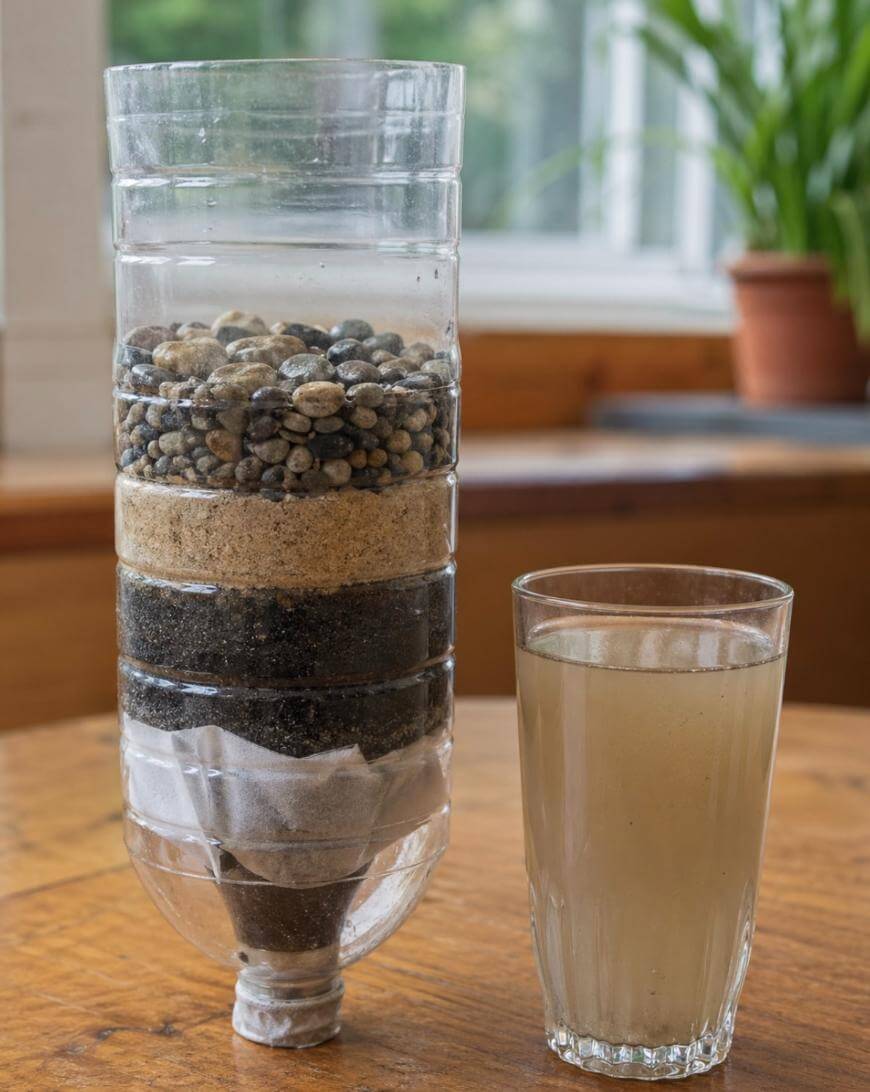
You make a basic filter using a bottle, gravel, sand, and coffee filters, then test how clear the water becomes.
Upgrade it by measuring before-and-after clarity with a flashlight test or a simple “read text through the jar” rating scale.
2. Test Which Paper Towel Brand Absorbs The Most
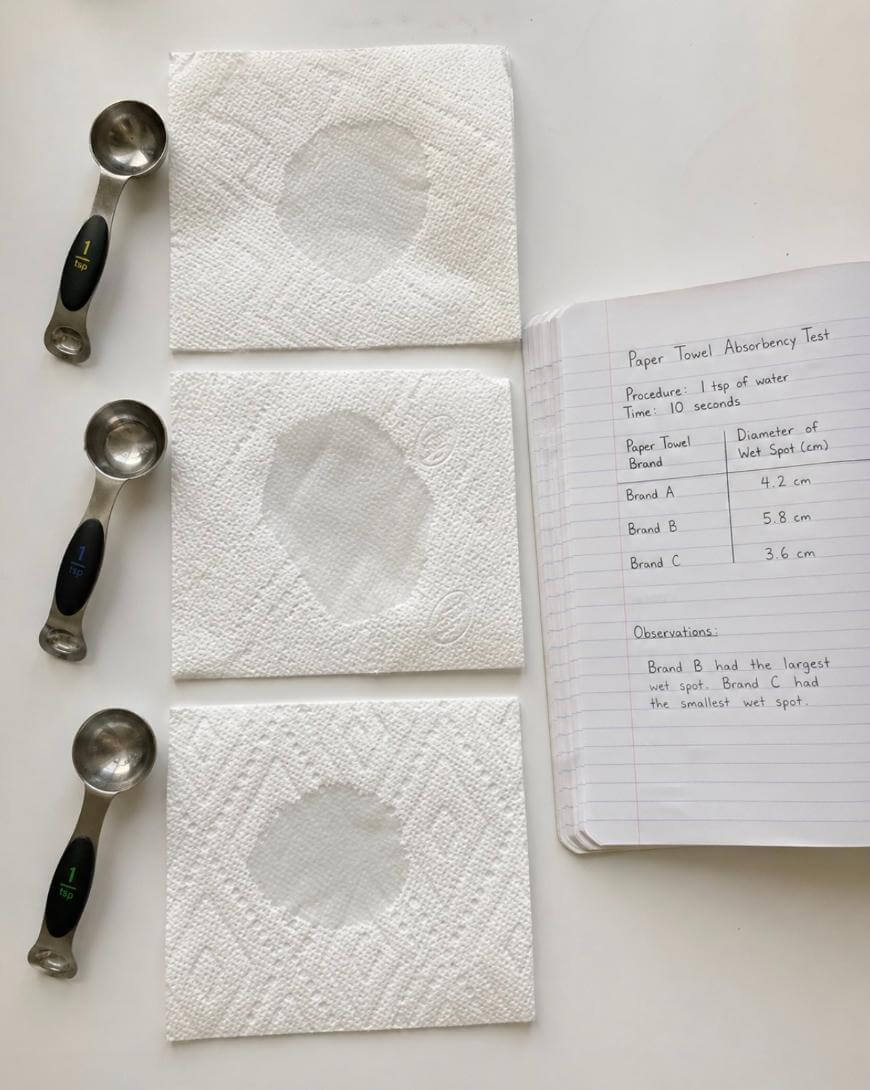
You measure how many teaspoons of water each brand can absorb before dripping.
Add a fairness rule like same sheet size (for example, 10 cm x 10 cm) and repeat each test 3 times.
3. Create A Mini Biome In A Jar
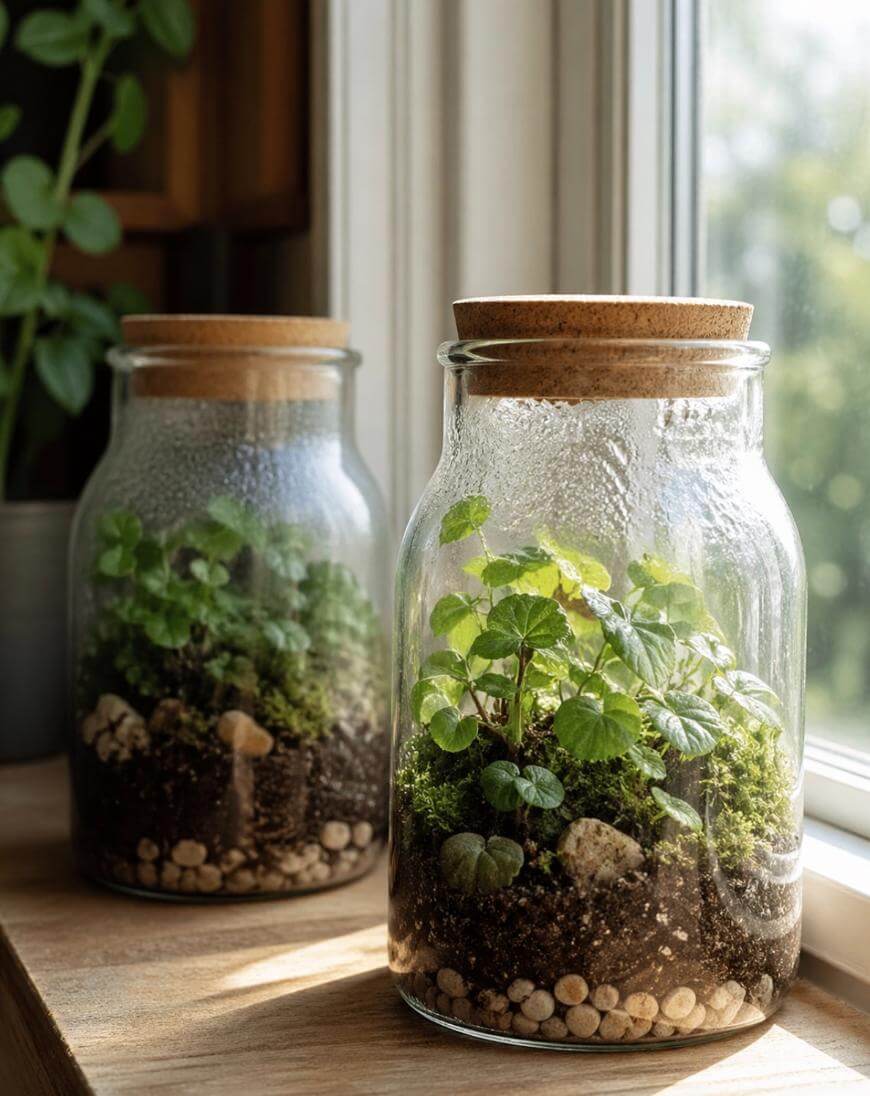
You build a sealed or semi-sealed terrarium and track condensation, plant growth, and mold risk over 14 days.
A strong twist is comparing two jars: one near sunlight and one in indirect light.
4. Compare Homemade Battery Types
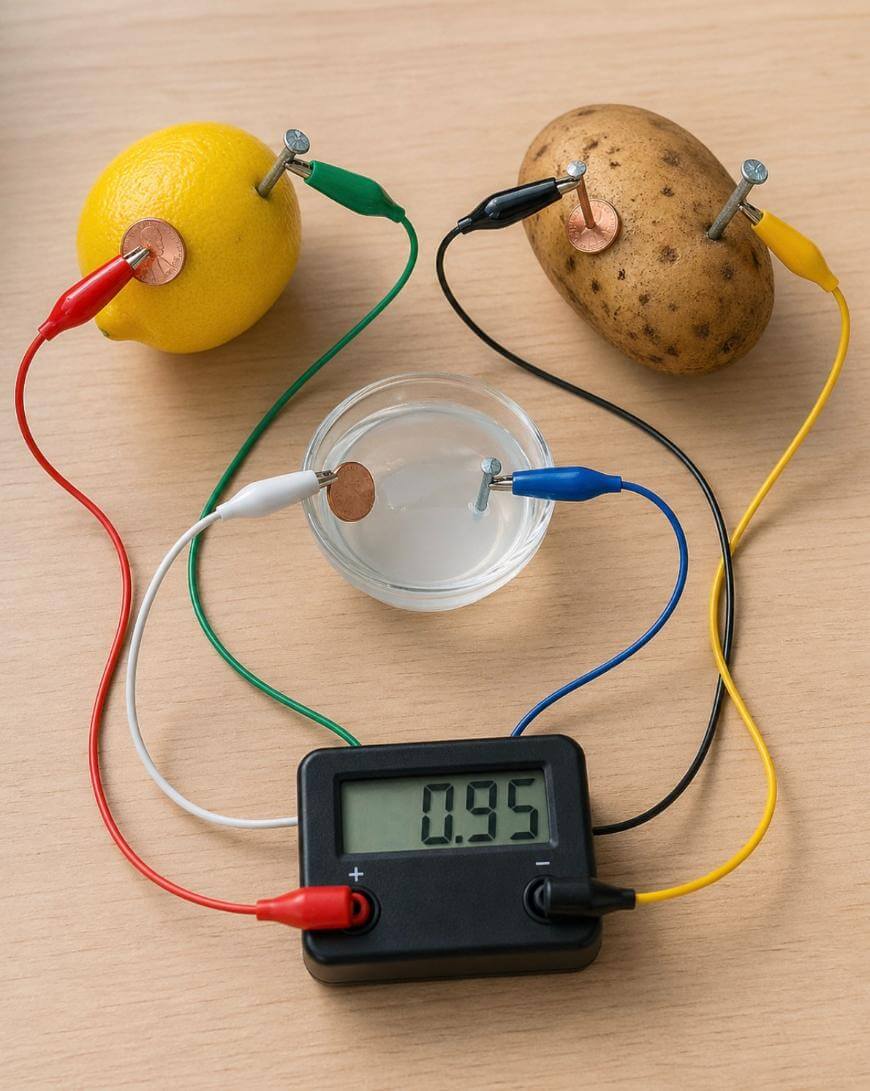
You test voltage from lemon, potato, or saltwater batteries using the same type of nail and copper coin.
Make it better by charting results across 5 trials and explaining why acidity or ions affect output.
5. Study Memory Using Flashcards Versus Re-Reading
You learn 20 vocab words using two methods, then quiz yourself after 10 minutes and again after 24 hours.
A solid upgrade is using a friend as a tester so your results are not just based on your own habits.

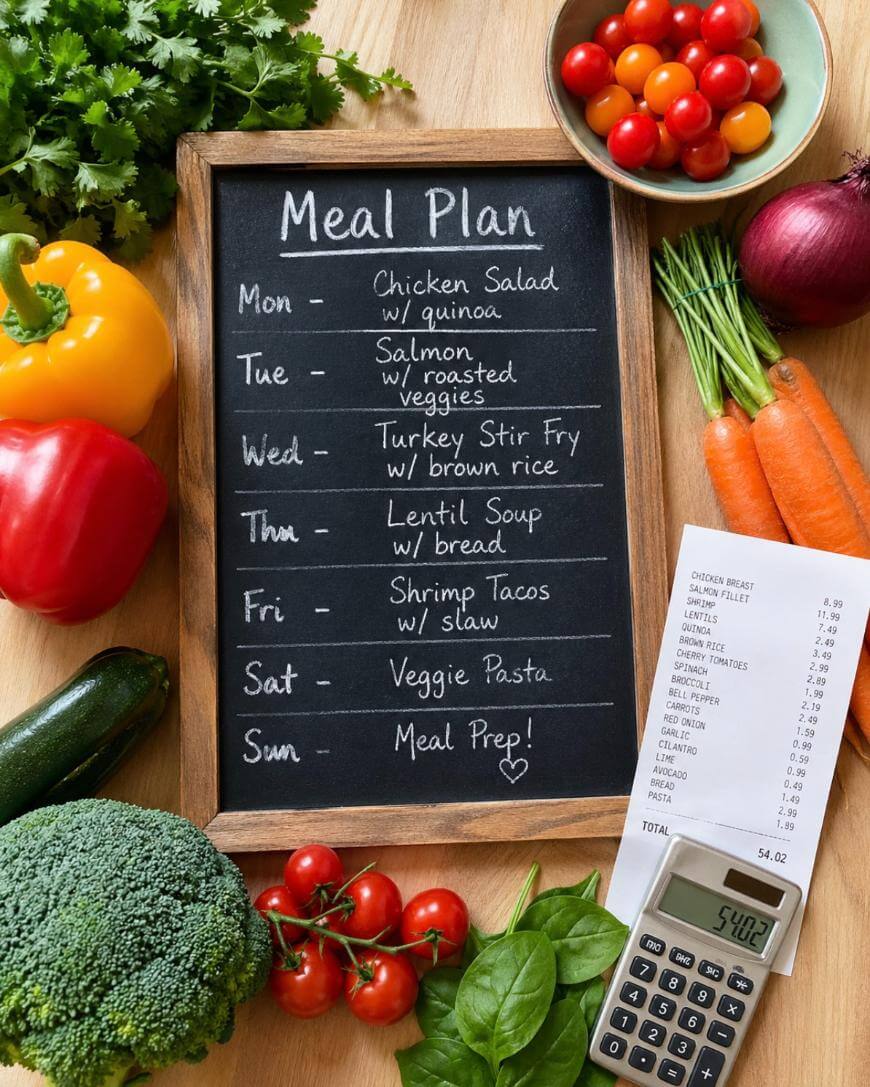
6. Design A Budget Meal Plan For A Week
You create a weekly plan that hits a target budget like $35–$60 and includes protein, vegetables, and snacks.
Make it stronger by adding cost per serving and showing one grocery receipt example.
7. Build A Simple Catapult And Test Distance
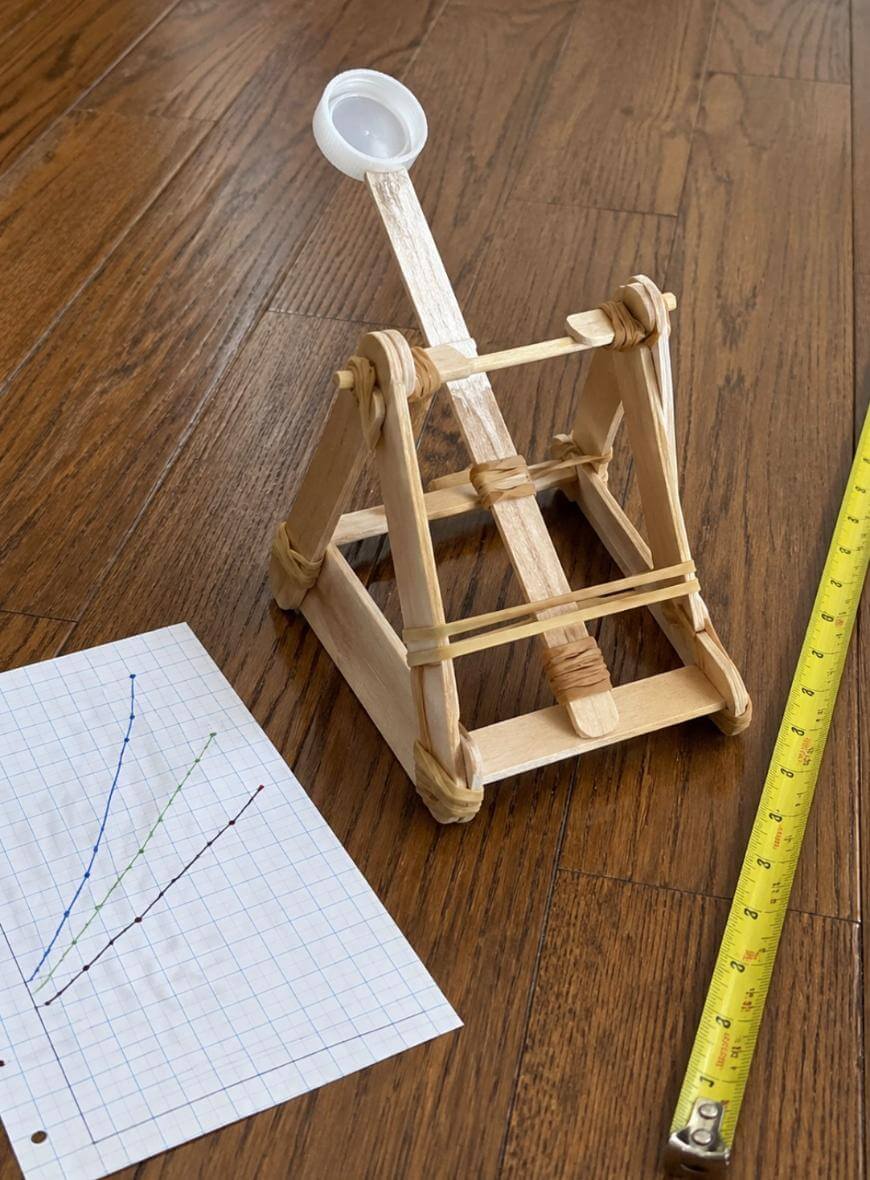
You use popsicle sticks and rubber bands, then test how launch angle changes distance.
Add a clear data table and pick one variable to change (angle only, or spoon position only).
8. Make A Timeline Of A Key Historical Event With “Cause And Effect” Labels
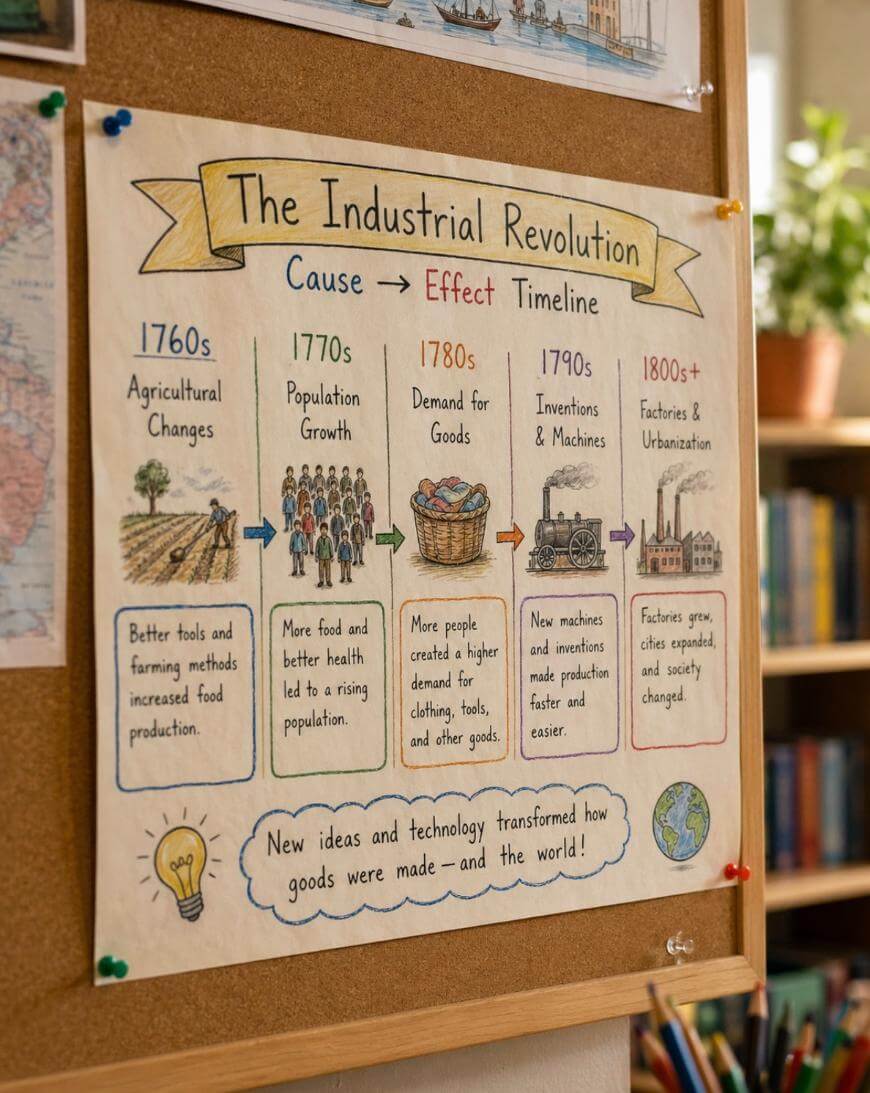
You choose one event and label each point as a cause, turning point, or effect.
To level it up, include 3 primary-source quotes (short ones) and explain what each quote shows.
9. Create A “Math In Real Life” Project Using Receipts
You collect 5 receipts and calculate tax, discounts, and unit prices to prove where math shows up daily.
An upgrade is adding a “best value” comparison and explaining your decision rule.
10. Test Which Music Helps You Focus
You do a 10-minute homework-like task with silence, instrumental music, and lyrical music, then record accuracy and speed.
Make it more convincing by repeating it across 3 different days and averaging the results.
11. Model Plate Tectonics With Crackable “Earth Crust”
You use a thin layer like dried clay or frosting on a flexible surface to show rifting, subduction, and collision.
Add labels and a short script explaining each boundary type in 1–2 sentences.
12. Create A Survey Project About Sleep And Grades
You survey classmates on sleep hours and self-reported grade range, then graph results.
Make it stronger by including a privacy note and using a simple correlation explanation.
13. Build A DIY Weather Station
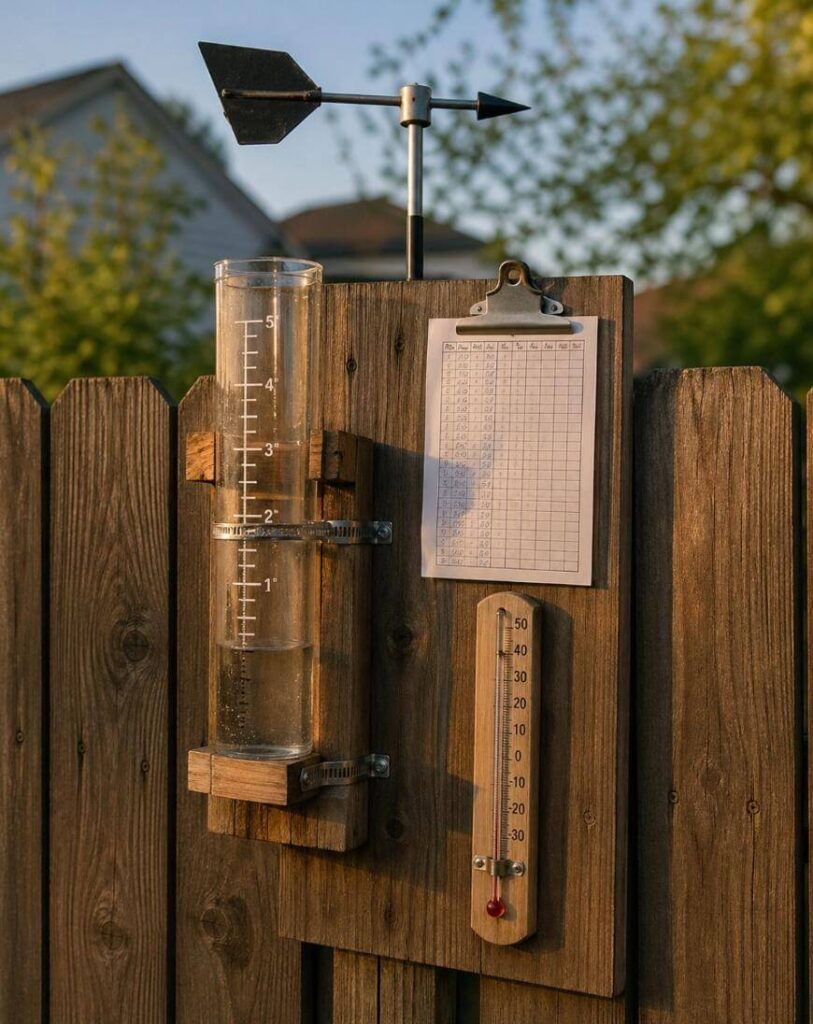
You create a rain gauge, wind vane, and thermometer log, then record data for 7 days.
Upgrade it by comparing your results to an official local forecast and noting differences.
14. Make A Short Documentary Video On A Local Issue
You pick something school-safe like litter, traffic, or recycling and film interviews or observations.
Add credibility by including 3 facts with sources and showing a “before and after” comparison.
15. Test Plant Growth With Different Liquids
You water identical seedlings with water, diluted sports drink, and diluted soda (carefully), then track growth.
A safer and cleaner upgrade is comparing water vs. saltwater vs. sugar-water at very small measured amounts.
16. Create A Board Game That Teaches A Topic
You design rules that force players to practice facts, vocab, or math to move forward.
Make it impressive by including a one-page “teacher guide” explaining what skills the game teaches.
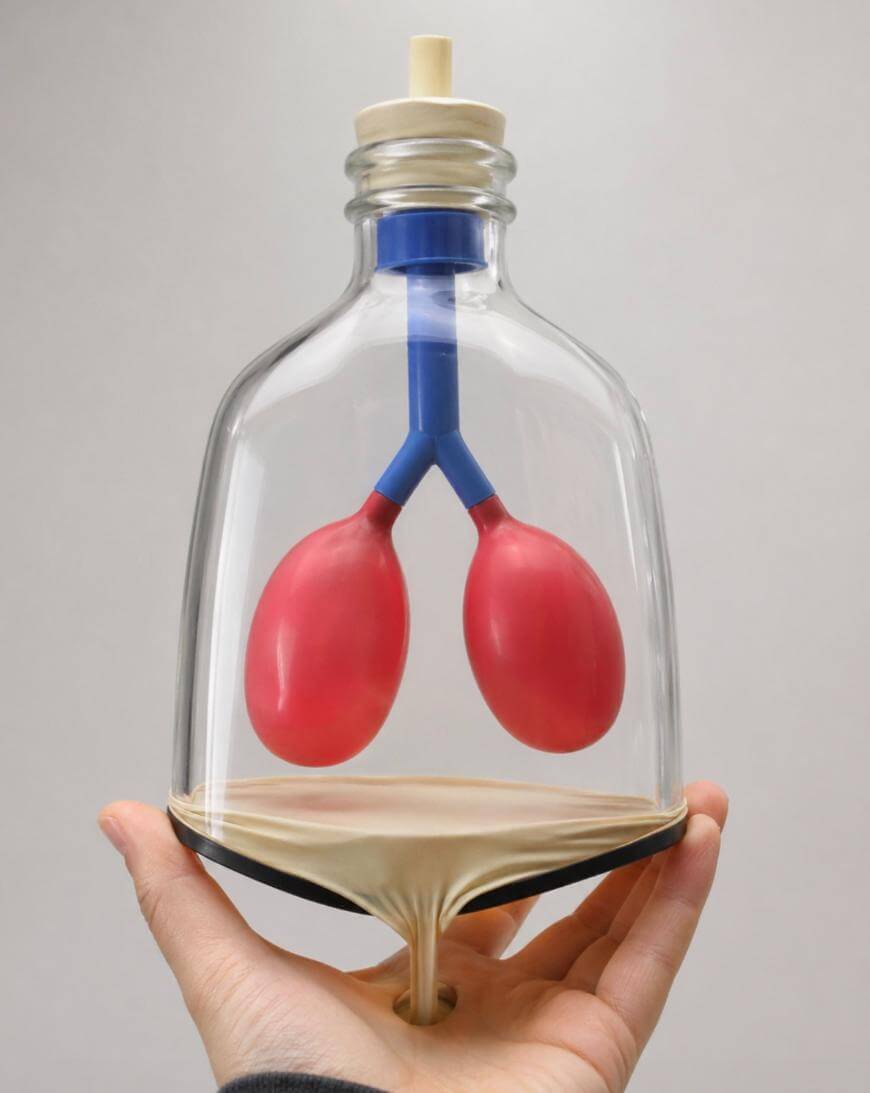
17. Build A Model Of The Human Lung Using Balloons
You make a bottle-and-balloons lung model to demonstrate how the diaphragm changes pressure.
Upgrade it by writing a short explanation of why the balloons inflate when volume changes.
18. Compare Insulation Materials For Heat Loss
You wrap cups with different materials (foil, fabric, paper), pour warm water, and measure temperature drop over 30 minutes.
Make it clean by using the same starting temperature and measuring every 5 minutes.
19. Create A “Choose Your Own Adventure” Story For English Class
You write branching story paths where each choice leads to a new scene, then ask classmates to test it.
A strong upgrade is adding theme or character motivation notes to show literary understanding.
20. Design A Poster Explaining A Science Myth
You pick a myth like “humans only use 10% of their brain” and explain what’s true and what’s false.
Make it better by including 3 simple “proof points” and keeping each one easy to repeat aloud.
21. Make A Simple App Or Website Mockup
You sketch a useful app idea and design 5 screens showing how it works, even if you don’t code.
Upgrade it by adding a user story like “a student wants to track homework in under 30 seconds.”
22. Build A Bridge Out Of Straws And Test Strength
You build the same bridge style using different shapes (triangles vs. squares) and measure how much weight it holds.
Make it more scientific by changing only one thing at a time: shape, number of straws, or glue type.
23. Create A Mini Museum Exhibit Box
You choose a topic and build a shoebox exhibit with labeled “artifacts” and a short curator script.
Upgrade it by adding a QR code link to a one-minute audio guide you record.
24. Test How Screen Brightness Affects Battery Life
You run the same video or app at 25%, 50%, and 100% brightness and time battery drop.
Make it fair by using airplane mode and the same app activity each run.
25. Build A Recycling Audit For Your Home Or Classroom
You track what gets thrown away for 3 days, categorize it, and propose a better system.
Upgrade it by designing a new bin label set and predicting a realistic reduction like 10–25%.
How To Choose The Best One Fast
Match Your Project To Your Presentation Time
If you only have 3 minutes, choose a simple test with one variable and one graph.
If you have 5–8 minutes, pick something with comparison groups and a clear conclusion.
Pick A Project With A Built-In Visual
A model, chart, or physical result makes your grade stronger because it’s easier to understand quickly.
A good rule is “one table + one graph + one photo” for a clean, complete presentation.
Use A Simple Testing Structure
Choose one question, one hypothesis, one variable to change, and one thing you measure.
Most strong projects can be done with 3 trials per condition and an average.
Common Mistakes To Avoid
Changing Too Many Variables At Once
If you change two things, you won’t know what caused the result.
Keep it simple by changing only one factor and keeping everything else the same.
Forgetting Repeats And Averages
One test can be a fluke, so your results look weak without repeats.
Do 3 trials minimum and report the average so your conclusion sounds confident.
Key Takeaways
Pick a project you can explain in 3–5 minutes with one clear conclusion.
Choose one variable to change and measure one main outcome.
Run at least 3 trials per condition and average the results.
Use one chart or graph to make your results easy to understand.
A visible model or demo usually improves your presentation grade.
Keep materials simple and focus on clarity over complexity.
FAQ
What If I Only Have One Weekend?
Choose a project that can be tested in 1–3 hours, like absorption, insulation, or a quick survey.
Spend the rest of the time making a clean chart and writing a short conclusion.
What If My School Does Not Allow Chemicals Or Food Tests?
Pick a non-messy project like a board game, timeline, app mockup, or recycling audit.
These still score well if you include clear rules, data, or labeled visuals.
How Do I Make A “Simple” Project Look Advanced?
Add 3 trials, an average, and one clear graph, then explain what the data means in one sentence.
A neat layout and confident conclusion often matter more than a complicated setup.
What Should I Do If My Results Are Weird Or Inconclusive?
Report the results honestly and explain one likely reason, like measurement error or uncontrolled variables.
Then suggest one fix you would try next time, such as a bigger sample size or tighter controls.



Leave a Reply