Last updated: June 29, 2026
If you’re dreaming of turning your classroom into an underwater world, you’ve come to the right place. This guide walks you through every detail of setting up an under the sea classroom theme, from wall decor to reading corners, so you can dive in with confidence. You’ll find practical ideas you can actually use, whether you’re working with a big budget or a small one.
Choosing Your Color Palette for an Ocean Classroom
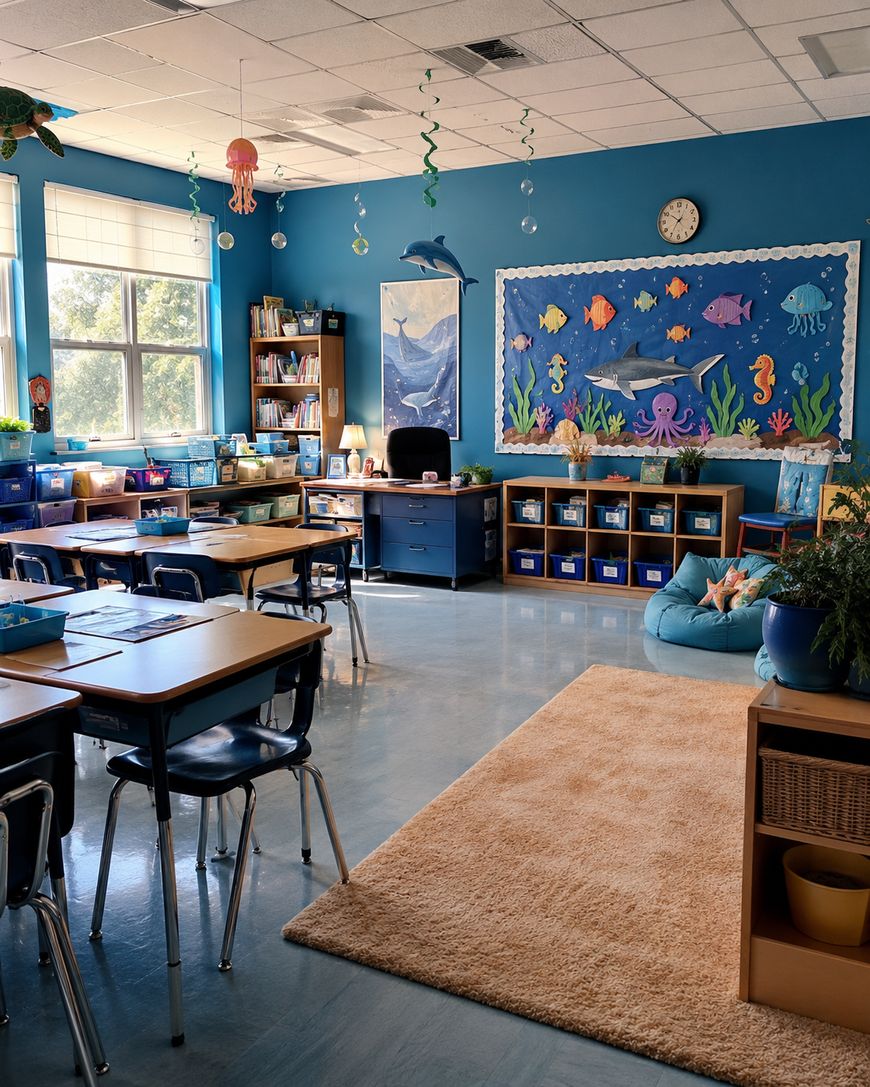
The foundation of any great under the sea classroom theme is a well-chosen color palette. You want colors that feel watery and calm without making the room too dark or overwhelming.
A classic combination is deep ocean blue paired with seafoam green, sandy beige, and pops of coral or orange for contrast. This palette works on walls, bulletin boards, borders, furniture accents, and student supply bins. If your school walls are neutral or white, you can introduce color almost entirely through your bulletin boards, rugs, and decor accessories.
When shopping for classroom supplies, look for solid-colored items in your chosen palette rather than items with competing patterns. A teal storage bin, a sandy-toned rug, and coral-colored name tags will all read as cohesive even if they came from different stores. Keep your pattern use intentional, saving busy prints for accent pieces like border trim or a single anchor point like your reading nook.
Bulletin Board Ideas for Your Under the Sea Classroom Theme
Bulletin boards are the workhorses of any themed classroom, and for an under the sea classroom theme they’re an opportunity to build a stunning visual focal point. The good news is that ocean boards are incredibly forgiving because even imperfect waves and hand-cut fish shapes look charming.
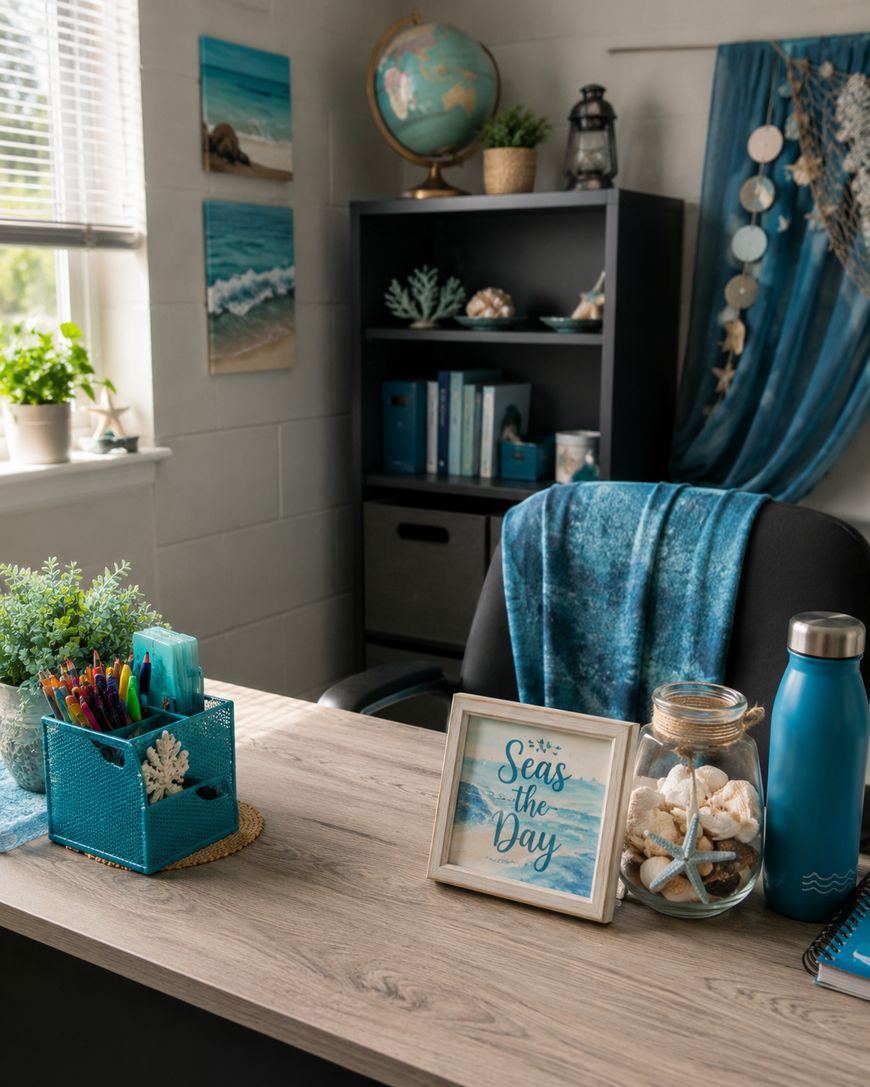
A popular approach is to cover one large board in gradient blue paper, layering lighter blue at the top and darker teal toward the bottom to suggest depth. Add a sandy strip of tan paper along the bottom edge, then layer on cut paper seaweed, tissue paper anemones, and student-made sea creatures throughout the year. You can use this board as a living display that grows and changes as you add student work.
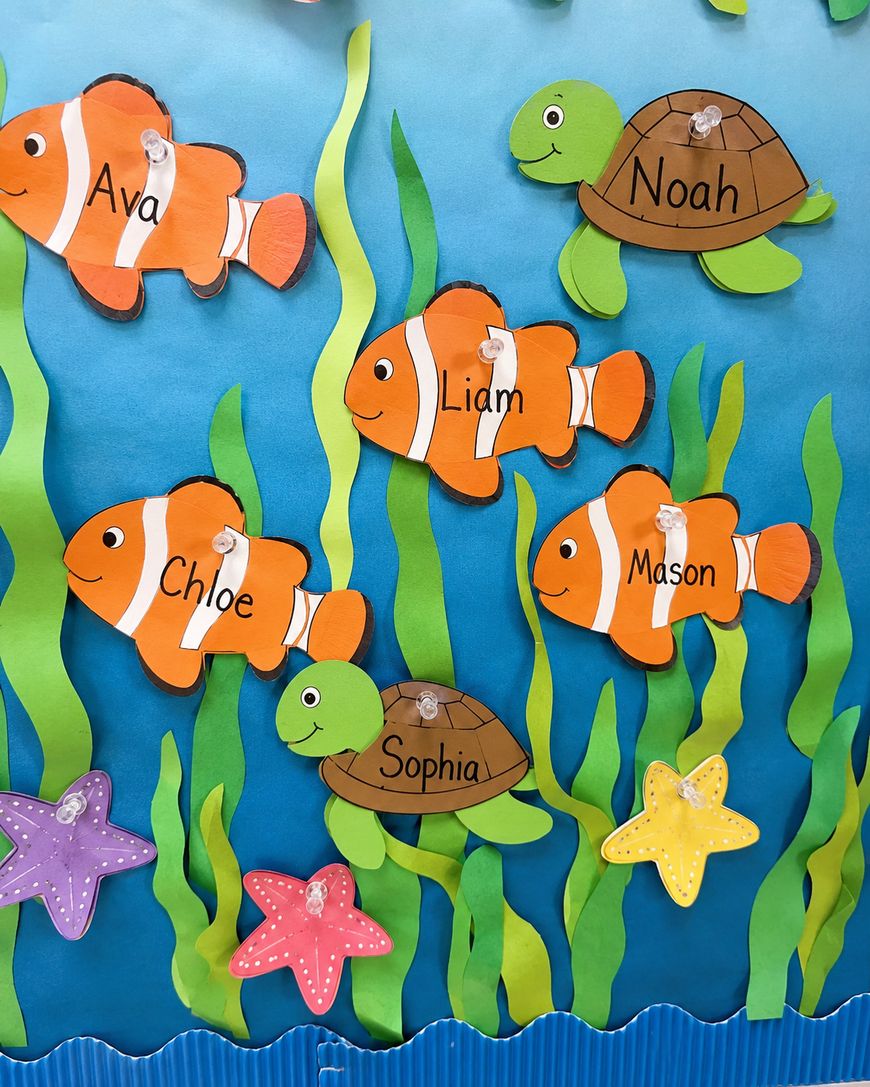
For a welcome bulletin board, consider a “Dive Into Learning” or “Seas the Day” title with each student’s name on a different sea creature cutout. Starfish, crabs, seahorses, jellyfish, and clownfish all offer enough variety that every student gets a unique animal. You can find premade ocean cutouts at teacher supply stores or print and cut your own from free clip art sites.
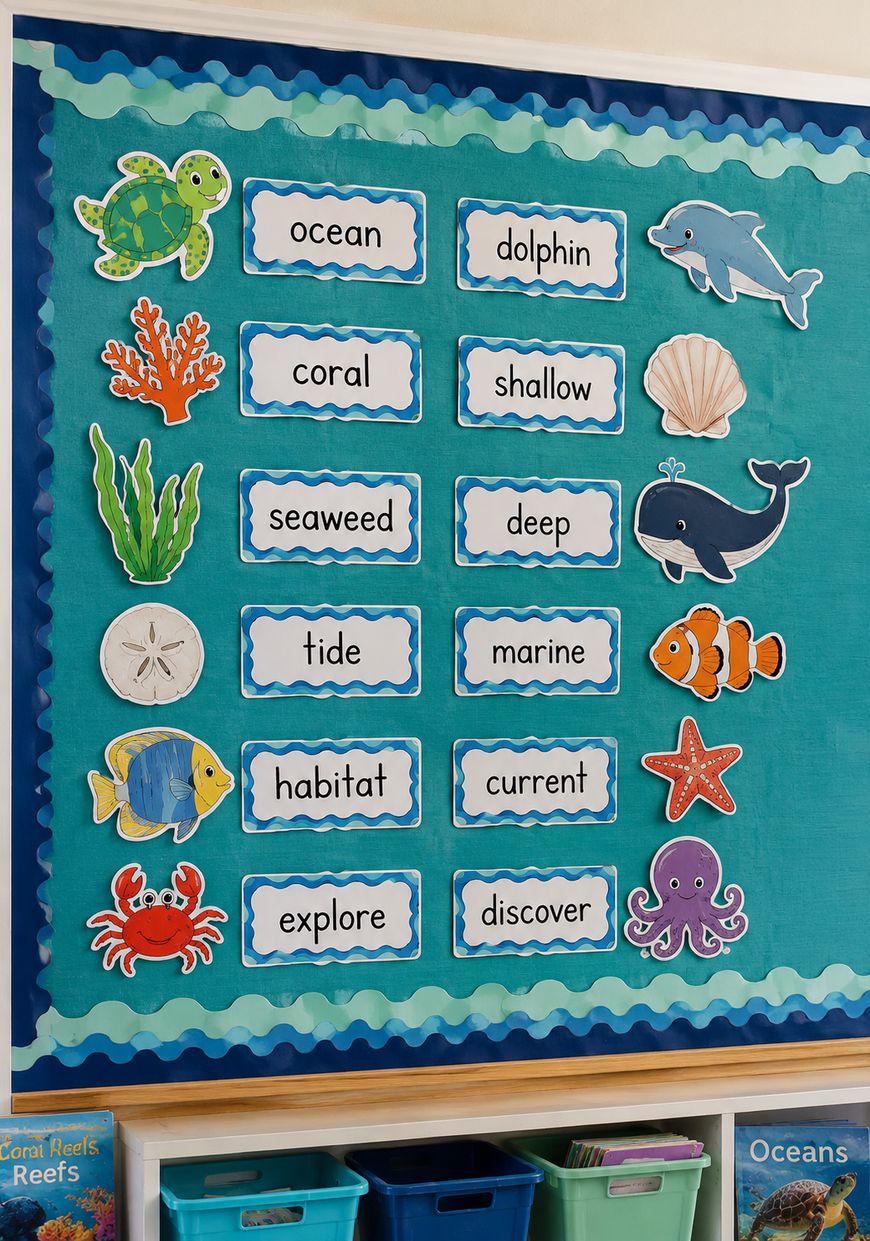
A math or literacy board works beautifully with an ocean floor scene. Anchor number lines, alphabet cards, or word wall words onto a seabed background where everything feels purposefully placed rather than just tacked up. Consistent border trim in a wave or bubble pattern pulls the whole display together.
Setting Up an Ocean-Themed Reading Nook
One of the most magical elements of an under the sea classroom theme is the reading nook, and this is the area where you can really let the design shine. A cozy, visually immersive corner encourages students to choose independent reading time and helps even reluctant readers settle into a book.
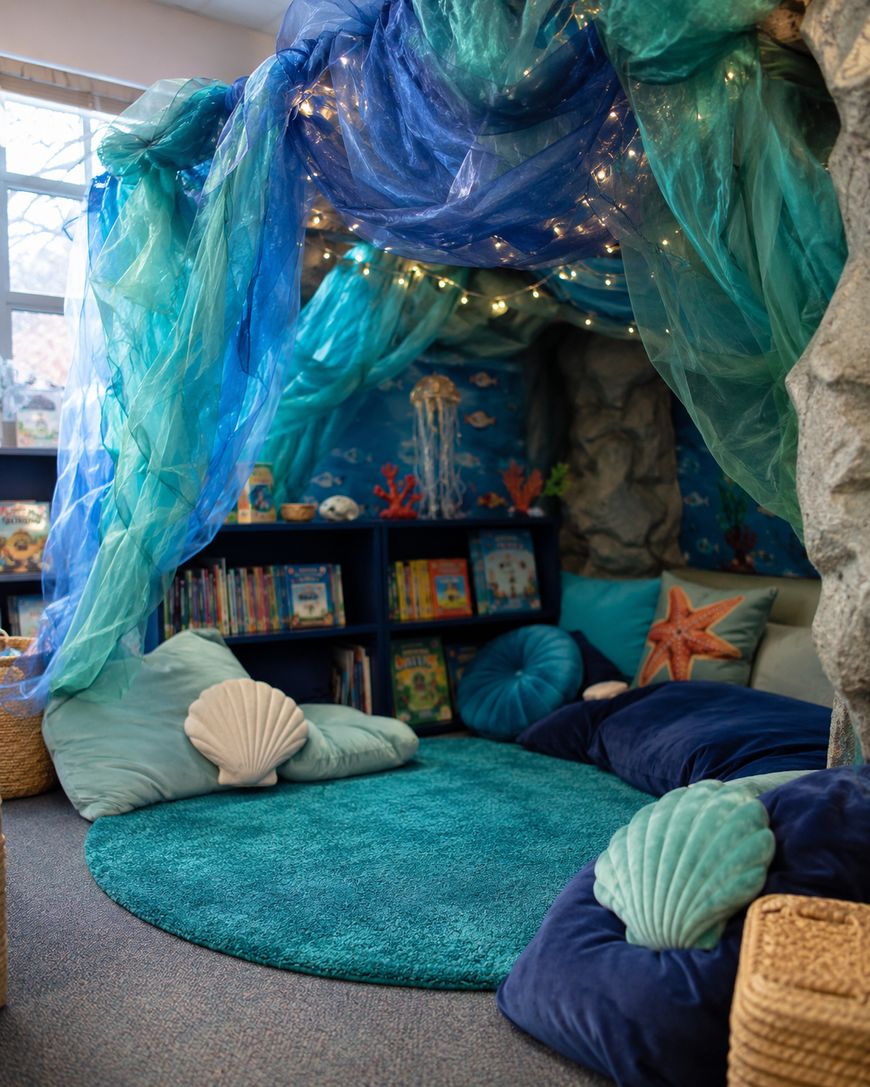
Start with a blue or teal rug as your base. Round rugs work especially well here because they suggest the circular opening of an underwater cave or a tide pool. Layer in a small bookshelf painted in a coordinating color, a few large floor cushions in ocean tones, and a string of soft blue or white fairy lights along the wall or ceiling above the space.
If you want to go all out, hang sheer blue or green fabric from the ceiling above the nook so it drapes down like water. Add a few fabric fish or jellyfish hanging at different heights, and you’ve created something students will talk about all year. A small basket of ocean-themed books placed front-facing in the nook ties the whole setup together and signals that this space is for exploring stories, just like exploring the sea.
Classroom Organization With an Ocean Theme
Keeping supplies organized is a year-round challenge, and an under the sea classroom theme actually makes it easier because you have such a clear visual language to work with. Labels, bins, and signs all look intentional when they carry your ocean motif consistently.
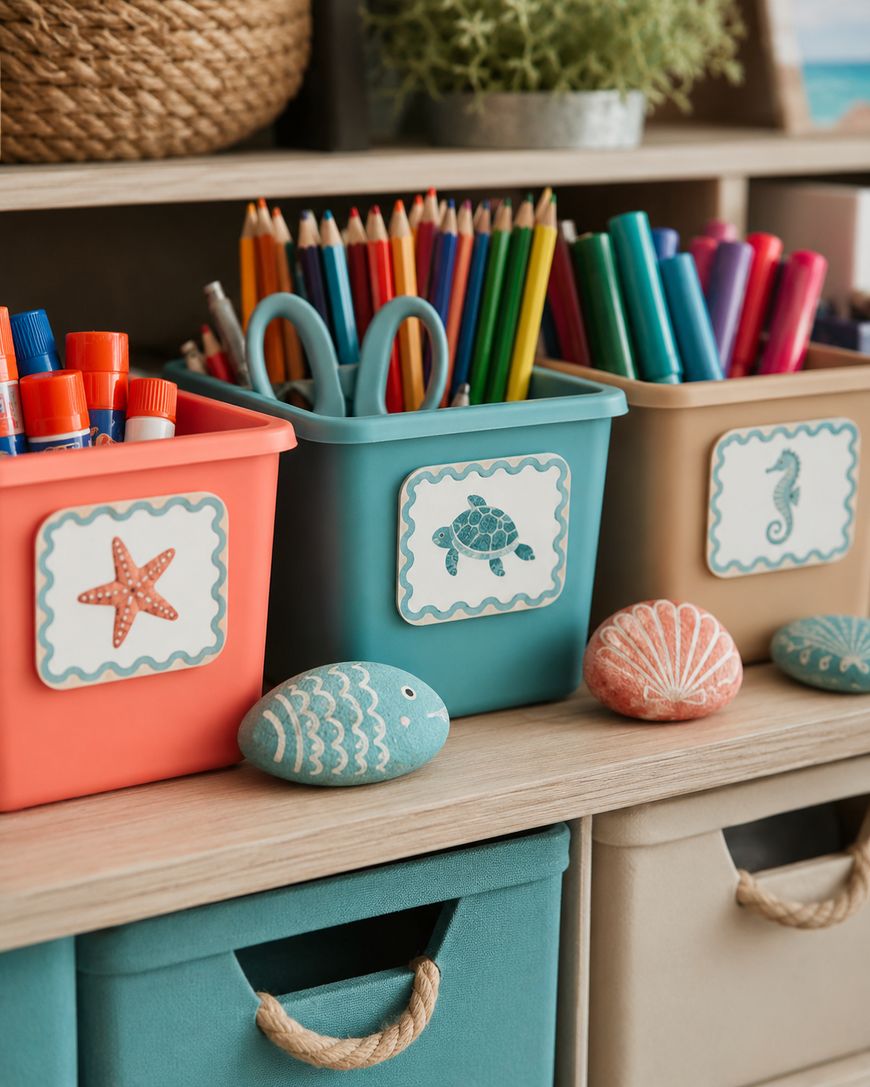
Use a simple label template featuring a wave border, anchor icon, or small sea creature in the corner of every bin and shelf label throughout the room. Print these on cardstock, laminate them, and attach with adhesive velcro so you can swap them out between years. Label your pencil cup, your crayon bins, your homework turn-in tray, and your teacher supply area all in the same style so the whole room feels designed rather than assembled.
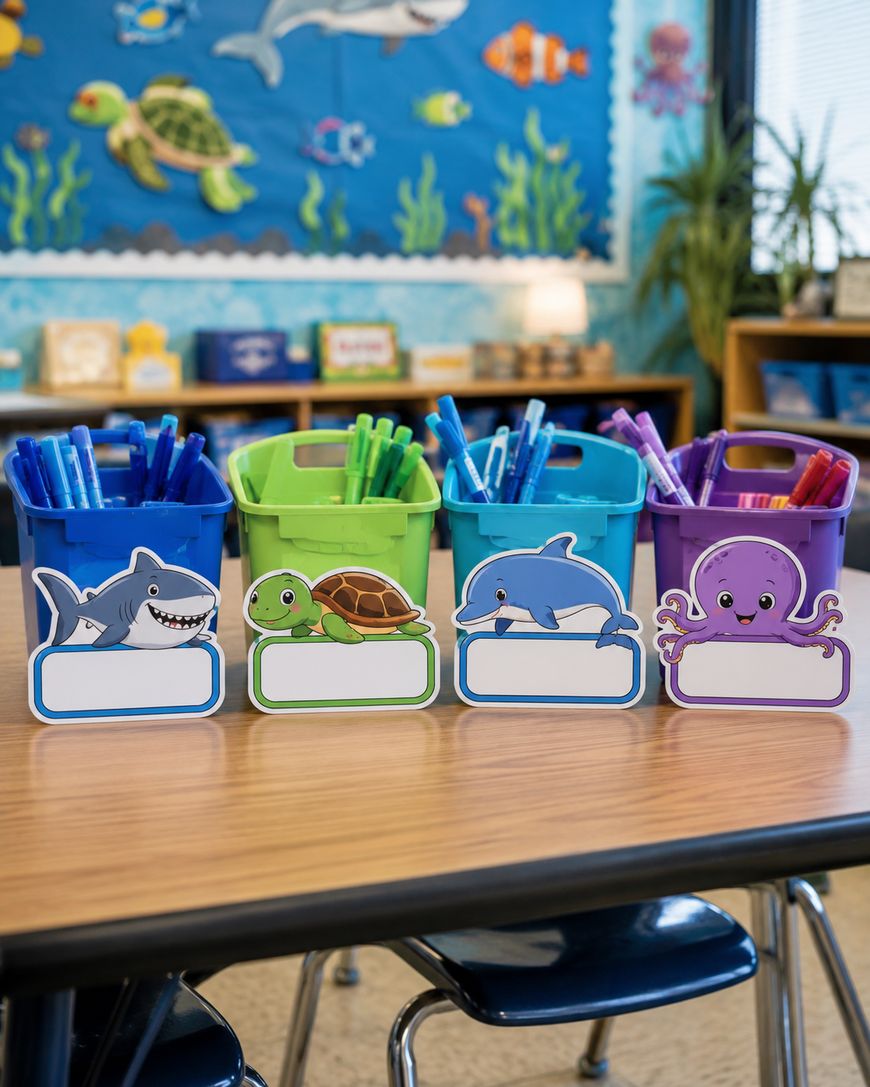
Color-coding by table group is another smart organizational move. Assign each group an ocean creature like sharks, sea turtles, dolphins, and octopuses and give each table a small nameplate and a matching colored supply bin. Students quickly learn their group identity, and the system makes transitions and supply distribution much smoother.
DIY Decor for Your Under the Sea Classroom Theme
You don’t need a big budget to create a beautiful under the sea classroom theme. Many of the most effective pieces are things you can make yourself with inexpensive materials from the dollar store or craft store.
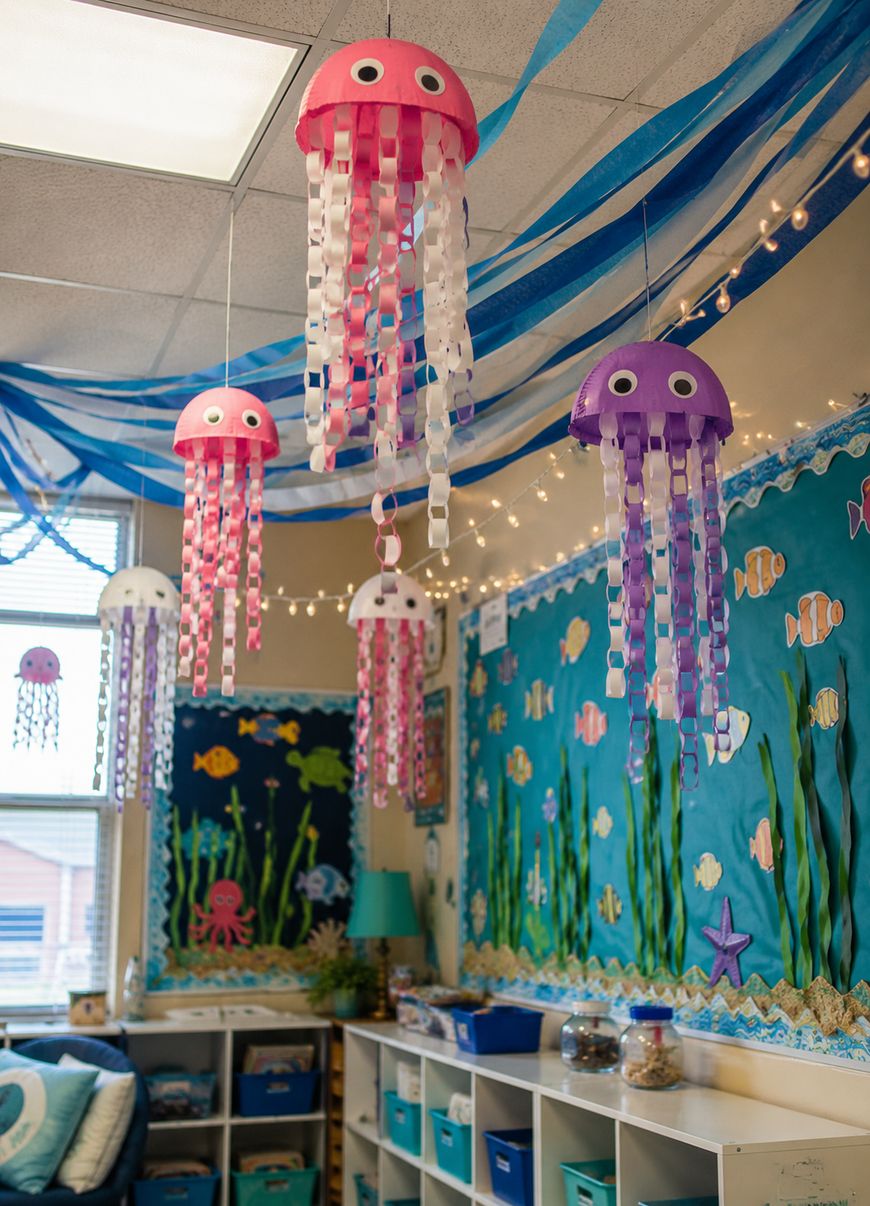
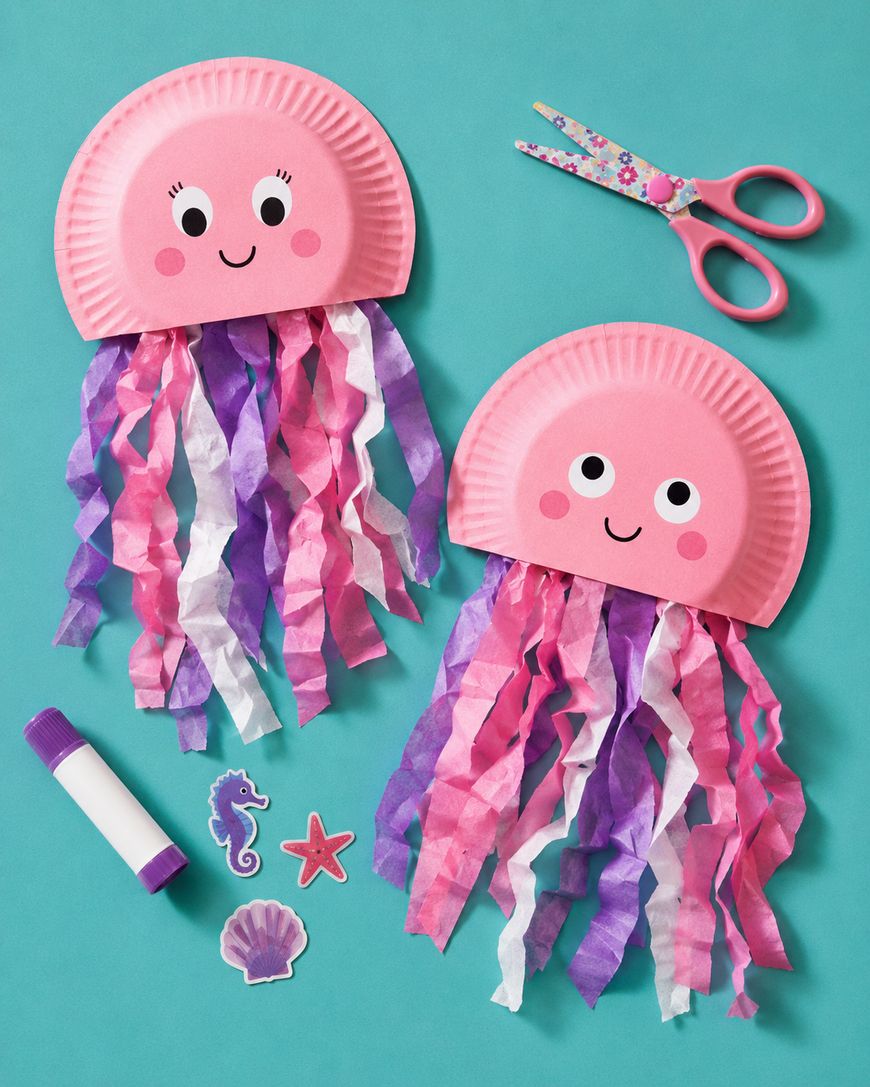
Paper chain jellyfish are one of the easiest DIY projects for an ocean classroom. Cut strips of tissue paper or crepe paper in pink, purple, and white, and attach them in a bundle to a round paper plate painted pink. Hang these at varying heights from the ceiling and they immediately transform the visual feel of the room. Students can even make them as an art project early in the year, giving them ownership over the decor.
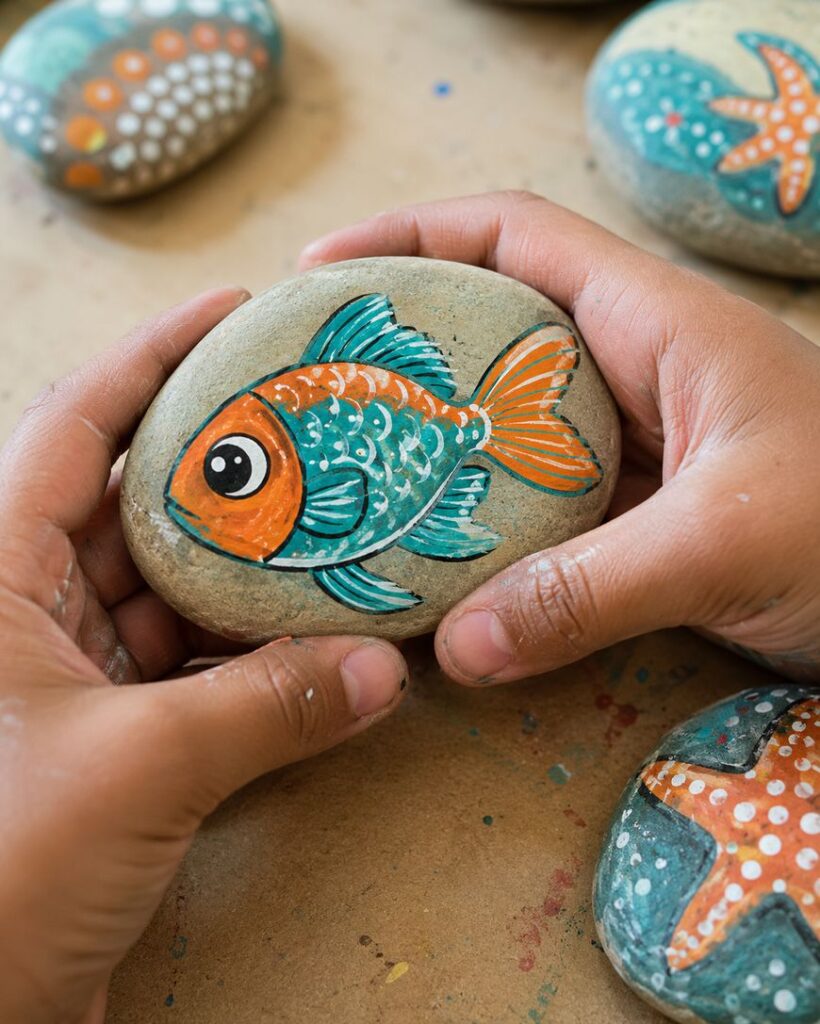
Painted rocks make excellent manipulatives and decor pieces. Pick up smooth river rocks at a craft store, paint them in ocean colors with small designs like fish, shells, and coral, and scatter them around your classroom on shelves and windowsills. They double as sensory objects for students who need something to hold, and they add a natural, earthy texture that balances the paper and fabric decor around them.
Cardboard fish and sea creatures are another versatile DIY option. Cut basic fish shapes from cardboard boxes, let students paint them, and laminate or seal them with Mod Podge. You can use these as name tags, table markers, incentive tokens, or purely decorative pieces mounted on walls and the backs of bookshelves.
Incorporating the Theme Into Learning Activities
The best classroom themes don’t just live on the walls. They weave into the actual learning that happens every day, and an under the sea classroom theme gives you so many entry points for this kind of integration.
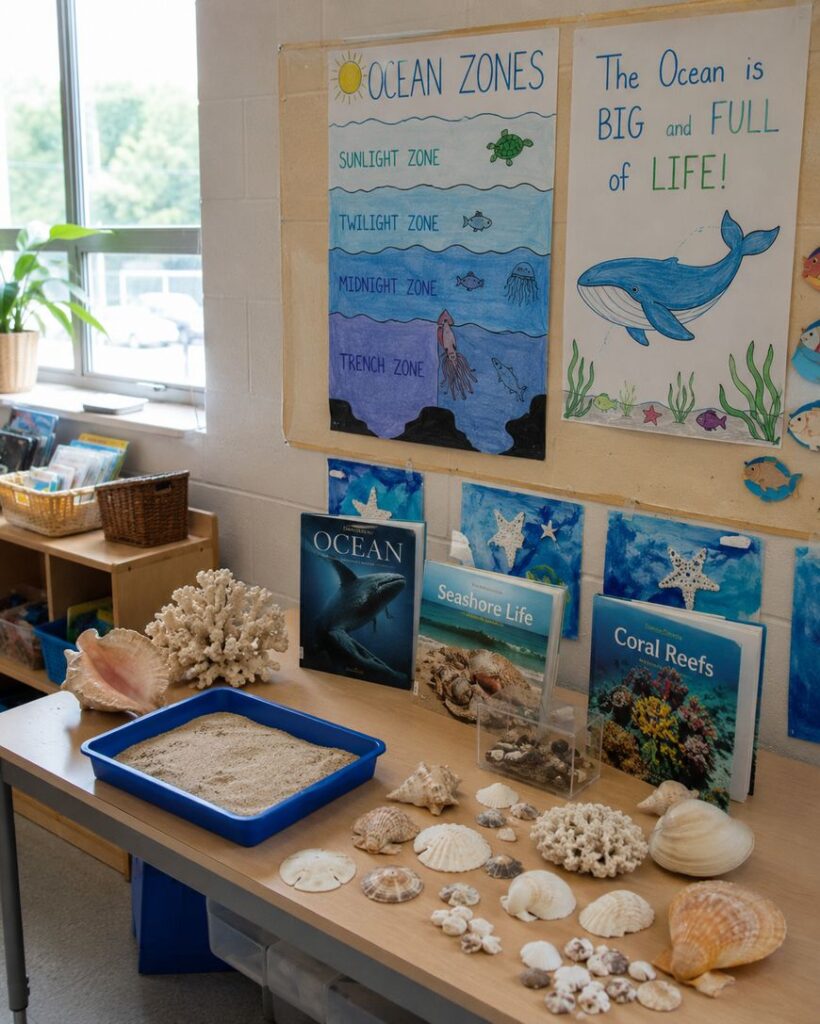
In science, an ocean unit fits naturally into the aesthetic and gives students real-world context for the environment surrounding them in the classroom. A simple anchor chart showing ocean zones mounted near the bulletin board becomes both decor and a functional reference tool. A small table display with shells, coral pieces, and ocean life field guides turns a corner of the room into a natural wonder station.
In literacy, ocean-themed writing prompts can be displayed on a small chalkboard or whiteboard near the writing center. Prompts like “If you could breathe underwater for a day, where would you go?” or “Describe what you’d find in a tide pool” connect creative writing to the visual world students are sitting inside all day.
For math, use ocean creatures as manipulatives and problem contexts. Counting fish counters, measuring the “length” of paper sea snakes, or solving word problems about a sea turtle’s journey all make abstract math concepts feel grounded and fun. These small touches don’t require extra prep time once you have the materials in place.
Why an Under the Sea Classroom Theme Works So Well
There’s a reason ocean-themed classrooms keep showing up on every teacher’s Pinterest board. The under the sea classroom theme is endlessly flexible, visually rich, and works beautifully for any grade level from Pre-K through fifth grade.
Kids are naturally drawn to the ocean. The colors, the creatures, and the sense of mystery all spark curiosity, and a well-designed underwater classroom taps into that energy every single day. When students walk into a space that feels immersive and special, they settle in faster, engage more readily, and feel proud of the environment they’re part of.
From a design standpoint, ocean colors like deep teal, coral, sandy tan, and navy give you a rich, cohesive palette that’s easy to work with. You can layer different shades without the room ever feeling chaotic or mismatched. The theme also lends itself to natural learning tie-ins across science, literacy, math, and even social-emotional learning, making it one of the most curriculum-friendly choices you can make.
Frequently Asked Questions About Under the Sea Classroom Themes
How do I set up an under the sea classroom on a small budget?
You can create a beautiful ocean classroom without spending much at all. Focus your budget on a few anchor pieces like a teal rug and some wave border trim, then DIY the rest with paper, paint, and craft supplies. Dollar stores often carry solid-colored bins, fish-shaped accessories, and blue balloons that all work perfectly for an ocean theme.
What grade levels work best for an under the sea classroom theme?
The under the sea classroom theme works well from Pre-K through about fifth grade. Younger students love the playful creatures and bright colors, while older students can appreciate a more sophisticated, muted version of the palette. The theme scales easily by adjusting how whimsical or realistic your decor choices are.
What are the best sources for ocean classroom printables?
Teachers Pay Teachers is the best single source for ocean classroom printables, offering everything from complete classroom decor bundles to individual anchor charts, name tags, and editable templates. Many items come in matching sets so your entire classroom looks coordinated. Free options are also available on Pinterest and sites like Teachers Notebook.
Can I use an under the sea theme for a high school classroom?
You can absolutely use ocean elements in a high school classroom, though you’d want to lean into a more sophisticated interpretation. Think deep navy and charcoal with minimal accent colors, scientific ocean imagery rather than cartoon fish, and subtle nods to the theme through artwork and small accessories rather than a fully immersive setup.
How do I keep my ocean classroom looking fresh throughout the year?
Rotate one or two elements seasonally to keep the room feeling current. Swap out bulletin board displays as you move through units, refresh your reading nook with new book recommendations displayed on a small easel, and involve students in making new decor pieces a couple of times a year so the room always reflects the current class.
What types of plants work well in an ocean-themed classroom?
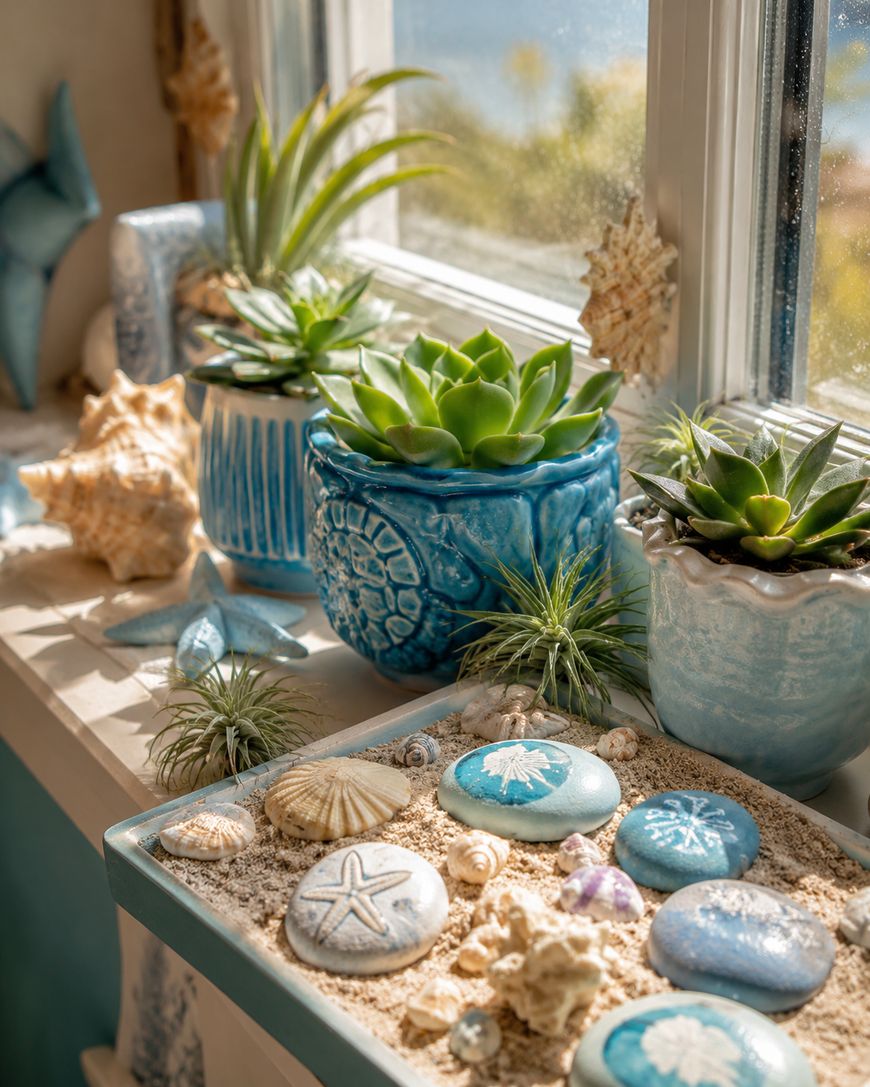
Succulents and air plants work beautifully in ocean classrooms because their sculptural shapes echo the forms of sea anemones and coral. Display them in small blue or white ceramic pots or in a shallow tray of sand and small shells for a tide pool effect. These low-maintenance plants add life to the room without requiring much care.
Bringing Your Under the Sea Classroom Theme Together
Creating a cohesive under the sea classroom theme is really about making intentional choices that build on each other. Start with your color palette, commit to it across your major surfaces, and then layer in the details over time.
You don’t have to have everything perfect on the first day. Set up your key anchor pieces, your bulletin boards, your reading nook, and your organizational system, then let the rest grow as the year progresses. Some of the best classroom decor ends up being the student work and projects that accumulate on the walls, and in an ocean-themed room, handmade fish, painted rocks, and paper sea creatures created by your students become the most meaningful part of the whole design.
The goal is a space where kids feel excited to learn, comfortable to take risks, and proud of the environment they’re part of. An under the sea classroom theme gives you all the tools to make that happen, and the best part is that the ocean is endlessly deep, so your creativity never has to run dry.



Leave a Reply